I’ve owned my Instant Pot for just over two years and I’m still learning new tricks. Every recipe is an opportunity to experiment, and through those experiments I’ve discovered a number of things you should avoid. Here are nine Instant Pot don’ts to help beginners get comfortable and avoid common mistakes.
1. Read the manual. It may sound obvious, but reading the manual will save you time and prevent mistakes. The manual explains basic operation, safety features, and care instructions. If you’ve misplaced yours, check the manufacturer’s website for a replacement manual that matches your model.
2. Don’t pressurize without liquid. The Instant Pot needs liquid to build pressure. Always add at least 1/2 to 1 cup of water, broth, or another liquid depending on the recipe and your model. Without liquid the unit won’t pressurize properly and cooking will fail.
3. Don’t forget to set the valve to “Sealing.” Before starting a pressure-cook cycle, make sure the pressure-release valve is set to Sealing. If it’s on Venting, the cooker cannot pressurize and your food won’t cook as expected.
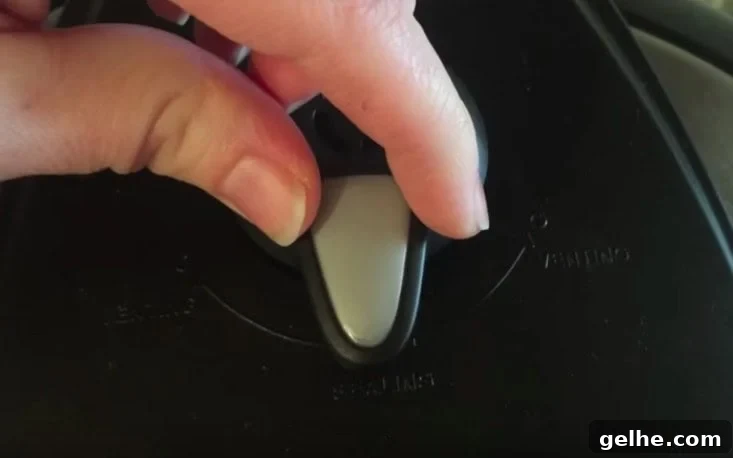
4. Don’t put your hand over the vent during a quick release. Some recipes call for a quick release, which means moving the valve to Venting after the cooking time ends. The steam is extremely hot — avoid placing your hand or face over the vent. Use an oven mitt or a long utensil if you must guide the valve.
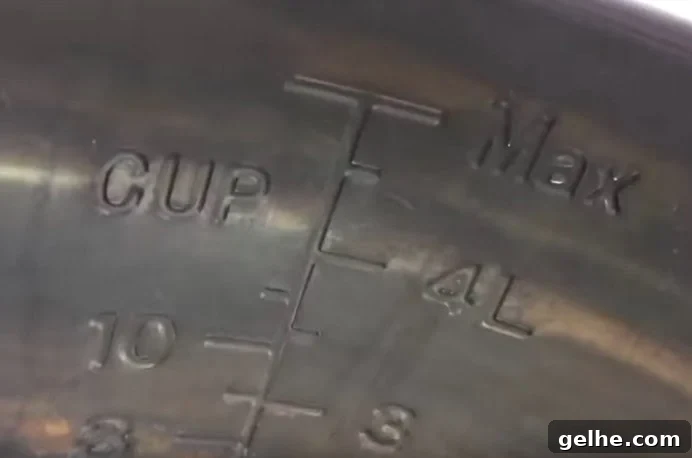
5. Don’t overfill your Instant Pot. Overfilling slows pressurization and can prevent the lid from closing properly. For most recipes stick at least two lines below the MAX mark — for a 6-quart pot that’s roughly the 4-liter line. For foods that expand (rice, beans, grains), follow the pot’s specific fill recommendations.
6. Don’t put the stainless-steel inner pot on a stovetop or directly in the oven. The inner pot is designed for use inside the Instant Pot housing. Placing it on a burner or in an oven can damage the pot and void warranties. Use it only as intended.
7. Don’t quick-release very foamy foods. Foods that foam or froth — such as large quantities of rice, starchy pasta, potatoes, or thick soups — can spurt through the vent during a quick release and make a mess. For these items, use a natural release or be prepared for slow, controlled venting. A tip: placing a paper towel over the vent can catch spray during a quick release, but be ready to replace the towel if it becomes saturated.

8. Don’t forget to set the timer. It’s easy to load the pot, secure the lid and then forget to press Start or set the cooking time. Double-check that the program and time are set before walking away. I’ve made this mistake myself more than once.
9. Don’t forget to account for pressurizing time. Many recipes list only the active cooking time, not the time it takes for the pot to reach pressure. Depending on the amount and temperature of the ingredients, pressurizing can add 10–20 minutes or more. Factor that into your schedule so meals are ready when you expect them to be.
A few extra tips:
If you’re cooking for one or two people, a 3-quart model is convenient. For families or meal-prep, 6-quart is the most versatile size, and 8-quart can be useful for larger batches. Pick the size that fits your typical cooking needs.
Watch demonstration videos and follow trusted recipe sources to build confidence. With practice you’ll learn which foods require special handling and which shortcuts work for you. Happy cooking — and enjoy experimenting with your Instant Pot!