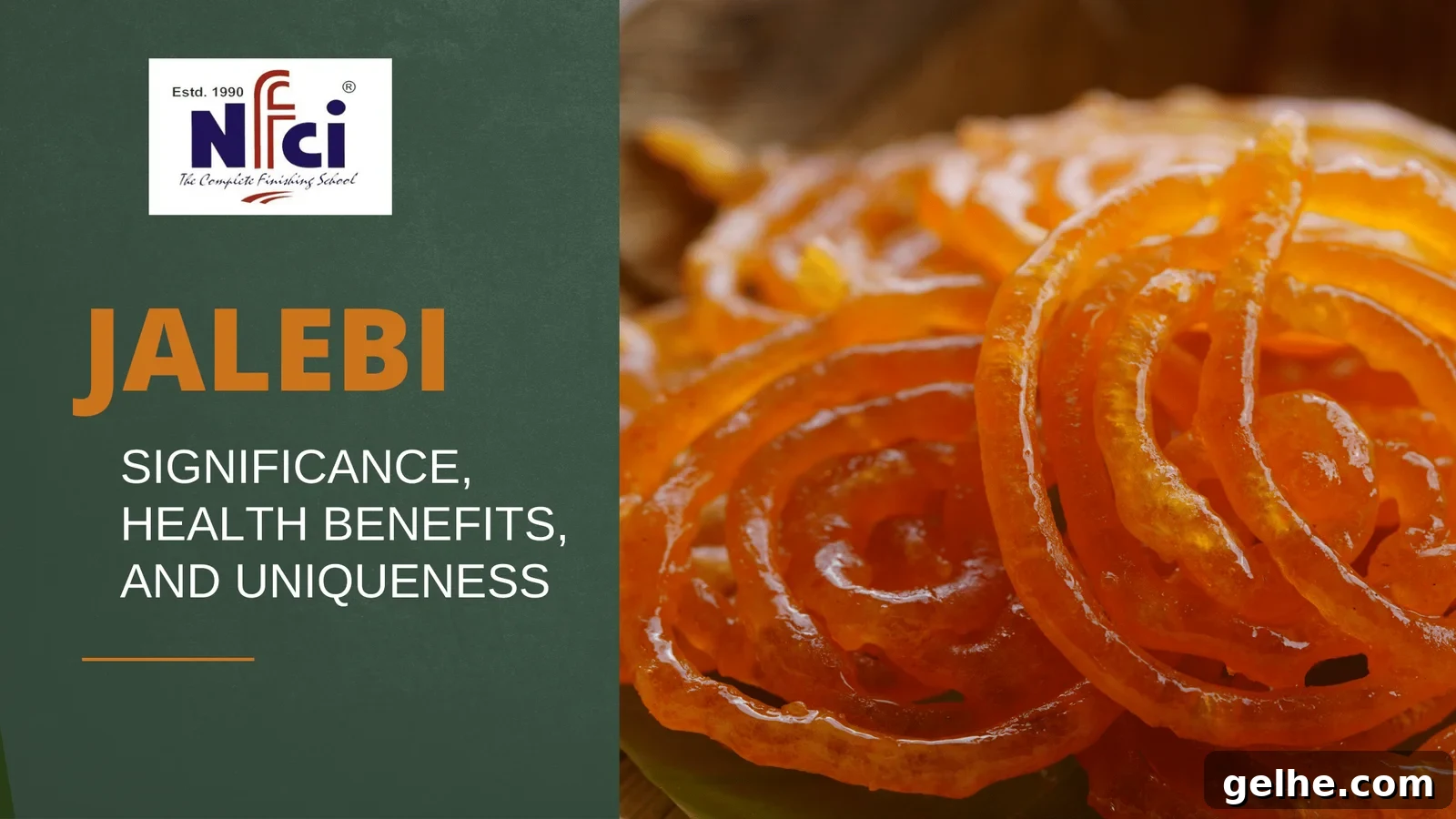
Overview on jalebi, health benefits and recipe
The spiral-shaped, crispy, golden Indian sweet known as jalebi is a beloved dessert across India and in many parts of the world. It features prominently in festivals, celebrations, and street-food culture, admired for its crunch, syrupy sweetness, and distinctive shape.
Jalebi goes by several names—Zalabia, jellabi, mushabak, jilapi—and is traditionally made from maida (refined wheat flour). A simple batter is prepared, piped into hot ghee or oil in concentric spirals, fried until golden, and then soaked in a thick sugar syrup. It is commonly served hot but can also be enjoyed at room temperature or chilled.
Historically, jalebi likely arrived on the subcontinent via Persian and Middle Eastern culinary influences and was further popularized during medieval periods. In many regions, cooks add flavorings such as rose water, lime juice, saffron, and cardamom. In North India, jalebi is often paired with rabri, a thick sweetened milk served at weddings and festivals.
Jalebi shares similarities with sweets like imarti and chhena jalebi but remains distinctive due to its batter, frying technique, and sugar glaze. It is popular in neighboring countries including Bangladesh, Pakistan, Nepal, and the Maldives.
At the National Finishing and Cookery Institute (NFCI), a culinary institute in India, instruction goes beyond basic techniques to include cultural context, food history, and considerations of nutrition and health. Understanding traditional foods like jalebi helps students appreciate culinary heritage while learning how to balance taste and well-being.
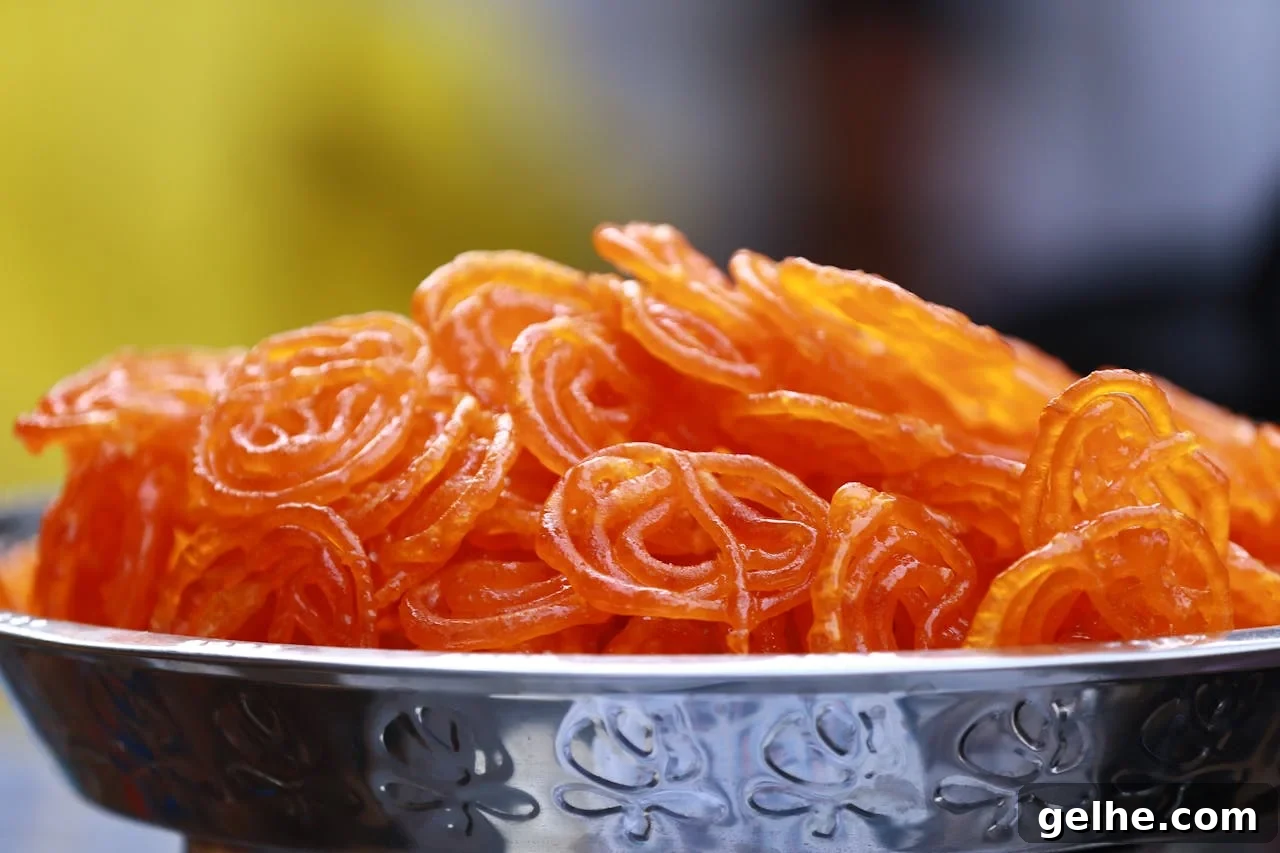
Jalebi has a special association with the festival of Dussehra, which celebrates Lord Ram’s victory over Ravana. In many regions, people prepare and share traditional snacks on this day—Jalebi is one of those sweets often offered and enjoyed. In Gujarat and parts of western India, jalebi is sometimes served with fafda; in West Bengal, other festival foods such as luchi and dom may feature.
The cultural link between jalebi and Dussehra is reinforced by folklore that connects the sweet to historical and religious narratives. Beyond tradition, seasonal and practical reasons also explain the custom: Dussehra falls as temperatures begin to cool, and warm, syrupy foods can be comforting during this transitional period.
Some modern commentators and health advocates have also discussed potential benefits of traditional ingredients like ghee when used in moderation. Whether enjoyed as a festive treat or a comforting snack after fasting or celebration, jalebi remains a popular choice for many.
Medical and seasonal reasons for eating jalebi
- Dussehra coincides with the transition from hot to cooler days; warm, sweet foods are traditionally preferred during this change of season.
- Anecdotally, warm jalebi with milk is said to help ease headaches or migraines for some people, particularly when headaches are triggered by hunger or changes in weather.
- After periods of fasting during festivals like Navratri, people often enjoy rich, energizing foods. Jalebi provides quick calories and a comforting finish to festivities.
- While jalebi is calorie-dense, many traditional uses focus on small portions combined with milk or other accompaniments that balance indulgence with nourishment.
Commonly cited health benefits of jalebi (traditional and anecdotal)
Cures migraine
Some people report relief from mild headaches or migraines by consuming jalebi with milk, especially when the headache is associated with hunger or low blood sugar. This is an anecdotal remedy and not a substitute for medical treatment when required.
Relieves stress
Comfort foods like jalebi can temporarily reduce feelings of stress by increasing pleasure and providing quick energy, which may lower stress hormones briefly.
Supports weight gain when needed
Because jalebi is fried and sugar-laden, it provides concentrated calories. People who need to gain weight may find such calorie-dense foods helpful when consumed in a balanced dietary plan.
May improve short-term focus
A quick source of glucose can sometimes improve alertness and concentration temporarily, which is why some people reach for a sweet snack to sharpen focus.
Traditional respiratory remedy
In some home remedies, warm milk with jalebi is used to soothe coughs or provide comfort during mild respiratory symptoms. Such remedies are supportive but not a replacement for medical care when needed.
Helps with dry skin (anecdotal)
Some traditional beliefs hold that certain rich foods and ghee can help with skin dryness when included as part of diet and topical care; evidence is mostly anecdotal.
Reduces anxiety (short term)
Enjoying a favorite sweet can provide momentary relief from anxiety by promoting relaxation and delivering quick energy; long-term anxiety should be managed with appropriate strategies and professional help.
Traditionally, ghee has been used in various home remedies, and combining jalebi with milk or ghee is a common practice in some households for both taste and perceived health benefits.
Nutritional value of one piece of jalebi
| Fat | Protein | Carbohydrate | Calcium | Potassium | Sodium | Iron |
| 2.2 g | 0.2 g | 5.6 g | 0.5 g | 3.6 mg | 0.3 mg | 0.1 mg |
Easy Jalebi Recipe
Below is a video demonstration showing a simple jalebi recipe and method to make the batter, fry the spirals, and prepare sugar syrup for soaking.
NFCI emphasizes a rounded culinary education that includes technique, cultural history, and nutritional considerations. Our advanced culinary courses prepare students to understand not just how to cook, but why certain foods are prepared and enjoyed in particular ways across India.
We encourage mindful enjoyment of traditional dishes like jalebi—appreciating their heritage, flavors, and the role they play in celebrations—while balancing intake within a healthy lifestyle.