
A homemade beef stock is the simple secret that elevates your favorite beef dishes. Making your own stock lets you control flavor, avoid preservatives and unnecessary additives, and create a rich, natural base for soups, stews, sauces, and braises.
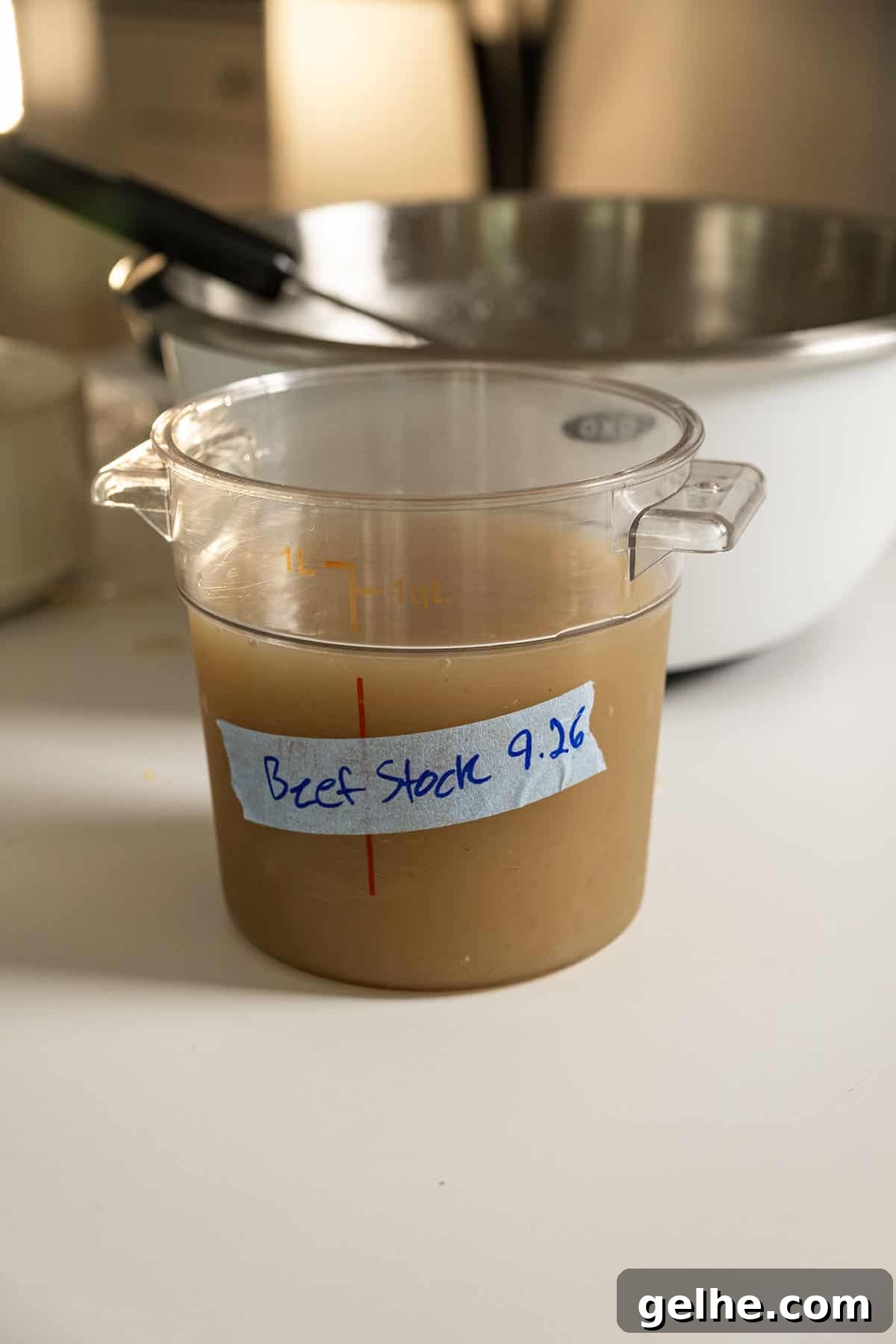
Use homemade beef stock in Beef and Barley Soup with Mushrooms or Dutch Oven Barbacoa Tacos to get the most from its deep, savory flavor.
[feast_advanced_jump_to]
Why homemade stock matters
- You control the salt. Commercial stocks often contain salt; making stock without salt lets you season recipes precisely.
- Many store-bought products are flavored rather than made from real beef bones and meat.
- Homemade stock extracts collagen from bones and converts it to gelatin, giving soups and stews natural body and a silky mouthfeel without thickeners.
- It’s ideal for batch-cooking: make a large pot and freeze portions for later use.
- Using leftovers and scraps reduces waste and lets you tailor the aromatics to your taste.
Ingredient notes and substitutions
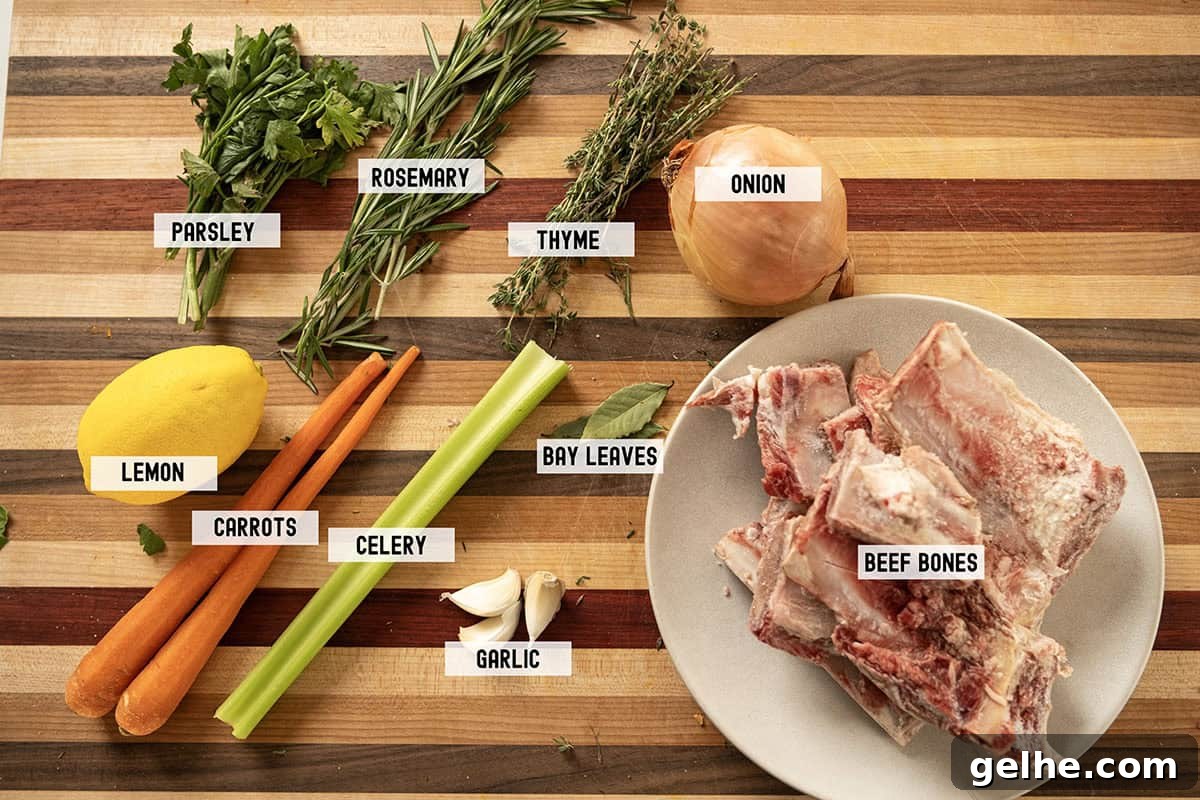
- Beef bones. Choose bones with some meat attached for deeper, caramelized flavor. Marrow and knuckle bones add excellent richness and collagen.
- Herbs. Use what you like—rosemary, thyme, parsley, and bay leaves work well. Tie herbs together or add them loose for easy removal.
- Vegetables. Carrots, celery, and onion provide sweetness and balance. Sturdy leftover vegetable trimmings (broccoli stems, asparagus stalks) are also useful.
See the recipe card below for exact ingredient amounts and details.
How to make homemade beef stock
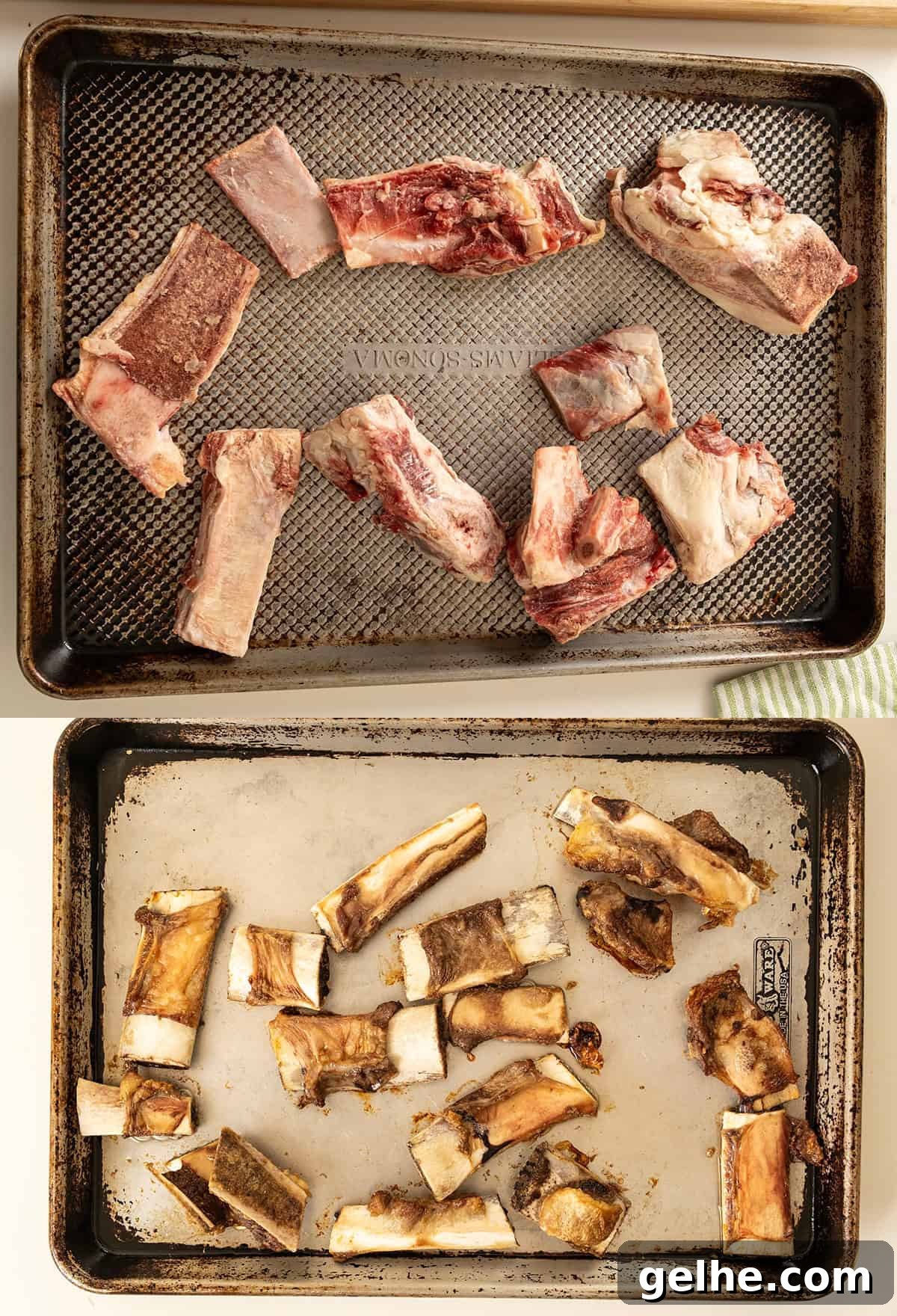
Step 1: Preheat the oven to 425°F. Arrange the beef bones on a baking sheet, season lightly with salt and pepper, and roast for about 45 minutes until browned. Roasting develops deep, savory notes.
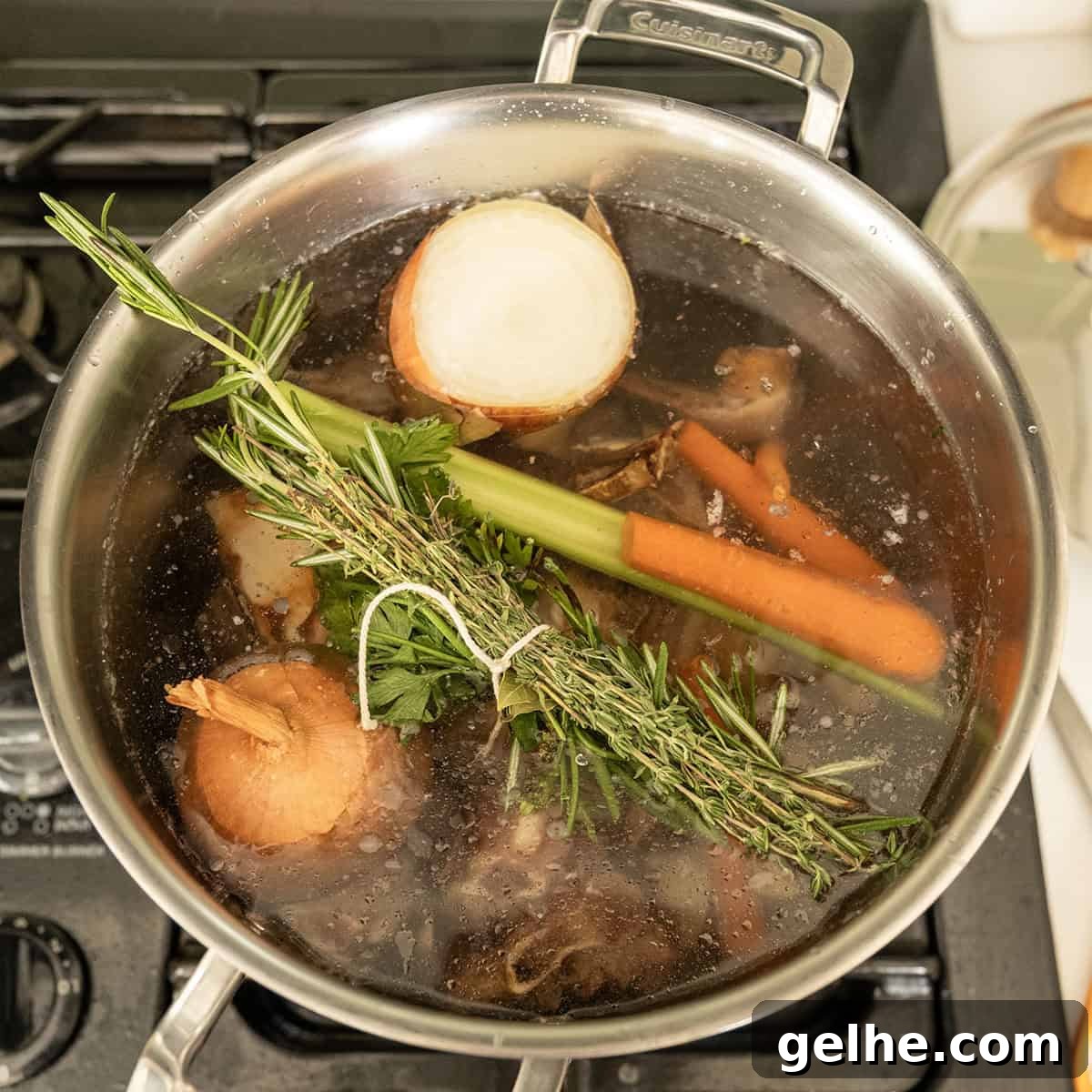
Step 2: Transfer the roasted bones to a large stockpot. Add carrots, celery, onion, bay leaves, thyme, parsley, rosemary, lemon, and garlic. Cover everything with cold water so the ingredients are submerged, then bring to a boil over high heat.
Lower the heat to maintain a very gentle simmer. Cover the pot and simmer for 7–8 hours for the most concentrated flavor. If pressed for time, a 3–4 hour simmer at a slightly higher temperature will still yield good results, but longer cooking draws out more collagen and depth.
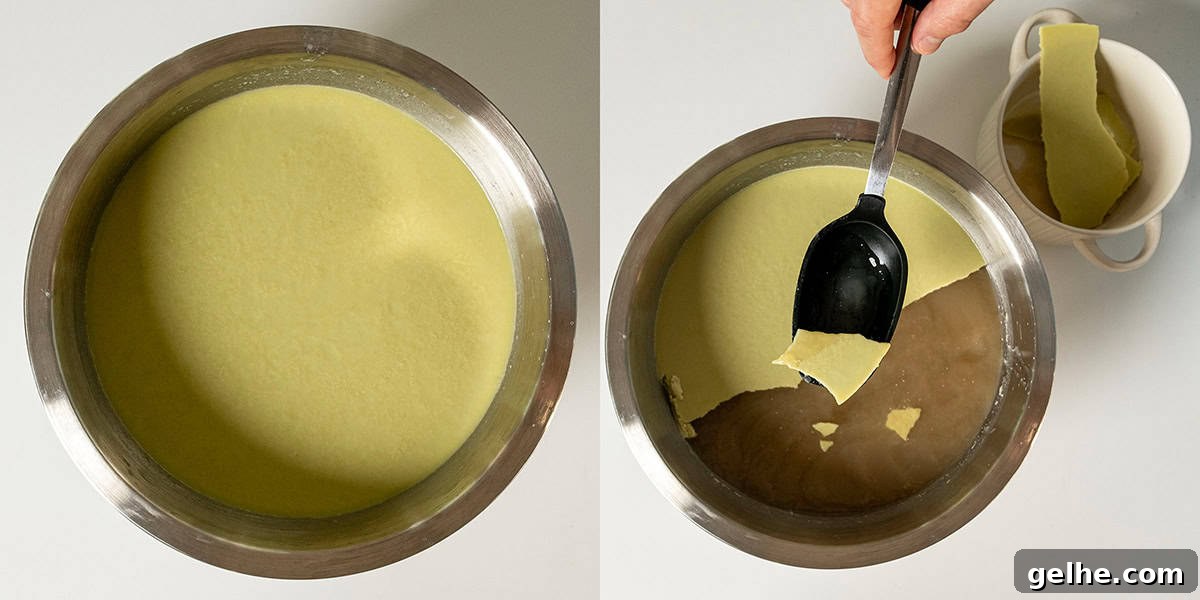
Step 3: Strain the stock into containers and refrigerate overnight. As it cools, the fat will solidify on top—remove this layer before using to improve clarity and reduce greasiness.
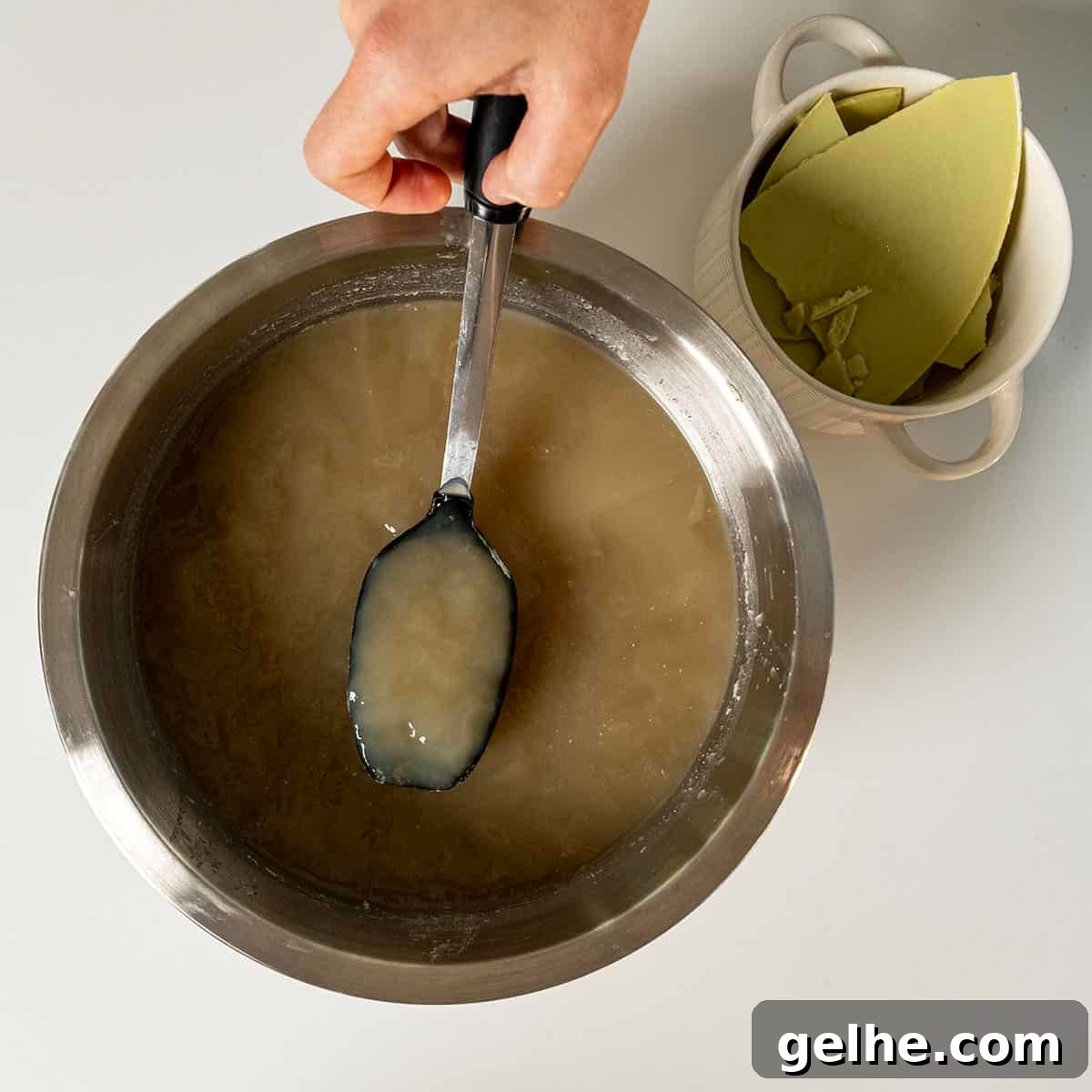
Step 4: Store refrigerated for up to 4 days or freeze for up to 6 months. A properly made beef stock should be gelatinous when chilled, a sign of well-extracted collagen and high-quality mouthfeel.
Use this stock for soups, stews, gravies, braises, and sauces—fresh beef gravy for meatloaf is a classic example of its versatility.

Pro tips
- Choose bones with meat. Bones with some meat attached give you true beef flavor—not just bone minerals.
- Roast the bones. Browning adds caramelized, savory depth to the final stock.
- Respect simmer time. Longer, gentle simmering releases more collagen, turning it into gelatin that thickens and enriches soups and sauces naturally.
- Store properly. Cool completely, skim the solidified fat, and freeze portions for reliable, ready-to-use stock all winter.
Recipe FAQs
Leaving salt out of the stock lets you control seasoning in the dishes where you use it. Stock reduces as it cooks, concentrating flavors and any salt you add.
Homemade stock contains natural collagen extracted from bones and connective tissue, which becomes gelatin as it cools. That gelatin gives body and texture to soups, stews, and sauces.
Stock is typically made without added salt and focuses on extracting collagen and minerals from bones. Broth is often made from meat and includes seasoning, resulting in a lighter, ready-to-eat liquid.
Skimming is optional. Many cooks prefer to chill and remove the fat after refrigeration, which is easier and leaves the flavorful gelatin behind.
More delicious homemade necessities
- Homemade Italian Parmesan Croutons
- Traditional Caesar Dressing
- Homemade Italian Sausage Seasoning
- Ricotta Filling
Please leave a comment and a star rating in the recipe card—I’d love to hear how your stock turns out.

Homemade Beef Stock
Vincent DelGiudice
Pin Recipe
Equipment
-
1 large stock pot
Ingredients
- 2 lbs beef bones
- 2 carrots
- 1 celery stalk
- 3 garlic cloves
- 2 bay leaves
- 1 onion
- 1 lemon
- 1 bunch rosemary
- 1 bunch thyme
- 1 bunch parsley
Instructions
-
Preheat oven to 425°F. Place beef bones on a baking sheet, season with salt and pepper, and roast for 45 minutes.
-
Transfer roasted bones to a large pot with carrots, celery, onion, bay leaves, thyme, parsley, rosemary, lemon, and garlic. Add cold water to cover the ingredients and bring to a boil.
-
Reduce to a very low simmer, cover, and cook for 7–8 hours. Alternatively, simmer 3–4 hours at a slightly higher temperature for a quicker batch.
-
Strain the stock into containers and refrigerate overnight. Remove the solidified fat the next day. Refrigerate up to 4 days or freeze up to 6 months.
Notes
- Use bones with meat. They provide the best, most authentic beef flavor.
- Roast first. Browning the bones adds depth and savory complexity.
- Long simmering matters. More time equals more collagen extraction, richer gelatin, and fuller flavor.
- Freeze portions. Store in the freezer for up to 6 months for convenient use throughout the year.
Nutrition
Carbohydrates: 4g
Protein: 1g
Fat: 0.1g
Sodium: 13mg