
Updated: March 24, 2023
Our family has installed and refinished white oak flooring on three separate occasions, so I’ve gathered everything we’ve learned into one comprehensive resource. We’ve chosen different stains, left floors unstained, installed new white oak, and refinished older planks — all of which informed how we approach this versatile wood.
I loved the white oak in our first new build so much that when we started renovating an older home years later, we chose white oak again. This time we decided to leave it unstained. Keep scrolling for the details on the stains we tried and the reasons behind our choices.
Your Guide To Choosing White Oak Flooring
This post may contain affiliate links. I hope you find the information and photos helpful!
Choosing hardwoods can feel overwhelming. Engineered vs. solid, prefinished vs. site-finished, plus an endless range of stains and finishes — there’s a lot to consider. I’ll share our choices and the reasoning behind them so you can narrow your options and land on a look you’ll love.
White Oak Floors: Why Choose White Oak Over Other Hardwoods?
Luxury vinyl planks and engineered options have their place, but for me nothing compares to the look and feel of real wood. White oak is particularly popular because it accepts many stain tones without showing pink or orange undertones the way red oak can. It’s also durable — harder and more dent-resistant than softer species like pine — which makes it a common choice for new construction and renovations alike.
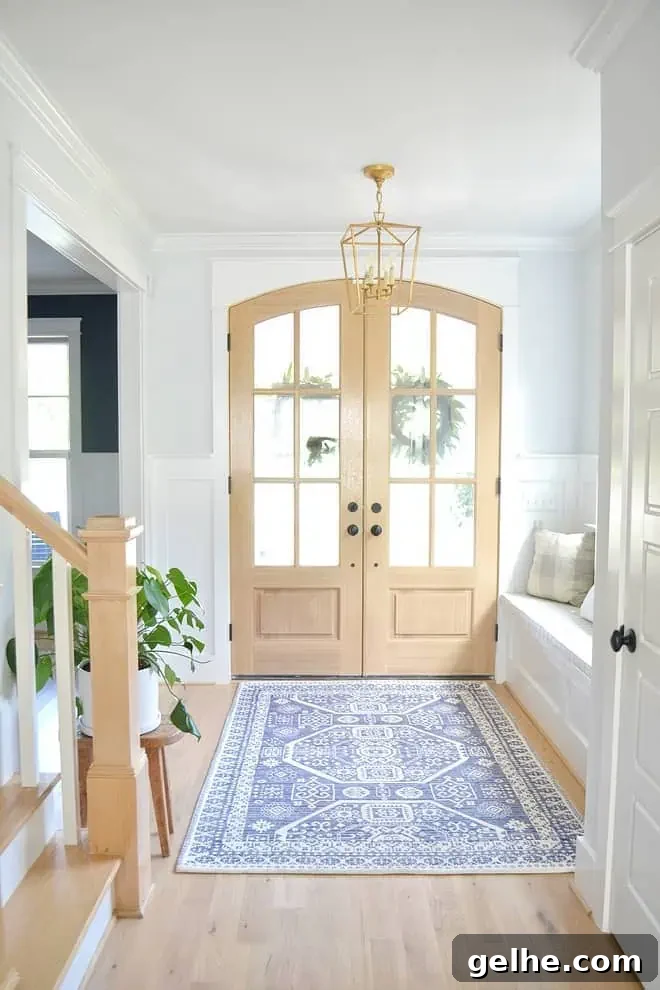
Shop My Entry: Foyer Rug / Lantern
White Oak Floors: Lengths, Widths, and the Downsides of Wide Planks
Plank width and length matter more with lighter floors because they’re more noticeable. Wider or shorter planks can change the room’s feel, so it’s worth considering the visual impact when selecting dimensions.
In our current renovation the downstairs has 2.5″ planks from an older era, while the upstairs new installations are 3″ wide. The small difference keeps the home cohesive while giving the upstairs a subtly upgraded look. In our previous build we used 4″ solid white oak, which sits just above standard.
Very wide planks (over 4″) are more prone to buckling and warping. If you want wide boards, engineered white oak is a safer choice — it’s less likely to cup or buckle. Also favor longer lengths when possible; shorter boards can look choppy, while longer boards flow and visually enlarge the space.
If you have wide plank white oak flooring, I’d love to hear how it’s holding up in the comments and where you live, since climate affects performance.
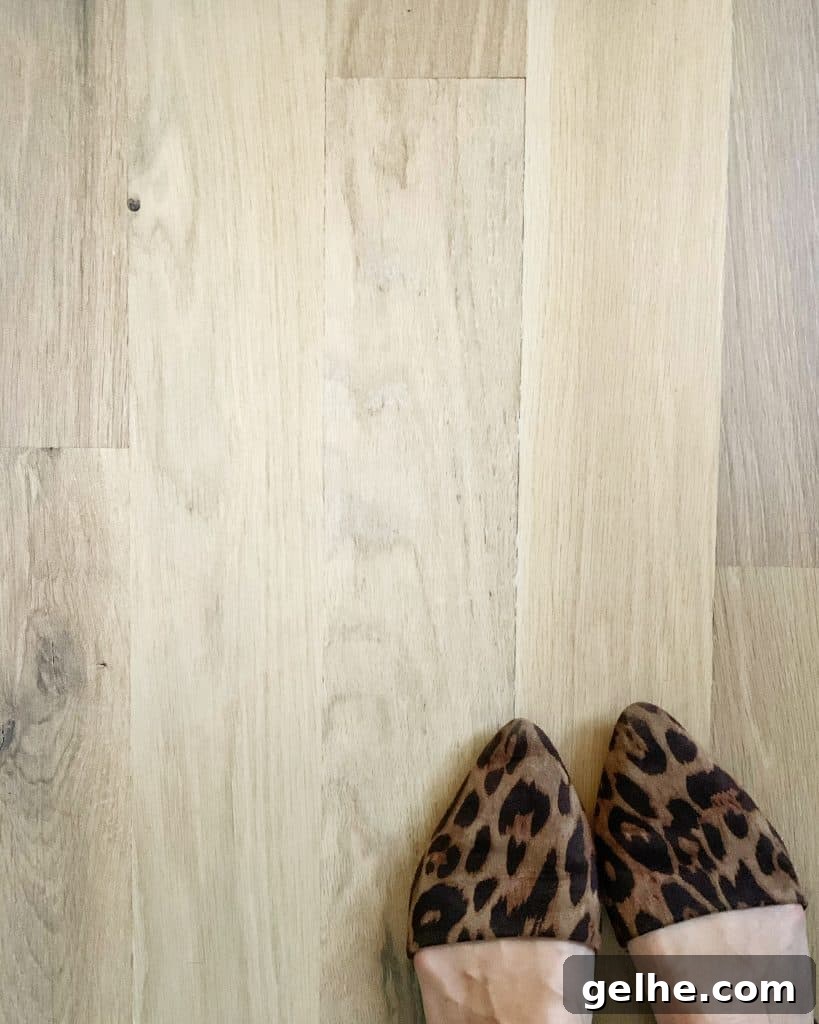
These are our solid white oak floors in a 4″ width from Artisan Flooring, finished on site.
White Oak Floors: Variation
Pay attention to the variation rating on flooring samples. Labels like “high degree of variation” mean boards will differ widely in color and tone — once installed, that can create a busy, mosaic-like floor. For a balanced, timeless backdrop, look for white oak with low, medium, or natural variation rather than high color variation.
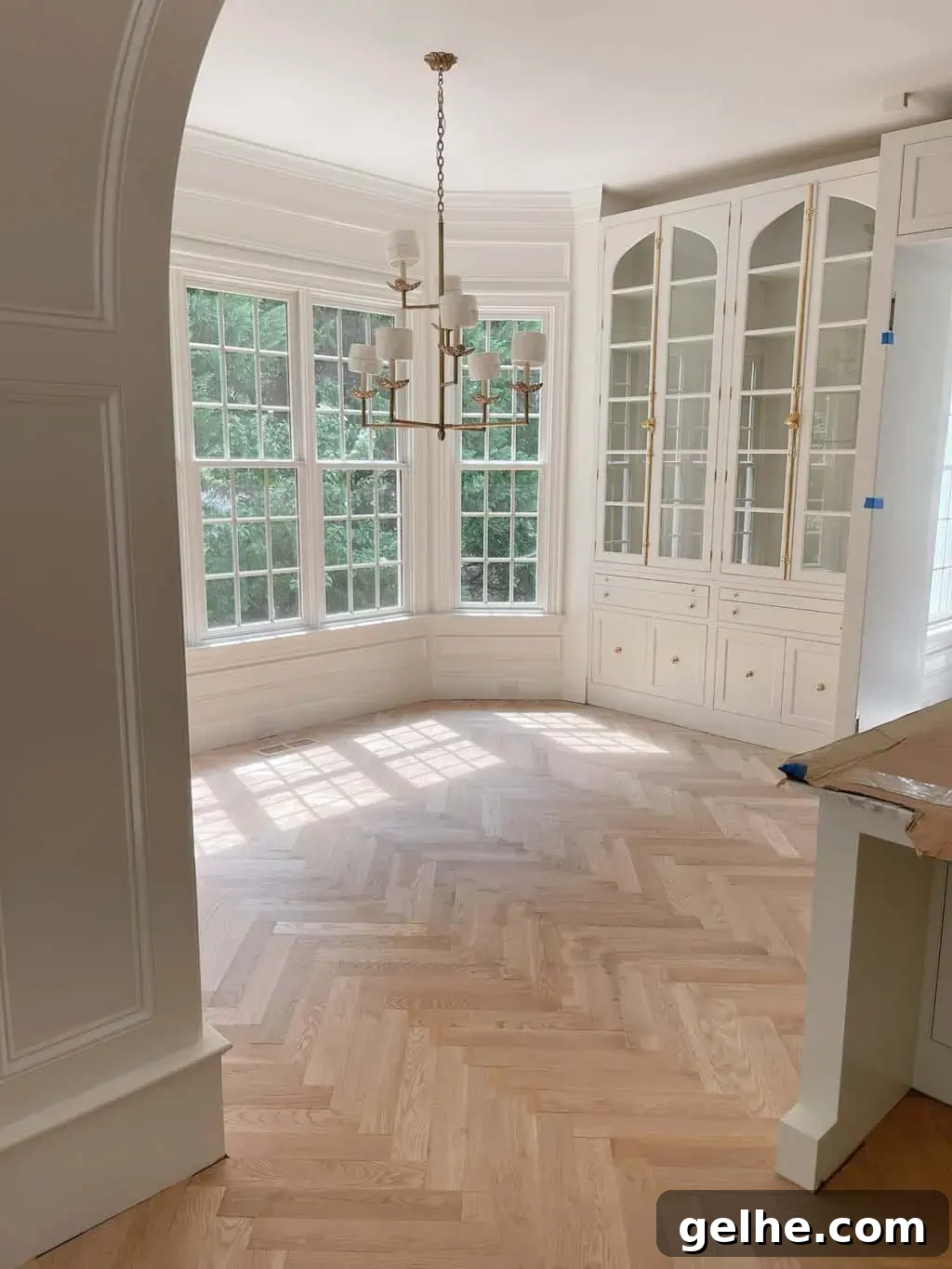
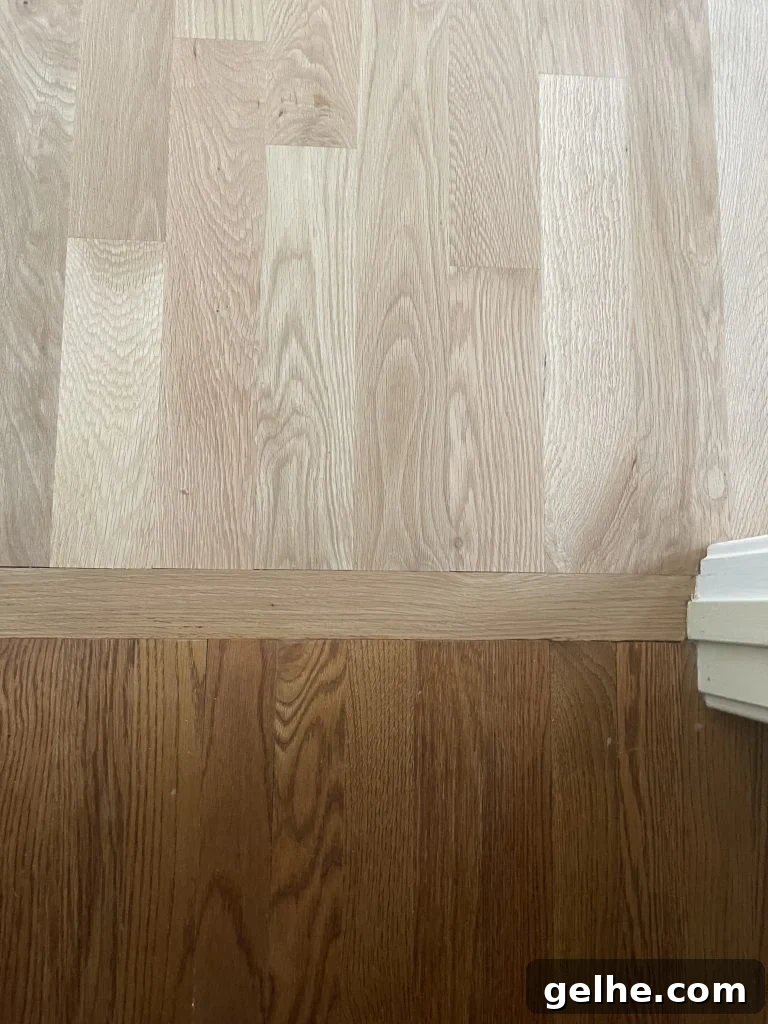
Above: unfinished white oak in our renovated kitchen.
White Oak Floors: Grades
Flooring grade reflects appearance — the amount of knots, streaks, and other character — not quality. The standard grades are:
- Select: uniform color, very few knots, longer boards, minimal character markings.
- #1 Common: some color variation, knots and holes, and varied board lengths.
- #2 Common: rustic or builder’s grade with lots of character, larger knots, worm holes, and shorter boards.
None of these grades is inherently better; they simply describe the look. Select and #1 Common tend to cost more because there’s less usable material from the log, not because the wood itself is superior.
The White Oak Stain We Used: Choosing On-Trend, Timeless Colors
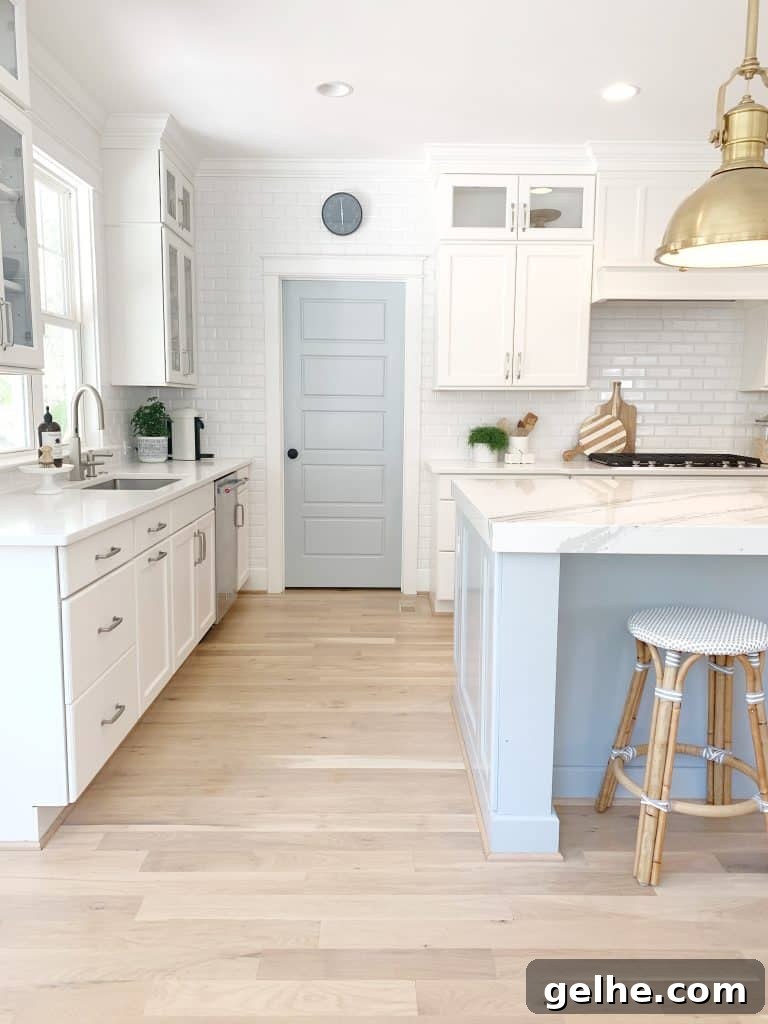
(Read about our paint colors in our kitchen here!)
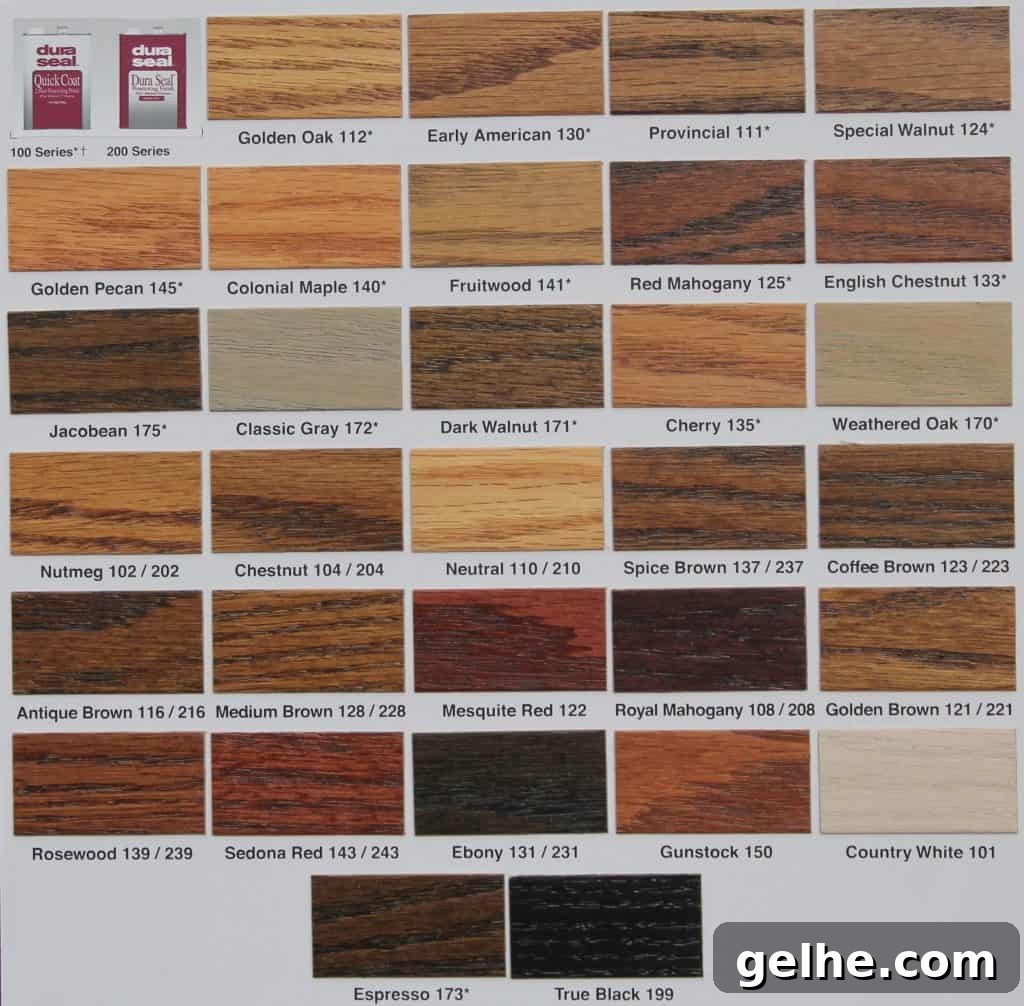
Duraseal Stains
Our builder recommended Duraseal. It’s from the same parent company as Minwax but offers a wider color range and faster curing. When we sampled Duraseal shades, “Natural” was suggested as a popular mid-tone — but it read darker than raw wood in person.
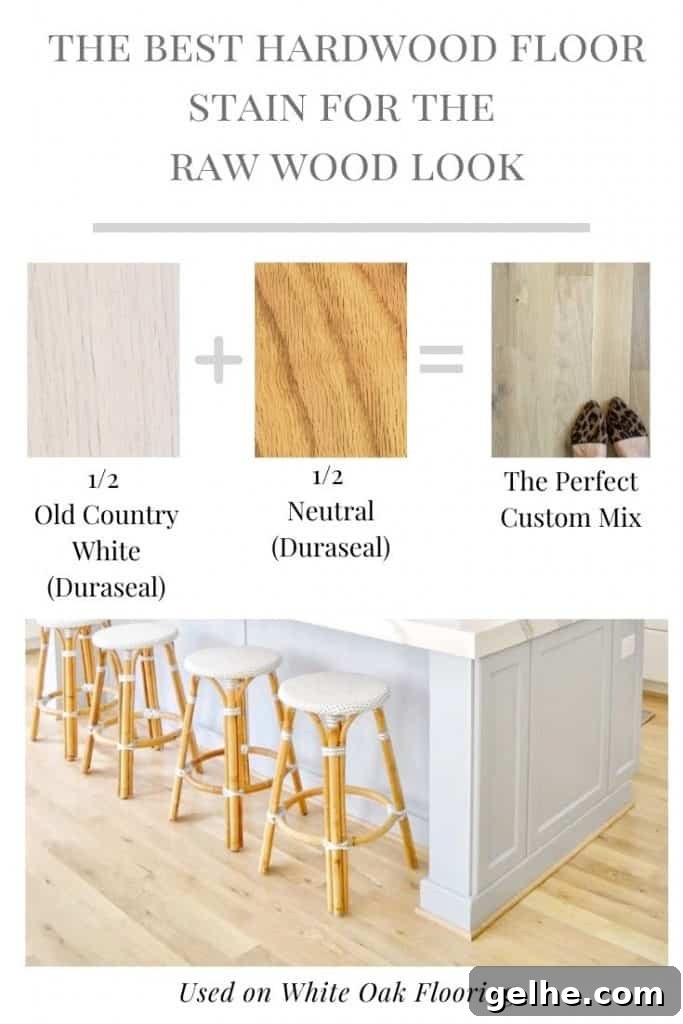
We tested Weathered Oak (too gray), Classic Gray (too trendy), Neutral (too dark), and Country White (too washed out). None matched the look we wanted by themselves, so we mixed stains to get the result closest to natural white oak. Our custom blend—half Country White and half Neutral—created the soft, natural tone used throughout our new build.
White Oak Floors With No Stain
For our older home renovation we considered re-creating the custom Duraseal mix, but ultimately decided to leave the white oak unstained and protect it with a clear system: Bona Natural Seal and Bona High Traffic HD.

Does white oak need to be stained?
No — staining is optional. Stain adds color, but it does not protect the wood; that’s the job of sealants and finishes. Choosing to leave white oak unstained lets you showcase its natural warmth and grain. Even clear sealers can slightly enrich the wood’s tone, but they won’t dramatically change the color.
A benefit of skipping stain is shorter drying and installation times. Staining adds steps and can extend wait times, especially in high humidity or low temperatures.
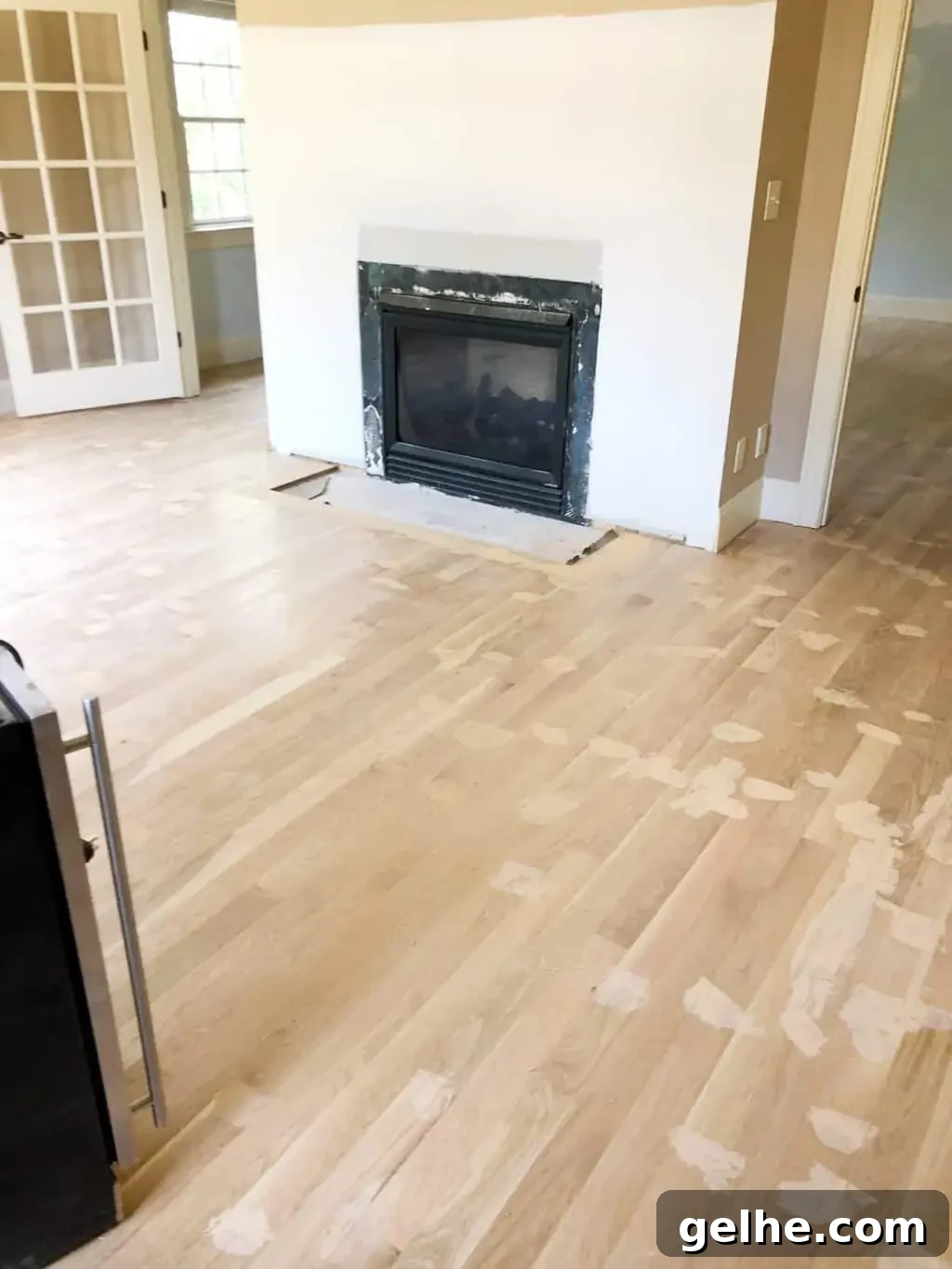
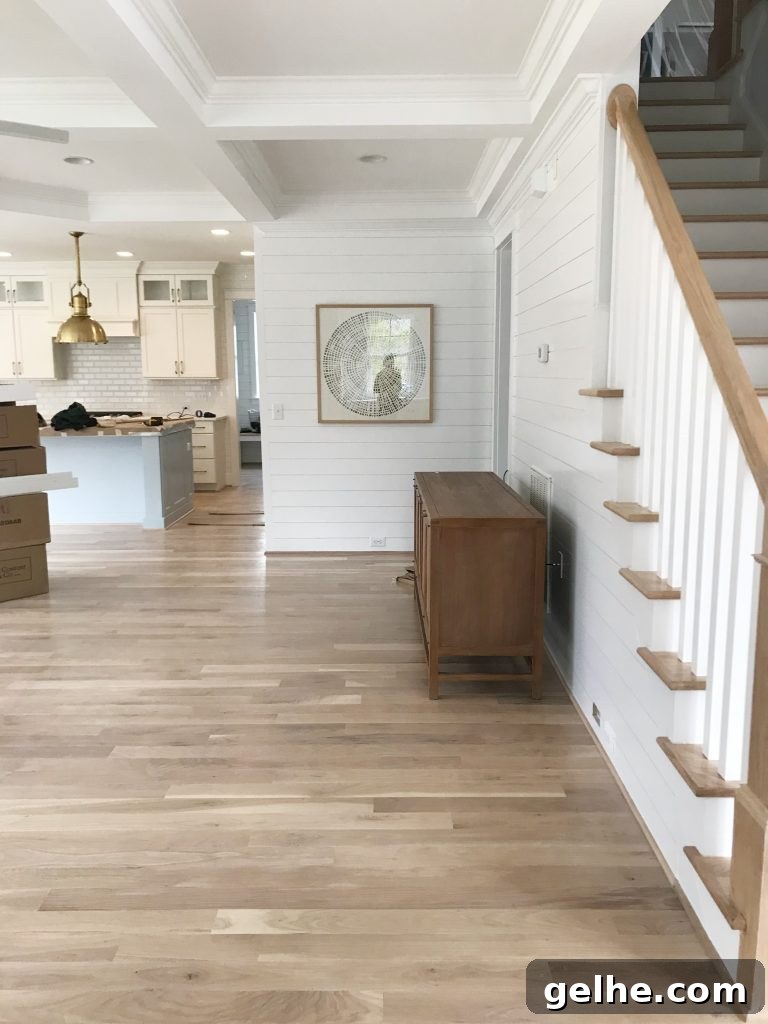
The photos above show freshly installed white oak before sanding or finish. When finished with Bona Natural Seal and Bona High Traffic HD — a waterborne wood finish — the wood gained just a subtle, beautiful warmth.
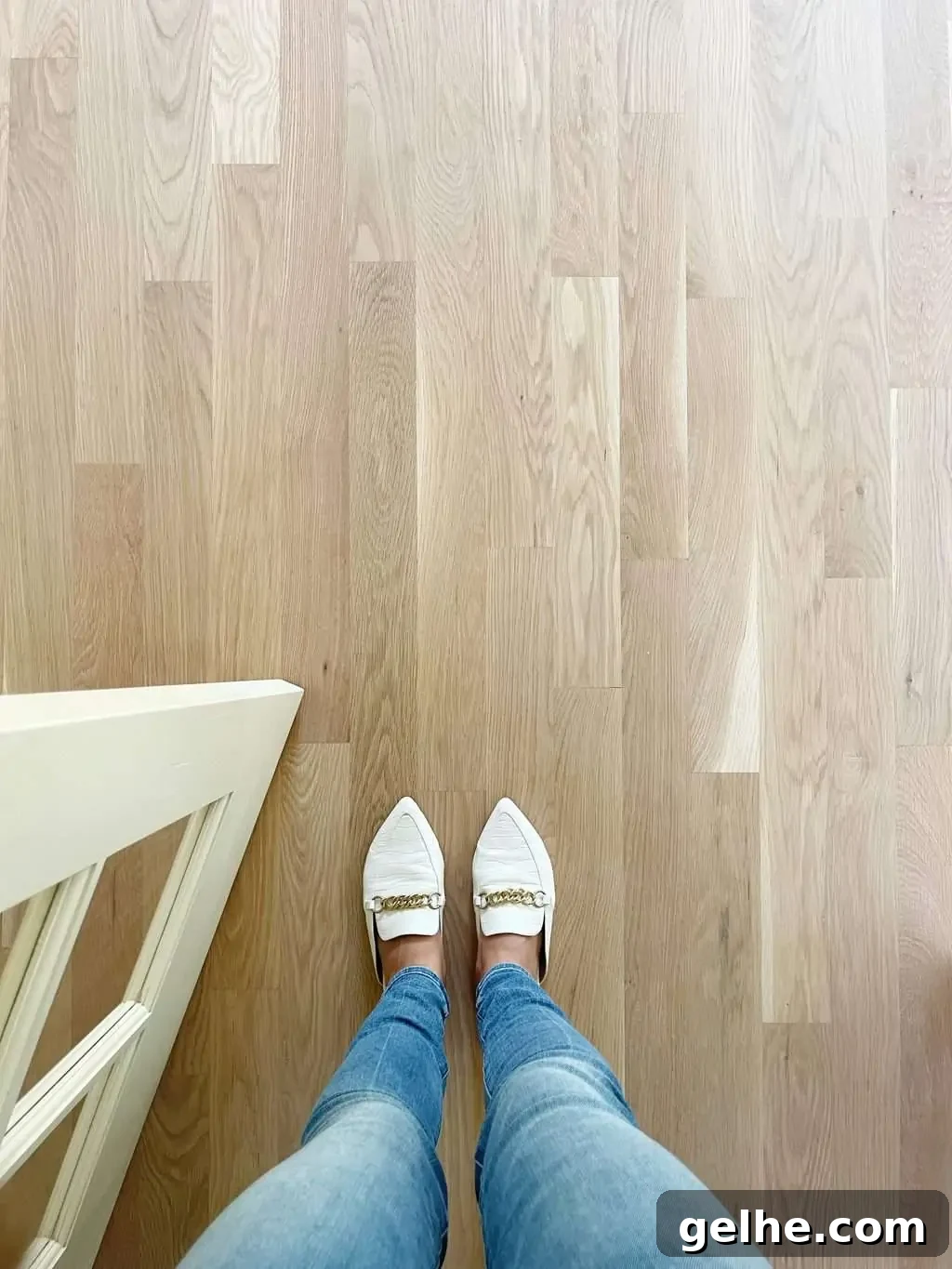
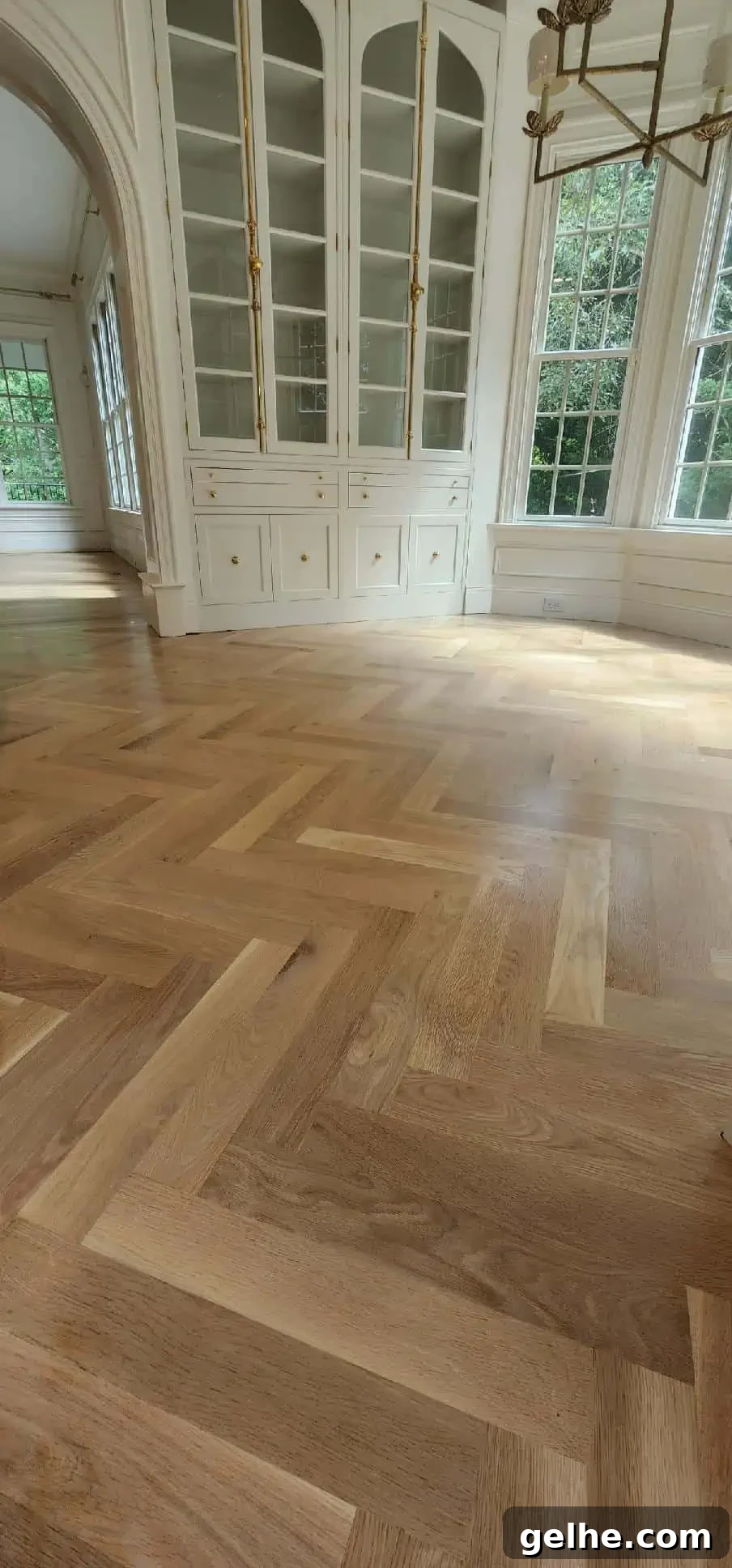
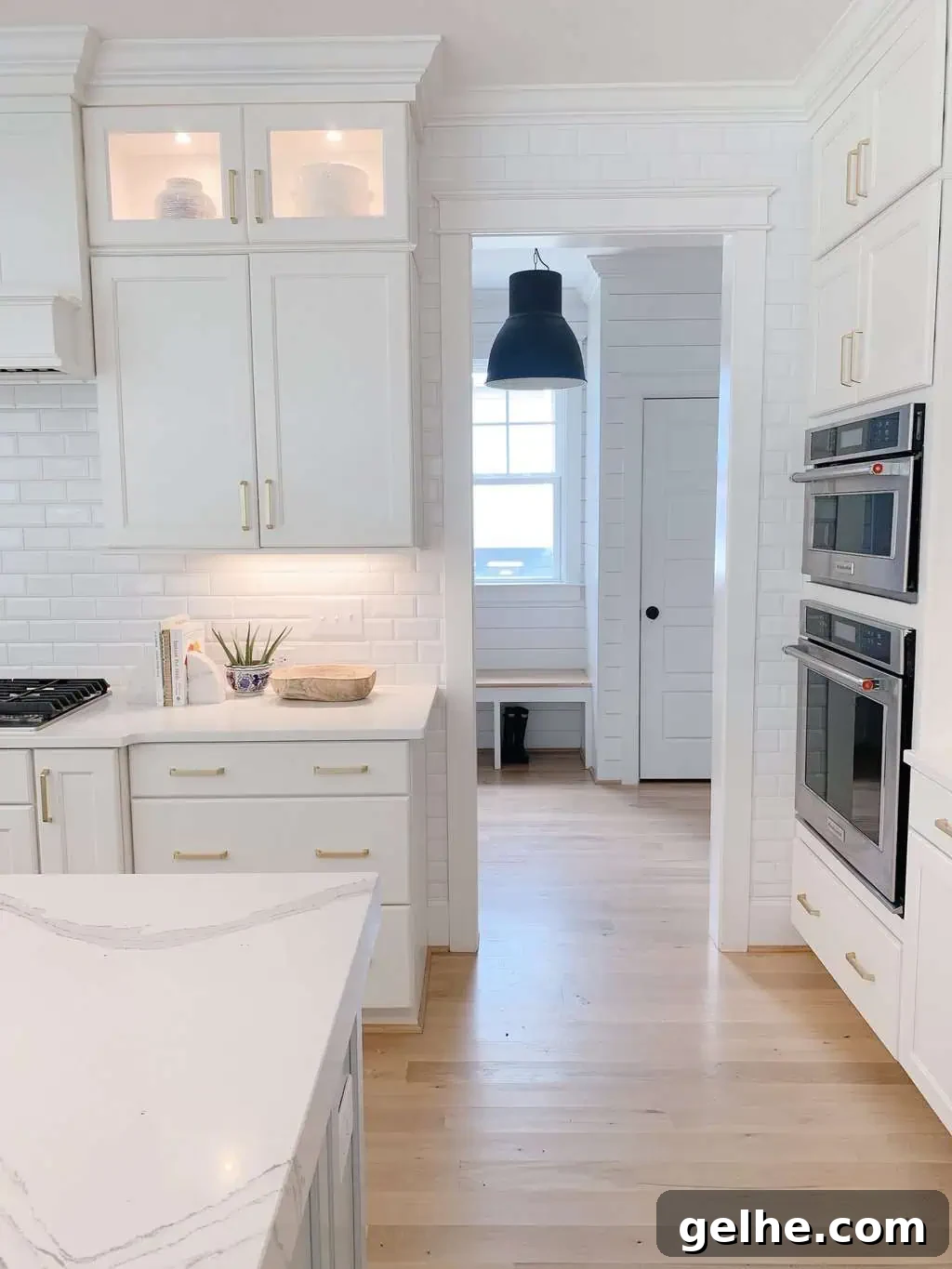
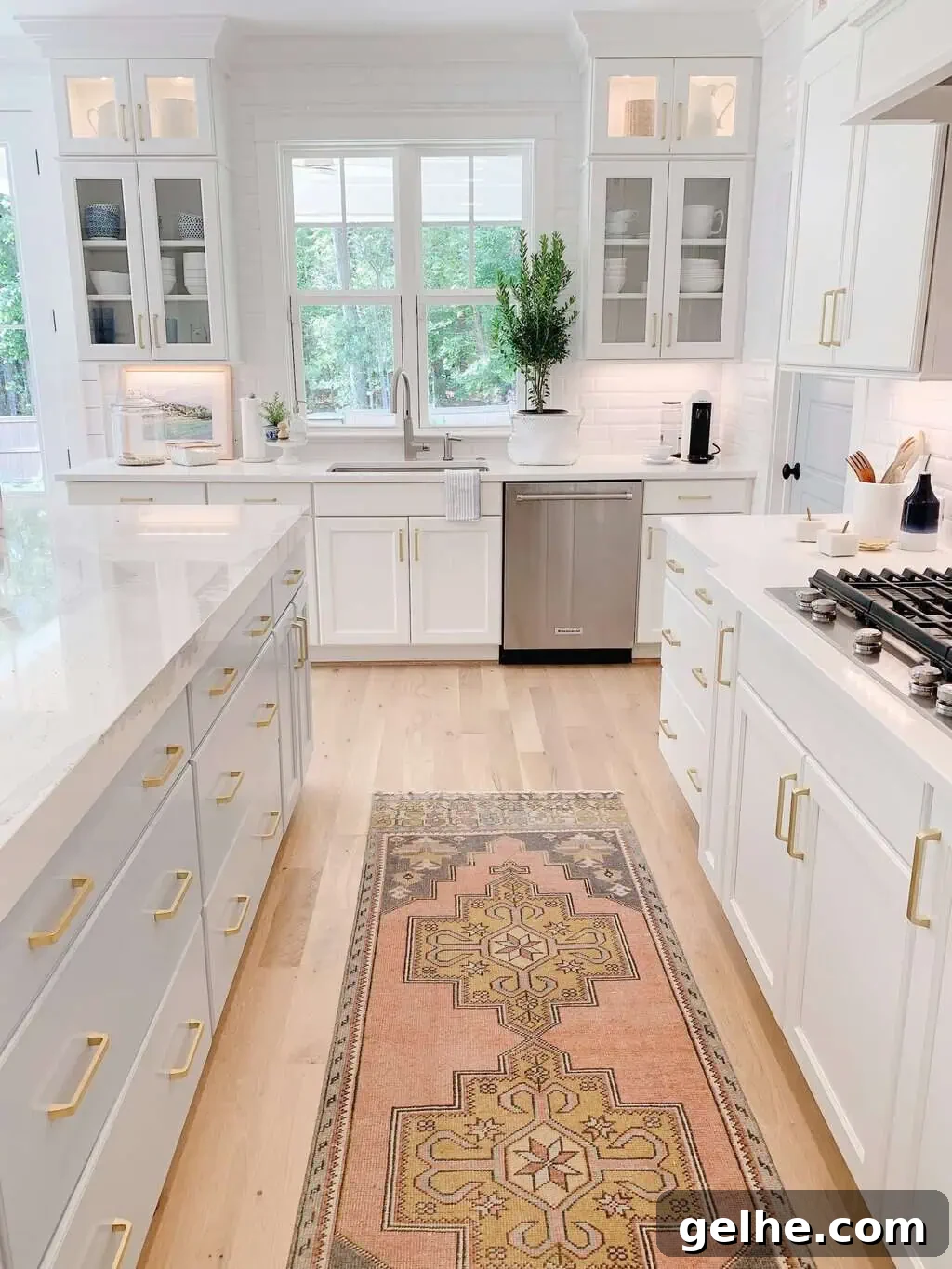
Below you can see rooms finished with the Bona waterborne system. The finish enriches the color slightly but preserves the natural look of the oak. If you appreciate the organic tone and grain of white oak, I highly recommend considering an unstained approach.
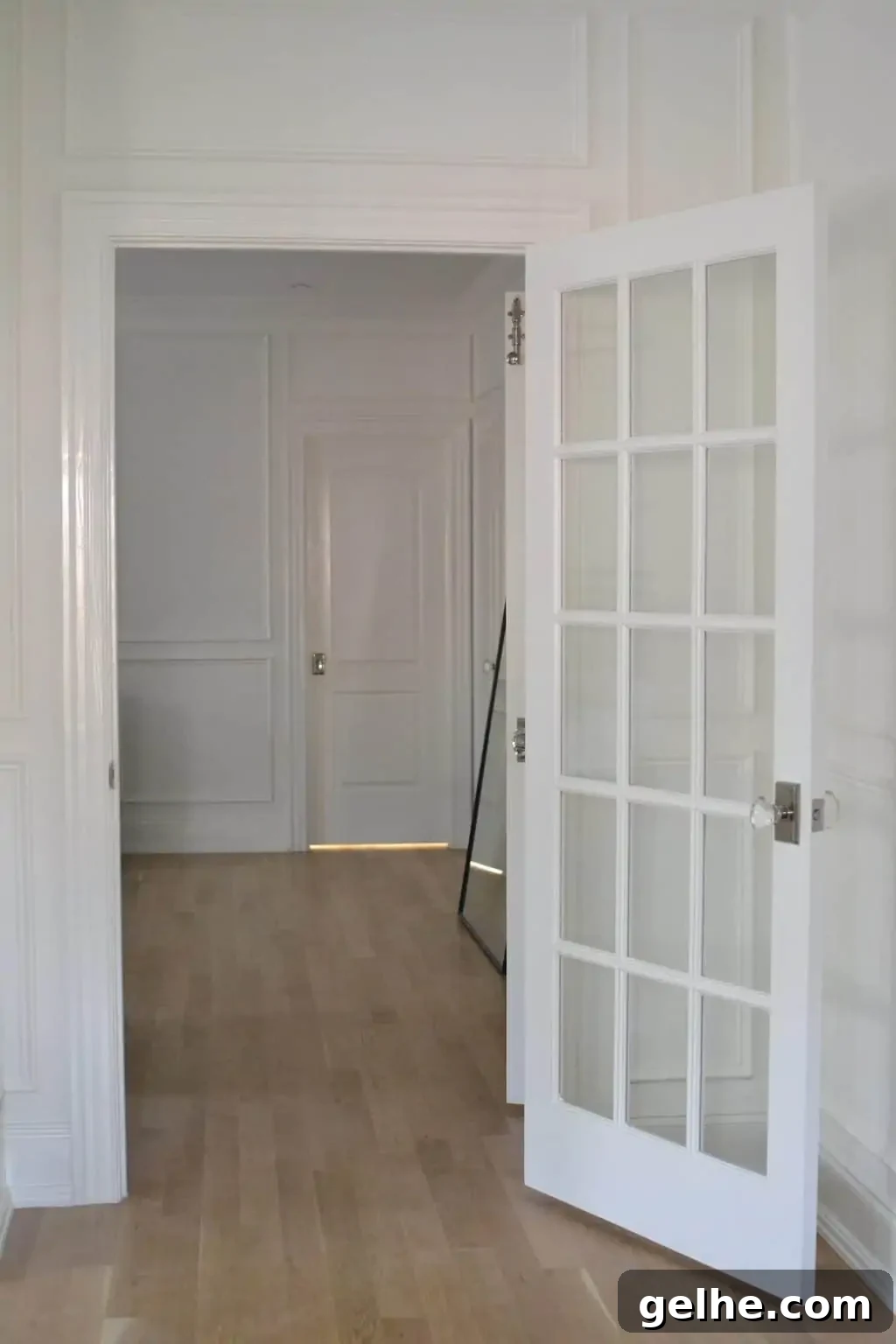
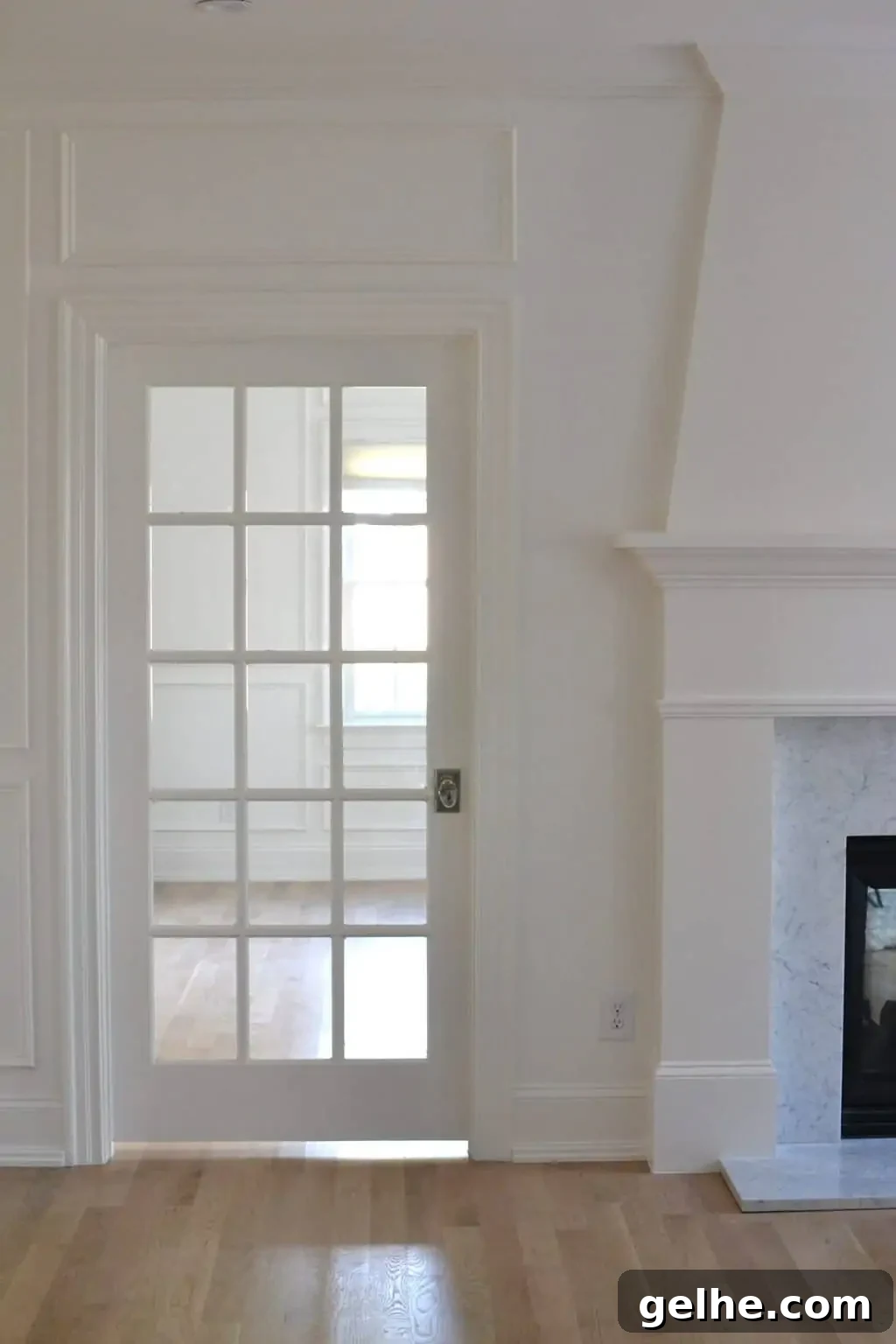
These images were taken during ongoing painting and construction, so the floors aren’t perfectly clean, but you can see the warm, natural color clearly.
What White Oak Stains To Avoid
If you’re unsure which stain to pick, avoid gray-toned stains. Gray floors have been trendy but can quickly feel dated and can make a room feel cool or sterile. Flooring is a long-term investment — choose tones that will remain inviting and timeless.
How To Prevent White Oak From Yellowing
We used an oil-based polyurethane in our new build and noticed the floors seemed to yellow over time. Oil-based finishes can amber with age, especially when exposed to sunlight. For our current home we chose a high-quality waterborne finish — Bona Traffic HD — which resists yellowing much better and has low VOCs and quick cure times. It’s durable for everyday life and pets, and we chose a satin sheen because it balances cleanability with a low-gloss appearance.
How To Clean White Oak Flooring
We vacuum regularly (without a beater bar), spot treat with a microfiber mop, and our cleaners run a damp mop every other week. For added shine and a fresh scent they use a hardwood polish designed for finished wood floors. Overall, these white oak floors have been easy to maintain.


We’ve been very happy with our white oak floors. With furniture pads and reasonable care they’ve held up well to life with four kids and a dog. They show some scratches and wear — as real wood will — but the natural beauty outweighs minor imperfections.
If you’re considering white oak flooring, work with a reputable installer who understands your vision and always test stain samples on-site before committing. If you’re local to North Carolina, we’ve used Frazee Floors for years and recommend them.
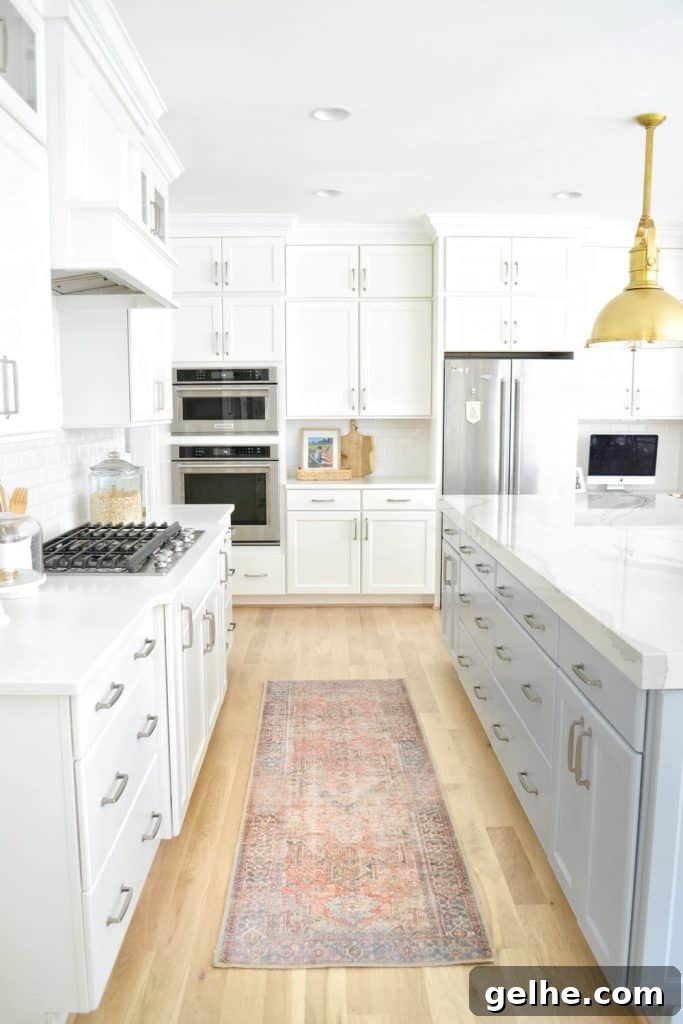
Kitchen Runner
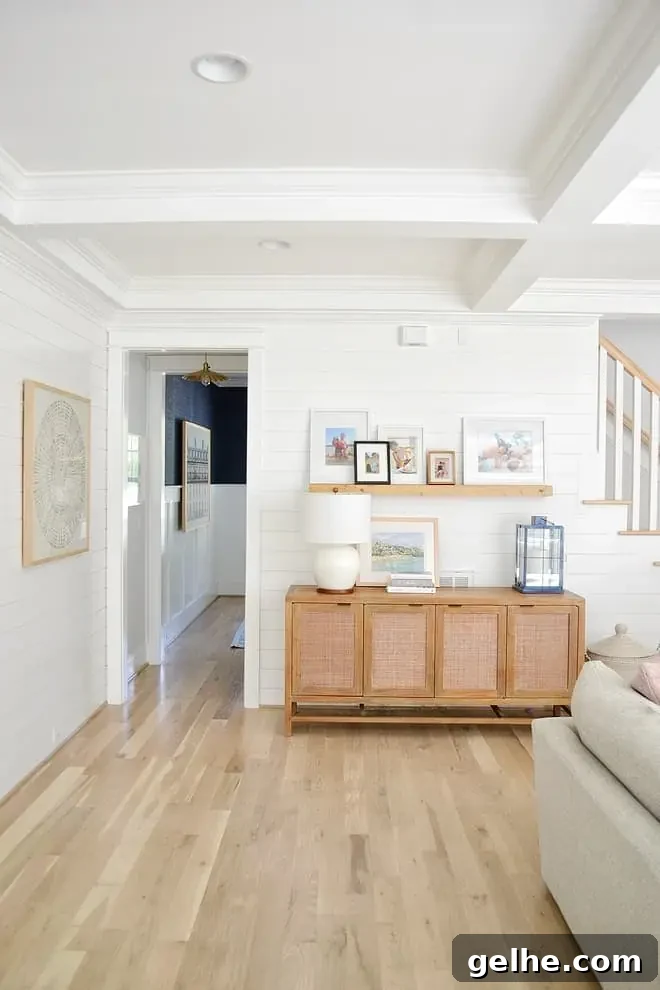
Shop: 4 Door Console | Wood Floating Shelf
Pin Now + Come Back Later:
You Will Also Love:
Using Red Oak Flooring

Our Blue And White Kitchen After Adding Brass Hardware

Building Our Home

How To Choose Checkered Flooring

Extra White by Sherwin Williams In Our Home