Today’s Post
On this blog we enjoy sharing Scandinavian traditions that extend beyond baking and cooking. We have written often about Christmas and Easter and their many customs, which you can view in our culture archives. Today we turn to a holiday that arrives at the end of May: Pinse. Known in English as Pentecost or Whitsun, Pinse is the third most important Christian holiday in many Scandinavian countries, after Christmas and Easter. While it inspires fewer formal customs than those larger festivals, it falls at a pleasant time of year and is often treated as an opportunity to enjoy spring weather and family time.
Many holidays celebrated in Scandinavia are also observed elsewhere, so some aspects of Pinse may feel familiar. Our focus here is to highlight the distinctive Scandinavian ways people mark the day. That perspective helps preserve regional culture and gives practical ideas for anyone curious about Nordic seasonal rhythms. I’ve found that understanding the origins and local variations of holidays often makes them more meaningful, and I hope this post gives you a clear, down-to-earth picture of how Pinse is experienced in Denmark, Norway, and Sweden.
What is Pinse?
Pinse corresponds to Pentecost in English and falls on the seventh Sunday after Easter, so its date changes each year depending on Easter’s timing. It celebrates the biblical event of the Holy Spirit descending on Jesus’ disciples. Historically, this Christian observance has links to the Jewish harvest festival of Shavuot, which took place around the same season. In modern Scandinavia the holiday often carries both religious and cultural meaning; some people attend church services, while many others treat Pinse primarily as a seasonal break and a chance to spend time outdoors with friends and family.
Pinse Traditions in Scandinavia
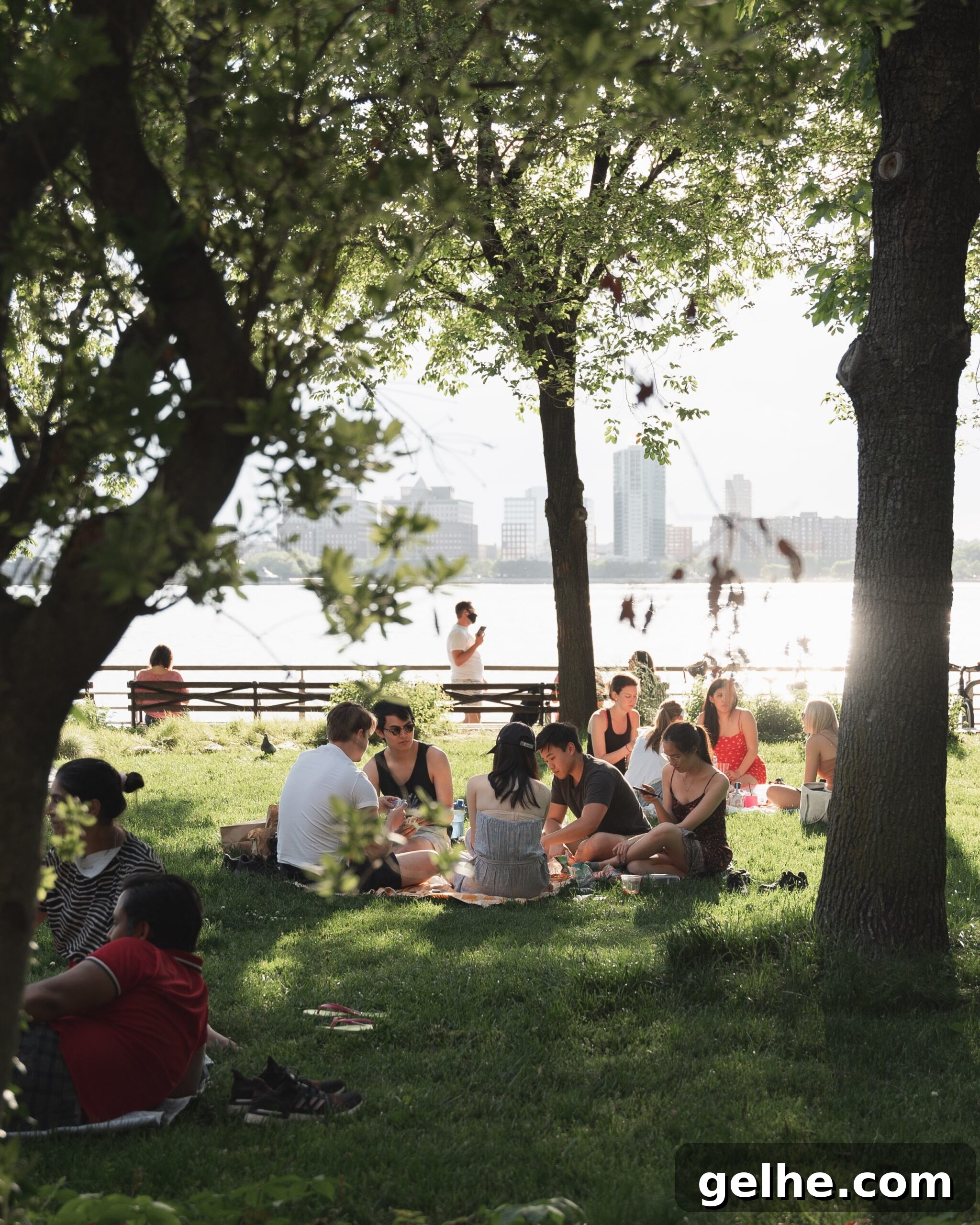
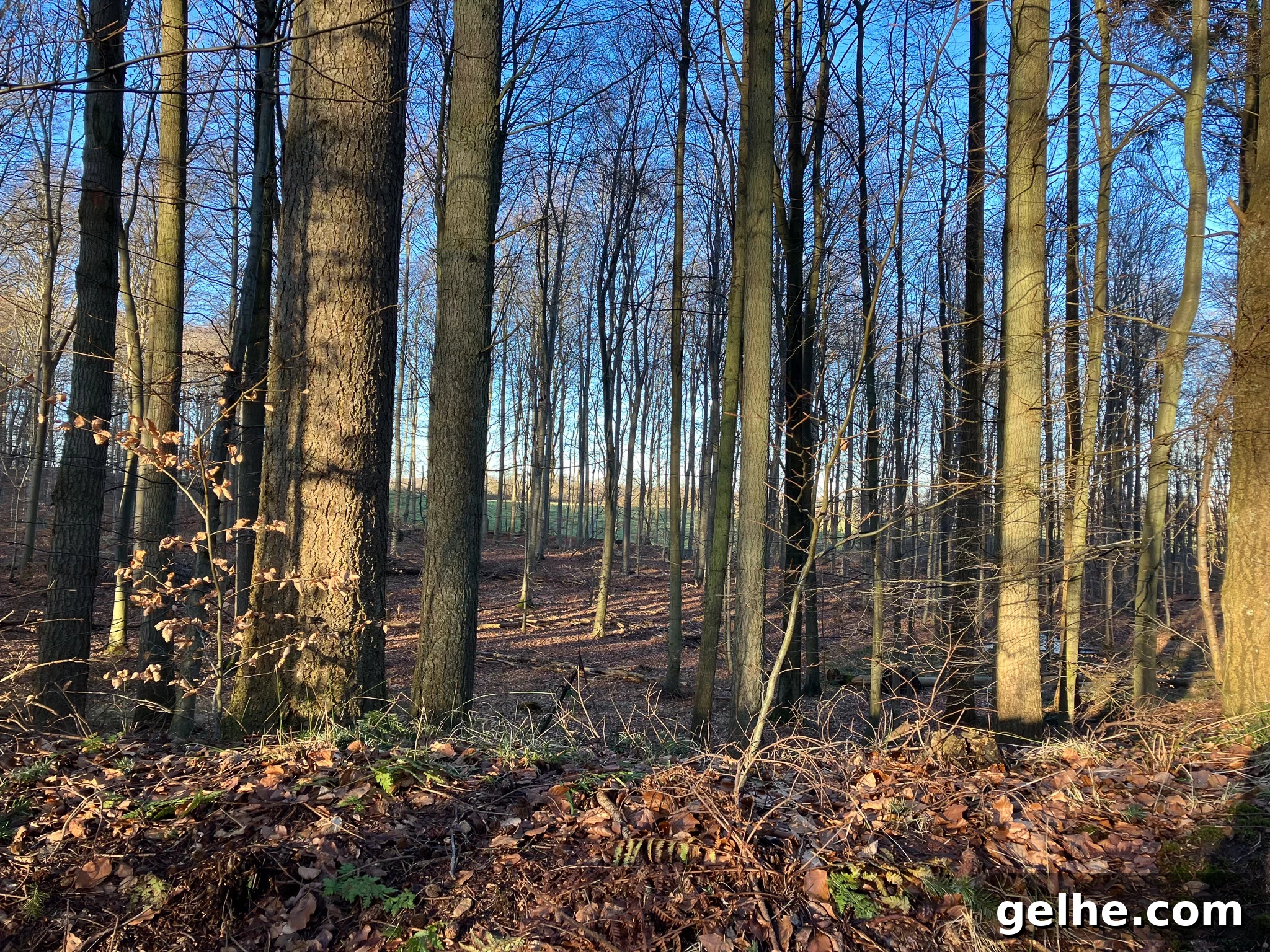
Compared with Christmas and Easter, Pinse is relatively low-key in Scandinavia. There are fewer fixed rituals, but several common practices recur across the region. In Denmark, Pinse often creates a long weekend; many Danes enjoy a three-day break and use the time for short trips, outdoor activities, or family reunions. A typical family gathering might include a long walk through the woods followed by an outdoor picnic, a time-honored way to welcome spring and make the most of warmer weather.
In Norway and Sweden the tone is similar: informal and centered on nature. Seafood and fish dishes frequently appear at Pinse meals, and in some places people light bonfires to mark the occasion. For many, the holiday is less about formal observance and more about a communal pause—spending time with relatives, enjoying rural landscapes, or getting away to a summer cottage. Local customs vary by community and family, but the emphasis on fresh air, simple food, and togetherness is a common thread.
Because Pinse arrives as spring moves toward summer, it also signals a seasonal shift in daily life. Gardens begin to fill out, outdoor dining becomes comfortable, and people feel encouraged to slow down and appreciate the natural world. Even when the religious dimension is not central, the holiday offers a chance to mark that seasonal renewal with friends and loved ones.
Practical Ways to Celebrate
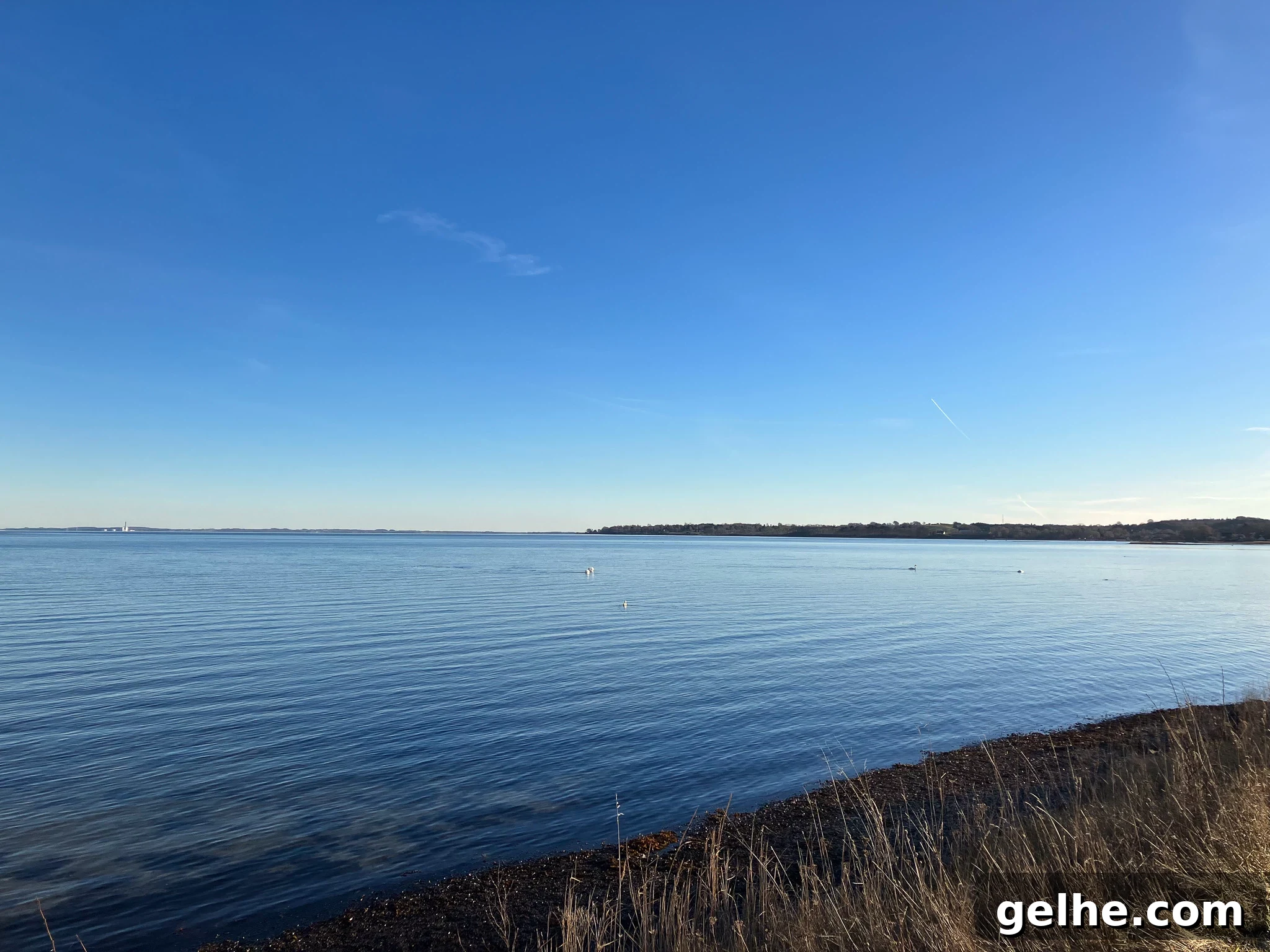
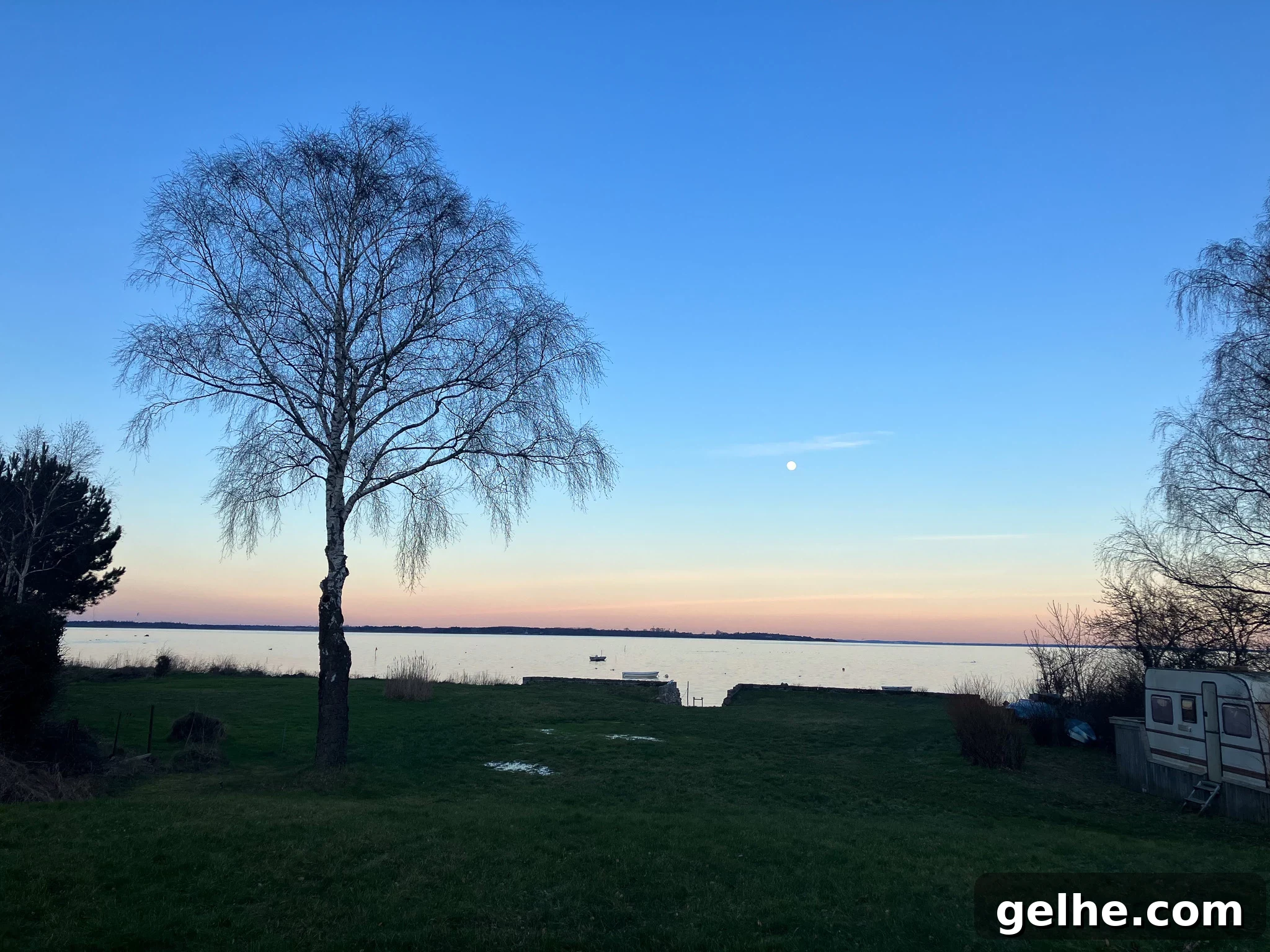
If you want to experience Pinse in a Scandinavian spirit, consider these low-effort ideas: organize a woodland walk followed by an outdoor meal, prepare simple fish dishes or a shared picnic, visit a nearby coastline or fjord, or spend a quiet day at a summer house with family. Churches hold services for those interested in the religious aspects, but many people simply use the day for rest and recreation.
Thanks for Reading!
Pinse may be quieter than other major holidays, but it offers a gentle and meaningful pause as spring turns to summer. Learning about its origins and the modest ways Scandinavians celebrate can inspire anyone to appreciate nature and time with family. Thank you for reading—please leave a comment if you have memories or observations about Pinse to share.