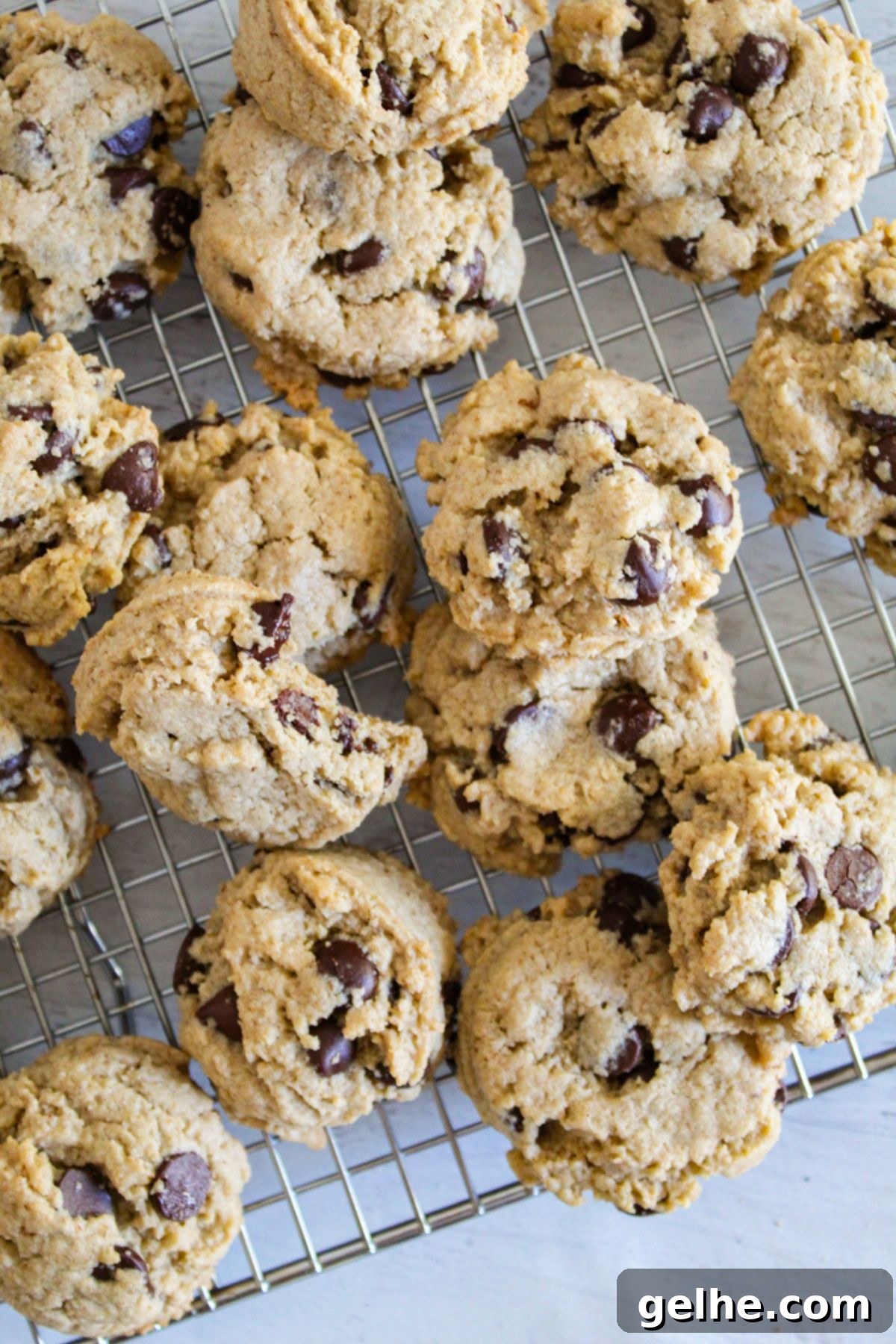
If your oatmeal flour chocolate chip cookies have ever turned out dry, crumbly, or disappointing, you’re not alone. Oat flour behaves differently than wheat flour, but when handled correctly it yields soft, chewy cookies with a nutty depth that regular flour can’t match.
A truly great chocolate chip cookie is buttery, with crisp, golden edges and a soft, slightly gooey center studded with plenty of chocolate. This gluten-free recipe achieves those qualities while remaining simple and reliable.
Table of Contents
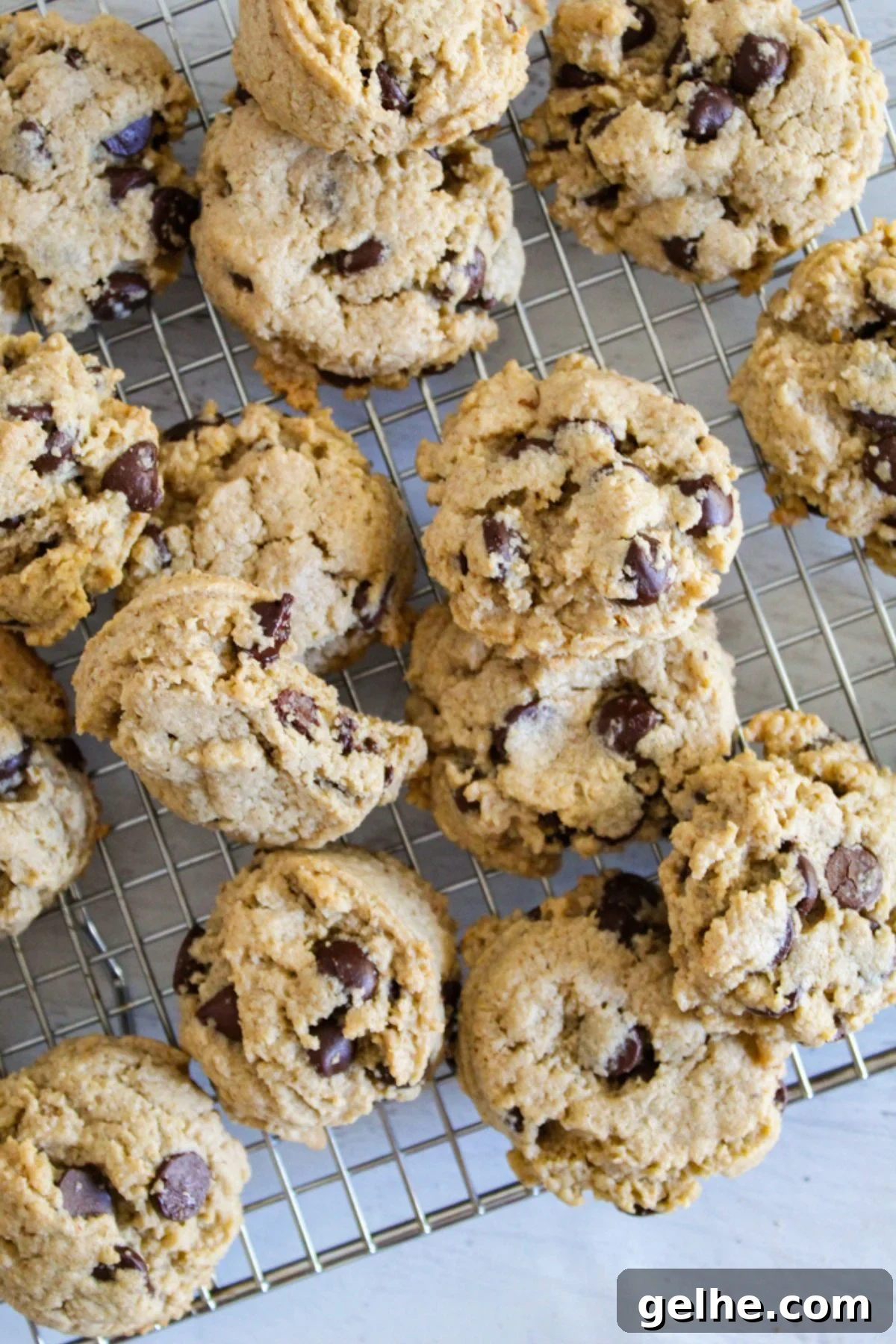
This guide explains the common pitfalls when baking with oat flour and offers practical adjustments to produce bakery-quality gluten-free cookies every time. Read on to learn easy techniques, ingredient roles, and troubleshooting tips so your cookies are consistently soft, chewy, and flavorful.
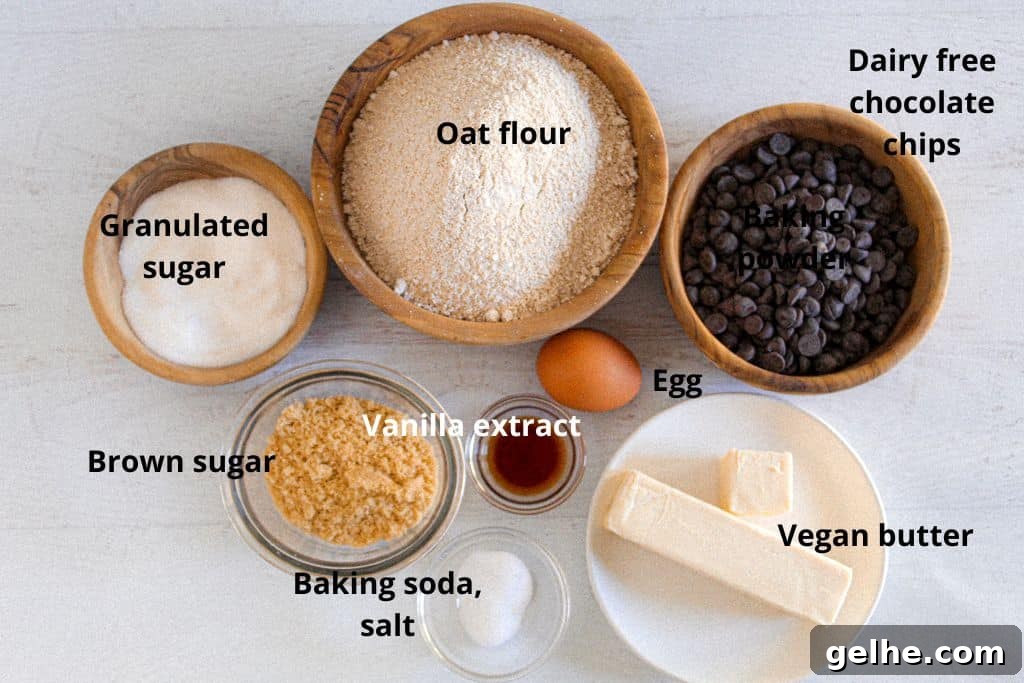
Ingredient Quick Scan List
These are the essentials you’ll need to make oat flour chocolate chip cookies that are tender inside and crisp at the edges:
- Oat Flour
- Butter (or vegan butter)
- Baking soda
- Brown sugar
- Granulated sugar
- Salt
- Eggs (or egg substitute)
- Pure vanilla extract
- Dairy-free or regular chocolate chips
Ingredients & Substitutions
Knowing why each ingredient matters helps you make smart swaps and avoid problems. Below is a concise explanation of each component and reasonable alternatives.
Oat Flour
Oat flour provides structure and texture but absorbs more liquid than wheat flour. It’s the backbone of this recipe; swapping it for another flour will change the outcome. If you make your own oat flour, sieve it well for a smoother texture.
Vegan butter
Butter contributes richness and tenderness. Creamed with sugar it traps air for a lighter crumb. You can use dairy butter or ghee; note ghee spreads less so chilling is less necessary.
Baking Soda
Baking soda creates tiny air pockets as it reacts, helping cookies spread and develop a soft center with crisp edges. Substituting with baking powder will alter rise and flavor.
Brown Sugar
Brown sugar adds sweetness and moisture, keeping cookies chewy and caramel-like. Coconut or maple sugar can be used, but expect a darker color and a different caramel note.
Granulated sugar
White sugar encourages browning and spread, producing crisp edges. Neutral granulated alternatives will work, but texture and browning may vary.
Salt
Salt balances sweetness and enhances the flavors of butter and chocolate. If using iodized salt, slightly reduce the amount to avoid over-salting.
Eggs
Eggs bind the dough and add protein and fat for a chewy center. Flax or chia “eggs” can replace real eggs for vegan versions, but expect a slightly softer texture.
Pure vanilla extract
Vanilla rounds out sweetness and blends with butter and chocolate to make the flavor harmonious.
Dairy-free chocolate chips
Dairy-free or dark chocolate chips pair well with oat flour’s nuttiness. You can also use semi-sweet chips, chocolate chunks, or chopped chocolate bars for bigger pockets of chocolate.

Printable Oatmeal Flour Chocolate Chip Cookies Recipe Card
Ingredients
- 2¼ oat flour about 275 grams
- 10 Tbsp. vegan butter
- ½ cup brown sugar about 50 grams
- ½ cup granulated sugar about 100 grams
- 1 large egg
- 1½ tsp vanilla extract
- ¾ tsp baking soda
- ¼ tsp salt
- 2 cups dairy-free chocolate chips about 250 grams
Instructions
Cream Fats & Sugars
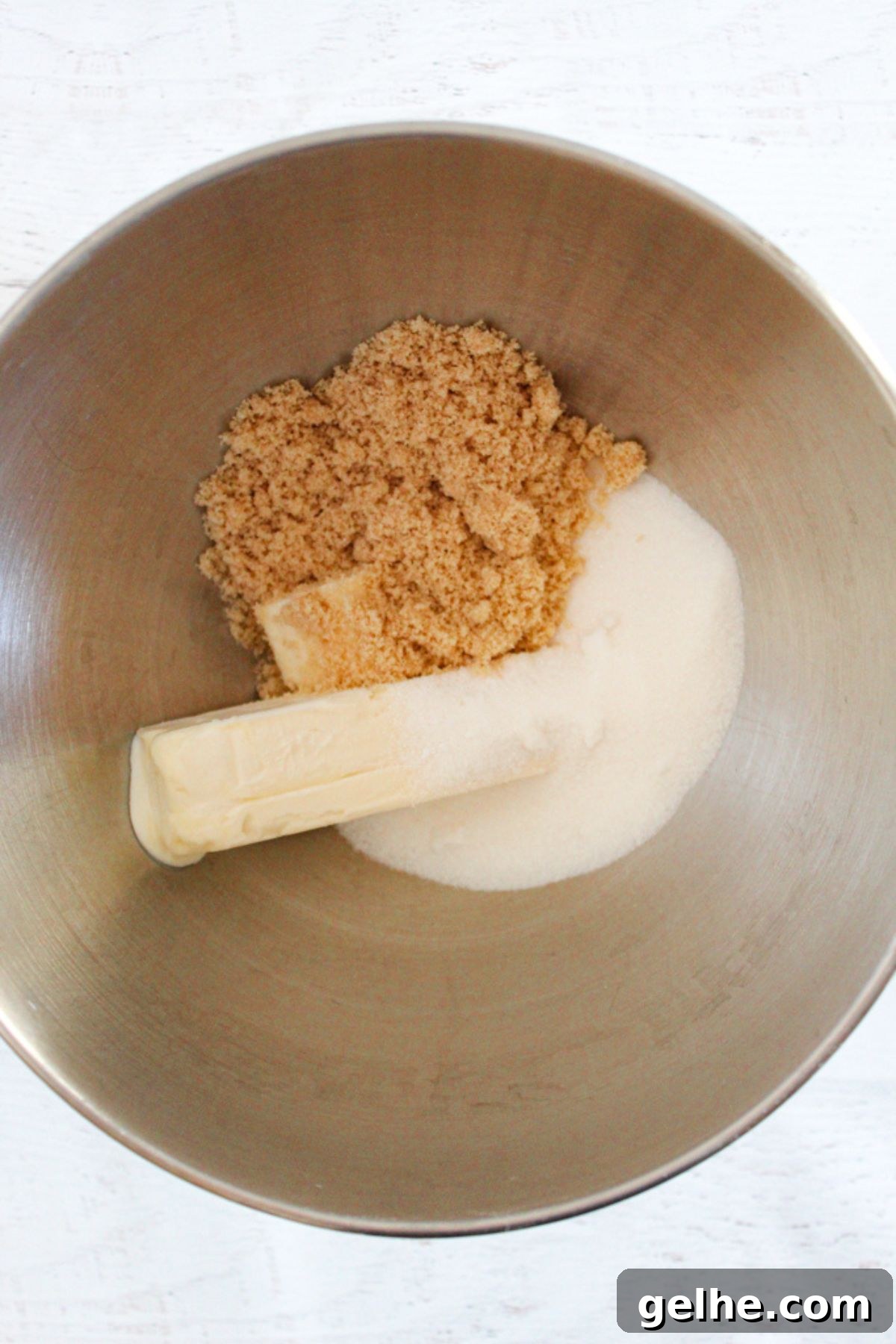
- In a mixer bowl, cream the butter with the sugars. Beat for at least 30 seconds to fully incorporate.
Add Eggs & Vanilla
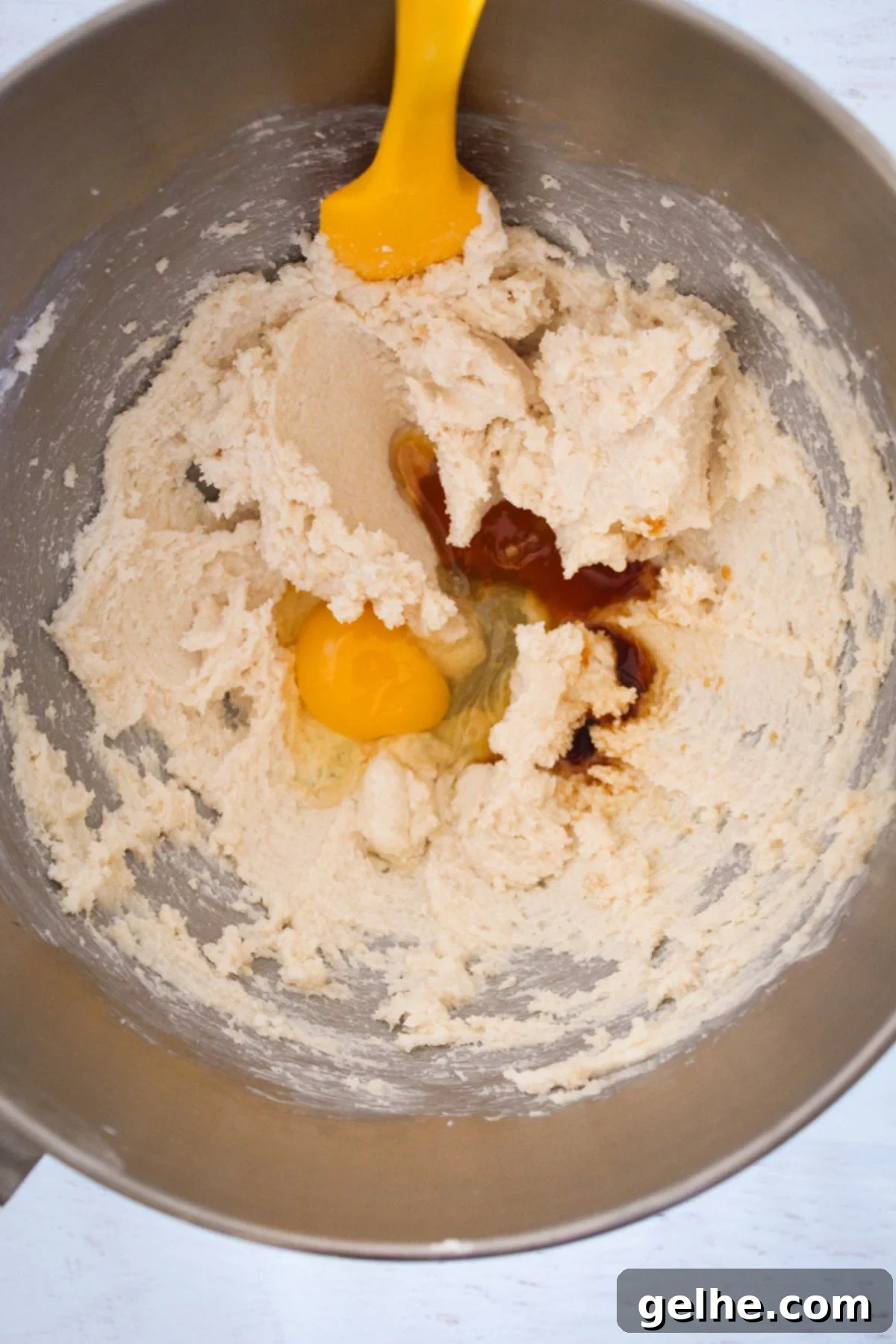
- Add the egg and vanilla extract to the sugar mixture and beat for another 30 seconds.
Incorporate Flour
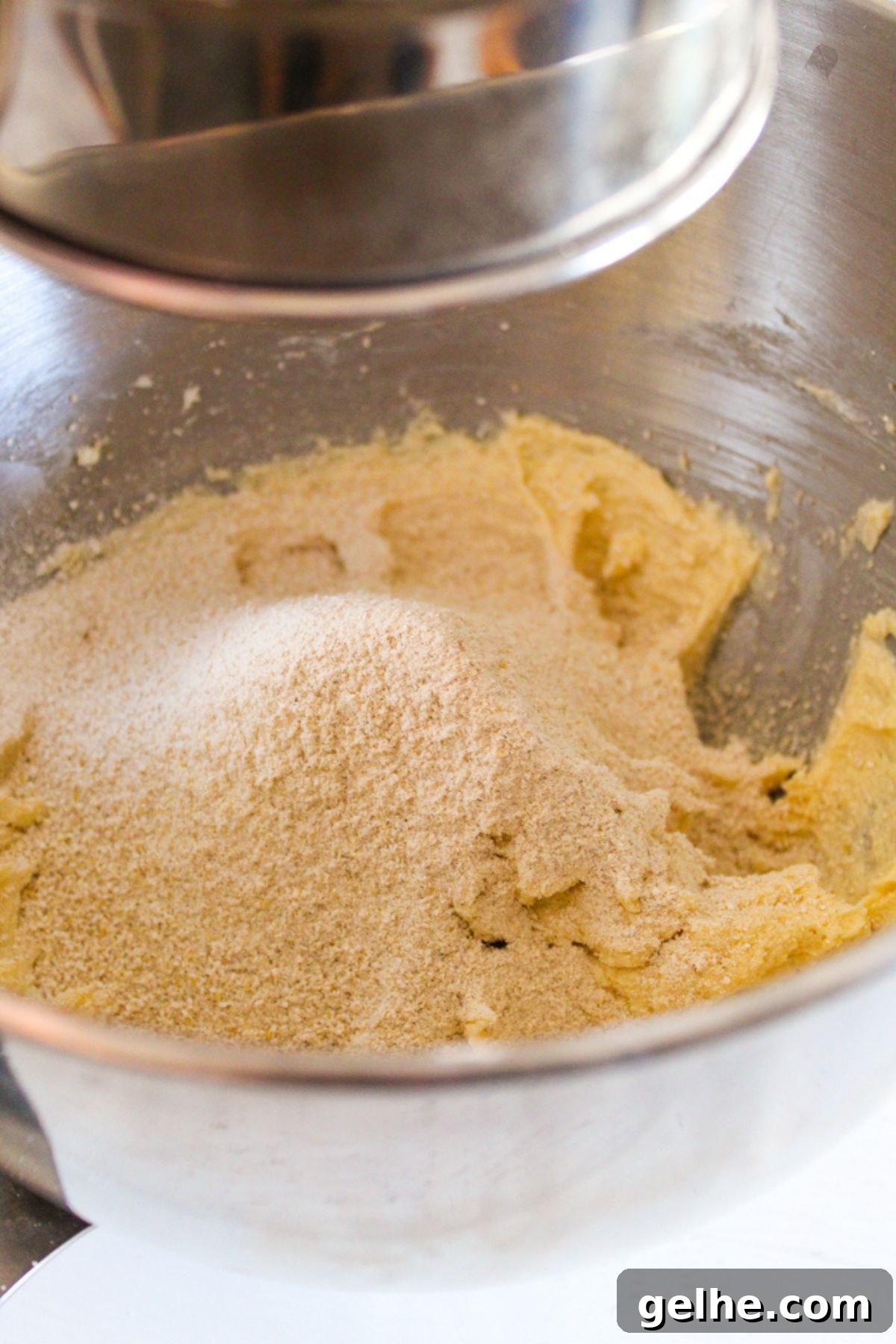
- Sift half the flour with baking soda and salt into the butter mixture. Add the remaining flour and sift again.
Mix more
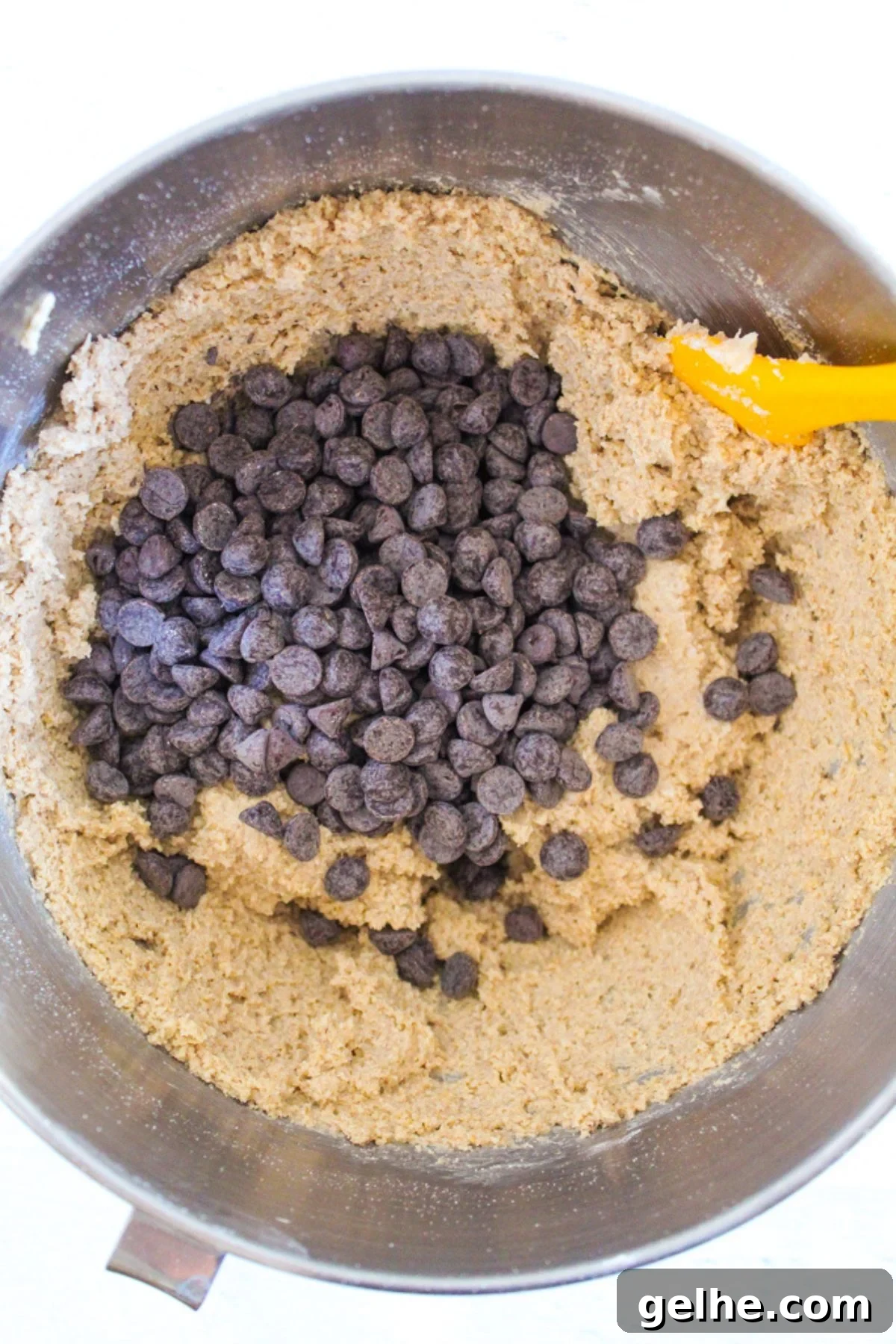
- Mix on low for 20 seconds, scrape the bowl, then mix on medium for 2 minutes. Stir in the chocolate chips.
Chill the batter
- Place the batter in an airtight container and refrigerate for at least 3 hours to let the oat flour hydrate and the mixture bind.
Prepare the oven
- Line two cookie sheets with parchment paper and preheat the oven to 350°F. Portion the dough into 1.5 teaspoon scoops. Smooth the balls and press a few extra chips on top if desired.
Bake
- Bake for 10–12 minutes, or until edges are golden and centers still look slightly soft. Cool on the sheet for 5 minutes, then transfer to a wire rack.
Notes
- Sift the oat flour for a finer, softer cookie texture.
- Use room-temperature butter for best creaming results; allow about 30–45 minutes at room temperature.
- Weigh ingredients when possible for consistent results.
- Mix light brown and granulated sugar for balanced sweetness and texture.
- Chill dough to reduce spreading; you can also chill scooped dough for 30–60 minutes before baking.
Nutrition Estimate (Per 1 Cookie)
- Calories: 119 kcal
- Carbohydrate: 12–14 g
- Protein: ~2 g
- Total Fat: ~6–7 g
- Sugar: ~6–7 g
Storage Notes
Allow cookies to cool completely, then store in an airtight container at room temperature for up to 4–5 days. Freeze for up to 3 months for longer storage.
Did you make and love this recipe? Give it your review and rating below!
Why You’ll Love These Oatmeal Flour Chocolate Chip Cookies
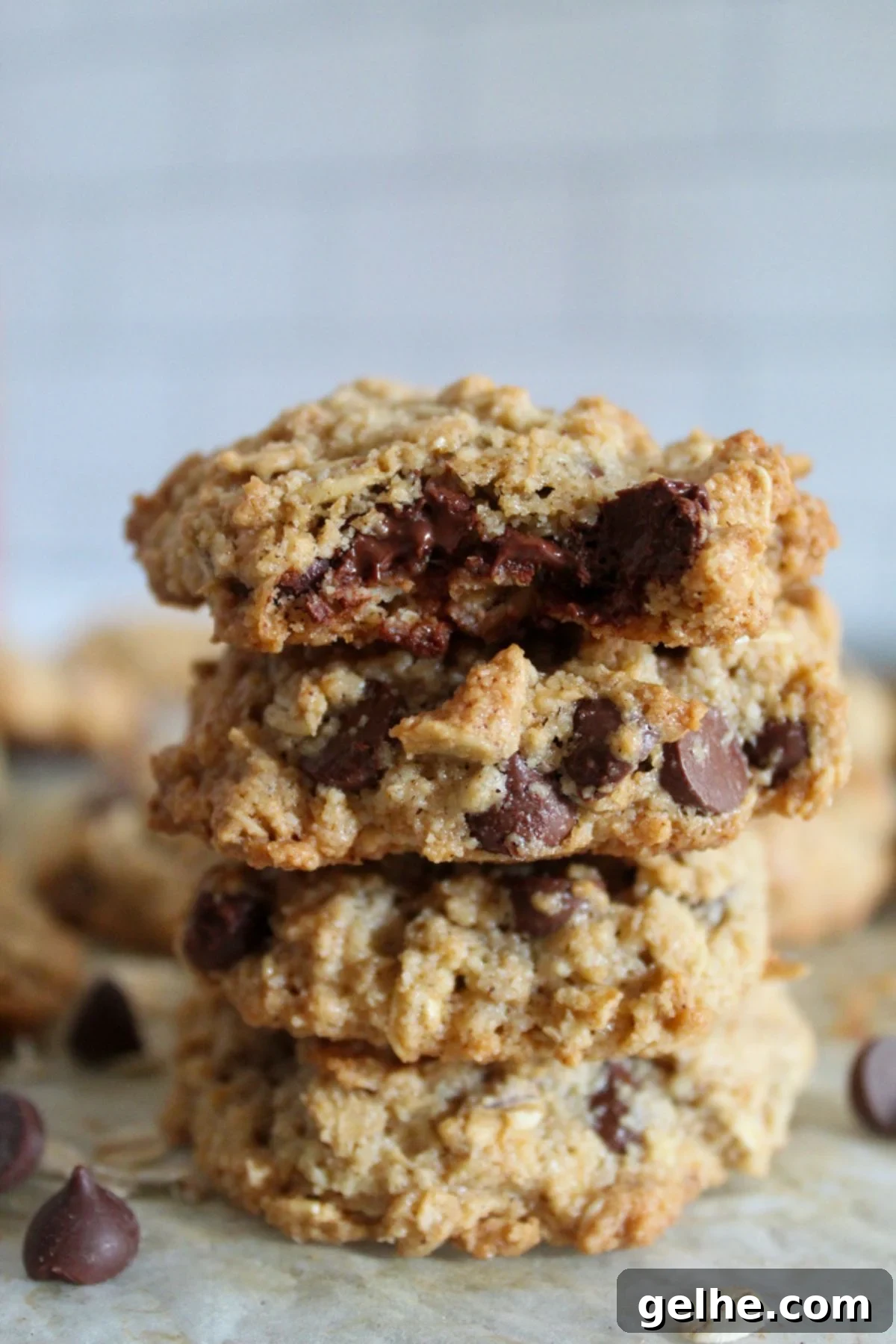
This recipe strikes the comfort-cookie balance: soft, chewy, and rich, with a wholesome oat twist. The oat flour yields a thick, almost fudgy center while the edges stay lightly crisp, and pockets of chocolate balance the nutty flavor without overpowering it.
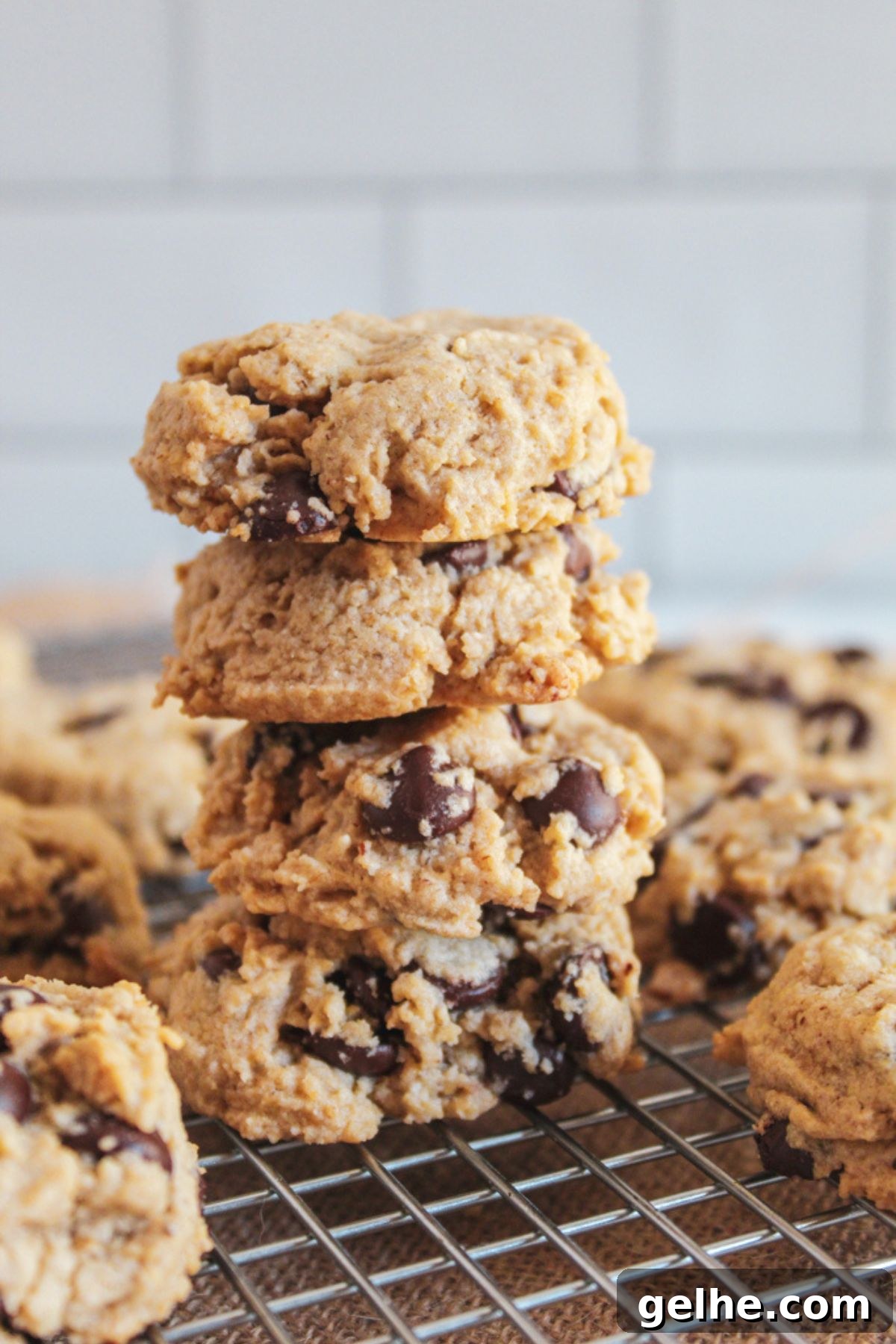
The ingredients are easy to source, the method is straightforward, and the result is a comforting, home-baked cookie that works for gluten-free diets without sacrificing texture or flavor.
What Makes Oatmeal Flour Different in Baking?
Oat flour differs from wheat flour in ways that affect texture, flavor, and liquid balance. Understanding these differences helps you predict and control the final cookie.
Texture
Oat flour contains little to no gluten, so it won’t produce the same airy structure as wheat flour. Binders like eggs, psyllium, or xanthan gum help provide chew and cohesion.
Flavor
Oat flour brings a subtle, naturally sweet oat flavor that complements brown sugar and chocolate very well.
High water absorption
Oat flour soaks up more liquid, which can make baked goods moist but requires careful hydration and sometimes a touch more fat or resting time to hydrate fully.
Nutritional Benefits
Oat flour adds fiber, protein, and B vitamins compared with refined wheat flour, giving your cookies a more nourishing profile.
How to Make Gluten-Free Cookies With Oatmeal Flour
Follow these steps for consistent results: cream butter and sugars, add egg and vanilla, sift in oat flour with baking soda and salt, mix briefly, fold in chocolate chips, chill, portion, and bake until edges are golden.
Essential Kitchen Tools
A few basic tools simplify the process and improve consistency:
- Mixing bowls
- Rubber or silicone spatula
- Electric hand mixer or stand mixer
- Measuring cups, spoons, or a kitchen scale
- Cookie scoop for even portions
- Baking sheets and parchment paper
- Cooling rack
Step 1: Cream The Butter and Sugar
Cream the butter with granulated and brown sugar until smooth and slightly pale, about 30 seconds to a minute.
Step 2: Incorporate Egg & Vanilla Extract
Add the egg and vanilla and mix until combined.
Step 3: Add Flour, Baking Soda & Salt
Sift half the oat flour with baking soda and salt into the butter mixture, then add the rest and sift again. Mix briefly on low, scrape, then mix on medium for two minutes.
Step 4: Fold In The Chocolate Chips
Fold the chocolate chips in gently, place the dough in an airtight container, and refrigerate for at least three hours to hydrate the oat flour and firm the butter.
Step 5: Preheat The Oven and Prepare The Pan
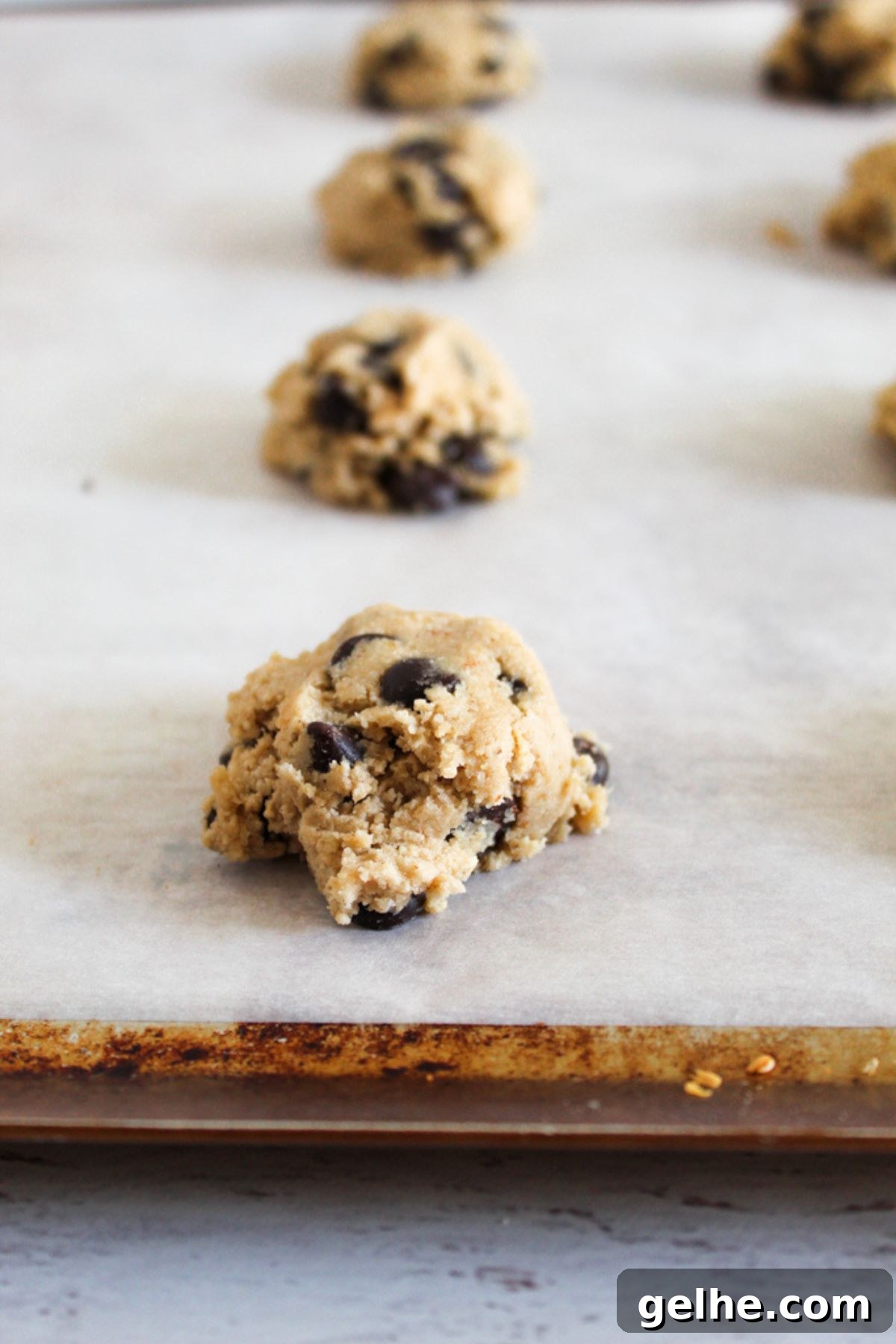
Preheat to 350°F and line baking sheets with parchment. Portion the dough, space pieces about 2 inches apart, and flatten the tops slightly so they bake into flat, bakery-style cookies.
Step 6: Bake The Cookies
Bake 10–12 minutes. Look for light-brown, set edges and centers that still appear slightly soft.
- Edges are light brown and set
- Centers still look a bit soft
Step 7: Let The Cookies Cool
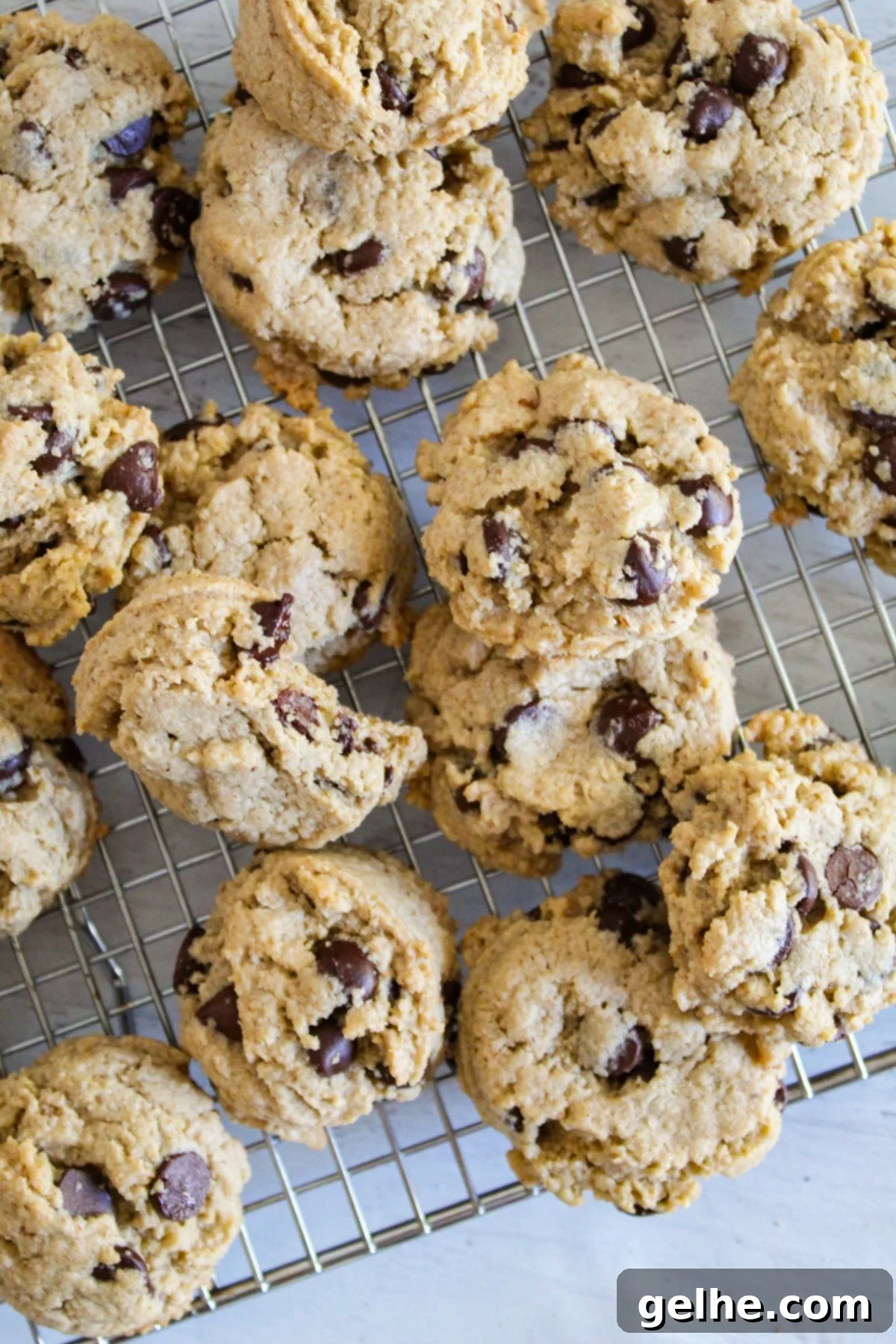
Cool on the sheet for five minutes, then transfer to a wire rack to finish cooling so centers set without steaming.
Pro Tips for Perfect Oatmeal Flour Chocolate Chip Cookies
Key tips to keep your cookies consistent and delicious:
- Use certified gluten-free oat flour if needed for sensitivity.
- Weigh ingredients for accuracy—oat flour is unforgiving when over-measured.
- Bring ingredients to room temperature for better creaming.
- Sift oat flour for a lighter texture.
- Chill the dough to prevent excess spreading.
- Flatten dough slightly before baking since oat flour cookies spread less.
- Add extra chips on top for a bakery look.
- Let cookies cool on the sheet for 5 minutes before transferring.
Refrigeration helps the butter firm and lets the oat flour hydrate, both of which improve texture and reduce over-spreading.
Best Flavor Variations
Once you have the base dough, try these mix-ins to vary flavor and texture while keeping the same reliable method:
- White chocolate for a creamy contrast
- Dried fruit like raisins or cranberries with a pinch of cinnamon
- Chopped nuts (walnuts, pecans, almonds) for crunch
- Seeds (chia, flax, sunflower) for texture
- Warm spices (cinnamon, nutmeg, or pumpkin-spice) for seasonality
- Swap part of the chips for salted caramel or butterscotch chips
- Add 2–3 tbsp nut butter for a peanut- or almond-butter twist
- Drizzle extra nut butter or melted chocolate over cooled cookies for decadence
How to Store & Reheat Your Cookies
Proper storage preserves texture and flavor. These methods work well for dough or finished cookies.
Making Ahead
You can prepare dough up to 3 days ahead. Bring refrigerated dough to room temperature for 30 minutes before scooping and baking.
Freezing Dough
Freeze scooped dough on a tray until solid, then transfer to a bag or container. Thaw 30–45 minutes on a baking sheet before flattening and baking.
Storing Cookies
After cooling completely, store cookies in an airtight container at room temperature for up to 4–5 days, or freeze for up to 3 months.
Frequently Asked Questions (FAQs)
Answers to common concerns about baking with oat flour:
Can I use homemade oat flour?
Yes. Homemade oat flour works, but it can be coarser and less consistent. Sift it well for best results.
Why do I have to chill cookie dough?
Chilling firms the butter and hydrates the oat flour, which prevents excess spreading and improves texture.
Can I make them refined sugar-free?
Yes—swap sugars for coconut sugar or another unrefined option, but expect darker color and a different flavor and spread.
Why didn’t my cookies spread?
Over-measuring oat flour is the most common reason. Use a scale or the scoop-and-level method to measure accurately.
Can I make these cookies egg‑free or vegan?
Yes. Replace each egg with a flax or chia “egg” or a commercial egg replacer. Texture will be slightly different but still enjoyable.
How long do these cookies last?
Stored in an airtight container at room temperature, they stay soft for about 4–5 days. Freeze for 2–3 months.
More Recipes for Gluten-Free Baking
If you enjoyed these cookies, try other gluten-free treats that use similar techniques and ingredients to get soft, tender results.
- A gluten-free banana cake
- Gluten-free pumpkin waffles
- Gluten-free pumpkin donuts
- Gluten-free strawberry shortcakes
- Gluten-free snickerdoodles
Let Us Hear About Your Cookies!
Tried this recipe? Leave a comment and tell us how your cookies turned out. Whether you followed the recipe exactly or added your own twist, your notes and tips can help others bake a better batch.