
This simple, delicious cake is ideal for orange lovers. The batter and glaze are richly flavored with fresh orange, and the cake keeps well for several days. Its tender, melt-in-your-mouth crumb is similar to a moist pound cake.
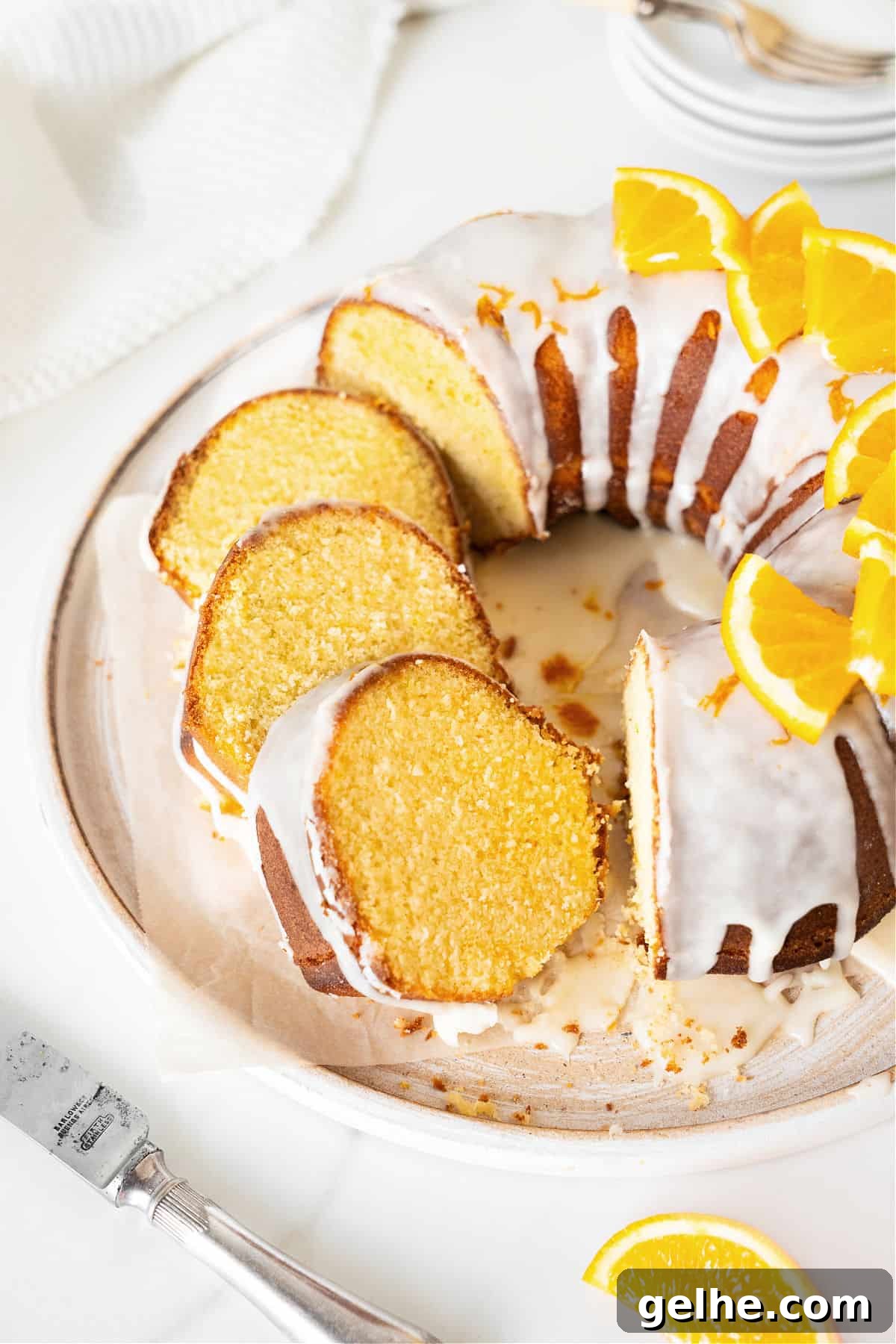
For orange lovers
We love both bundt and orange cakes, so this recipe is a natural addition to our bundt and pound cakes collection.
- Triple orange flavor: zest, fresh orange juice, and an orange glaze deliver bright, layered citrus notes.
- Exceptional crumb: tender and melt-in-your-mouth, just what you want in a pound-style cake.
- Make ahead: stores well for several days and freezes nicely for a month or longer.
- Versatile base: use it as the foundation for variations like orange-cranberry pound cake.
FAQ
Yes—the main difference is the pan. A bundt pan’s shape affects how the cake bakes and releases, though many batters work in either style.
Follow a reliable recipe, avoid overbaking, and store the cooled cake covered at room temperature for a couple of days or in an airtight container. Because a bundt pan exposes more batter to the pan surface, check doneness early and remove once a tester comes out clean.
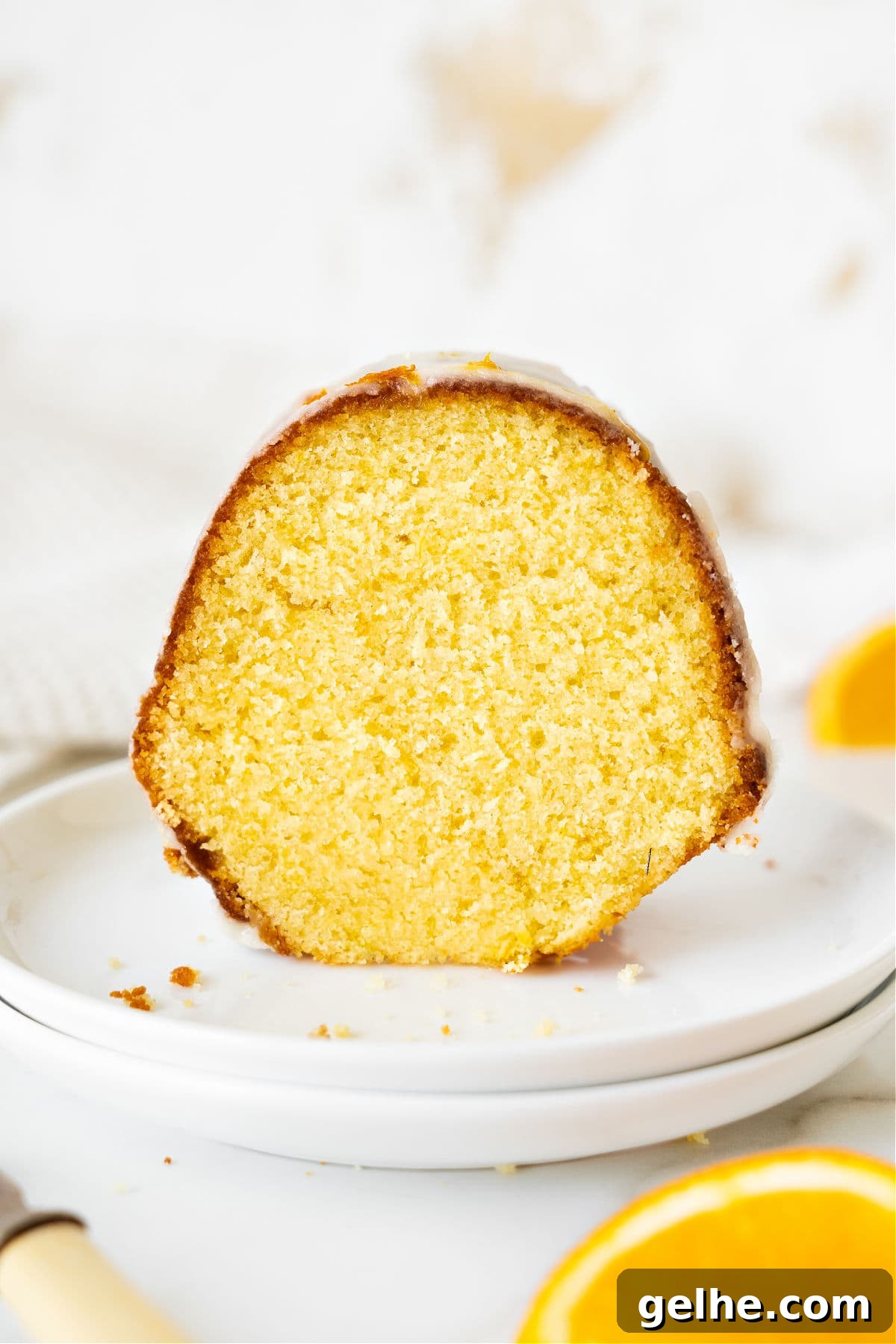
Ingredients
Quantities are listed in the recipe card below. Use fresh orange juice and zest for the best flavor, and full-fat sour cream for richness and moisture. Check that your baking powder is fresh and use large eggs at room temperature. Whole milk gives a richer cake but 2% will work.
- Orange: use fresh juice and zest.
- Sour cream: full-fat for moisture and texture.
- Baking powder: ensure it’s active.
- Eggs: large, room temperature.
- Milk: whole milk preferred for richness.
Preparing the bundt pan
To prevent sticking, thoroughly coat the pan and center tube. Three reliable methods:
- Shortening and flour: rub soft shortening into every crevice, dust with flour, and tap out the excess.
- Pan-release paste: mix equal parts shortening, flour, and oil into a paste, brush into the pan, and store leftovers in a jar for later use.
- Baking spray with flour: use only sprays formulated with flour; plain cooking spray can allow sticking.
Note: a good recipe that releases cleanly is worth keeping—pan prep helps, but the batter matters too.
Steps to make an orange bundt cake
This is fundamentally a butter cake. Use a large bowl and an electric mixer or stand mixer with a paddle to cream the butter and sugar thoroughly.
Scrape the bowl: scrape the sides frequently during mixing so everything incorporates evenly.
Alternate wet and dry: add the flour mixture and wet ingredients in parts, beginning and ending with the dry ingredients. When adding flour, mix on low and finish by folding with a spatula to avoid overworking the batter.
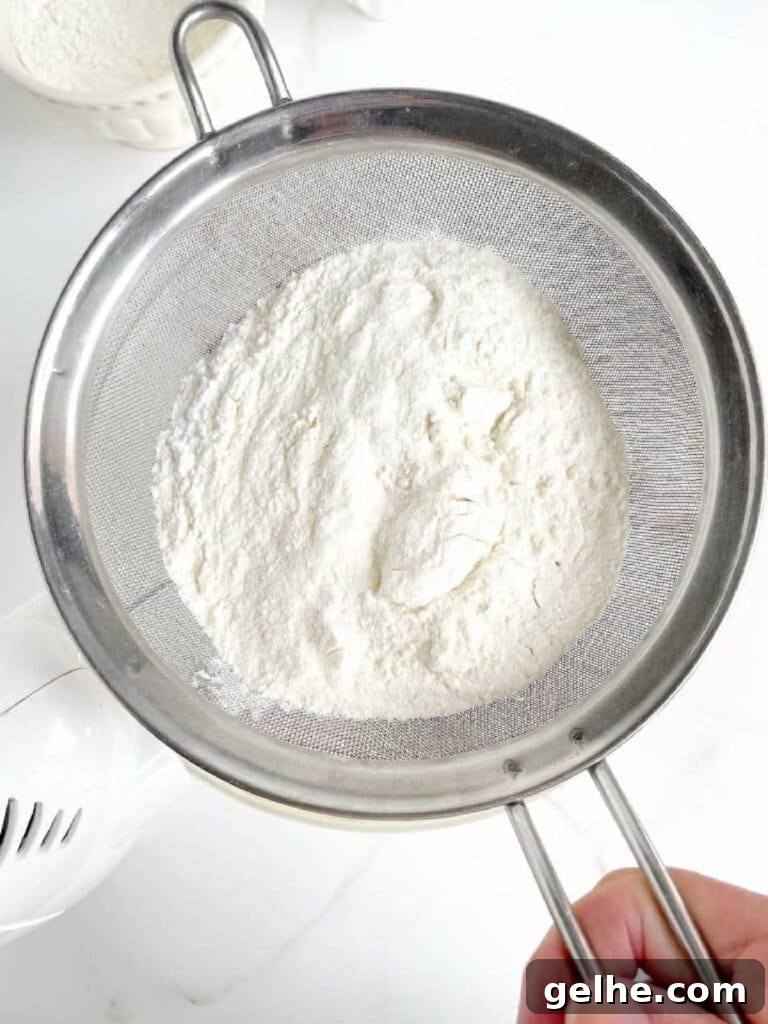
Sifting
Sift the flour mixture to remove lumps and help the cake stay light and even. You can measure and sift directly over the butter mixture for convenience.
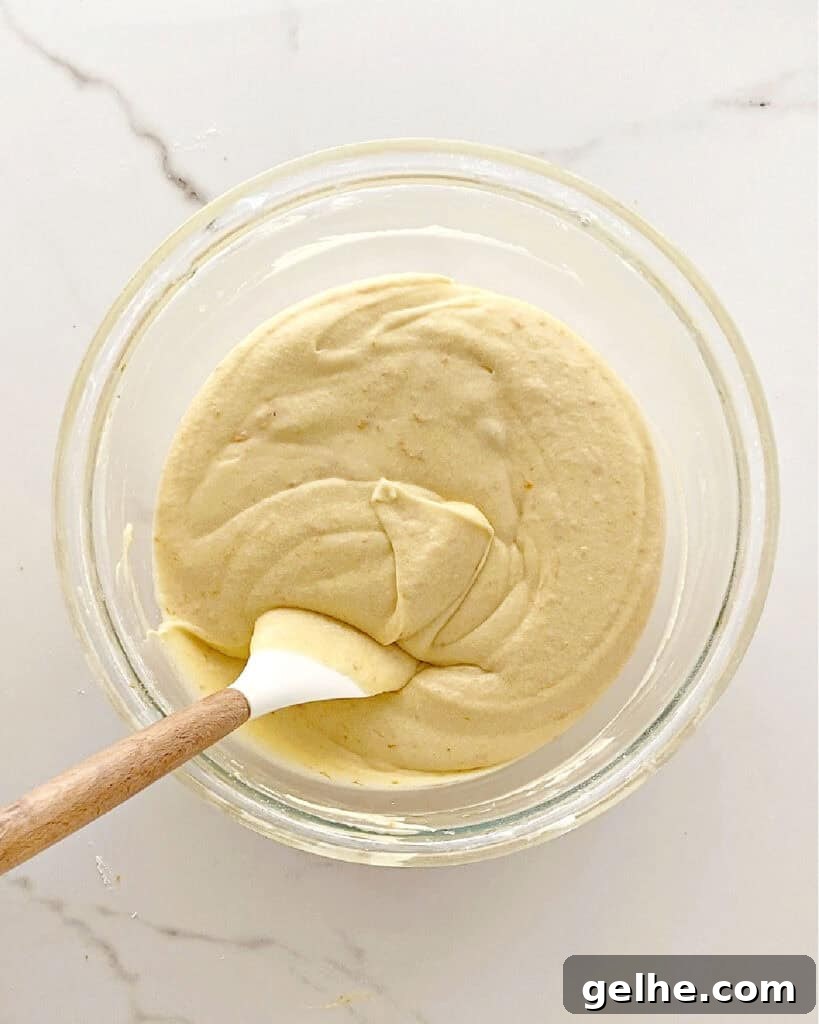
Last mix
Finish mixing by folding with a spatula to ensure there are no pockets of flour and the batter is uniformly combined before transferring to the pan.
Vintage Kitchen Tip
After adding flour, mix only until incorporated to avoid developing gluten, which can make the cake tough. Ending with a silicone spatula helps integrate any bits left at the bottom.
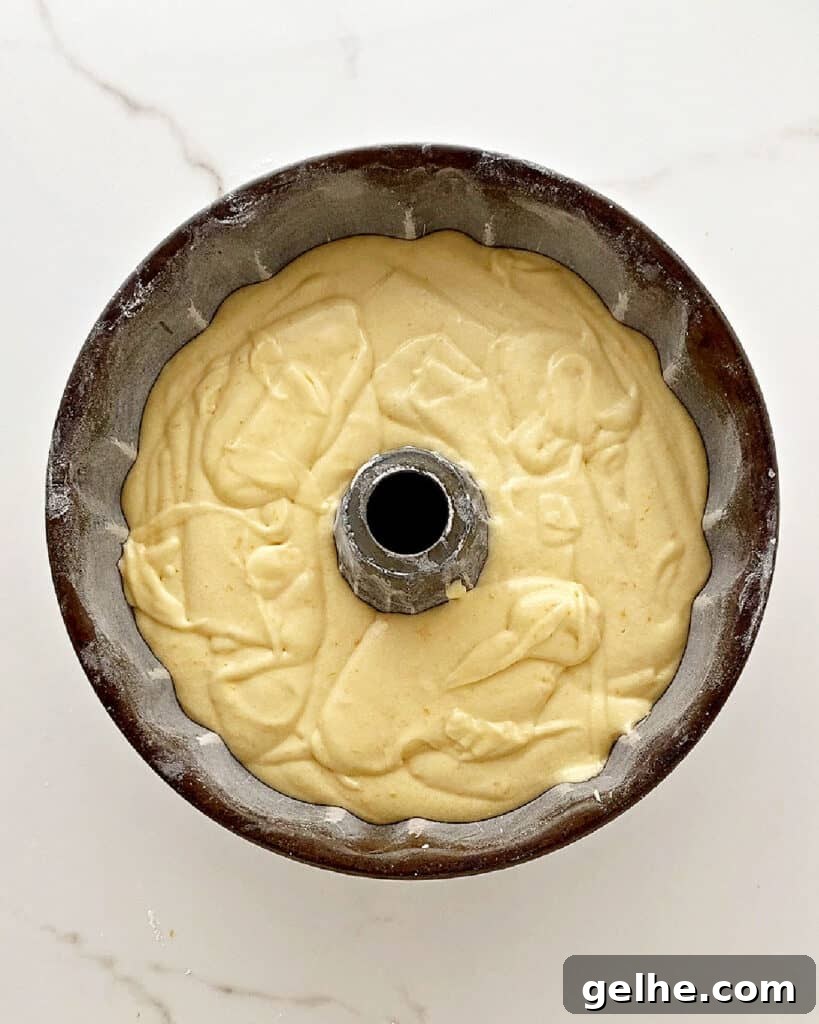
Filling the pan
Fill the bundt pan two-thirds to three-quarters full to allow room for the batter to rise without overflowing.
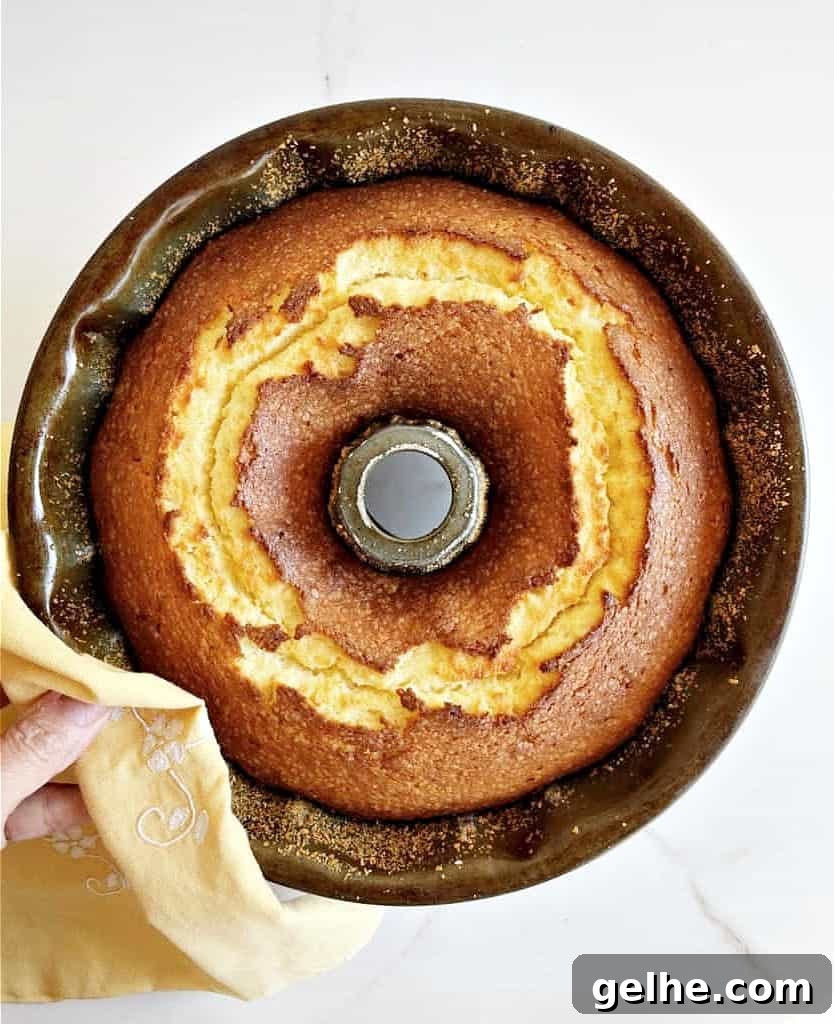
Baking
Timing: baking times vary by oven and pan. Begin checking near three-quarters of the suggested time. A crack on top is normal. When a tester comes out clean, remove the cake and transfer it to a wire rack to cool.
Orange glaze
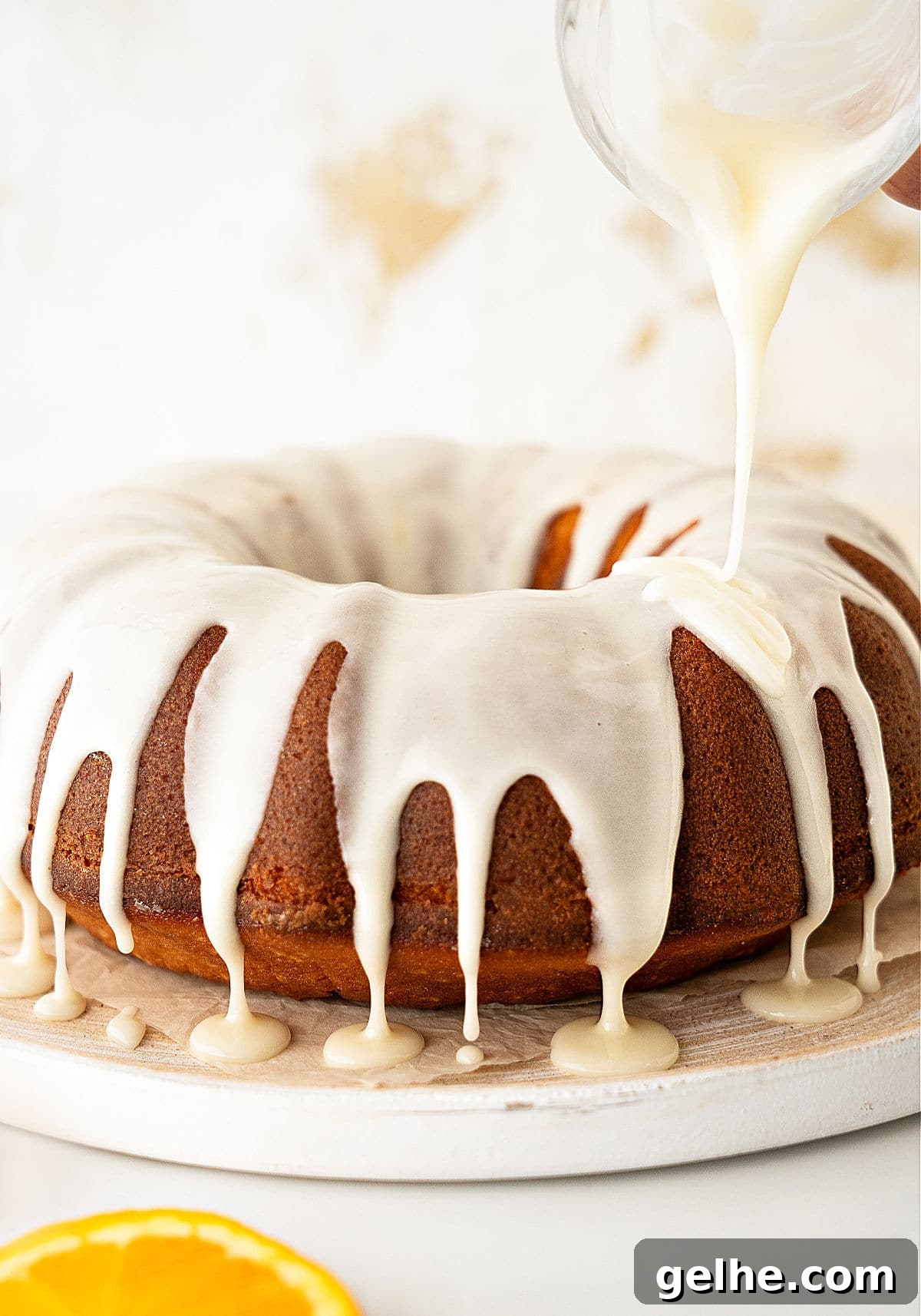
A simple powdered sugar glaze mixed with orange juice brightens the cake without overpowering it.
Adjusting consistency: start with half the suggested liquid, then add more a little at a time until the glaze reaches a thick-honey consistency if you want it substantial, or thinner if you prefer a light coating.
Make ahead: keep the glaze covered in the fridge for up to five days. Stir before using if it has separated or formed a thin crust.
Kitchen Notes
- Organization: read the recipe first and have ingredients at the proper temperatures and the equipment ready—this simplifies the process.
- Baking time: ovens and pans differ. Use an oven thermometer to confirm temperature and note how your oven runs for future adjustments.
- Removing from the pan: cool the cake 20 minutes, then gently loosen the sides with a light shake or a smooth knife if needed. Invert onto a rack and cool completely before glazing.
- More orange flavor: add ½ teaspoon pure orange extract if you want a stronger orange note.
- Serving: best at room temperature. Omit the glaze and dust with powdered sugar if you prefer, or serve with whipped cream and fresh berries for a dressed-up dessert.
Related recipes you might like:
- Orange Mini Cakes
- Orange Chocolate Bundt Cake (ganache glaze)
- Caramel Bourbon Orange Cake
- Olive Oil Bundt Cake
If you try this recipe and enjoyed it, please leave a 5-star review and a comment. If you had issues, share them so we can troubleshoot together. You can also subscribe to the free email series ‘Baking the Best’ or follow and save recipes on Pinterest.
As an Amazon Associate, I earn from qualifying purchases.

Orange Bundt Cake
Ingredients
Orange cake:
- 2 tablespoons shortening, soft, to grease the pan
- 2 tablespoons flour, to dust the pan
- 2 ½ cups all-purpose flour, or cake flour
- 2 ½ teaspoons baking powder
- ½ teaspoons salt
- ¾ cup unsalted butter, at room temperature
- 1 ¾ cup sugar
- 3 eggs, at room temperature
- 1 tablespoon orange zest
- ½ teaspoon vanilla extract
- ¼ teaspoon orange extract, optional
- ½ cup whole milk, at room temperature
- ¼ cup orange juice
- ½ cup sour cream, at room temperature
Orange glaze:
- 1 cup powdered sugar
- 2 tablespoons orange juice
- orange zest or slices to decorate, optional
Instructions
For the cake:
-
Preheat oven to 350ºF (180°C).
-
Grease a 10 or 12-cup bundt pan (26 cm) with 2 tablespoons shortening, covering all crevices. Dust with 2 tablespoons flour and shake off excess.
-
Sift together 2 ½ cups all-purpose flour, 2 ½ teaspoons baking powder, and ½ teaspoon salt; set aside.
-
Beat ¾ cup unsalted butter until creamy. Gradually add 1 ¾ cups sugar and beat for 2 minutes.
-
Add 3 eggs one at a time, beating well after each, then beat 2 more minutes.
-
Mix in 1 tablespoon orange zest, ½ teaspoon vanilla extract, and ¼ teaspoon orange extract if using.
-
Add the dry ingredients in three parts, alternating with ½ cup whole milk, ¼ cup orange juice, and ½ cup sour cream, beginning and ending with the dry.
-
Pour the batter into the prepared pan and spread it evenly.
-
Bake about 45–50 minutes, or until a toothpick inserted in the center comes out clean. Adjust time as needed for your oven and pan.
-
Cool 5–10 minutes, then invert onto a wire rack and cool completely. Store wrapped at room temperature for a day, in the fridge up to 3 days, or freeze for a month.
For the glaze:
-
Whisk 1 cup powdered sugar with 2 tablespoons orange juice until smooth. Add more juice half a teaspoon at a time to thin if needed.
-
Drizzle the glaze over the cooled cake and decorate with orange zest or slices. Allow the glaze to set before slicing.