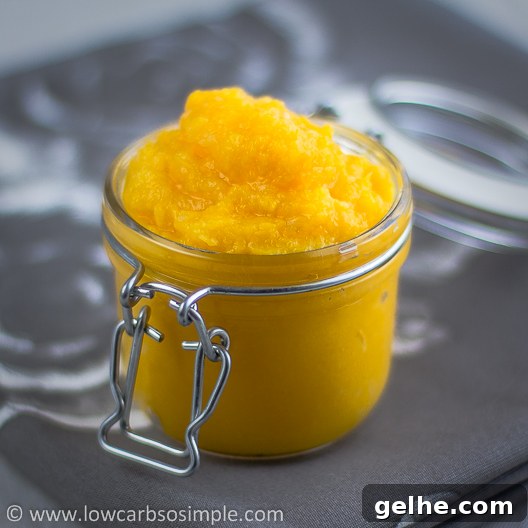
There are as many ways to roast pumpkin as there are cooks. Here’s the method I developed after several experiments to achieve a thick, canned-like pumpkin purée instead of a watery mess. If you’ve struggled with excess liquid in roasted pumpkin, this approach should help.
My attempts to get perfectly roasted pumpkin
My early attempts followed common online methods, but each batch turned out too watery. I wanted a consistency similar to solid-pack pumpkin from a can. After various trials—cutting into cubes, adjusting oven temperatures and times, and roasting halves facing up or down—I found that the key was not just how you roast, but how you remove the excess moisture afterward.
Cubing the pumpkin and roasting at a moderate temperature reduced burning but still left too much fluid. Slower, lower-temperature roasting produced tender flesh without charring, but didn’t eliminate the watery texture. Roasting halves produced odd puddles while hot, which sometimes soaked back into the flesh as it cooled. After many experiments, the simple solution that worked reliably was to roast a half pumpkin and then strain the flesh to remove excess liquid.
The method
Here’s the straightforward method I now use.
1. Choose and prepare the pumpkin: Rinse and pat the pumpkin dry. I grew a large variety this year; the example here weighs about 17 lbs (7.8 kg). Use a sharp, sturdy knife to halve the pumpkin.
2. Roast: Place one half face down on a large roasting pan. Preheat your oven to 300 °F (150 °C) and roast for about 2 to 2.5 hours. The lower temperature and longer time soften the flesh thoroughly without burning the surface.
3. Cool: Remove the pumpkin and let it cool to room temperature. Cooling can take a few hours; the flesh will relax and slightly wrinkle.
4. Remove seeds and scoop flesh: Turn the half over, scoop out the seeds, and remove the flesh with a spoon or by hand. If you’re in a hurry, scoop the flesh into a bowl and refrigerate it to let liquid separate, then pour off the excess.
5. Strain for thickness: For a reliably thick, canned-like texture, line a strainer with cheesecloth and set it over a large saucepan. Scoop the roasted pumpkin into the cloth, level the surface, fold over the cloth, and let it drain for several hours or overnight. This removes the watery liquid while preserving the concentrated, flavorful flesh.
6. Purée (optional): After draining, transfer the strained pumpkin to a saucepan and purée with an immersion blender for a uniformly smooth texture. This step is especially useful for soups, lattes, and custards. If you prefer, you can blend roasted flesh and skin together in a powerful blender and then strain to remove excess liquid for a more vibrant color and slightly higher fiber content.
Conclusion
The simplest, most effective trick is to strain roasted pumpkin flesh. Either let scooped flesh sit in the fridge so liquid separates and pour it off the next day, or use a cheesecloth-lined strainer over a bowl or pan to drain it until you reach the desired thickness. Longer straining yields a thicker purée that’s ideal for pies, soups, custards, muffins, and beverages.
This is the method I used this season. It produces a rich, concentrated pumpkin purée suitable for many recipes. I’m always open to improvements, so I’d love to hear how others get reliably thick roasted pumpkin. Meanwhile, expect more pumpkin recipes soon—perhaps a week or more as I work through my roasted harvest.