This post contains affiliate links and I may receive a commission on your purchase. Thank you for shopping through my links.
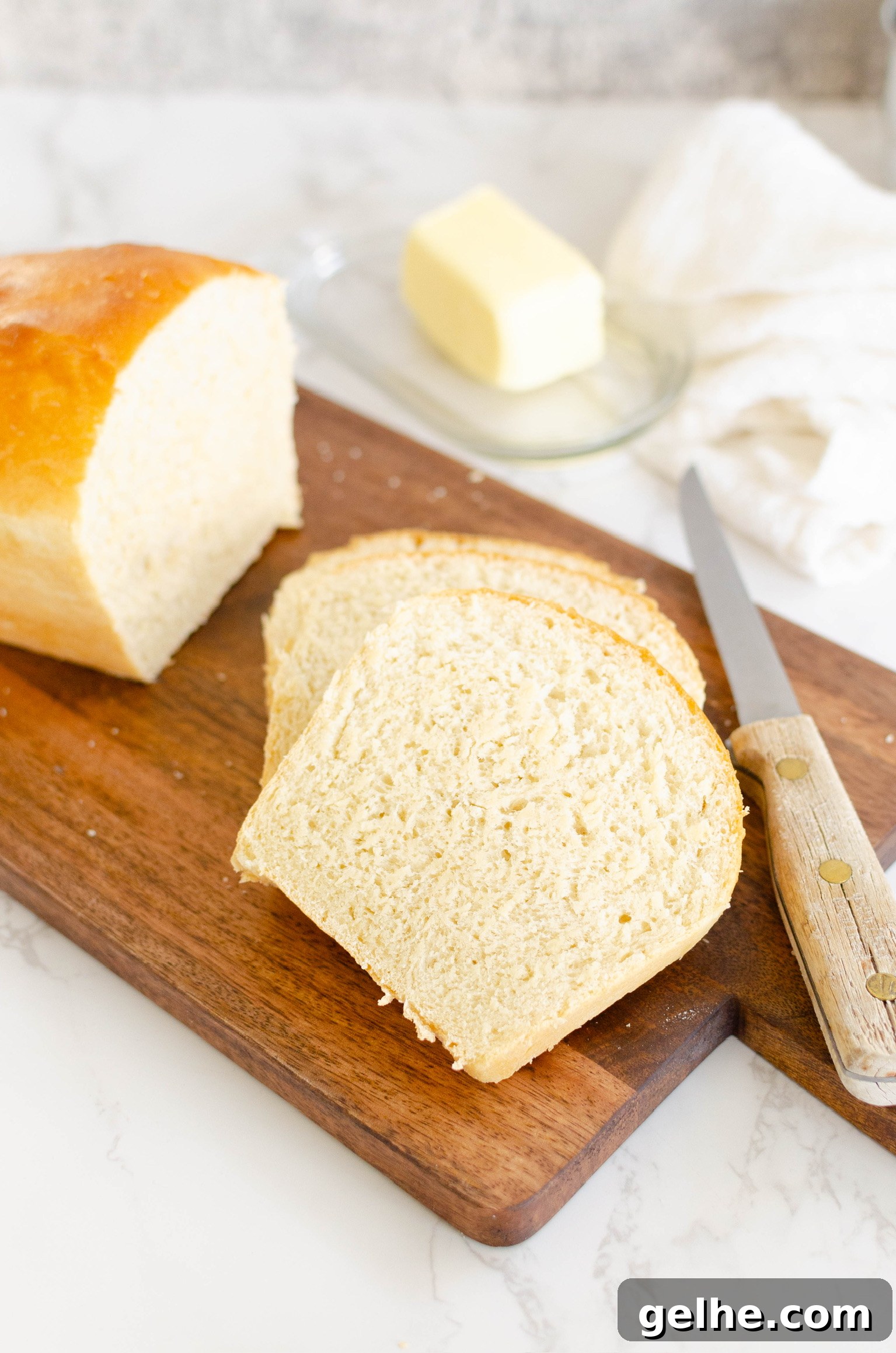
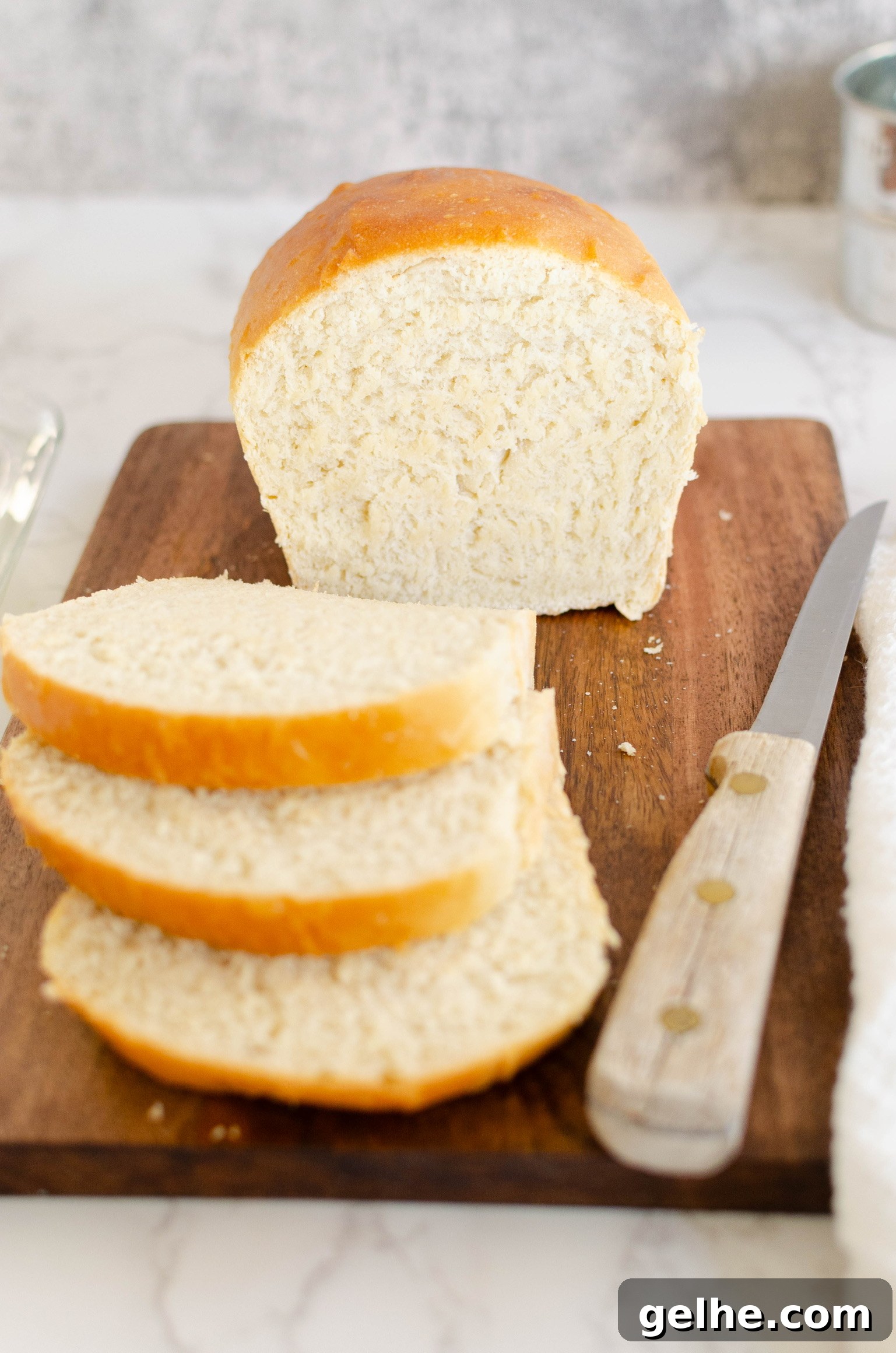
Hands down, the most popular recipe on this site is my Classic White Sandwich Bread. Readers tell me every day that it’s the easiest bread to make and the best sandwich bread they’ve ever eaten. This versatile dough makes three large loaves, nine mini loaves, or 24–32 dinner rolls depending on how you shape it.
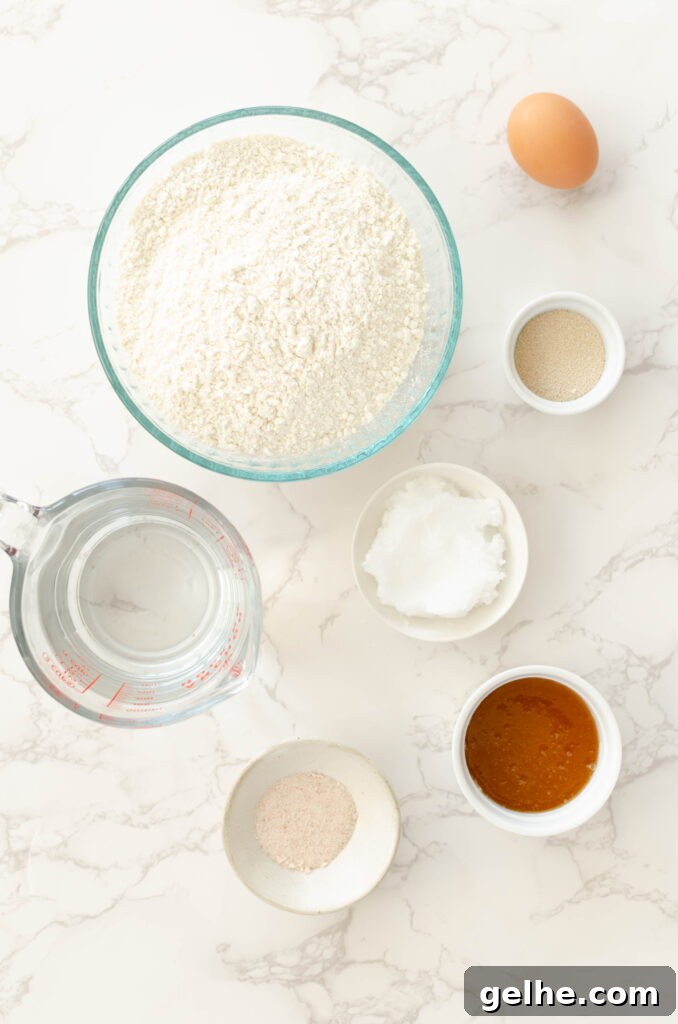
Ingredients for Classic White Sandwich Bread
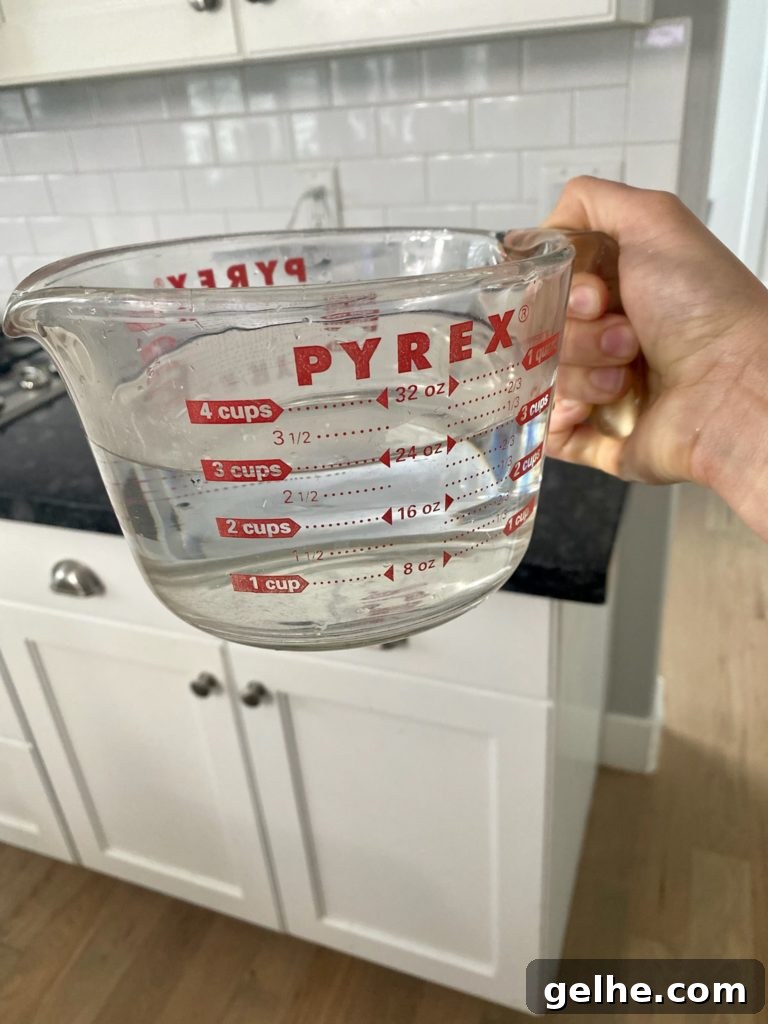
Water
Use warm water at a comfortable baby-bottle temperature. Water that is too cool slows the yeast and lengthens rising times; water that is too hot can harm or kill the yeast. Correct warmth helps the dough rise reliably and predictably.
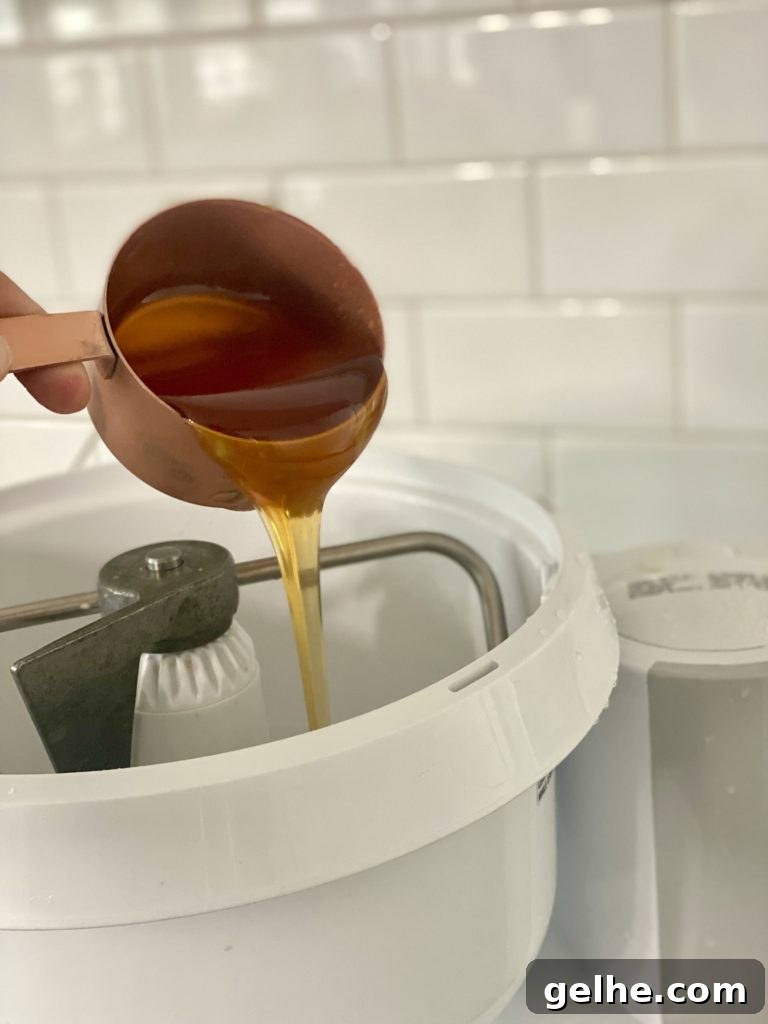
Honey or Sugar
This recipe works well with granulated sugar or honey. Honey adds flavor and a slightly lower glycemic response, while white sugar produces a classic pale crumb. You can substitute coconut sugar for a darker color and nuttier flavor, though it will make the loaf appear more like whole-wheat bread.
If you prefer less sweetness, reduce the sweetener to 1/2 cup, 1/4 cup, or omit it entirely. Changing the sugar amount does not require changing any other ingredient.
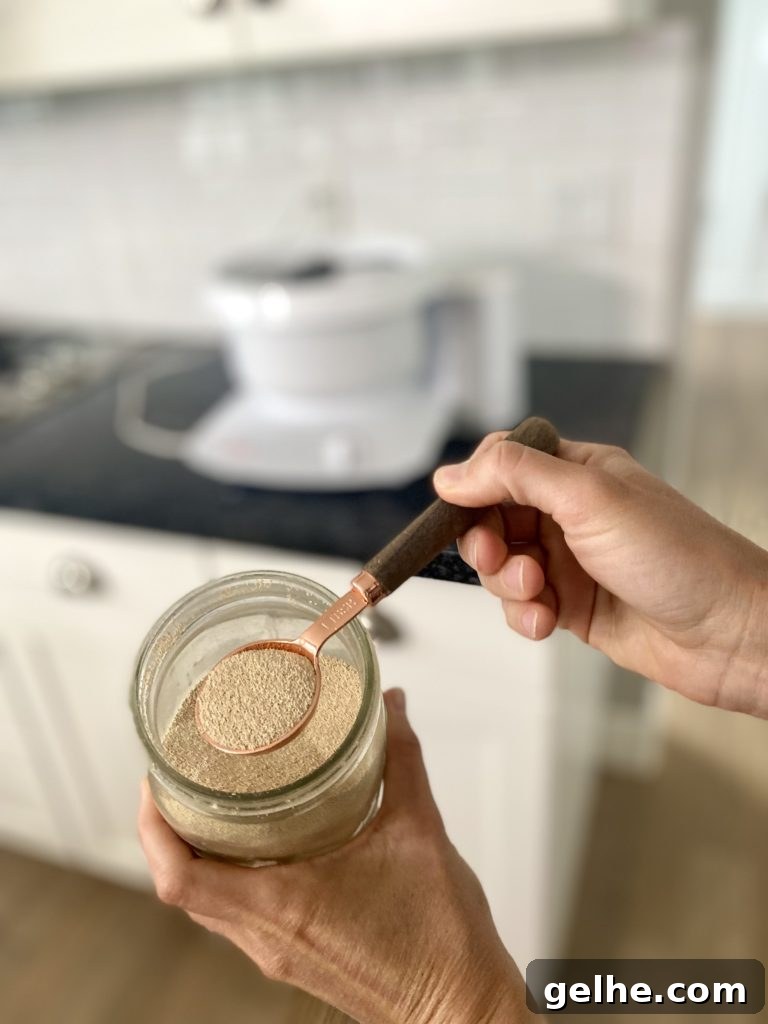
Active Dry Yeast
Active dry yeast is preferred here; it should be proofed in warm water with the sugar until foamy. Instant yeast is an acceptable substitute and can be added directly to the dry ingredients if that’s what you have.
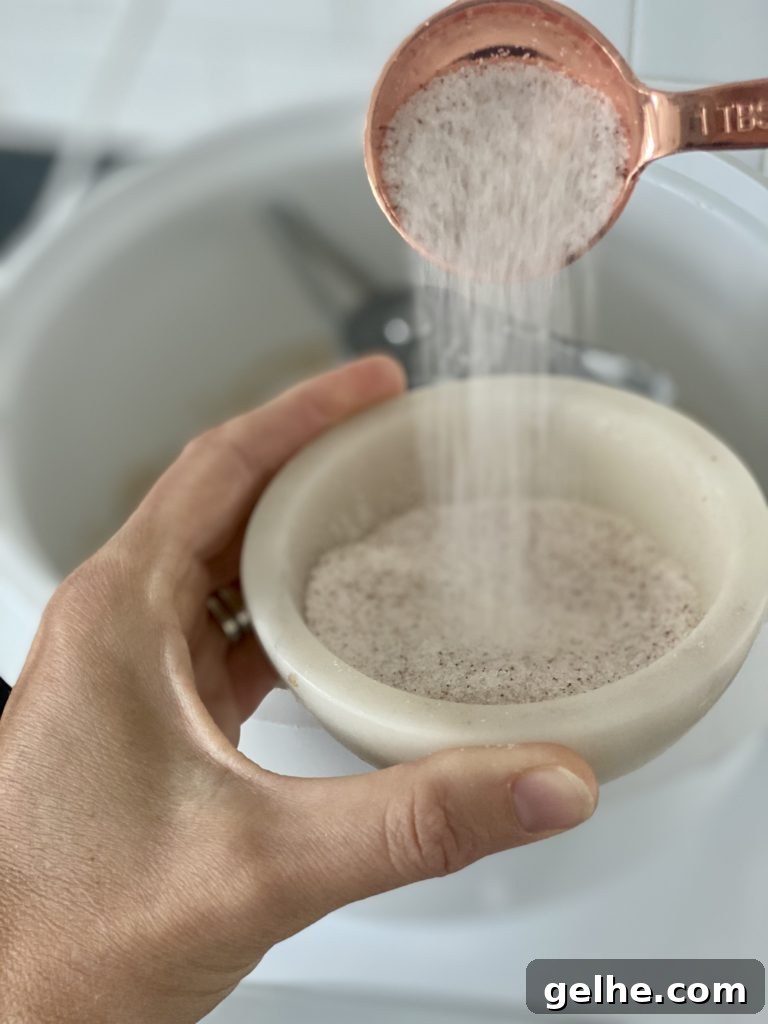
Salt
Salt is essential for flavor and structure. Skipping salt results in a bland, flat-tasting loaf. Use a quality unprocessed salt if possible, and measure carefully. I avoid excessive salt but never omit it entirely.
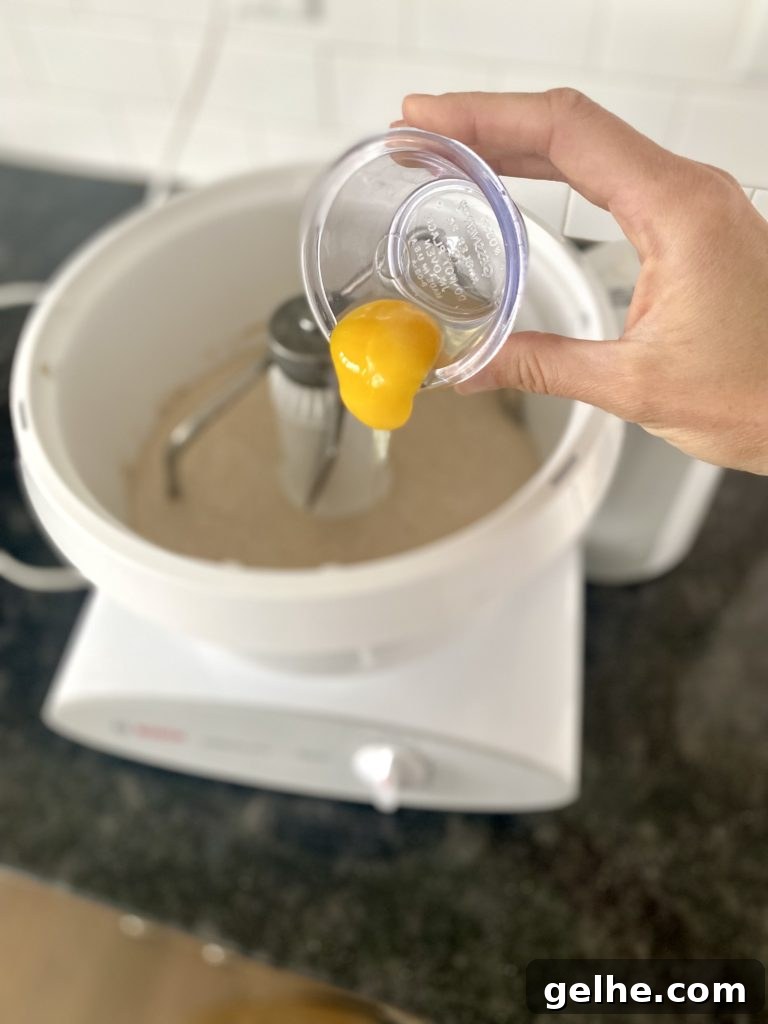
Egg
An egg helps the crumb stay soft and prevents the bread from becoming crumbly. If you don’t want to use an egg, you can skip it, use 1/4 cup of aquafaba, or make a flax egg substitute. If halving the recipe, use a whole egg, half a beaten egg, or omit it—each option will still produce good results.
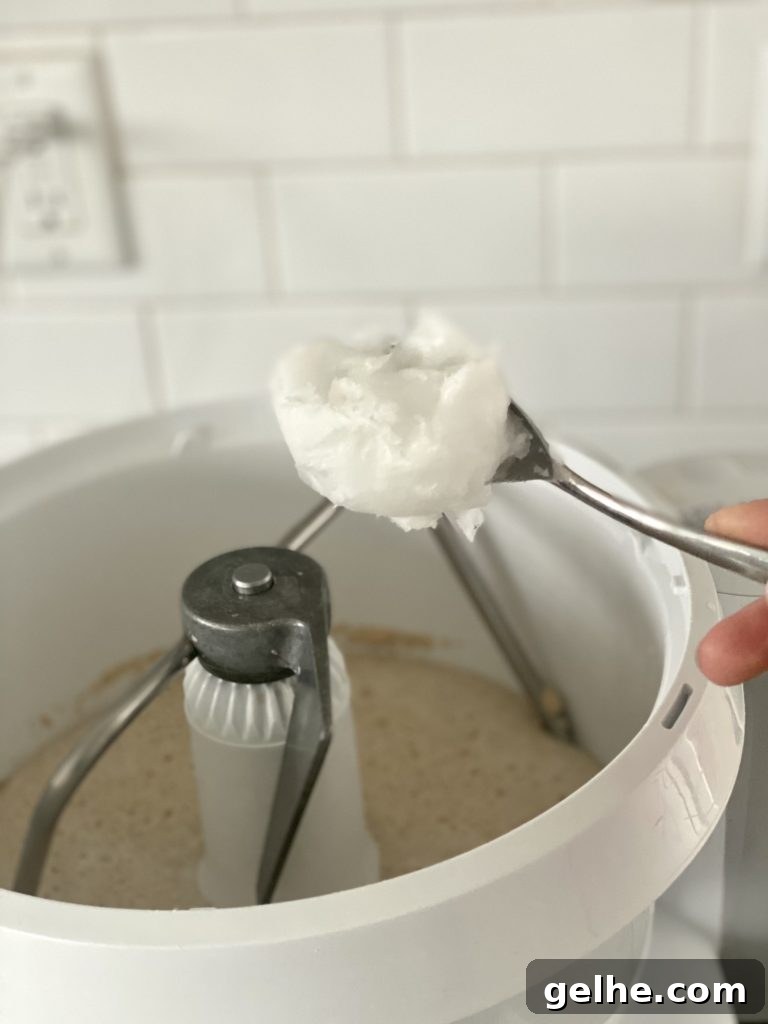
Coconut Oil
I usually use melted coconut oil because it makes the bread noticeably softer. It does not impart a coconut taste after baking. If you prefer another fat, substitute avocado oil, melted butter, or a neutral vegetable oil.
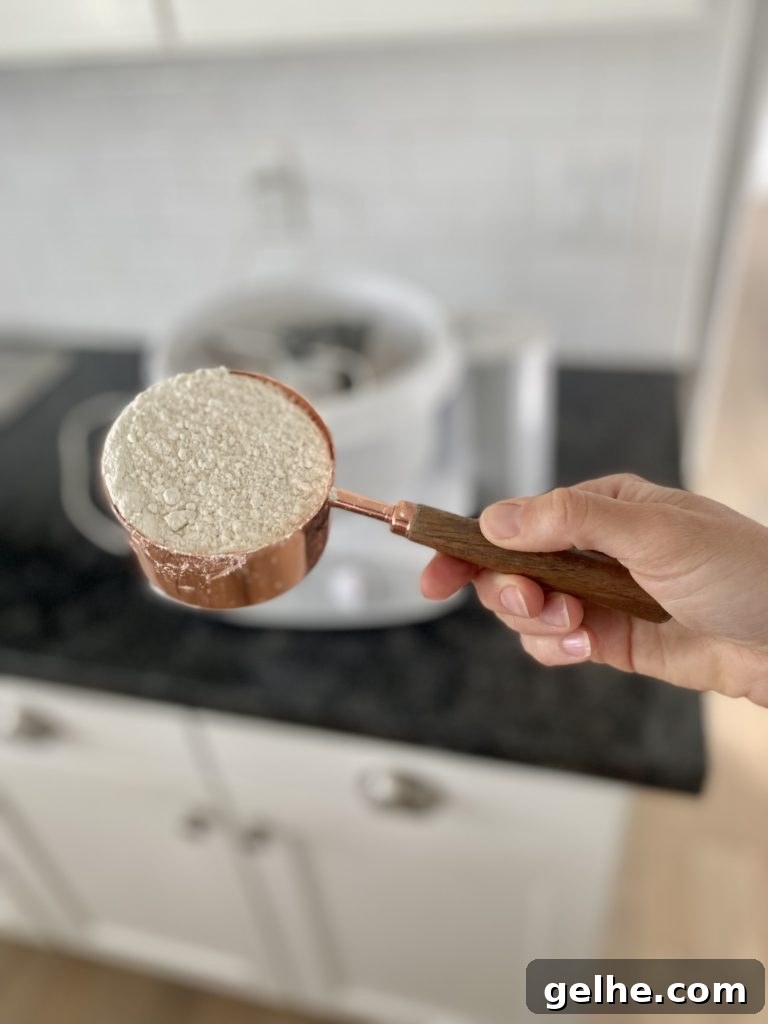
Flour
This recipe works with several flour types: bread flour, all-purpose flour, whole wheat, or ancient grains like Kamut. Bread flour gives the tallest rise and the softest texture because of its higher gluten content. All-purpose flour can be used interchangeably with bread flour. Whole wheat and Kamut absorb more liquid, so you may need slightly less flour and may notice a denser crumb when using those alternatives.
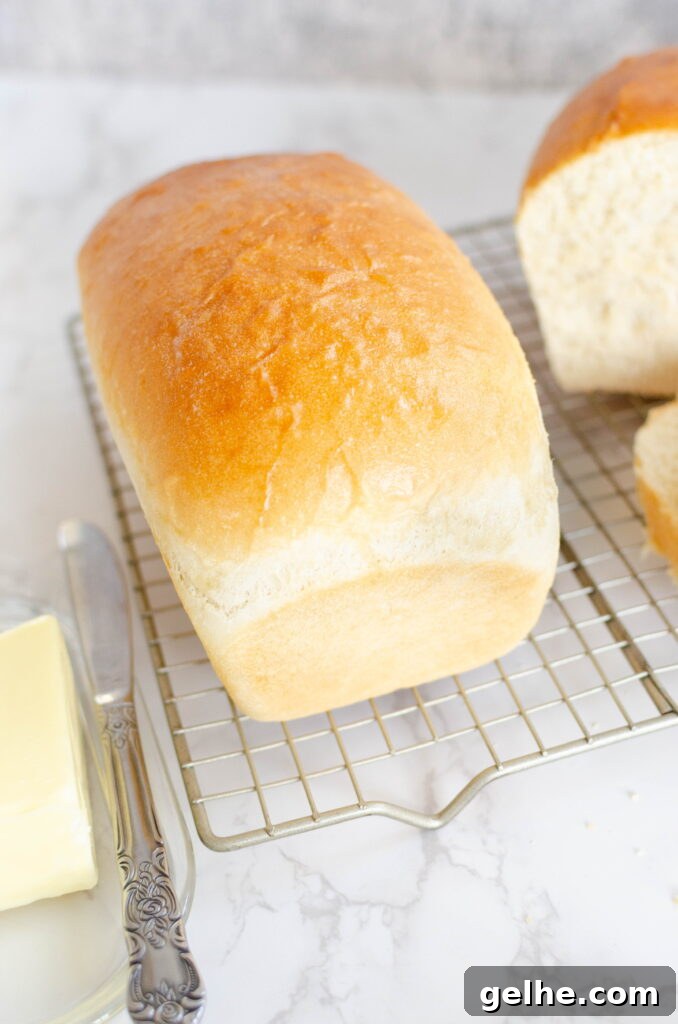
How to Make Classic White Sandwich Bread
Begin by proofing the yeast: combine warm water, sugar or honey, and active dry yeast. Let it sit for about 10 minutes until the mixture is foamy and aromatic. If the yeast does not foam, discard it and start over with fresh yeast.
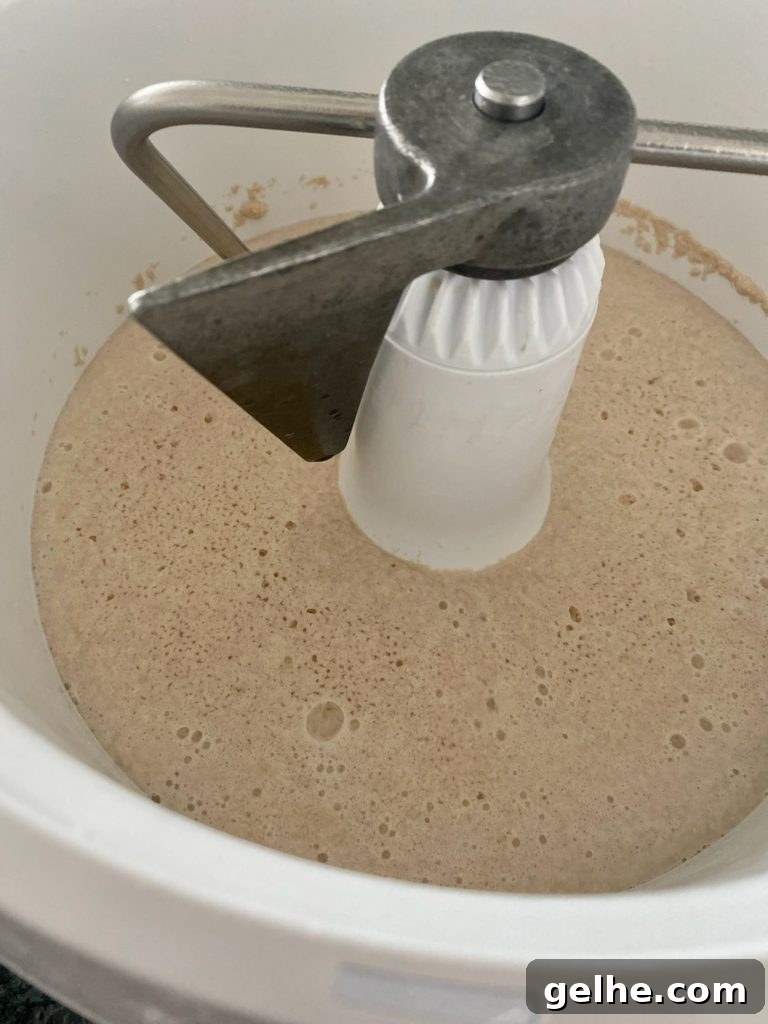
Add the oil, beaten egg, and salt to the yeast mixture. Stir to combine, then add the flour, one cup at a time, mixing after each addition until the dough comes together. Use the touch test described below to judge the dough’s hydration.
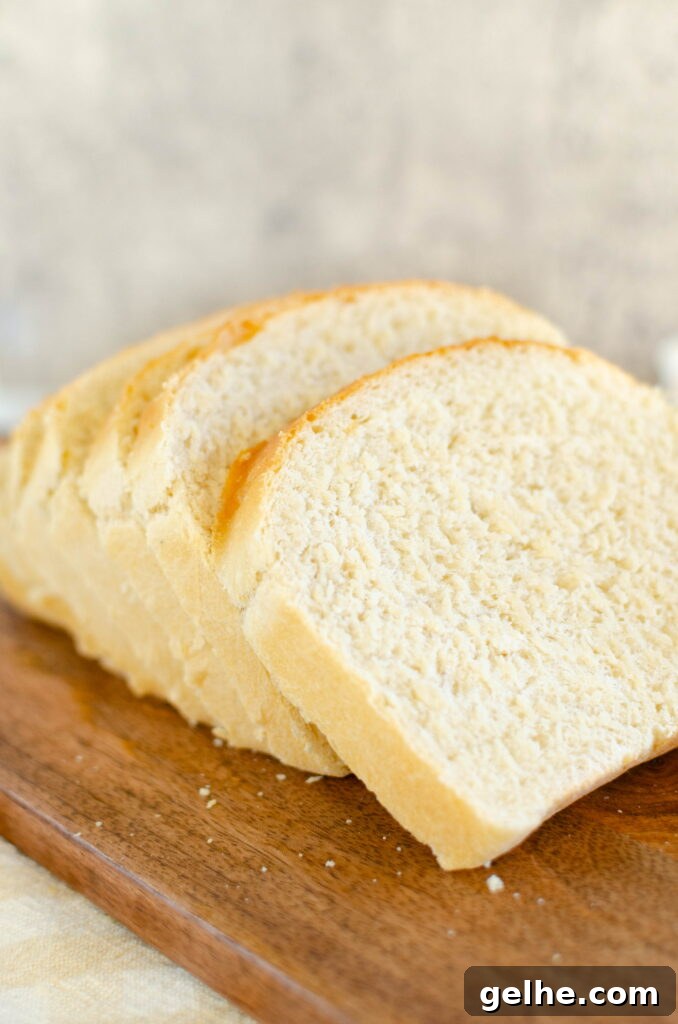
Touch test: touch the dough with three fingers. If a lot sticks to your fingers, add a little more flour. If the dough is soft and tacky but does not cling to your fingers, it’s perfect. If the dough feels dry and cracks, add a small amount of oil or water and knead to rehydrate.
Knead the dough for 10–15 minutes until smooth and elastic. Cover the dough with a clean towel or plastic and let it rise for about one hour, or until doubled in size.
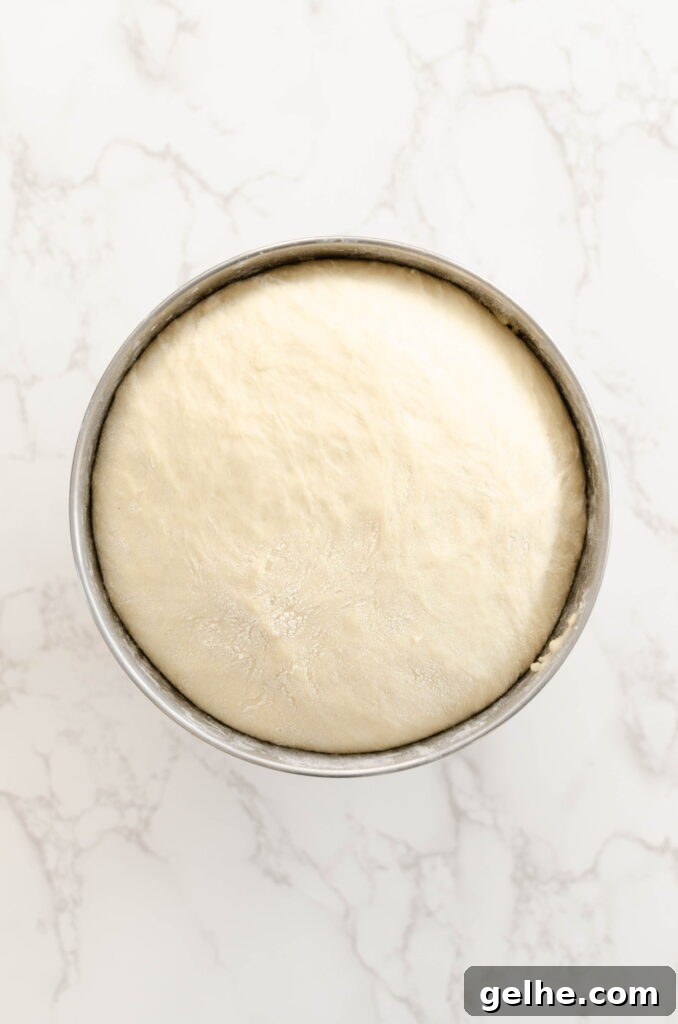
First Rise
Let the dough rise until doubled in size, about one hour depending on room temperature.
Shape the Dough
Turn the dough out onto a floured surface and divide it into three equal portions for large loaves, nine for mini loaves, or 24–32 for rolls. Shape each portion and place them in greased loaf pans or on greased baking sheets.
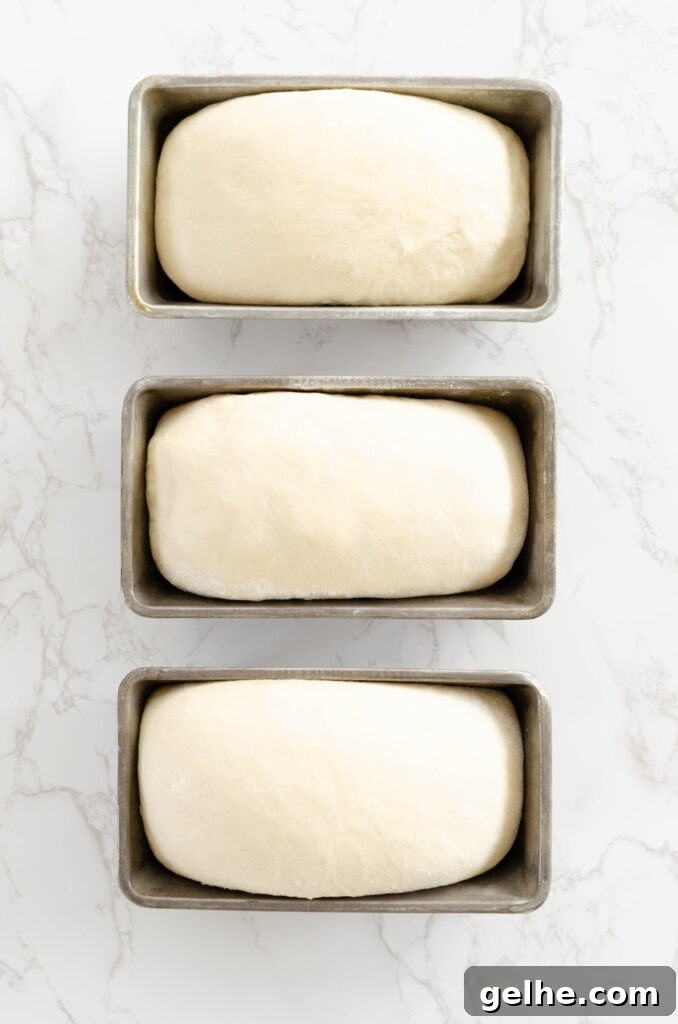
Second Rise
Cover the shaped dough and allow it to rise again until doubled. Meanwhile, preheat the oven to 375°F (190°C) for loaves or 350°F (175°C) for rolls.
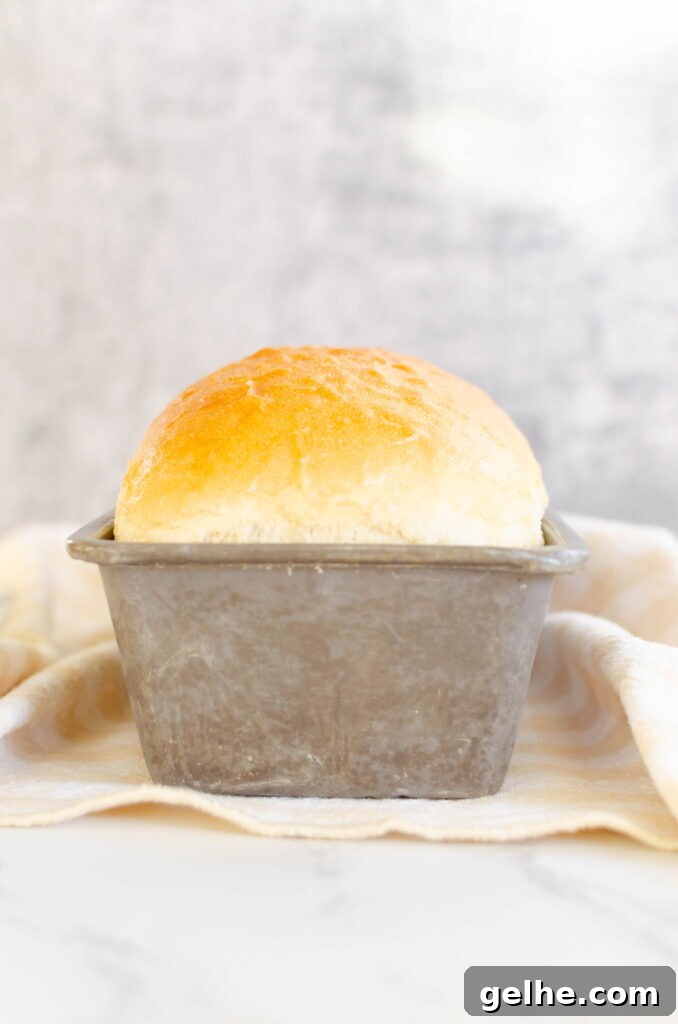
Bake
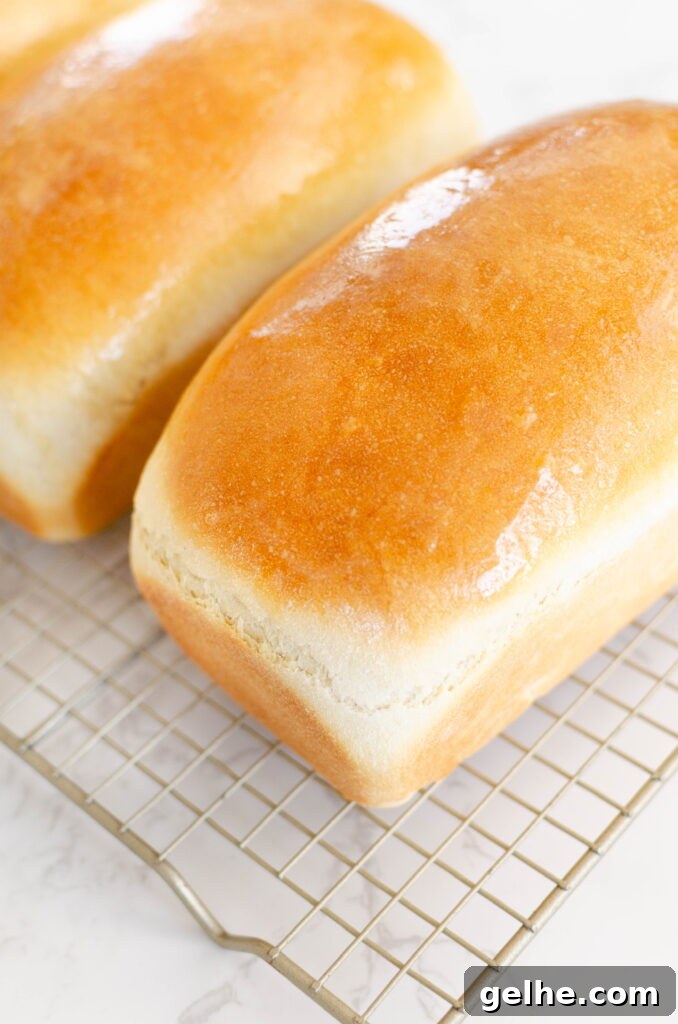
Bake loaves at 375°F for 25–30 minutes, or until an instant-read thermometer registers 180°F in the center. Mini loaves bake at 375°F for about 22–25 minutes. Rolls bake at 350°F for 17–20 minutes depending on size. Remove the loaves from the pans immediately and cool on a rack to avoid sogginess. Brush tops with melted butter if desired.
FAQs
Q: Can this recipe be used to make rolls or mini loaves?
A: Yes. This dough yields 3 standard sandwich loaves, 9 mini loaves, or 24–32 rolls. Baking times: loaves 25–30 minutes at 375°F, mini loaves 22–24 minutes at 375°F, and rolls 17–20 minutes at 350°F.
Q: The center of my loaf was doughy—what went wrong?
A: Oven temperatures vary. Use an instant-read thermometer to ensure the center reaches 180°F. Avoid opening the oven door frequently during baking, as this lets heat escape and can extend baking time.
Q: What size loaf pans do you recommend?
A: Use three 1.5-quart loaf pans or pans that measure about 4×8 or 5×9 inches.
Q: Can I halve the recipe?
A: Yes. Halve all ingredients. You can use a full egg, half a beaten egg, or omit the egg if preferred.
Q: Can I freeze the dough?
A: Yes. Shape the dough, flash freeze the shaped loaves or rolls on a flat tray for an hour, then transfer to freezer bags. When ready to bake, thaw in a greased pan, let rise until doubled, then bake as directed.
Q: Do I need to grease the pans or use non-stick spray?
A: Greasing pans or lining with parchment is recommended. If using an oil spray, test it first—some sprays can cause sticking issues on certain pans.
Q: My loaves brown too much on top—how can I prevent that?
A: Cover the tops loosely with aluminum foil for the second half of baking, and add a couple of minutes to the baking time if you do. Remove the foil near the end to allow proper browning if needed.
Q: How should I store the bread?
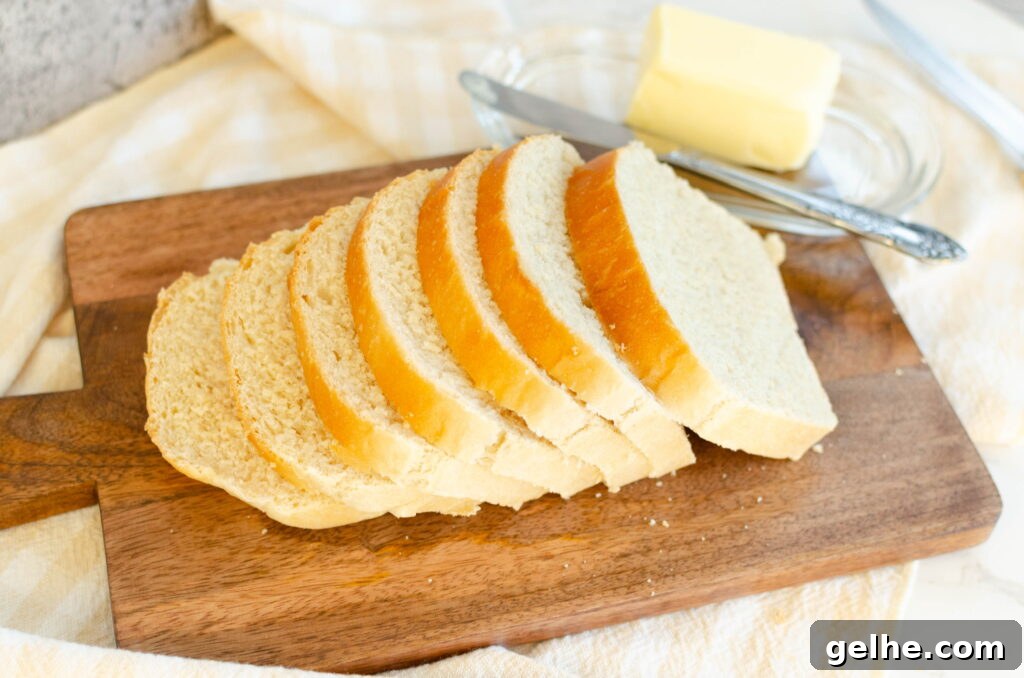
A: Once fully cooled, store in twist-tie bread bags or airtight containers at room temperature for 4–5 days. Because this bread lacks preservatives, freeze any portions you won’t use within that timeframe.
Q: What’s the best way to slice the bread?
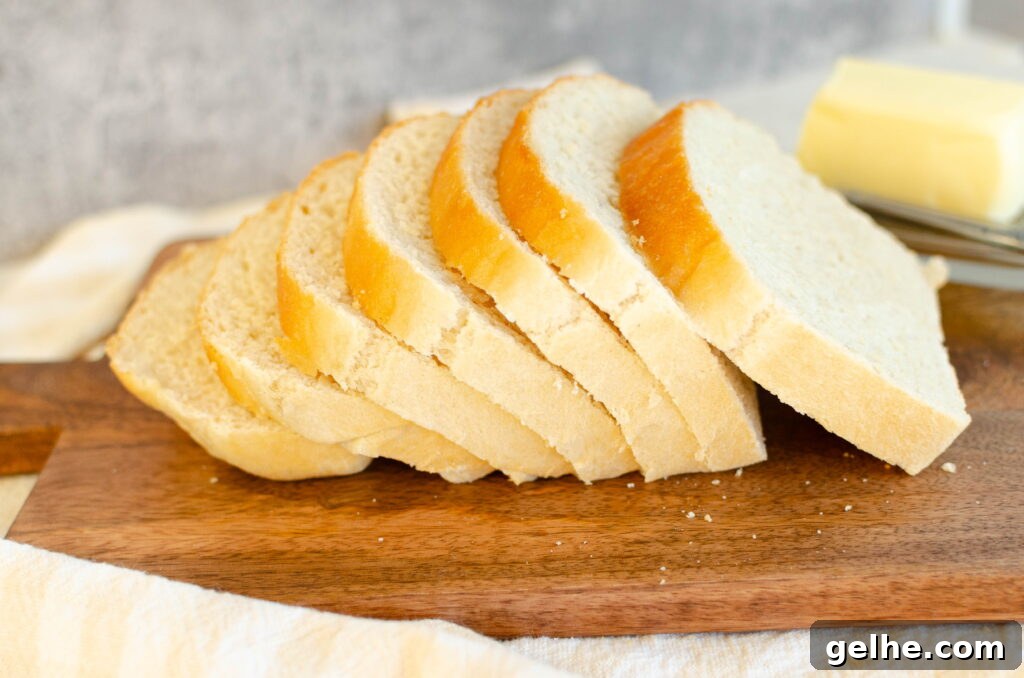
A: Use a sharp serrated bread knife for clean, even slices.
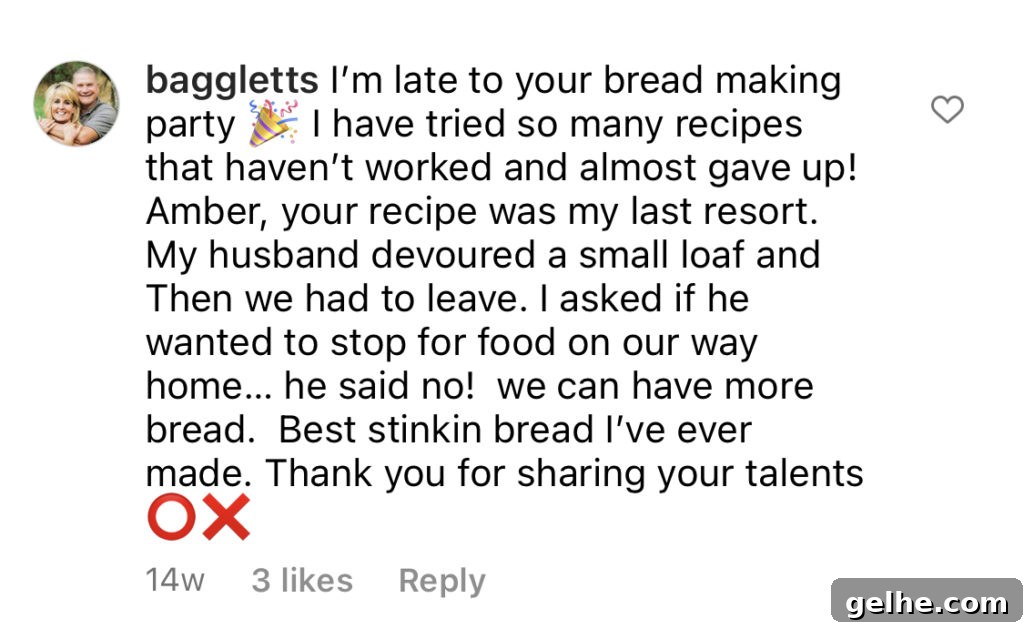
What Others Are Saying







Classic White Bread
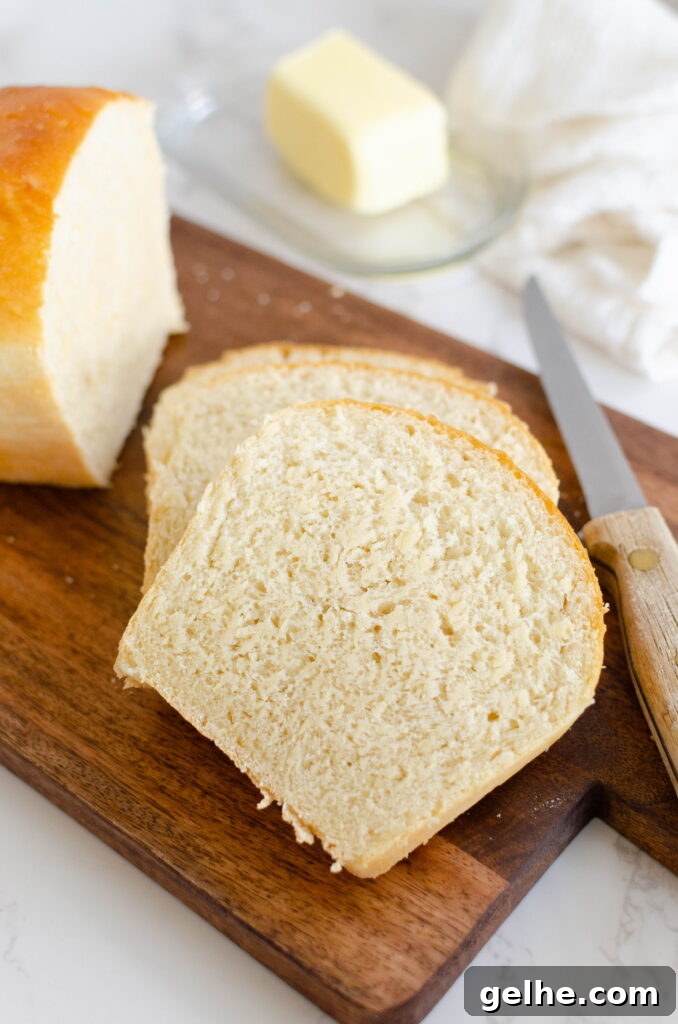
One of the easiest breads you’ll ever make. Soft, tender, and ideal for sandwiches, toast, and everyday use.
Ingredients
- 3 cups warm water (baby bottle warm)
- 1 1/2 T active dry yeast
- 3/4 cup sugar or honey (adjust to taste)
- 1 T salt
- 1 egg, beaten
- 1/3 cup coconut oil, melted (or substitute oil/butter)
- 8 1/2 cups all-purpose or bread flour, give or take 1/2 cup
Instructions
- Grease three 1.5-quart loaf pans or similar-sized pans (4×8 or 5×9).
- Combine warm water, sugar or honey, and yeast. Mix gently, cover, and let proof for 10 minutes until foamy. If it doesn’t foam, use fresh yeast.
- Add salt, beaten egg, and melted oil. Mix to combine.
- Add flour one cup at a time, mixing between additions. Stop when the dough pulls away from the bowl and feels tacky but not sticky. Use the touch test described above.
- Knead the dough for 10–15 minutes until smooth and elastic. Cover and let rise until doubled, about one hour.
- Punch down the dough and shape into 3 loaves, 9 mini loaves, or 24–32 rolls. Place in greased pans or on greased cookie sheets, cover, and let rise until doubled. Preheat the oven during the second rise.
- Bake: large loaves at 375°F for 25–30 minutes until the center reaches 180°F; mini loaves at 375°F for 22–25 minutes; rolls at 350°F for 17–20 minutes. Adjust for your oven as needed.
- Remove from pans immediately to cool on a rack to prevent sogginess. Brush with melted butter if desired.
- Once fully cooled, store in bread bags or airtight containers at room temperature for 4–5 days, or freeze for longer storage.