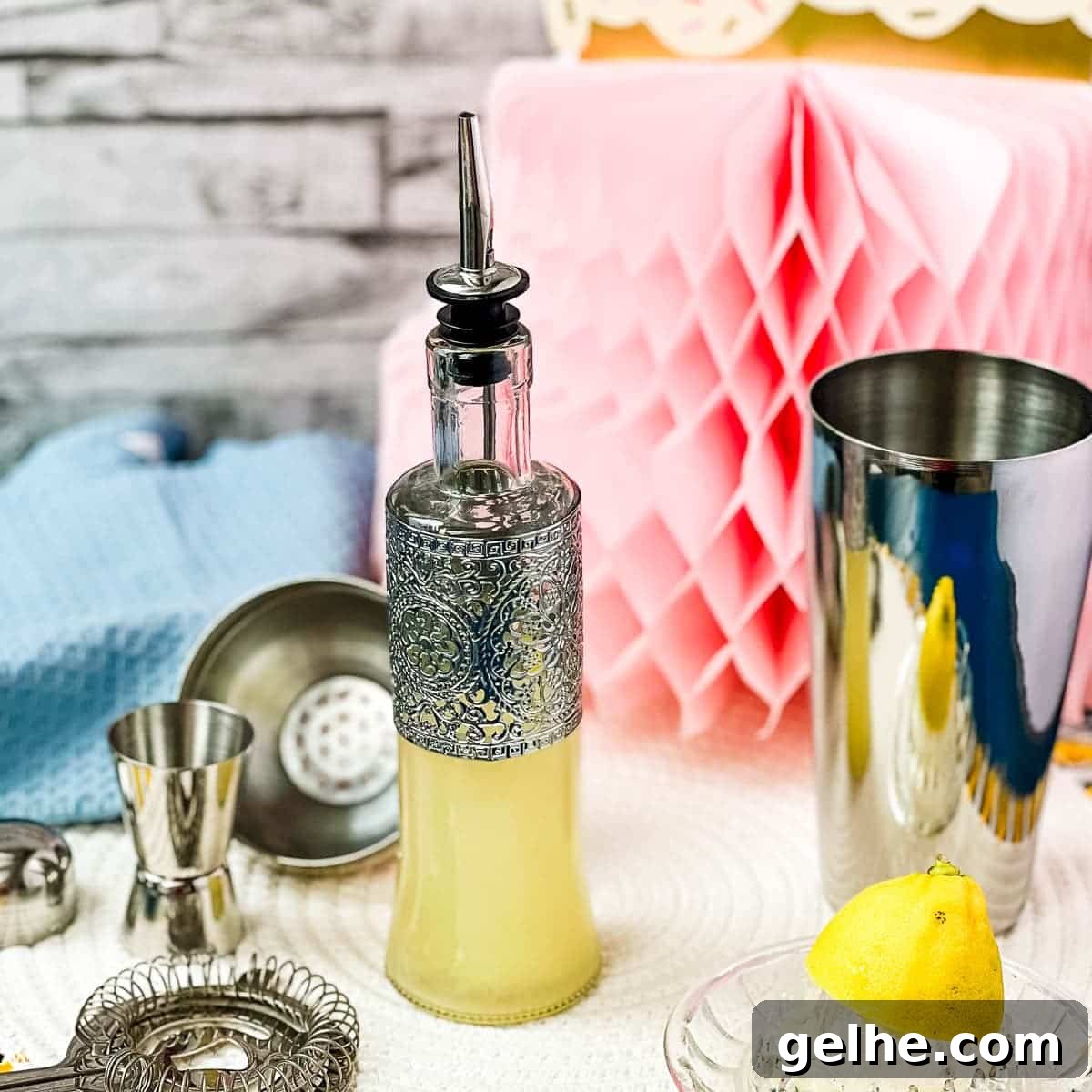
Freshly squeezed lemon juice may take more work and won’t keep as long as bottled juice, but its bright, vibrant flavor is unmatched. It’s a wonderful item to have behind your home bar when you’re hosting, and it’s also useful throughout the kitchen and around the house.

Fresh lemon juice delivers vitamin C, antioxidants, and other nutrients without added sugar. If you want an easy, flavorful way to boost vitamins, electrolytes, and hydration, this guide covers the basics and offers practical tips for using fresh-squeezed lemons at home.
🍋 Fresh Lemon Juice vs. Bottled Lemon
Many cooks and bartenders agree: bottled lemon juice can’t match freshly squeezed juice. Fresh juice has brighter citric notes and a more pronounced aroma. When you squeeze a lemon, you also have the peel available for zest, adding layers of flavor to recipes.
Commercial lemon concentrates are often preserved to extend shelf life and can lack the lively taste of fresh juice. Bottled juice is convenient if fresh fruit isn’t available, but it’s best used in cooked dishes where the difference is less obvious. For cocktails and dishes where lemon is a star, fresh is noticeably better.
🍋 Ways to Use Freshly Squeezed Lemon Juice – Other Than Cocktails
Outside of classic cocktails and lemonade, freshly squeezed lemon juice is versatile and beneficial. A recent trend is a hydrating “nature’s Gatorade” or switchel-style drink made with lots of lemon juice, apple cider vinegar, grated ginger, maple syrup, a pinch of salt, and a splash of mineral water. Variations vary, but these drinks are tart, refreshing, and packed with electrolytes—without the added sugars and artificial ingredients found in many commercial sports drinks.
Fresh lemon juice also brightens salad dressings, marinades, sauces, and baked goods; helps balance sweetness in desserts; and can be used to finish cooked vegetables and fish. A small splash goes a long way to elevate savory and sweet dishes alike.
🍋 The benefits of fresh lemon juice are extensive

Lemon juice is commonly associated with clearer skin, improved digestion, and increased hydration. It supplies vitamin C, potassium, folate, and small amounts of calcium. However, enjoy it in moderation: high acidity can erode tooth enamel and may aggravate certain gastrointestinal conditions.
🍋 Ideas for Your Leftover Lemon Peels
Don’t discard the peels. Lemon rinds are excellent for cleaning: rub a peel with salt to scrub tubs or remove grime, use peels to deodorize garbage disposals, or simmer peels to freshen the air. You can also zest and dry peels for homemade lemon pepper, or candy them for a sweet, tangy treat.
🥘 Ingredients

- Lemons
Refer to the recipe section below for quantities for larger batches.
🔪 Instructions
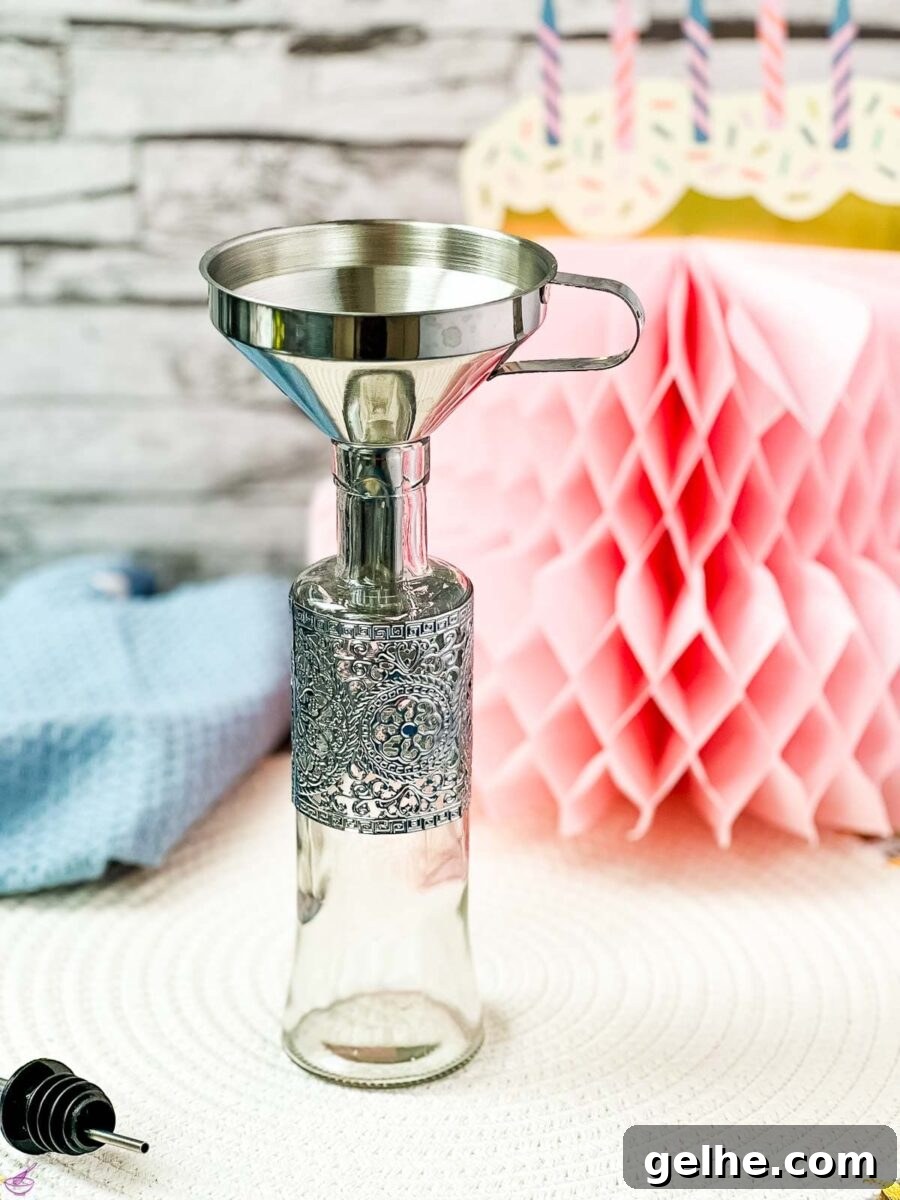
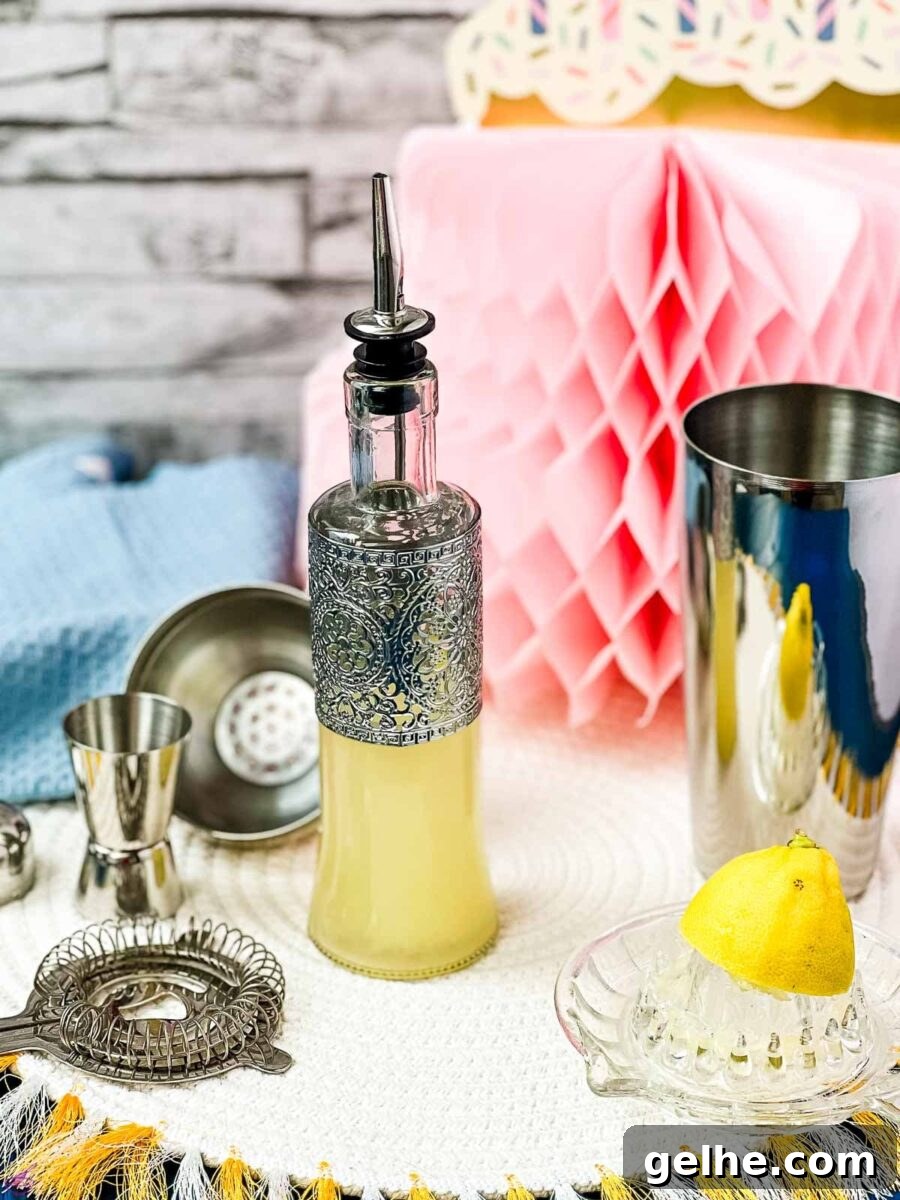
To make fresh lemon juice: roll each lemon firmly on the counter to soften it, cut the lemons in half, and squeeze the juice through a juicer or by hand. Use a funnel to transfer the juice into a bottle with a pouring spout for easy use at the bar or in the kitchen.
🍽 Equipment
- Lemon squeezer
- Bottle
- Funnel
- Optional: pourer spout for the bottle
🌡 Storage & Tips
Freshly squeezed lemon juice is best used within 24 hours when stored in the refrigerator, so avoid squeezing in overly large batches. To extract more juice, roll lemons firmly before cutting to help loosen the membranes. Store juice in a sealed bottle in the fridge and use it quickly for peak flavor.
🙋🏻 FAQ
Chemically, bottled juice contains citric acid and lemon juice, but fresh juice offers brighter flavor and aroma. For recipes where lemon flavor is prominent—cocktails, dressings, or finishing sauces—freshly squeezed juice produces a superior result.
Concentrates and products like lemon juice from concentrate often include preservatives and additives. They’re useful in a pinch, but for the freshest taste, squeeze your own lemons whenever possible.
Yes—fresh lemon juice is safe to drink. Many people enjoy it diluted with water, as lemonade, or mixed into beverages. If you have a sensitive stomach, dilute the juice to reduce acidity.
Roll lemons firmly on the counter before cutting to soften them. Use a handheld juicer or a reamer to extract juice efficiently. Warm lemons (left at room temperature for a bit) also yield more juice than chilled ones.
Below is a simple recipe card for a larger batch:
Fresh Squeezed Lemon Juice
A handy quart of fresh lemon juice to keep at the ready for cocktails, dressings, and cooking.

Equipment
- Lemon squeezer
- Bottle
- Funnel
Ingredients
- 22 Lemons (makes about 1 quart)
Optional
- Water (to dilute)
- Sugar (to sweeten)
Instructions
- Roll each lemon firmly, then cut 22 lemons in half.
- Squeeze the halves to extract the juice into a bowl or jug.
- Use a funnel to pour the juice into a clean bottle and seal it.
- Store in the refrigerator and use within 24 hours for best flavor.
- If desired, dilute with water or sweeten with sugar to taste.
⛑️ Food Safety
- Always wash hands before and after food prep.
- Keep utensils and containers clean and avoid cross-contamination.
- Store fresh juice cold and consume promptly.
- Do not leave perishable foods out at room temperature for extended periods.
Enjoy the bright flavor and healthful benefits of fresh lemon juice—used thoughtfully, it’s a small change that elevates many recipes and drinks.