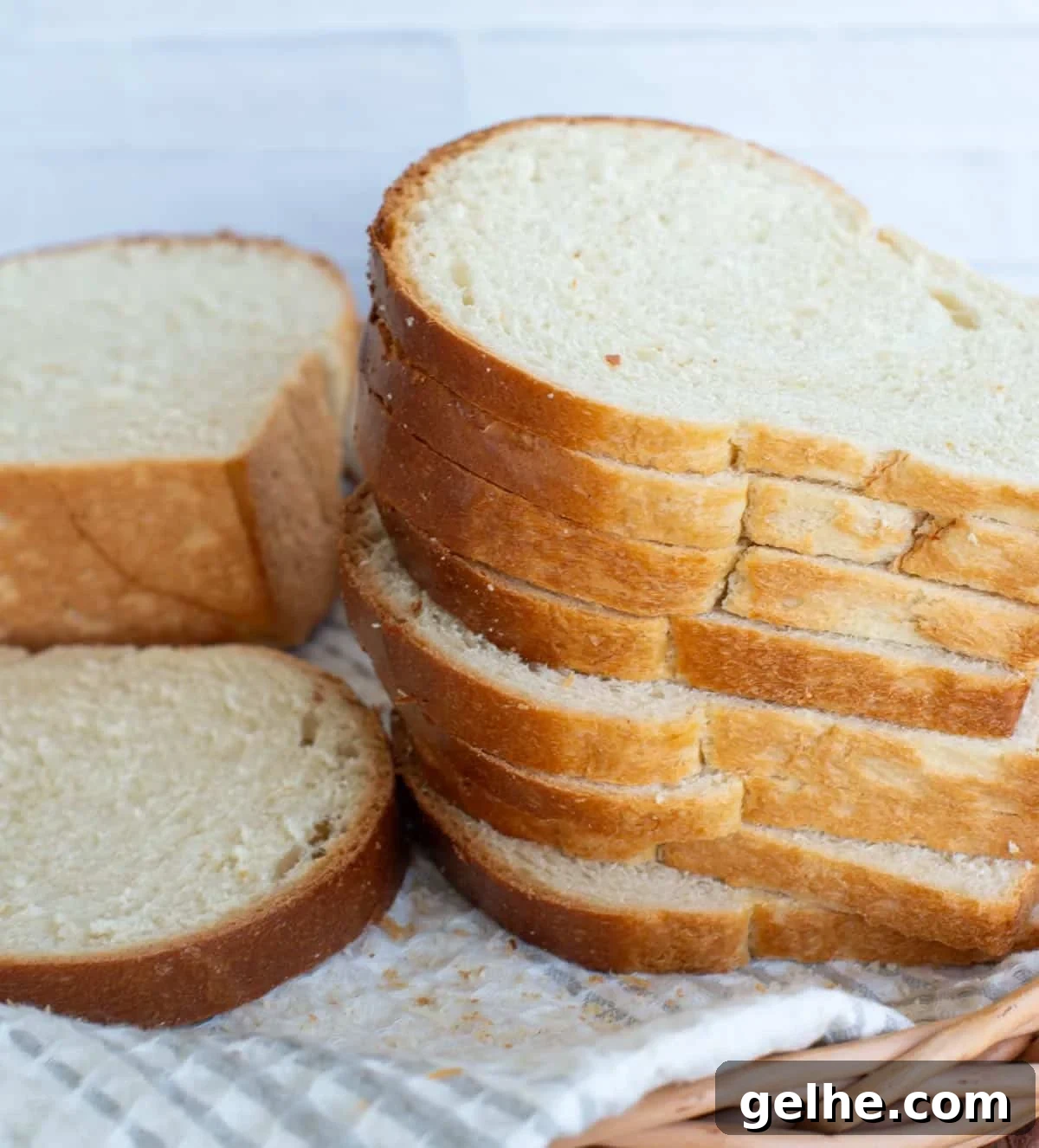
This super soft homemade sandwich bread is a must-have recipe for every home baker. It’s straightforward to make, ideal for beginners, and yields a tender, slightly sweet loaf perfect for toast, sandwiches, or just a smear of butter. Once you try this, you may never buy store-bought sandwich bread again.
This is more than a basic white loaf — it’s soft, fluffy, and reliably delicious. My family makes this recipe again and again. Whether you’re new to baking or want a dependable go-to sandwich loaf, this recipe delivers consistent results and great flavor.
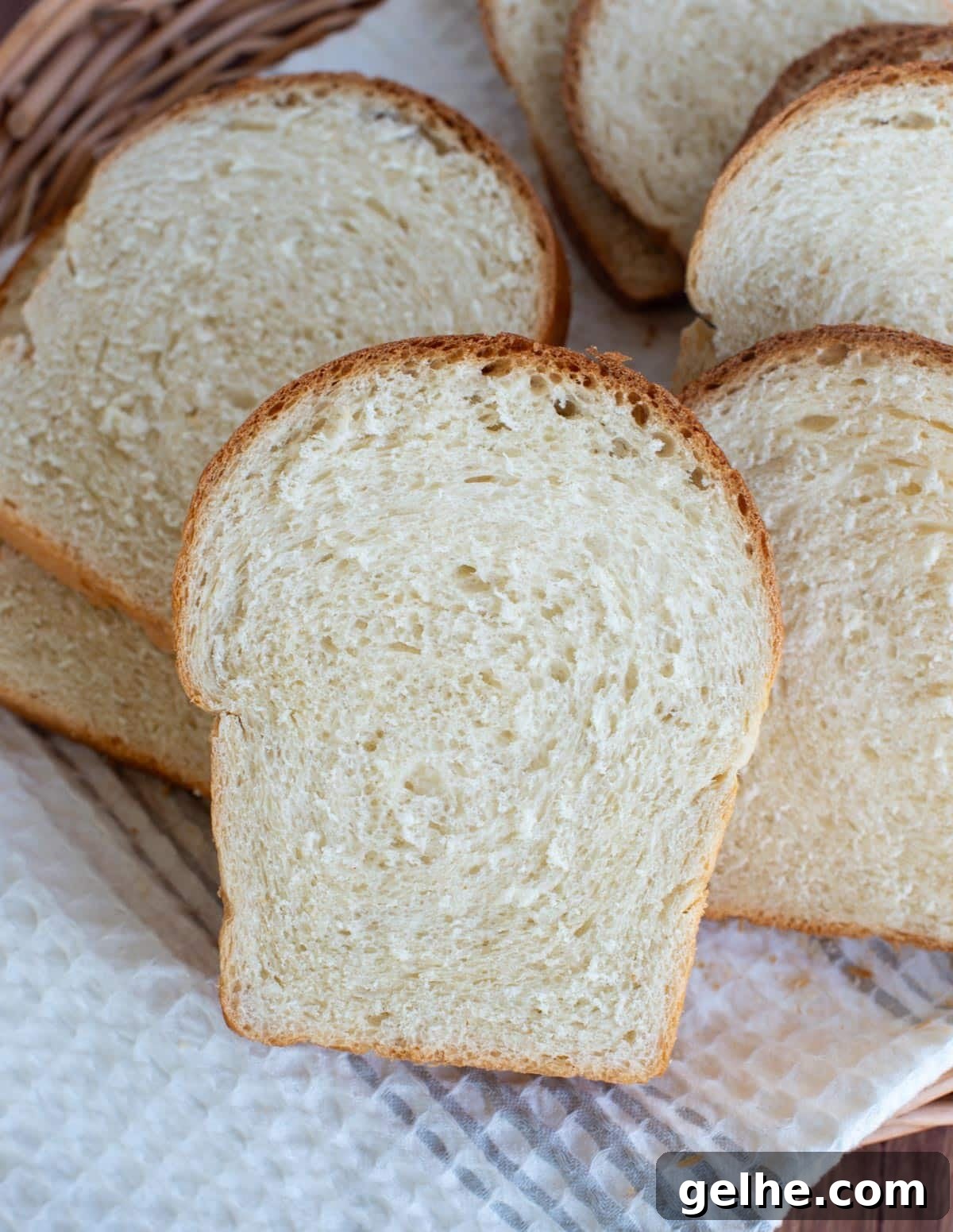
Why You’ll Love This Soft Sandwich Bread
- Easy – A simple, beginner-friendly recipe that yields consistent, delicious loaves.
- Soft & Fluffy – A pillowy crumb that toasts beautifully and makes outstanding sandwiches.
- Versatile – Great for everything from PB&J and grilled cheese to French toast or a thick slice with butter. It also stands up to loaded sandwiches like BLTs and clubs.
Amy’s Bread Baking Tips
If you’re new to bread baking (or want to improve your results), these practical tips will help:
1. Temperature Matters
Liquid and dough temperature control how quickly the dough rises. Warmer dough rises faster. If your dough stalls, place it somewhere warm to encourage rising.
2. Choose Your Yeast Carefully
Instant yeast is convenient and activates quickly. Active dry yeast can be used but should be activated first in warm water.
3. Weigh Ingredients When Possible
A scale gives accurate and consistent results. If you must use cups, hold back a cup of flour and add gradually so the dough ends up soft and slightly tacky, not dry.
4. Avoid Adding Too Much Flour
Bread dough should be a little tacky. Adding too much flour leads to dry, dense loaves.
5. Cool Before Slicing
Let the bread cool completely before slicing. Slicing hot bread can make the crumb gummy and affect texture.
Bread Tools You’ll Need
You don’t need specialty tools, but these items are helpful:
- Bread Pans – An 8.5 x 4.5 or 9 x 5-inch metal pan works well for even baking.
- Stand Mixer – Saves effort when kneading, though you can knead by hand for 10–12 minutes.
- Kitchen Scale – More accurate than cups and useful for consistent results.
- Proofing Container – A large bowl or the mixer bowl with a cover for the bulk rise.
- Cooling Rack – Prevents soggy bottoms and helps the loaf cool evenly.
Important Ingredients
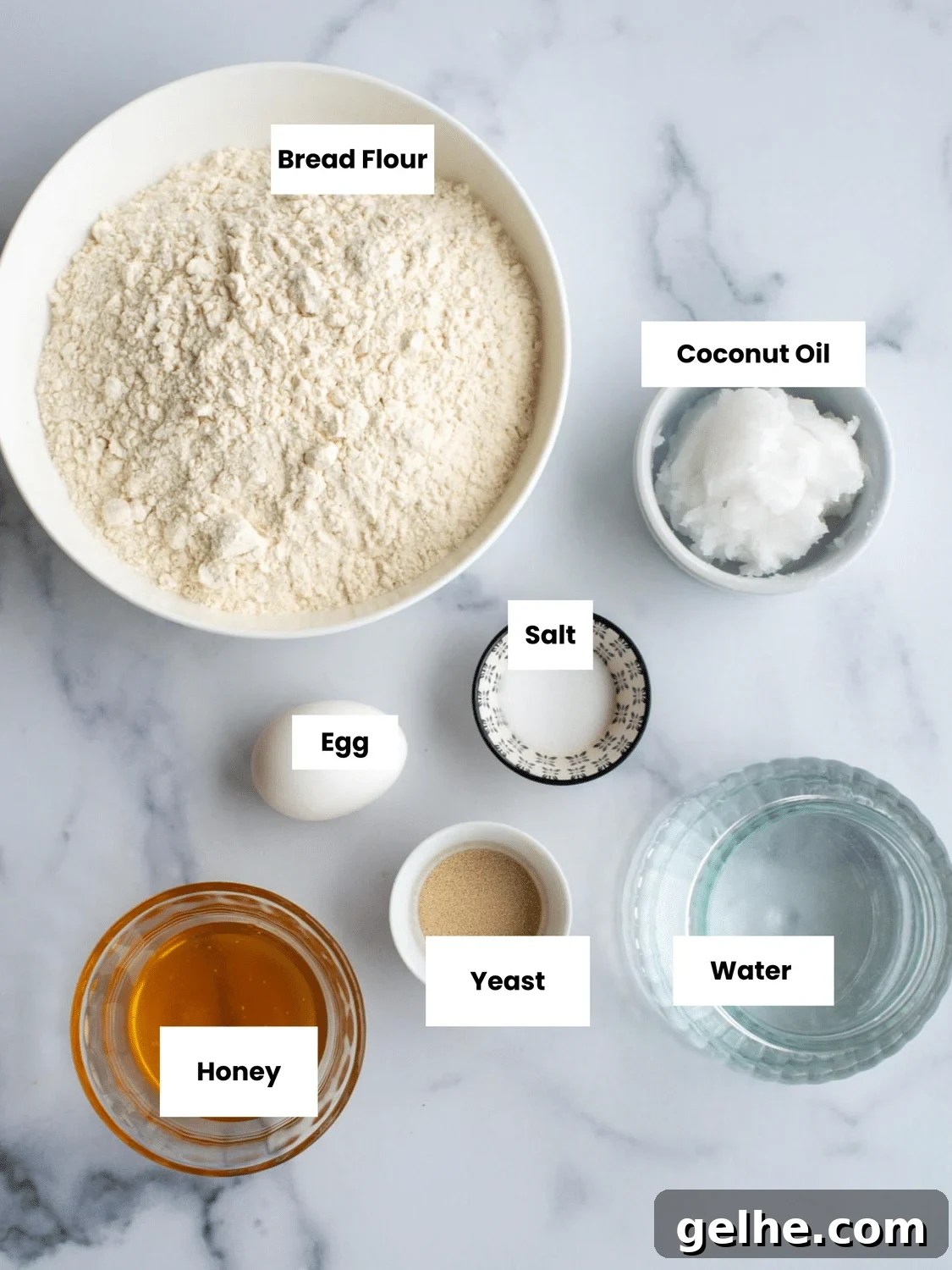
- Instant Yeast: This recipe is written for instant yeast. If you use active dry yeast, activate it in warm water and a bit of sugar first.
- Honey: The loaf has a noticeable sweet undertone from the honey. You can halve the honey for a less sweet bread and slightly reduce the flour to compensate.
- Coconut Oil: Adds a soft texture. Use liquid coconut oil or substitute a neutral oil or melted butter if preferred.
See the recipe card for full ingredient quantities.
Substitutions
- Egg: Omit for an egg allergy and reduce the flour slightly (hold back about a cup and add as needed).
- Bread Flour: Bread flour gives the highest, chewiest loaves. All-purpose will work but may require a bit more flour.
- Whole Wheat: Substitute up to half the bread flour with whole wheat for a heartier loaf; it will be slightly denser but tasty.
How to Make Homemade Sandwich Bread
Mix & Knead the Dough
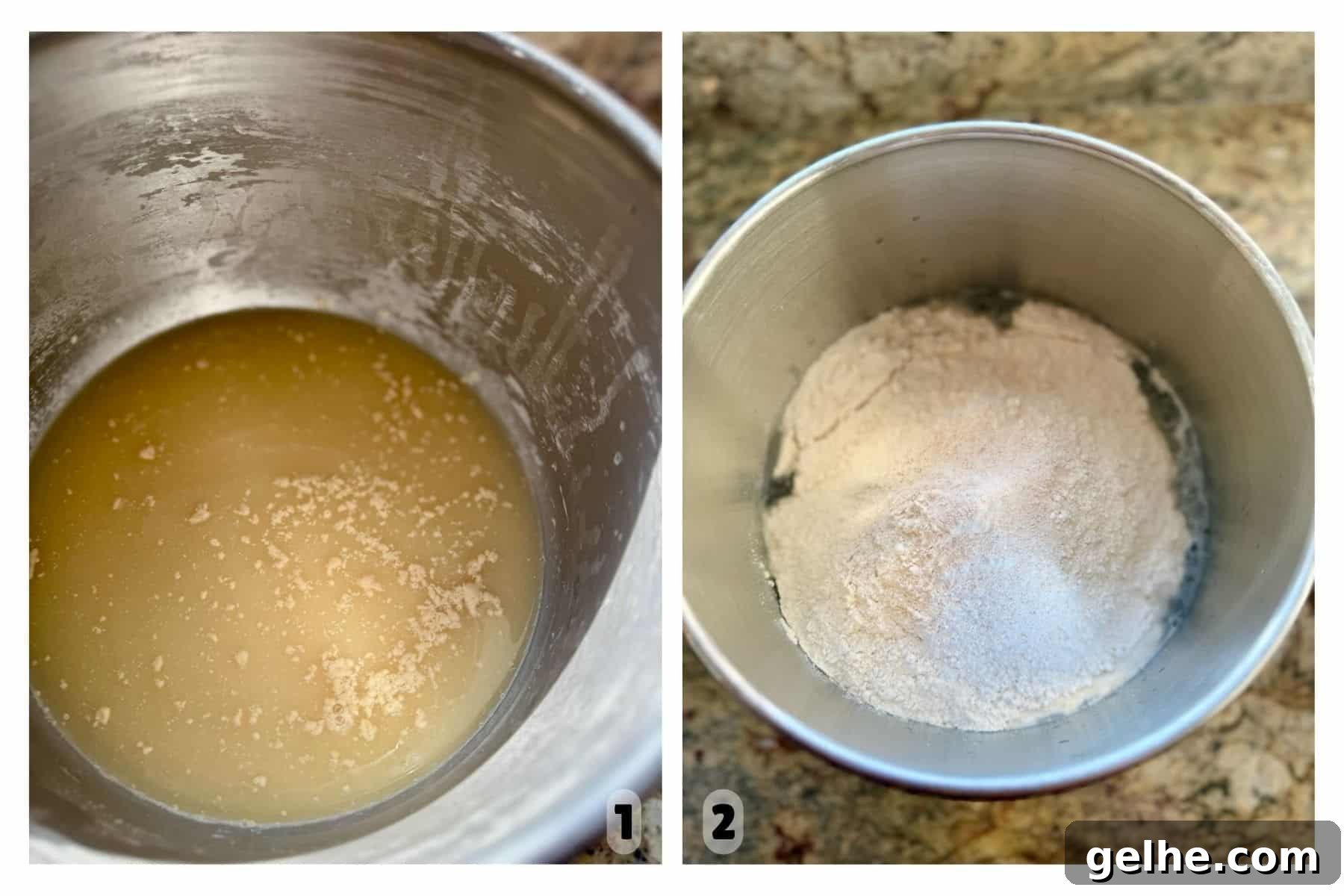
Step 1: In the bowl of a stand mixer, combine warm water, honey, and instant yeast. If the yeast shows a yeasty smell or a little bubbling, it’s active. Add the egg, coconut oil, salt, and most of the bread flour, holding back about a cup. Add the remaining flour gradually while kneading to avoid over-flouring.
Step 2: Knead for about 8–12 minutes until the dough is tacky, cohesive, and elastic. The dough should pull away from the bowl and form a smooth ball. For best strength, aim for the windowpane stage, stretching a small piece thin enough to see light through without tearing.
Note: Instant yeast can be mixed directly into dough, but briefly blooming it in warm water confirms it’s alive and avoids a failed batch.
Proof & Shape Sandwich Loaves
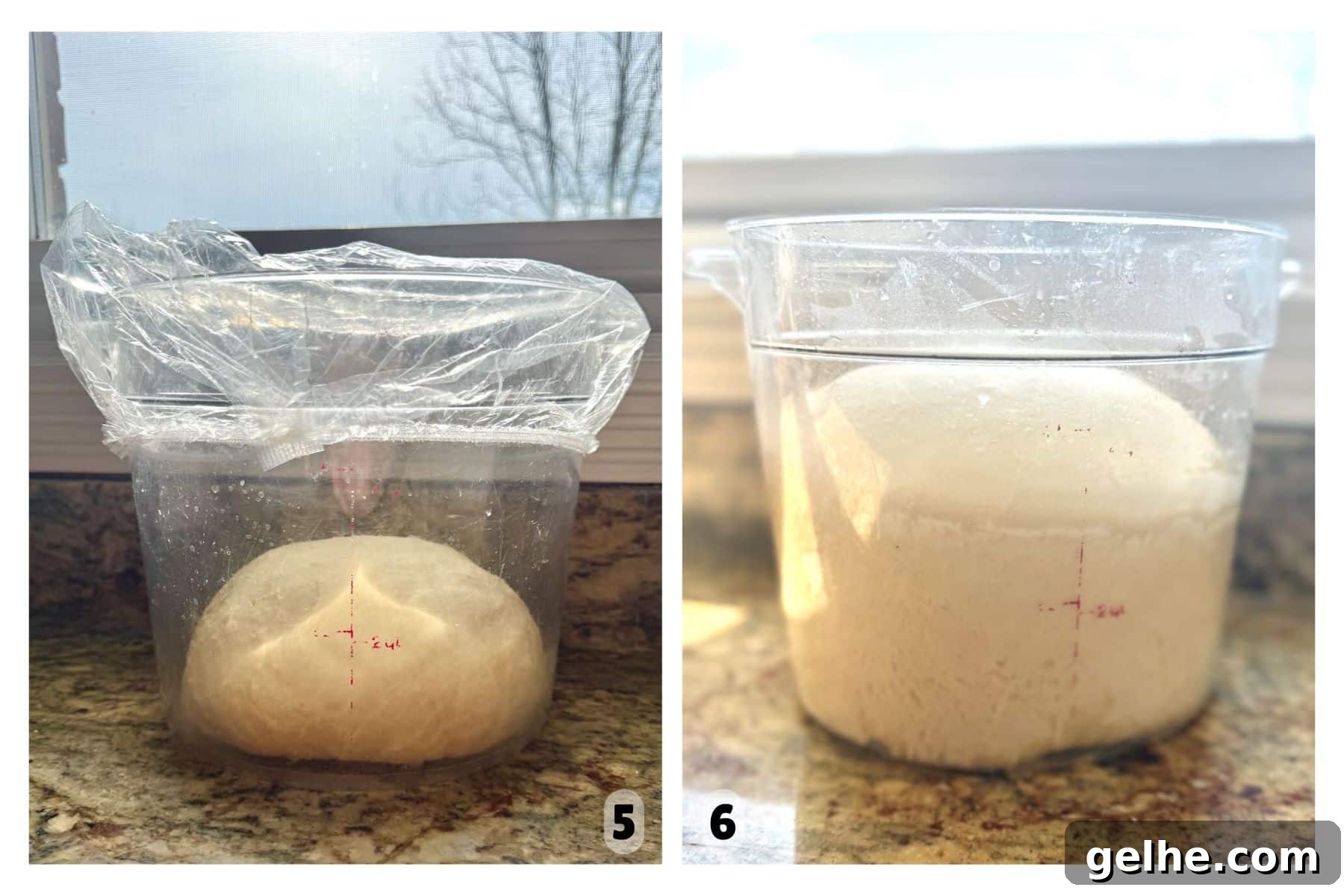
Step 3: Transfer the dough to a lightly oiled container, cover, and let it rise in a warm spot (around 80ºF) until doubled, about 1–2 hours depending on temperature.
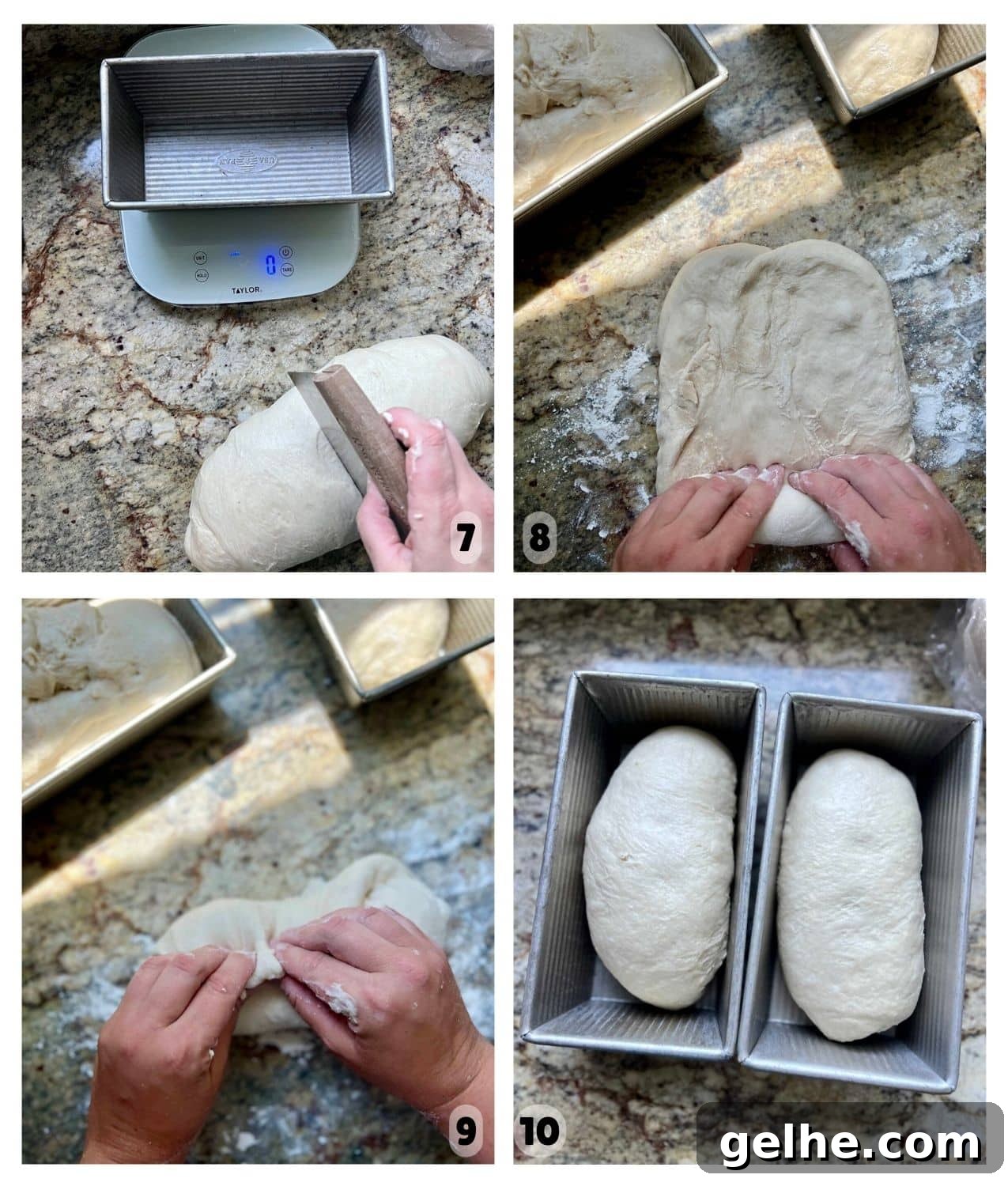
Step 4: Divide the doubled dough into two equal portions. Pat each into a rectangle and roll from the edge nearest you into a tight log, pinching the seam closed. Tuck and round the ends and place seam-side down in greased 8.5 x 4.5-inch loaf pans. Cover and let rise.
Shaping tip: A rectangle about 6–7 inches wide and 12–14 inches long usually rolls to the correct size for the pan.
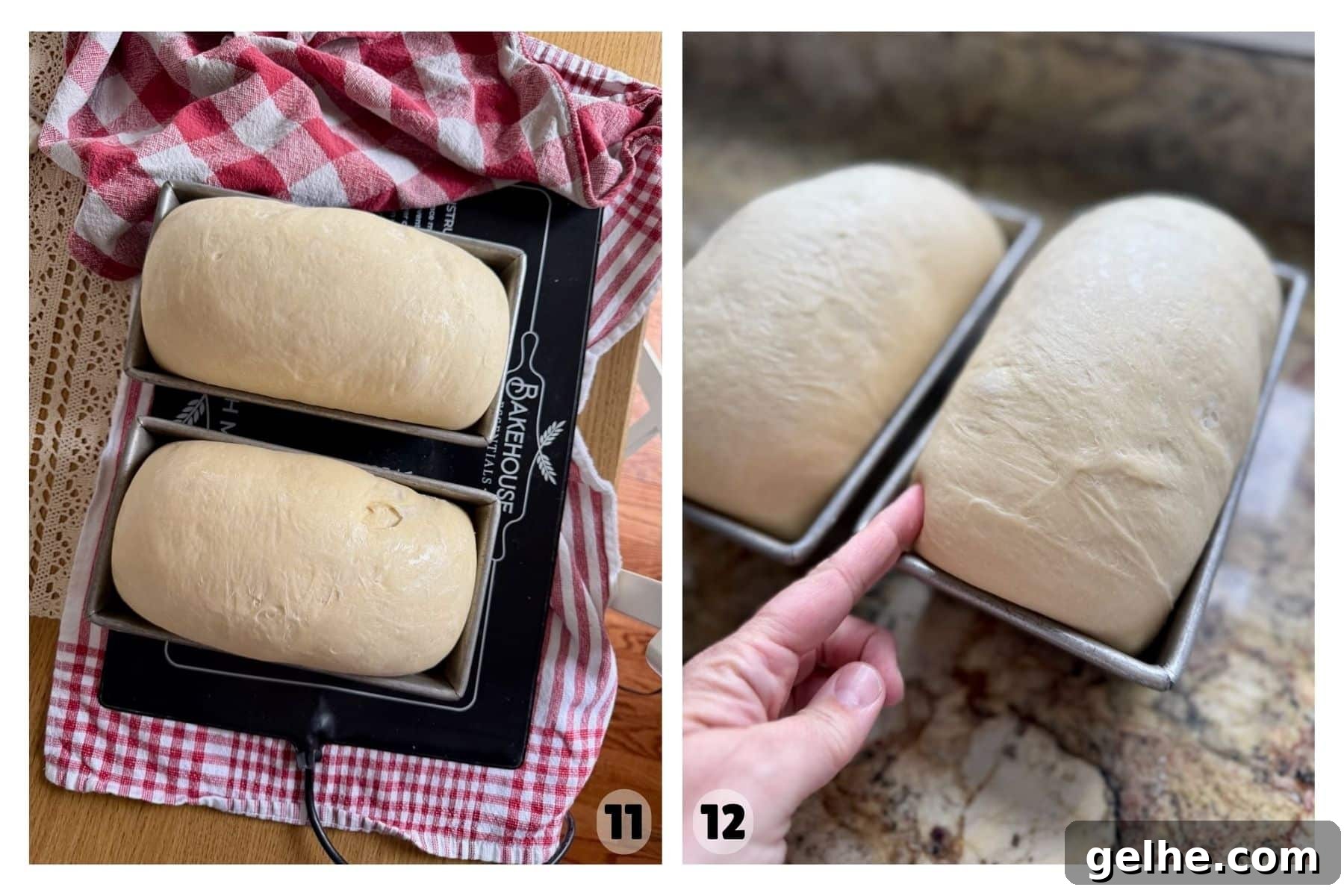
Step 5: Let the loaves finish rising at warm room temperature (around 80ºF) for 1–2 hours until risen above the rim of the pan. Test readiness by gently pressing a finger into the dough:
- If it springs back slowly and leaves a slight indentation, it’s ready to bake.
- If it springs back quickly, it needs more time.
- If it doesn’t spring back and feels very soft or deflated, it’s likely over-proofed but can still be rescued by reshaping and giving a shorter second rise.
Bake the Sandwich Bread
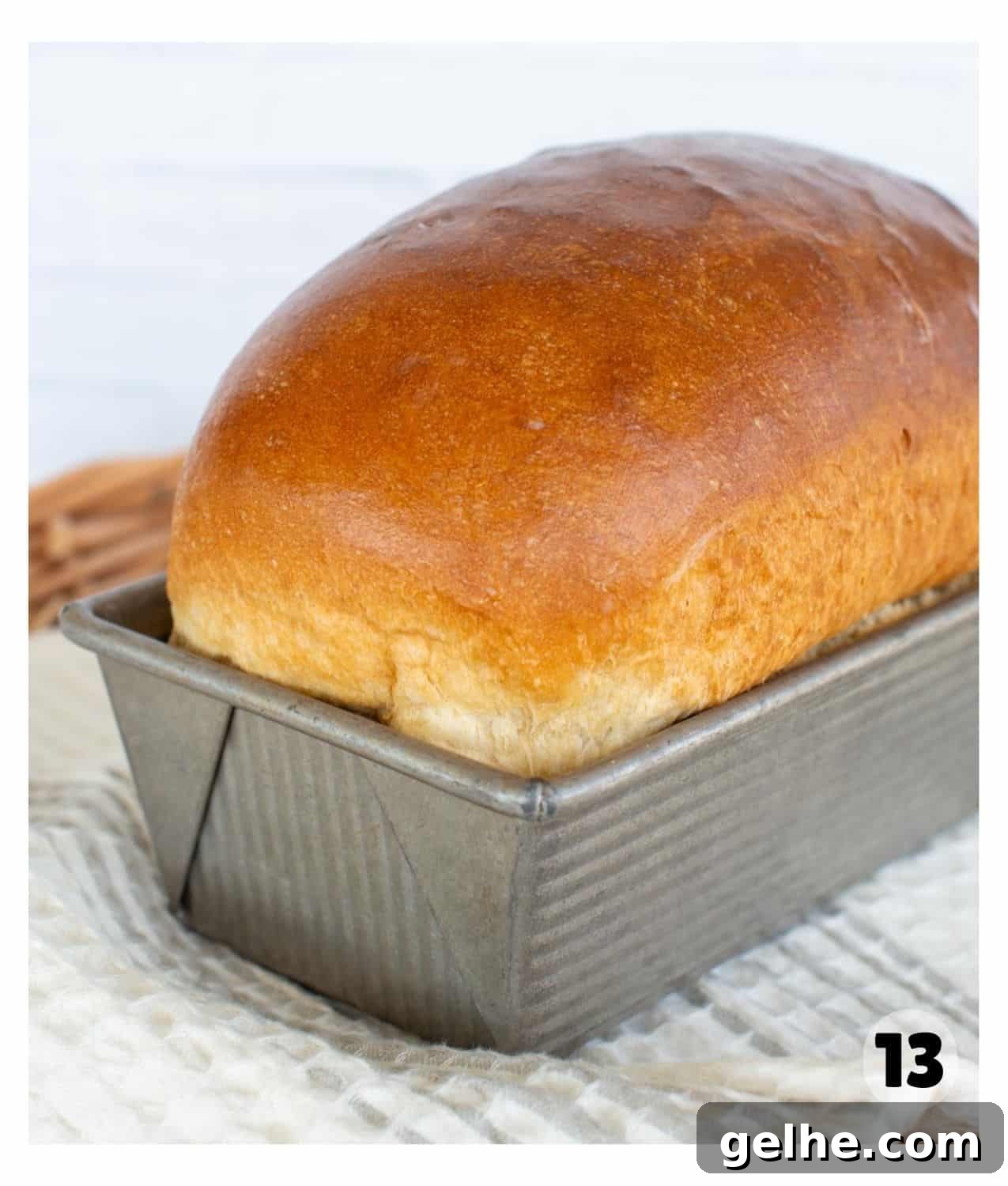
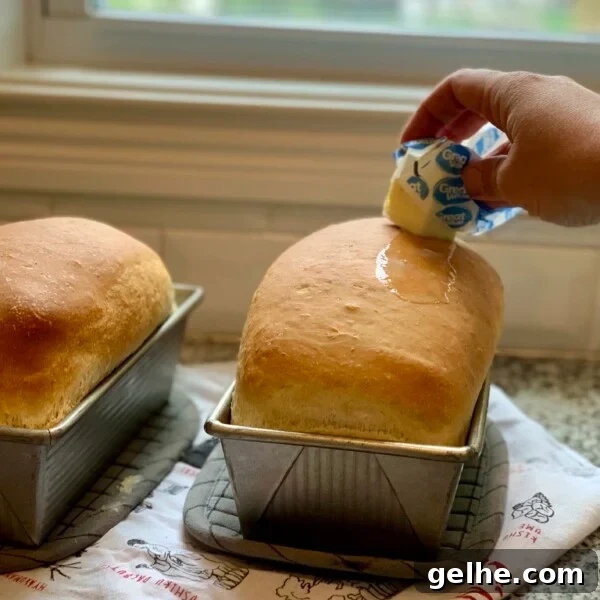
Step 6: Preheat the oven to 350ºF. Bake the loaves for about 40 minutes until golden brown and the internal temperature reaches 190–195ºF. Brush tops with melted butter if desired. After 5–10 minutes out of the pan, transfer loaves to a cooling rack and cool completely before slicing.
How to Store Leftovers
Once fully cooled, slice and store bread in an airtight bag or container. For longest freshness, freeze slices and thaw as needed. Freezing preserves texture and prevents staling.
Amy’s Recipe Tip
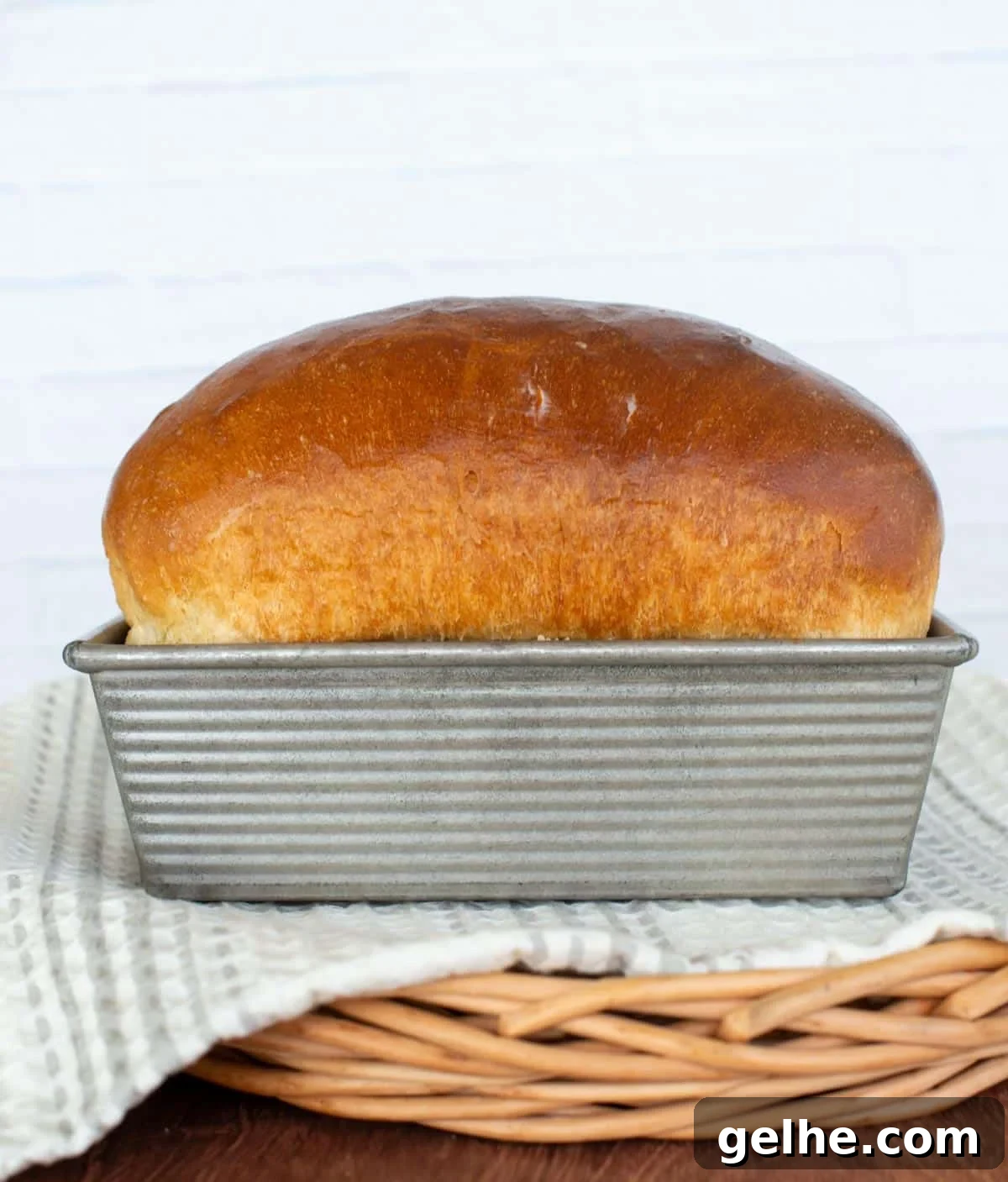
If you need to slow the process, refrigerate the dough during either the bulk rise or the final rise after shaping for up to 12 hours. When ready to bake, allow the dough to come back to temperature and finish rising before baking.
Frequently Asked Questions
Activate active dry yeast by dissolving it in warm water (about 100°F) with a pinch of sugar. Let it sit for 5–10 minutes until foamy before adding to the dough.
Yes, this loaf is on the sweeter side thanks to the honey. You can halve the honey for a less sweet bread and reduce the flour slightly to compensate.
That’s over-proofing. It occurs when dough rises too long and the gluten weakens. Next time, bake a bit earlier when the dough still holds structure.
Lightly flour your hands and surface, but avoid adding too much flour. Chilling the dough for 10–15 minutes can also make it easier to handle.
Dense bread usually comes from under-proofing, under-kneading, or adding too much flour. Aim for a soft, stretchy dough and give it adequate time to rise in a warm spot.
Yes. There are sourdough discard and 100% sourdough variations if you prefer to bake with a starter.
Bread Recipes You’ll Love
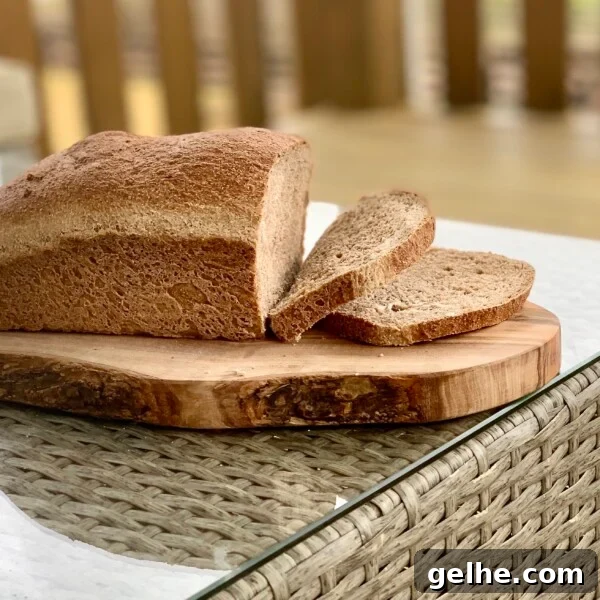
Honey Whole Wheat Bread
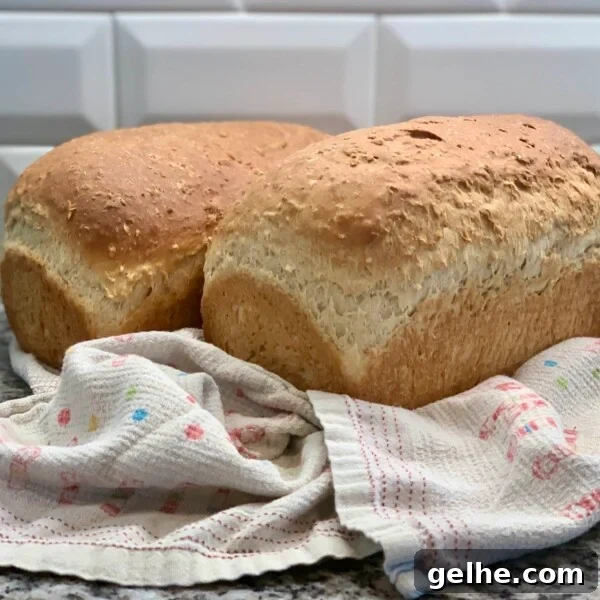
Honey Oatmeal Bread
Fluffy Potato Bread
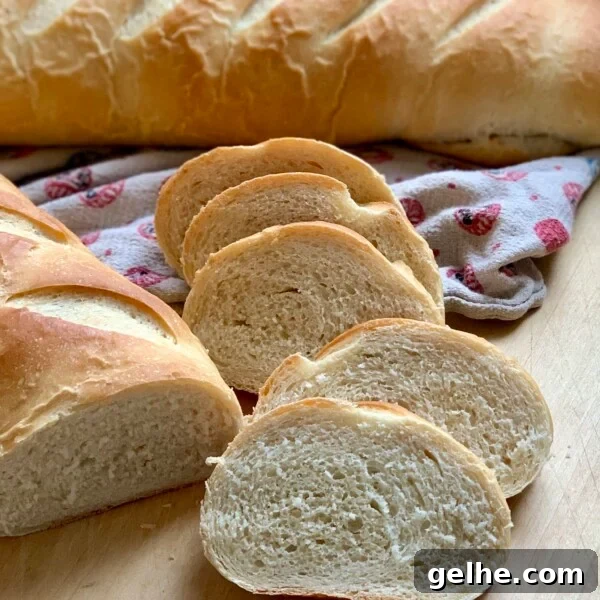
Soft French Bread
If you tried this Soft and Fluffy White Sandwich Bread or another recipe, leave a star rating and share how it went in the comments. Happy baking!
Soft and Fluffy Homemade Sandwich Bread
Equipment
- stand mixer
- 2 x 8.5 by 4.5 loaf pans
Ingredients
- 475 grams warm water (about 98–100ºF), ~2 cups
- 160 grams honey (about 1/2 cup) — adjust to taste
- 10 grams instant yeast (1 Tablespoon)
- 50 grams coconut oil, liquid (1/4 cup) or another neutral oil
- 1 large egg (about 50 grams)
- 16 grams salt (2 teaspoons)
- 1000 grams bread flour (about 6 cups)
Instructions
- Add warm water, honey, and instant yeast to the mixer bowl. If the yeast bubbles or smells yeasty, it’s active.
- Add coconut oil, egg, salt, and most of the bread flour. Mix and knead, adding the remaining flour as needed. Knead 8–12 minutes until the dough is tacky, pulls away from the bowl, and is elastic.
- Transfer dough to a lightly oiled container, cover, and let rise 1–2 hours until doubled in size, depending on temperature.
- Divide dough into two equal portions. Pat one portion into a rectangle, roll tightly from the edge toward you, pinch the seam closed, tuck the ends, and place seam-side down in a greased loaf pan. Repeat for the second loaf.
- Cover and let the loaves rise 1–2 hours until the dough has risen above the rim of the pan. Test with a gentle finger press for the correct spring-back.
- Preheat oven to 350ºF. Bake for about 40 minutes until golden and the internal temperature reaches 190–195ºF. Brush with melted butter if desired, remove from pans after 5–10 minutes, and cool completely on a rack before slicing.
Notes
Bread Flour: Use bread flour for a taller, chewier loaf. All-purpose works with a touch more flour. You can replace up to half with whole wheat if desired.
Coconut Oil: Gives a soft crumb; substitute another neutral oil or melted butter if you prefer.
Overnight Rise: Either the bulk rise or the final rise can be refrigerated for up to 12 hours to slow the process.
Nutrition
Nutrition information is an approximation.