
Cemetery tours are an important tool for genealogy research. Walk a cemetery to discover more about your ancestors.
I enjoy cemetery research — it’s one of my favorite ways to learn about family history. Admittedly, my enthusiasm for cemeteries isn’t always shared by my grown children.
You can take a cemetery tour on your own in a small family plot or join a guided tour in a larger burial ground. Either way, a cemetery visit can provide valuable clues about your ancestors.
What You Can Learn From A Cemetery Tour
When tracing heritage, many of us make a point of walking where our ancestors walked — and that often leads straight to a cemetery. You might be standing in a tiny family burying ground in a field, or amidst a historic urban churchyard. Prepare to make the most of that time.
If the cemetery is large, check whether they offer guided tours or printed guides. The context you gain can influence your research and help you interpret what you find.
The History of the Cemetery
Consider what type of cemetery you’re visiting: a municipal cemetery, a churchyard, a military cemetery, or a private family plot? Understanding why the cemetery was established and why it’s located where it is will help you interpret tombstone evidence and burial patterns.
On one trip I found my great-great-great-grandparents in a church cemetery in Lee County, NC — but I initially missed that it had started as a small family cemetery on private land. Had I researched the site first, I would have understood that context before drawing conclusions.
If you visit a cemetery with tours available, sign up. Even if your relatives aren’t highlighted, the tour still offers insight into the cemetery’s sections, unique burial customs, and symbolic meanings found on markers. In some countries, family plots are leased for a fixed period, information that could be crucial for tracing descendants and relocations.
Genealogy Tip: If you’re on a guided tour and your ancestors are buried there, tell the guide. They may share details or point out relevant graves you’d otherwise miss.
Create Your Own Self Guided Cemetery Tours
Many cemeteries don’t offer formal tours, but you can still get a local perspective and make your visit productive.
Contact the cemetery office to ask about informal tours. Reach out to the local historical or genealogical society to see if someone can show you around. Local knowledge often reveals stories and locations that online sources don’t capture.
On a spring morning in rural southern Virginia, my dad and I were photographing graves when an older man stopped by. After we explained our purpose he shared stories about the cemetery and surrounding properties — including directions to an old family homestead and an amusing tale about cannon balls stored in a barn. That spontaneous conversation enriched our research far beyond what we expected.
Genealogy Tip: Turn away from the screen and walk the ground where your ancestors lived. You’ll often discover more in person.
What I Do Differently Now & What I Recommend
I no longer arrive at a cemetery unprepared. Once I’ve identified a cemetery to visit, I research its history and the surrounding community online. For churchyards I contact the church for additional information and to ask whether someone can meet me.
I also check online burial databases such as Find a Grave and BillionGraves to list who is buried there. Knowing in advance which relatives are interred helps prevent missed opportunities on site.
Genealogy Tip: Look for maps or mobile apps for the cemetery and download them before visiting. Large sites like national cemeteries often provide planning resources and apps to guide your visit.

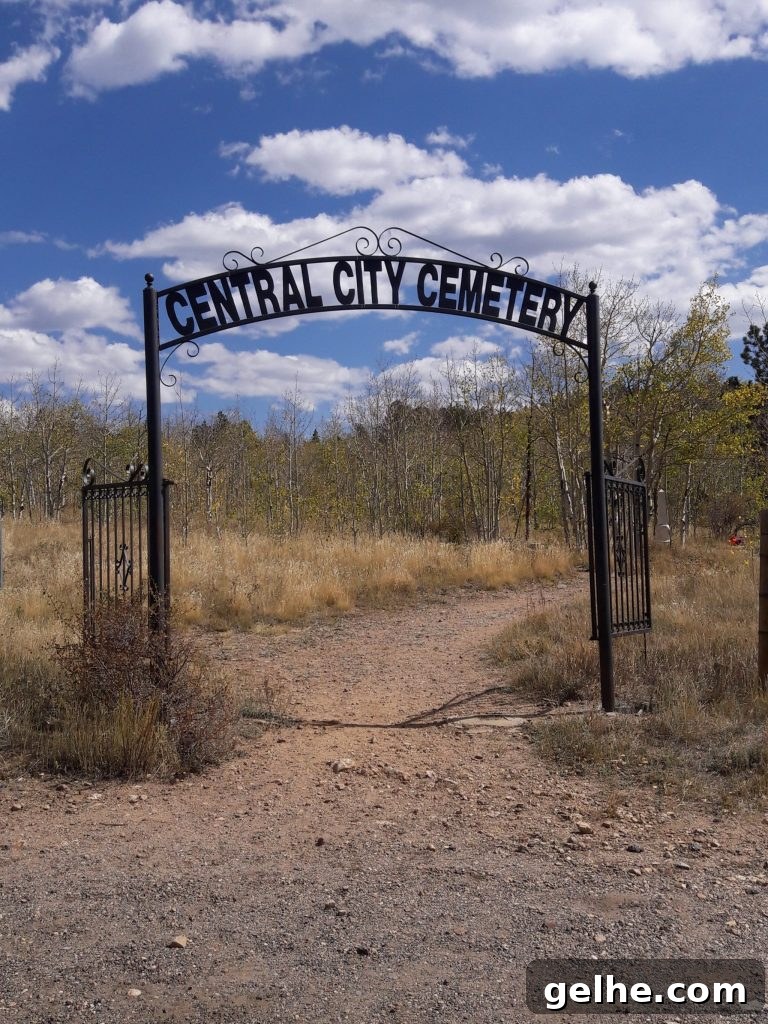
At the cemetery, I start by photographing any signage at the entrance. Signs can include establishment dates and contact details for the cemetery office. If there’s an associated church, I photograph its sign and any historic cornerstone.
Next I get a sense of the layout: where the older and newer sections are, whether family plots are grouped, and where notable monuments stand. Then I locate and examine gravestones for my ancestors, taking careful notes and photos.
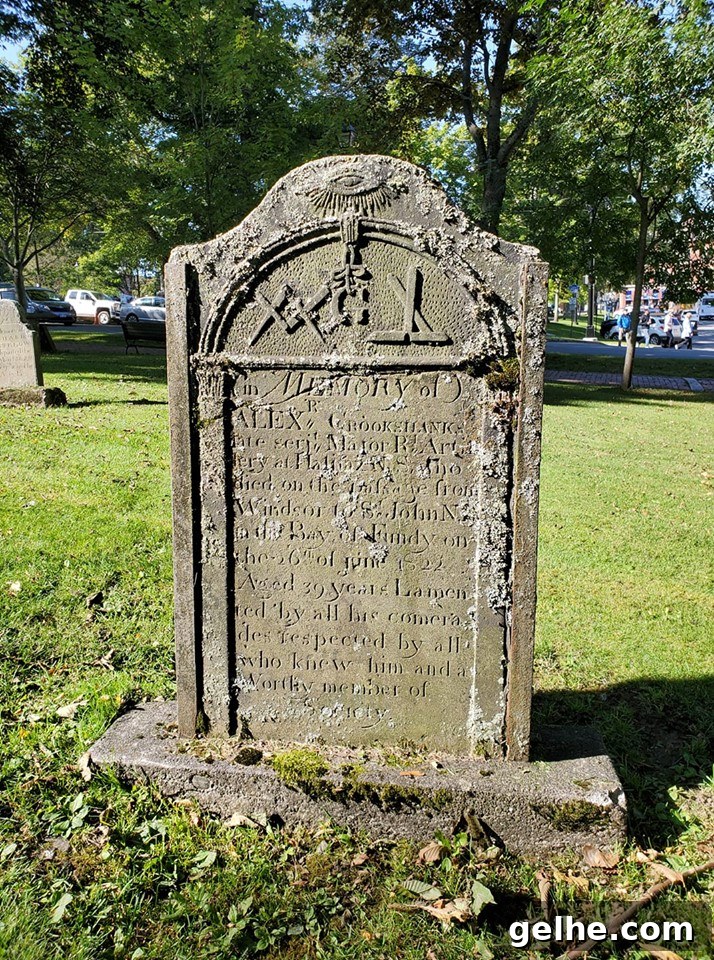
When I find a relative’s marker, I analyze the inscription, dates, symbols, and nearby burials to build a fuller picture of family connections. Take your time — rushing can cause you to overlook clues that deepen your research.

Cemetery Tours Review
Here’s a concise summary of how to approach cemetery research efficiently.
- Seek out a tour of the cemetery where your ancestors are buried.
- Tell the guide what you’re researching and where your family plots are believed to be located.
- Be receptive to the cemetery’s unique history and how it might affect burial practices and records.
- Collect any printed materials the cemetery provides.
- When no formal tour is available, create your own.
- Research the cemetery’s history online and print maps or notes to take with you.
- Contact the cemetery office, church, or a local genealogical society to request assistance or local insight.
- Start at the entrance and photograph signage, buildings, and the layout.
- Carefully analyze each gravesite you’re researching.
- Be aware of hazards like fire ants or uneven terrain.
- What I take with me on cemetery visits.
- Bug spray — some areas have biting insects or ants.
- Water — visits can be physically demanding in warm weather.
- A notepad or a note-taking app to record observations and inscriptions.
Other Articles Of Interest
- Your Guide to Finding An Ancestor’s Date of Death
- How To Discover the Meaning Behind Numbers on Death Certificates
- Heritage Travel 101: How to Begin Planning a Heritage Trip
Note: Some posts may reference products or services; any recommendations reflect the author’s experience. Please consult the site’s disclosure and privacy policies for more information.