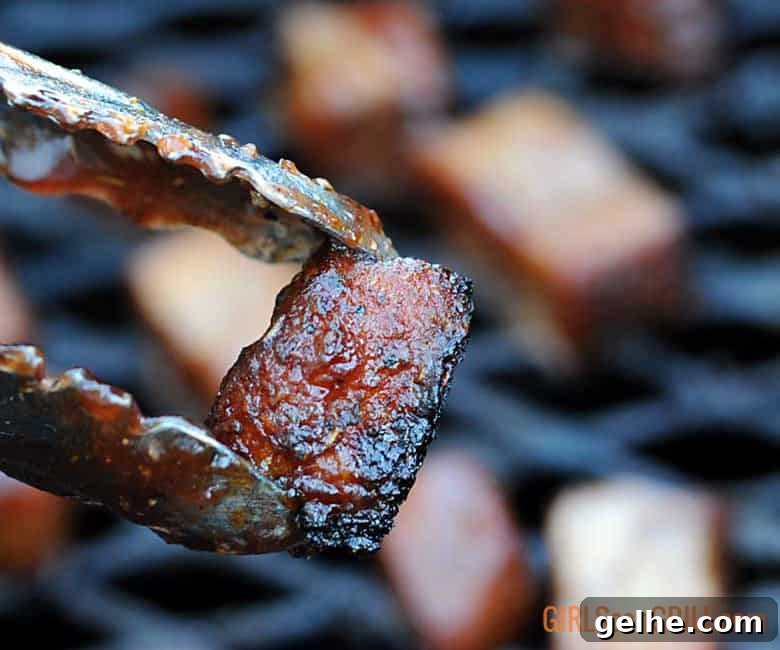
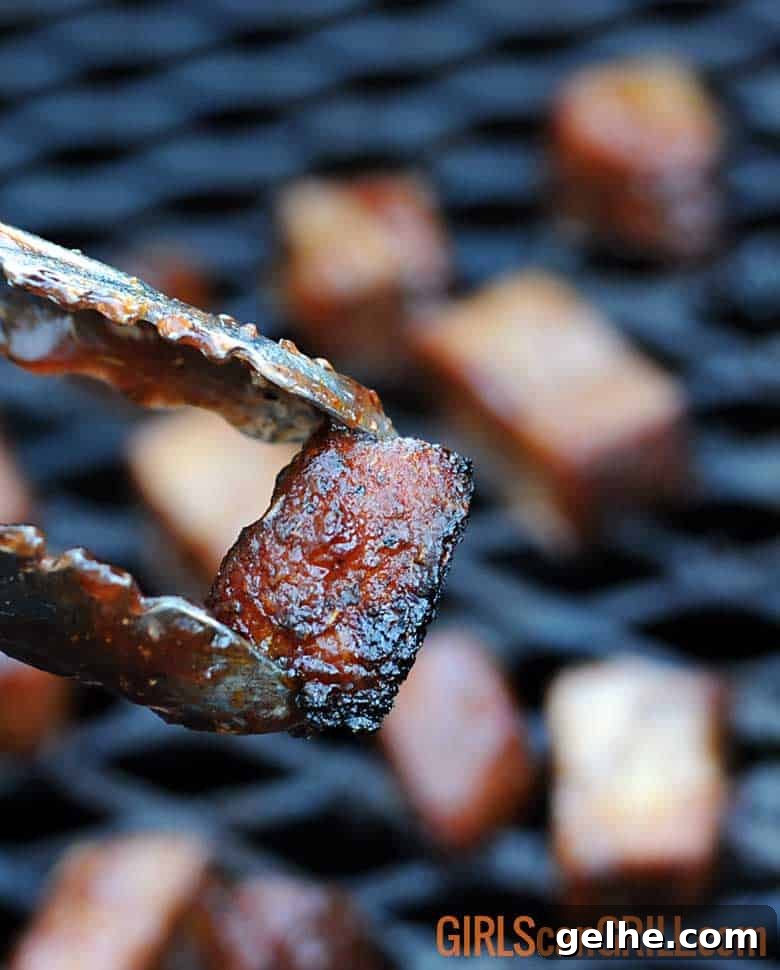
At first glance, turkey burnt ends sound strange — after all, burnt ends are a Kansas City barbecue staple traditionally made from beef brisket. Over time, creative cooks adapted the technique to pork belly, hot dogs and other proteins. So why not turkey?
Burnt ends are less a specific cut and more a method: cook low and slow, cube the meat, coat it in sauce, then return it to the heat to caramelize and become sticky. Turkey presents a unique challenge because it’s much leaner than brisket or pork belly. With experimentation I refined a reliable method that yields tender, saucy turkey burnt ends without drying them out.
The Recipe Testing Phase
Picking the Right Bird
I tested several turkey options, keeping to boneless pieces for easy slicing. I first tried a combined white-and-dark meat roast, since dark meat contains more fat. The problem was the way the packaged roast was layered: when sliced it fell apart and didn’t cube well for burnt ends.
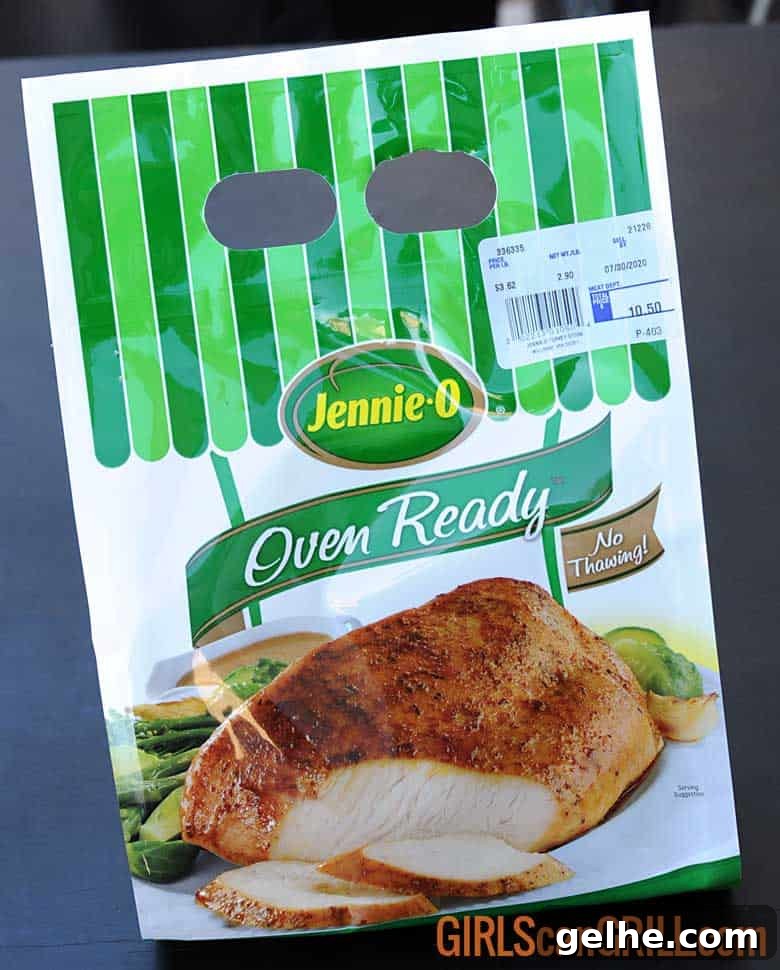
Next I used a boneless white meat turkey breast. The oven-ready, boneless turkey breasts from popular brands come pre-shaped and weigh about two pounds — a convenient size and shape that slices into neat cubes similar to a brisket point.
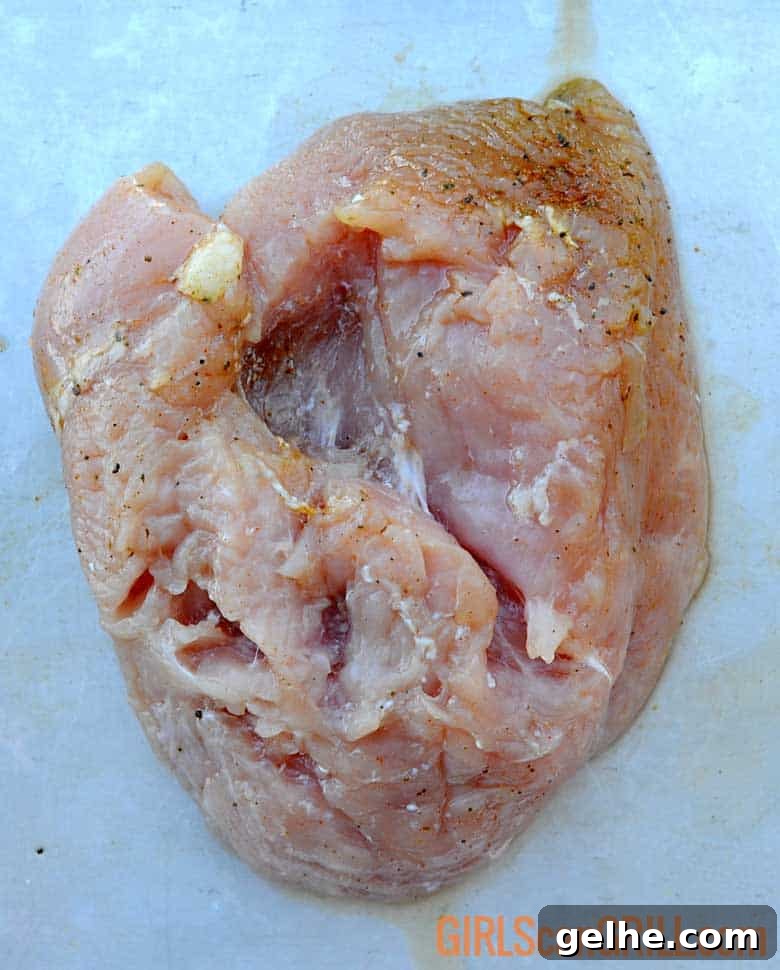
You can rinse off any factory seasoning and apply your own rub, but the pre-seasoned versions worked fine for me. Ignore the package instructions recommending cooking from frozen in the bag: thaw the breast fully and remove packaging before smoking.
Cooking to the Right Temp
Temperature strategy is the key difference between beef and poultry burnt ends. Brisket can safely be taken very high to develop tenderness and bark, but turkey must reach at least 165°F for safety — and the longer it cooks, the drier it can become. The goal is to keep the internal temperature near 165°F at the end while maximizing juiciness.
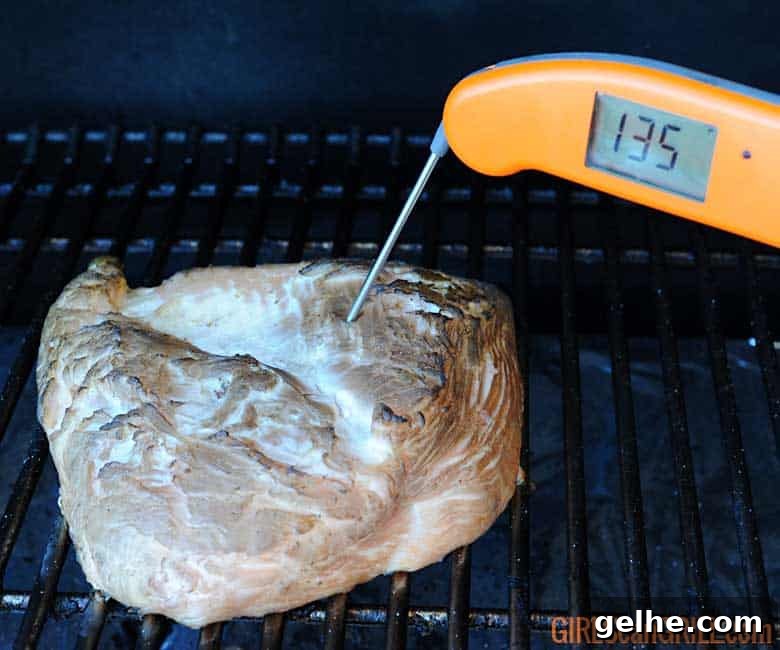
Start by smoking the thawed turkey breast at 225°F over indirect heat. After roughly two hours it should reach about 135°F internal. Remove it from the smoker and let it rest while you prepare the sauce. Then increase the smoker temperature to around 400°F and return the sauced cubes briefly so the sauce sets without overcooking the meat. The higher heat helps caramelize the sauce quickly and keeps the cubes moist.
Pro tip: use a reliable instant-read thermometer for accurate internal readings.
Don’t Cook Turkey Burnt Ends in a Pan
With beef or pork burnt ends, it’s common to toss the cubes in a pan with sauce and finish them there. That method didn’t work for turkey. When sauced turkey cubes were finished in a pan, the meat released liquid as it reached serving temperature, diluting the sauce into a broth instead of producing a sticky glaze.
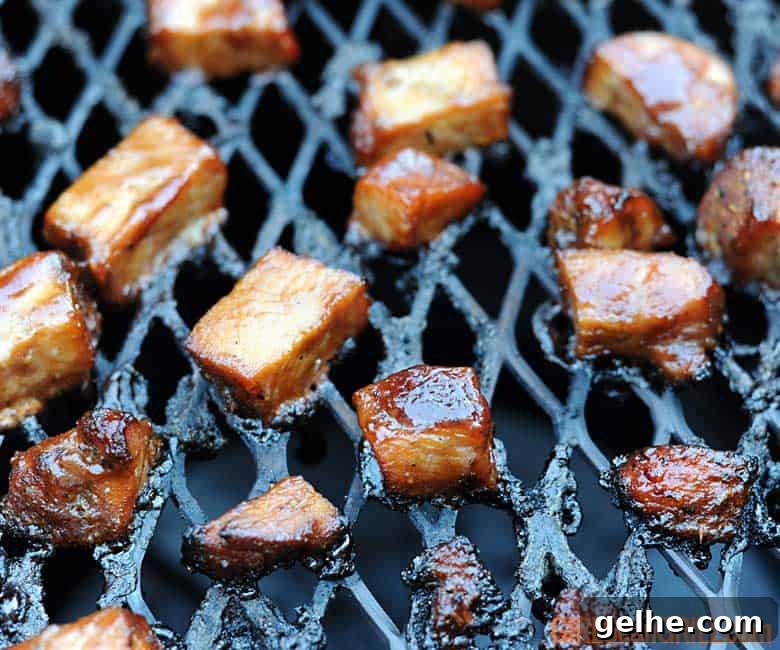
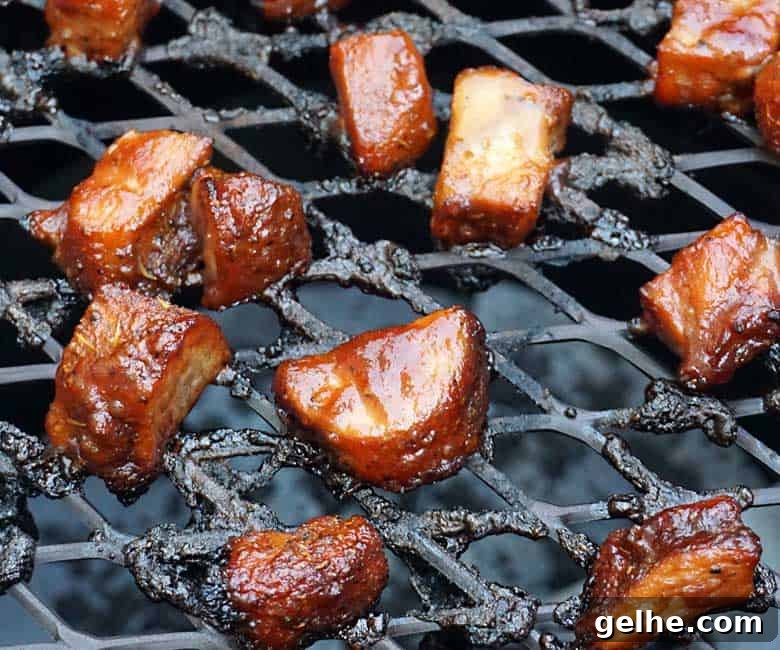
After multiple attempts I consulted a colleague with competition and food-truck experience. The solution was simple: coat the cubes in sauce, then return them directly to the smoker on the grate in a single layer rather than finishing them in a pan. This produced the glossy, sticky exterior you want without pooling juices.
Cranberry Barbecue Sauce
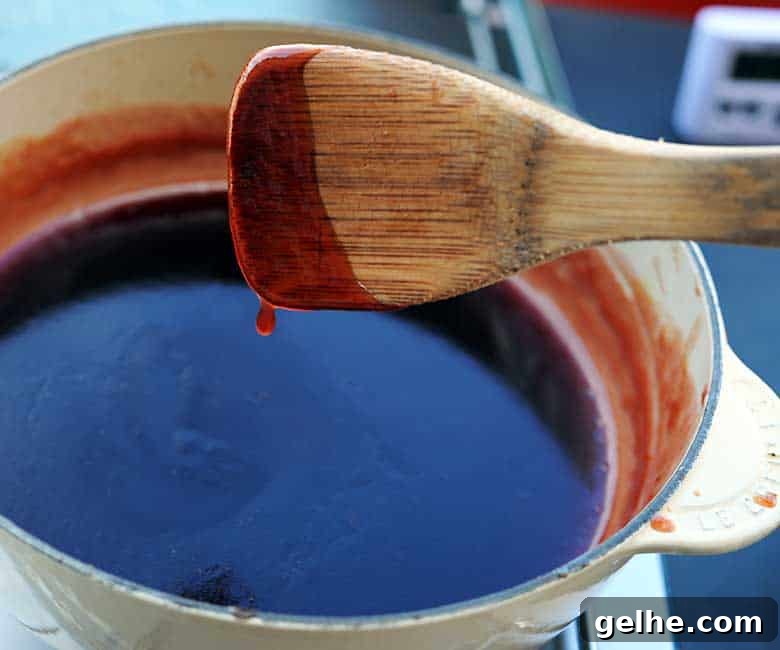
Cranberry is a natural pairing with turkey, so I developed a cranberry barbecue sauce specifically for these burnt ends. I use canned jellied cranberry sauce here because it melts down smooth and lends a great texture for glazing.
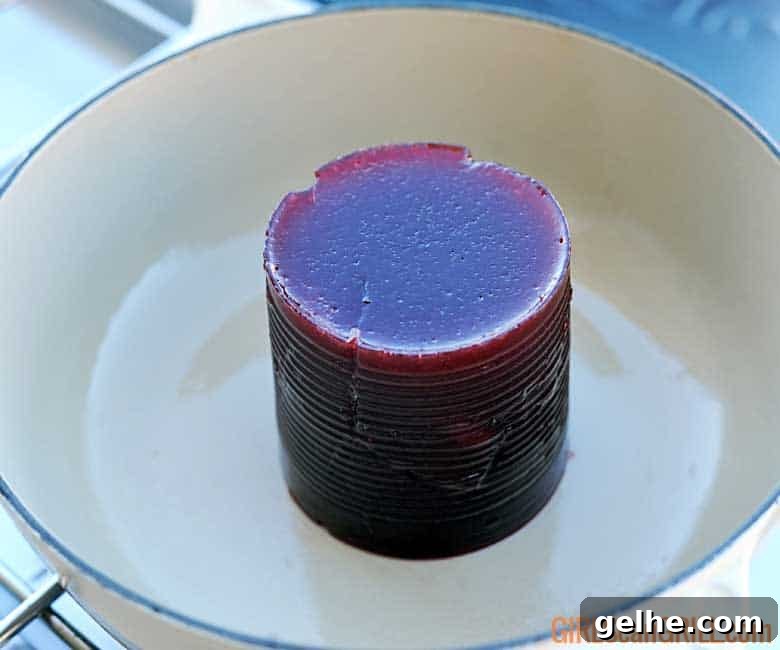
Combine the jellied cranberry sauce with brown sugar, orange juice and zest, apple cider vinegar, a little salt and an optional pinch of cayenne for heat. Simmer the mixture over medium-low heat for about 30 minutes, stirring occasionally. Simmering helps thicken the sauce and improves its stickiness so it coats the turkey beautifully.
The Stacked Stuffing Waffle
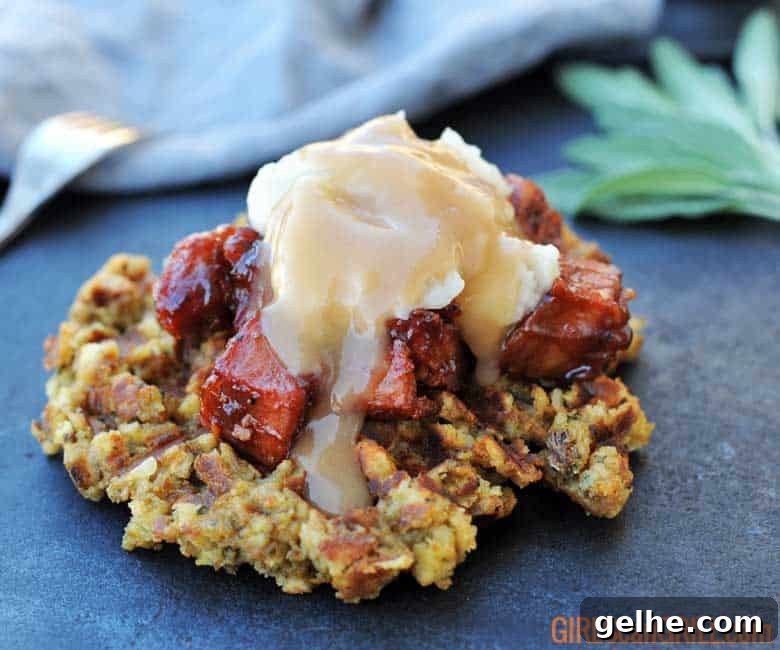
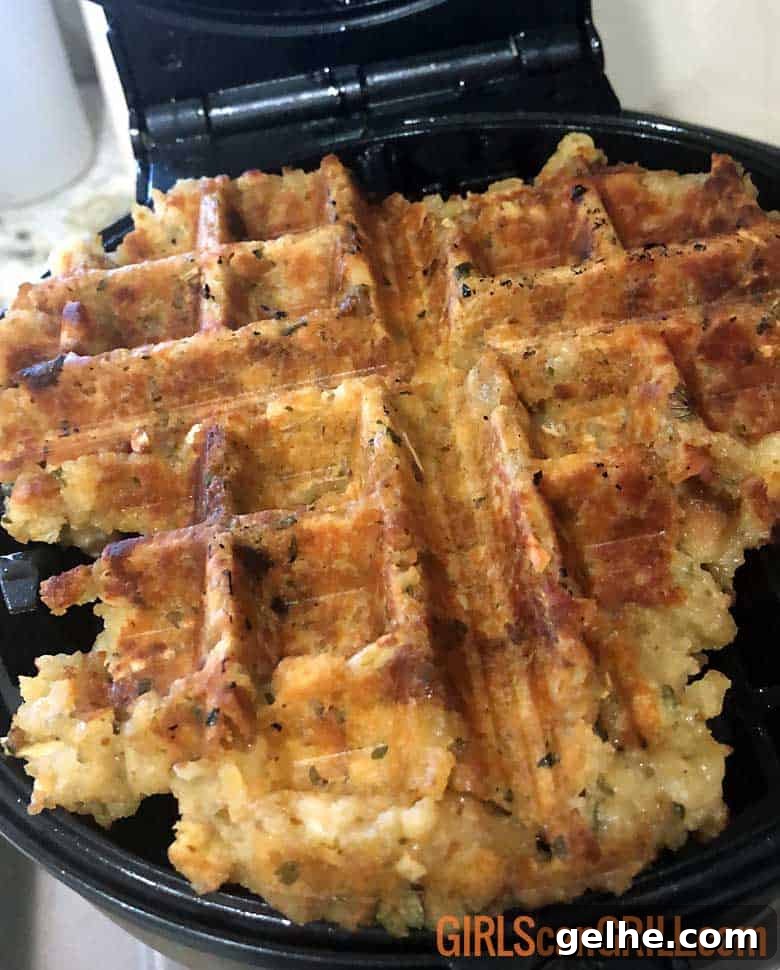
Serve these turkey burnt ends as an appetizer or main. For an over-the-top presentation, try a stuffing waffle: press prepared stuffing in a waffle iron until crisp, then layer it with turkey burnt ends, creamy mashed potatoes and turkey gravy. A final drizzle of extra cranberry barbecue sauce ties the flavors together.
Turkey Burnt Ends
Ingredients
- 1 Jennie-O Oven Ready™ Boneless Turkey Breast (about 2 lbs)
Cranberry Barbecue Sauce
- 1 can jellied cranberry sauce
- 3/4 cup brown sugar
- 1/4 cup orange juice
- 1 1/2 tbsp apple cider vinegar
- 1 tsp orange zest
- 1 tsp kosher salt
- pinch cayenne (optional)
Instructions
-
Thaw the turkey and remove all packaging.
-
Smoke the turkey at 225°F over indirect heat for about 2 hours, until the internal temperature reaches roughly 135°F.
-
Remove the turkey from the smoker and let it rest while you prepare the sauce.
-
Combine the cranberry barbecue sauce ingredients in a saucepan and whisk until smooth. Simmer over medium-low heat, stirring often, for about 30 minutes to thicken.
-
Slice the rested turkey breast into 1-inch cubes. Toss the cubes with the prepared sauce so they are evenly coated.
-
Increase the smoker temperature to 400°F. Arrange the sauced cubes in a single layer directly on the grate.
-
Smoke for about 15 minutes, or until the cubes reach at least 165°F and the sauce has set into a sticky glaze. Serve hot.
Nutrition
Nutrition information is automatically calculated and should be used as an approximation.