Do you keep a to-do list—paper or electronic? I rely on one to stay organized, though it often feels like a game of whack-a-mole. I cross items off and celebrate small victories, only to find more tasks waiting to be added. Lately I’ve been playing catch-up: a week slowed by illnesses at school and a sick child at home made progress difficult. Now that everyone is better, routines are back and productivity has returned. The refrigerator is stocked, the cupboards are no longer bare, and finally, that satisfying tap of “delete” feels well-earned.
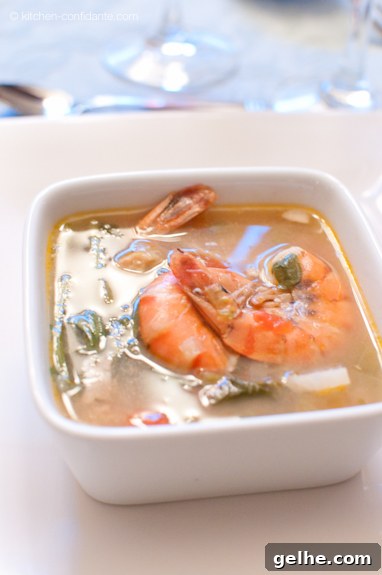
One promise I kept this week was to share the recipe for my Sinigang na Hipon, a dish I served at a Filipiniana-themed dinner party last fall. Sinigang na Hipon is a tamarind-based soup featuring prawns and enriched by pork belly. It can be served as a soup or ladled over rice for a heartier meal. Greens like kai-lan and spinach add nutrition, but my favorite element is the Japanese daikon radish. The soup balances tangy, vibrant flavors with comforting, savory depth. It’s traditionally made with tamarind, but it’s also commonly prepared with fish or just pork.
This versatile soup accepts many vegetables: sitaw (Chinese long beans or green beans), gabi (taro), talong (eggplant), kangkong (water spinach), and okra are all popular choices. Fresh tamarind isn’t always easy to find, so many cooks use a tamarind soup base as a practical alternative. If you have fresh sampaloc (tamarind), use it—if not, a tamarind soup mix from an Asian market will work well and may even be available at some mainstream supermarkets.
Sinigang na Hipon (Tamarind Soup with Tiger Prawns, Kailan Greens & Daikon Radish)
This fresh, flavorful soup is adaptable—use the vegetables you prefer. If fresh tamarind is available, include it; otherwise, a tamarind soup base is a fine substitute. For everyday meals, I often omit the prawns and serve the soup over rice for a simple, satisfying dish.
- Pork neck bones or pork belly (or spare ribs), meat sliced
- 1–2 tomatoes, diced
- 1 medium onion, diced
- 2 teaspoons salt
- Tamarind soup base (adjust amount to taste)
- Gabi (taro), sliced
- Japanese daikon radish, sliced
- Okra
- Eggplant
- Spinach or other leafy greens
- Shrimp or prawns (optional)
- Patis (fish sauce), to taste
Bring a pot of water to a boil and add the pork; blanch briefly, then discard the water to remove impurities.
Refill the pot with fresh water—enough to cover the meat (about 3 cups to start; add more as needed). Add the diced tomatoes, onion, and salt, and bring to a boil. Stir in tamarind soup base, starting with a modest amount and adjusting to taste. Reduce heat and simmer until the pork is tender.
Add the gabi and cook until it begins to soften. When the gabi is nearly tender, add the remaining vegetables—add frozen spinach last so it doesn’t overcook. If using shrimp, add them about five minutes before serving so they stay tender. Finish by seasoning with patis to suit your taste.
Ladle the sinigang over steamed rice or serve it as a soup. Enjoy the bright, tangy flavors and the comforting richness of the pork and vegetables.