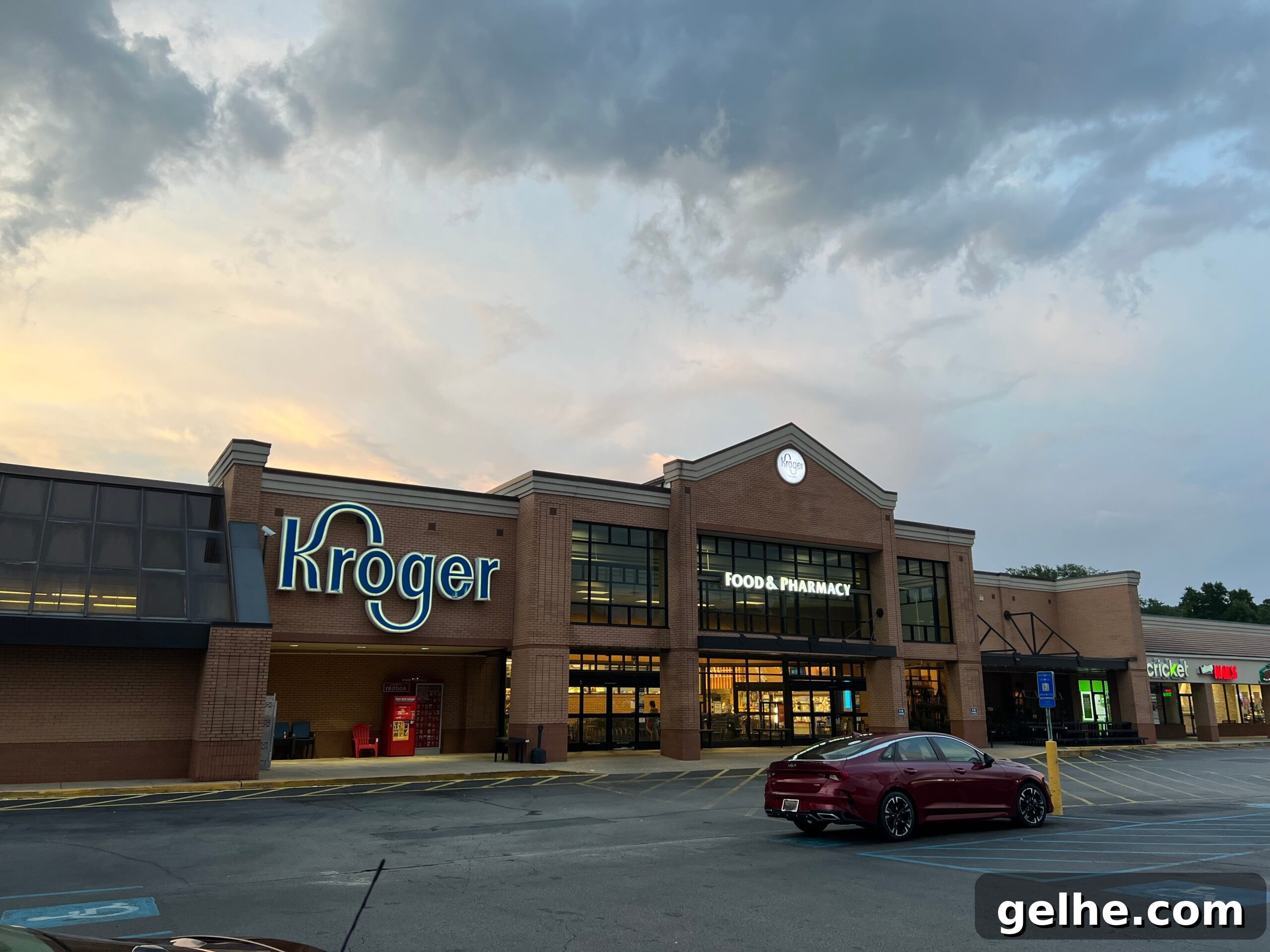
Kroger shoppers are noticing several changes across the grocery chain, from planned store closures to new, more flexible rewards and a stronger push toward digital shopping. These shifts come as Kroger adjusts strategy following its failed merger with Albertsons and seeks to refocus resources on areas that will improve customer experience and long-term performance.
The impact on customers will vary by location: some communities may lose a nearby store, while many shoppers will see expanded rewards options, increased digital coupons, and more pickup and delivery features. Below is a concise overview of the most important changes and what shoppers should expect.
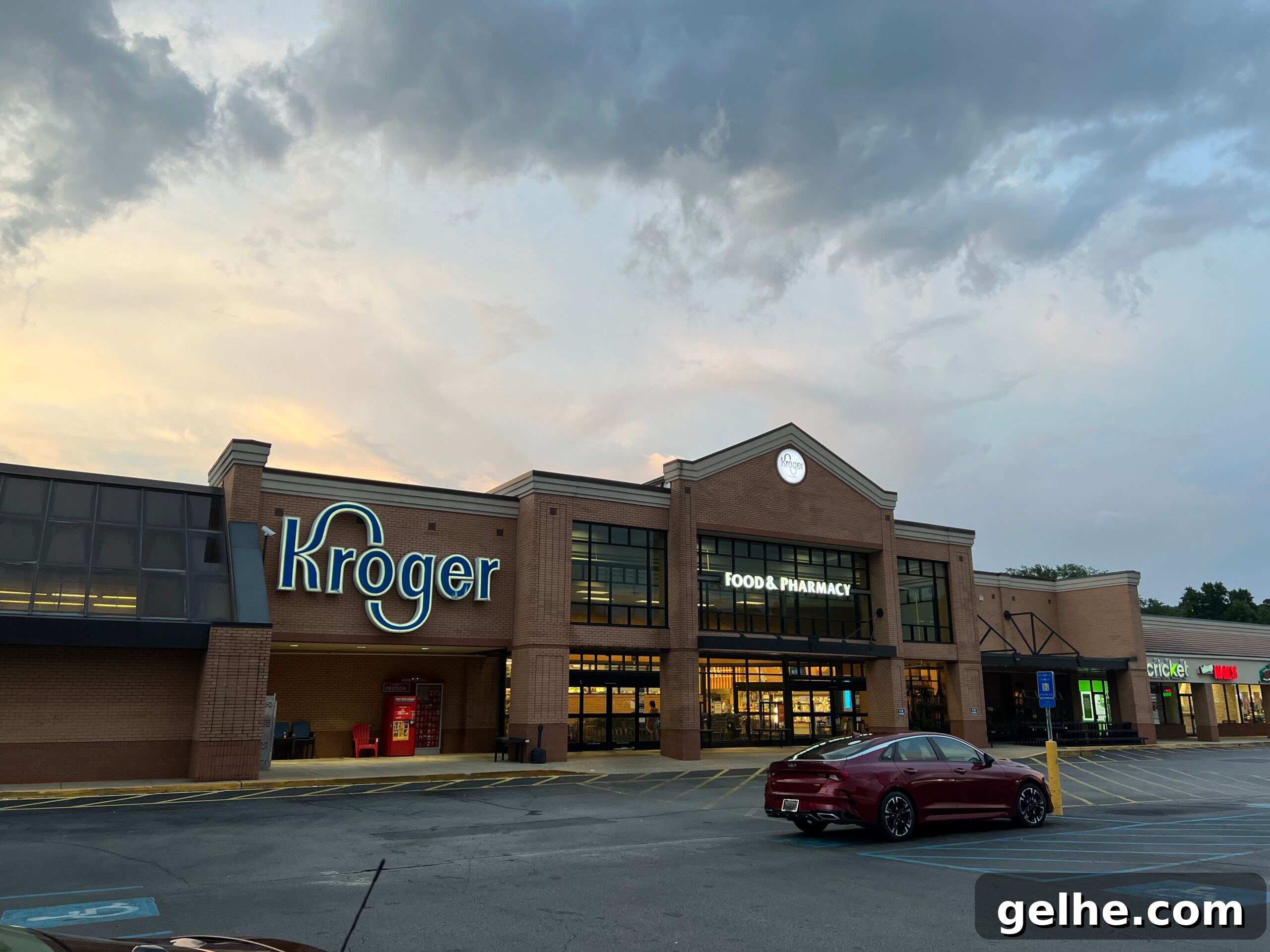
Kroger is closing some stores
Kroger has disclosed plans to close roughly 60 stores over an 18-month period as part of a broader cost and asset realignment. The company reported an impairment charge tied to these planned closures and said it expects a modest financial benefit, with savings to be reinvested into improving stores and service in other locations. Kroger also indicated it will offer reassignment opportunities to associates at affected locations when possible.
This does not mean a nationwide retreat—Kroger operates thousands of stores under multiple banners—but it does mean that shoppers in impacted communities may face changes to their regular shopping routes, prescription pickup locations, and access to fresh groceries. Local store closures can materially affect convenience and routines, especially in areas with fewer alternatives.
Rewards are becoming more flexible
Kroger has updated its rewards program to give customers more ways to redeem Points. In June 2026 the company announced that members can use Points not only for fuel discounts but also directly for grocery savings. Under the new structure, 100 Points can be redeemed for $1 off groceries—up to $10 per day—when customers log into their digital account and apply Points before checkout.
This change makes the program more useful for shoppers who drive less or prefer immediate grocery savings over fuel rewards. For budget-conscious customers, being able to convert loyalty Points into grocery discounts can provide clearer, more tangible value at the register.
Digital shopping keeps getting more important
Kroger is increasingly focusing on digital channels: its website and app are central to coupons, reward redemptions, pickup, delivery, and membership perks. The Boost membership and similar programs offer benefits such as free or discounted delivery on qualifying orders, extra Points, and other incentives designed to keep frequent shoppers engaged online.
Because reward redemptions for groceries require logging into a digital account and applying Points before checkout, customers who use mobile apps and online services are positioned to get the most value. At the same time, shoppers who prefer paper coupons or a purely in-store experience might find the best deals moving into the digital realm.
Electronic shelf labels remain controversial
Kroger has also experimented with electronic shelf labels (ESLs), which replace paper tags with digital displays that allow faster price updates and automated inventory intelligence. Proponents say ESLs reduce labor, improve accuracy, and make it easier for stores to keep pricing current. Critics raise concerns about pricing transparency, potential for dynamic or personalized pricing, and the privacy implications of more sophisticated in-store technologies.
Lawmakers and consumer advocates have previously scrutinized ESLs and similar systems for these reasons. For shoppers, the practical impact is straightforward: price tags may change more quickly, and customers may wonder whether the price they see in-store matches online listings or what their neighbors pay.
Kroger is trying to win back value-focused shoppers
All of these moves reflect Kroger’s effort to attract and retain value-focused customers amid intense price sensitivity in the grocery market. The company is emphasizing value through private-label brands, fresh food offerings, targeted promotions, and investments in e-commerce and customer experience. The updated rewards program and expanded digital capabilities are tactics intended to deliver savings and convenience directly to shoppers.
At the same time, closing underperforming stores is a strategic but sometimes painful way to free up capital to invest where it can have greater impact. For shoppers, that can mean better experiences in some locations and reduced access in others.
What shoppers should expect
Shoppers should prepare for a more digital, rewards-driven Kroger experience. Expect more offers and savings tied to the app or online account, greater prominence of pickup and delivery options, and added flexibility in how loyalty Points are used. Also expect local variation: some communities may see store closures while others benefit from reinvested resources and upgraded services.
Ultimately, Kroger remains a major presence in the grocery landscape, but the way customers interact with the chain is evolving—through how they save, where they shop, and how prices are displayed and updated in stores.