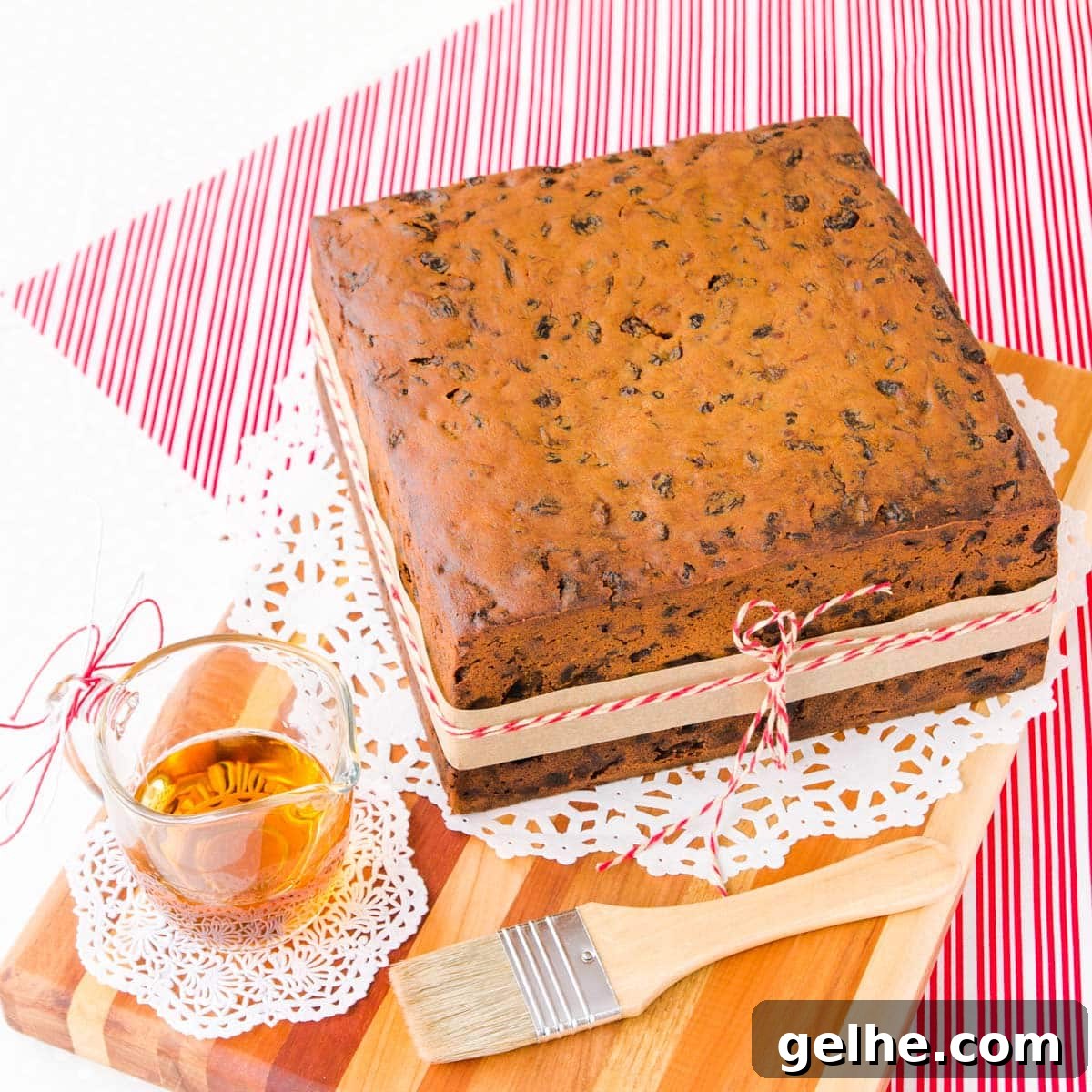
A rich, moist gluten-free fruit cake, gently spiced and laced with brandy — an excellent gluten-free Christmas cake or a classic wedding cake alternative.
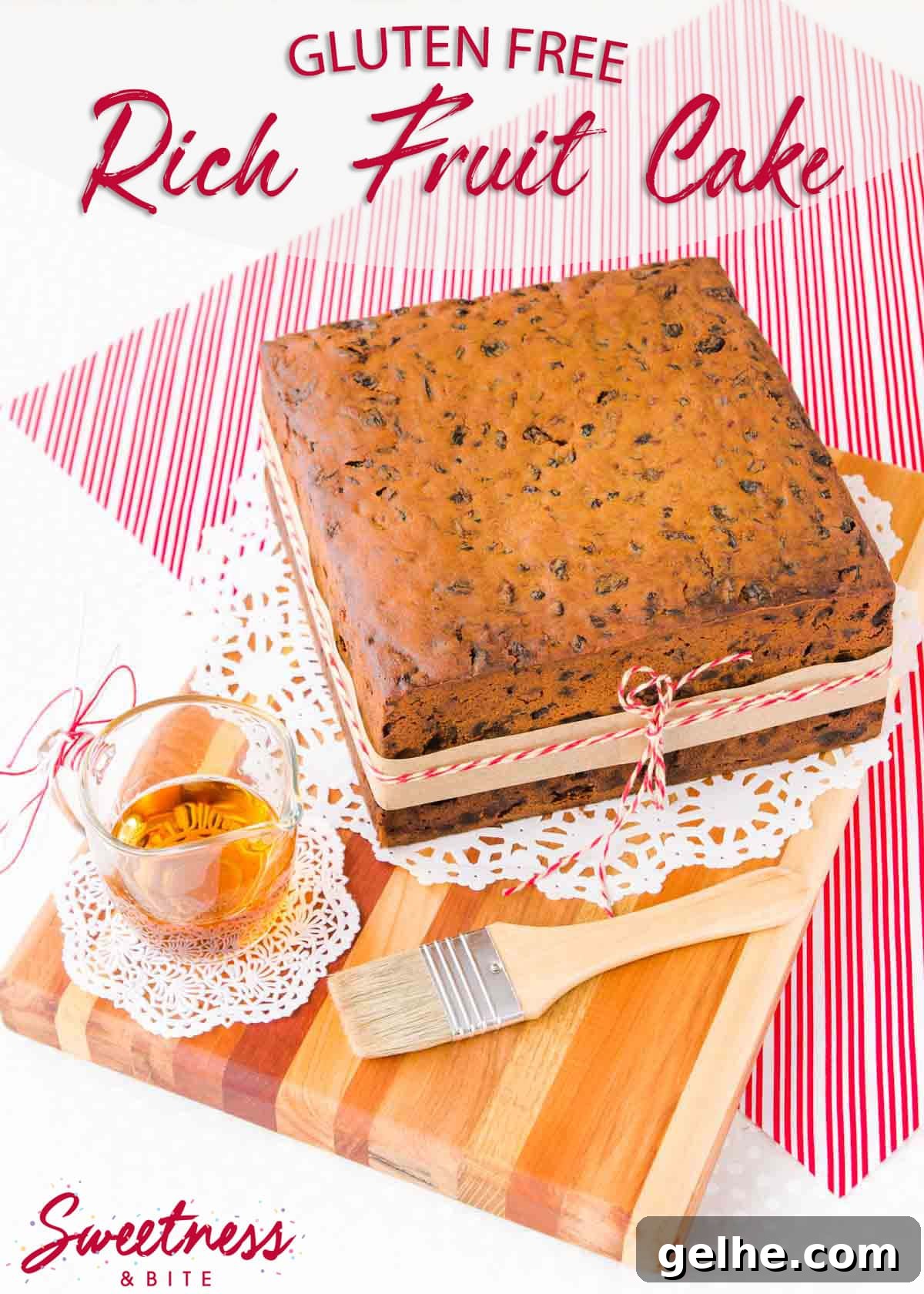
There are two kinds of readers who click on a post titled “fruit cake.” Some love it, others scroll away because they dislike fruit cake passionately. If you’re in the second group, give me a minute — I used to dislike fruit cake too. When my father was diagnosed with coeliac disease I began making gluten-free versions for family celebrations. That forced me to examine what I really liked and disliked about traditional fruit cake recipes, and to make adjustments until the result appealed to even skeptics. The result is a rich, moist gluten-free fruit cake with classic flavour and none of the off-putting bits.
One small change was easy: I avoid mixed peel because I’m not a fan. The bigger issue for me was the burnt or dried-out fruit that often appears around the edges of long-baked fruit cakes. I fixed that too with two practical tricks for keeping fruit plump and preventing burnt edges, described below.
What You’ll Love About This Recipe
- Traditional fruit cake flavour — rich, spiced and boozy, like an English-style fruit cake.
- Choose your own fruit — use a premixed dried fruit packet or make your own combination of favourites.
- No burnt fruit — practical tips for baking strips and a batter technique help prevent burnt edges.
- Long storage — this cake keeps and improves with time, just like traditional fruit cake.
- Works at short notice — while best matured, it still tastes great when made a week or two before serving.
Ingredients
Mixed dried fruit: see notes below for suggested combinations. Tip — buy fruit that looks plump for a moister cake.
Glacé cherries (optional): replace them with equal weight of another dried fruit if you prefer.
Glacé ginger (optional): omit if you don’t like it.
Citrus zest: lemon or orange zest work well.
Gluten-free plain flour: use your preferred gluten-free blend or a commercial all-purpose gluten-free flour. If you do not need the cake to be gluten-free, use equivalent weight of regular all-purpose flour instead.
Xanthan gum: helps bind the cake; omit if your flour blend already contains a gum.
Ground spices: cinnamon, mixed spice, ginger, cardamom and nutmeg — adjust to taste.
Butter: salted or unsalted (add a pinch of salt if using unsalted). Substitute a dairy-free baking butter if needed.
Brown sugar: light or dark brown, or muscovado for extra depth.
Golden syrup: or molasses for a darker flavour.
Vanilla extract and large eggs at room temperature.
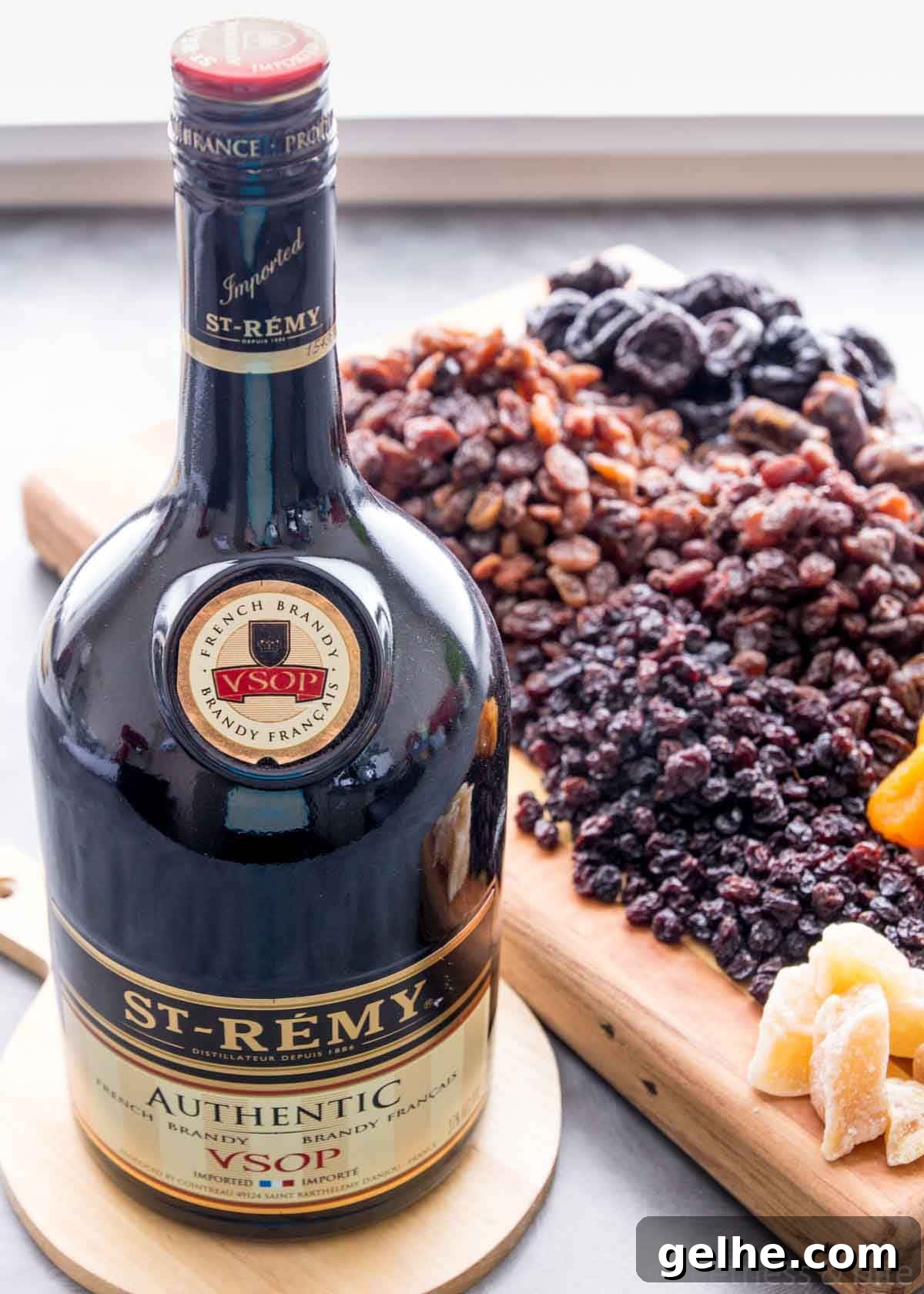
Brandy: traditional, but rum, whiskey, bourbon, orange liqueur, cherry brandy or amaretto are all suitable alternatives.
Alcohol-free option: soak the fruit in orange or apple juice instead of alcohol. Note that without alcohol and regular brushing the cake won’t store as long.
Note: this recipe contains no baking powder or baking soda. Fruit cake benefits from a dense crumb rather than a light, airy texture, and it holds together better without a raising agent.
Choosing Dried Fruits for Your Cake
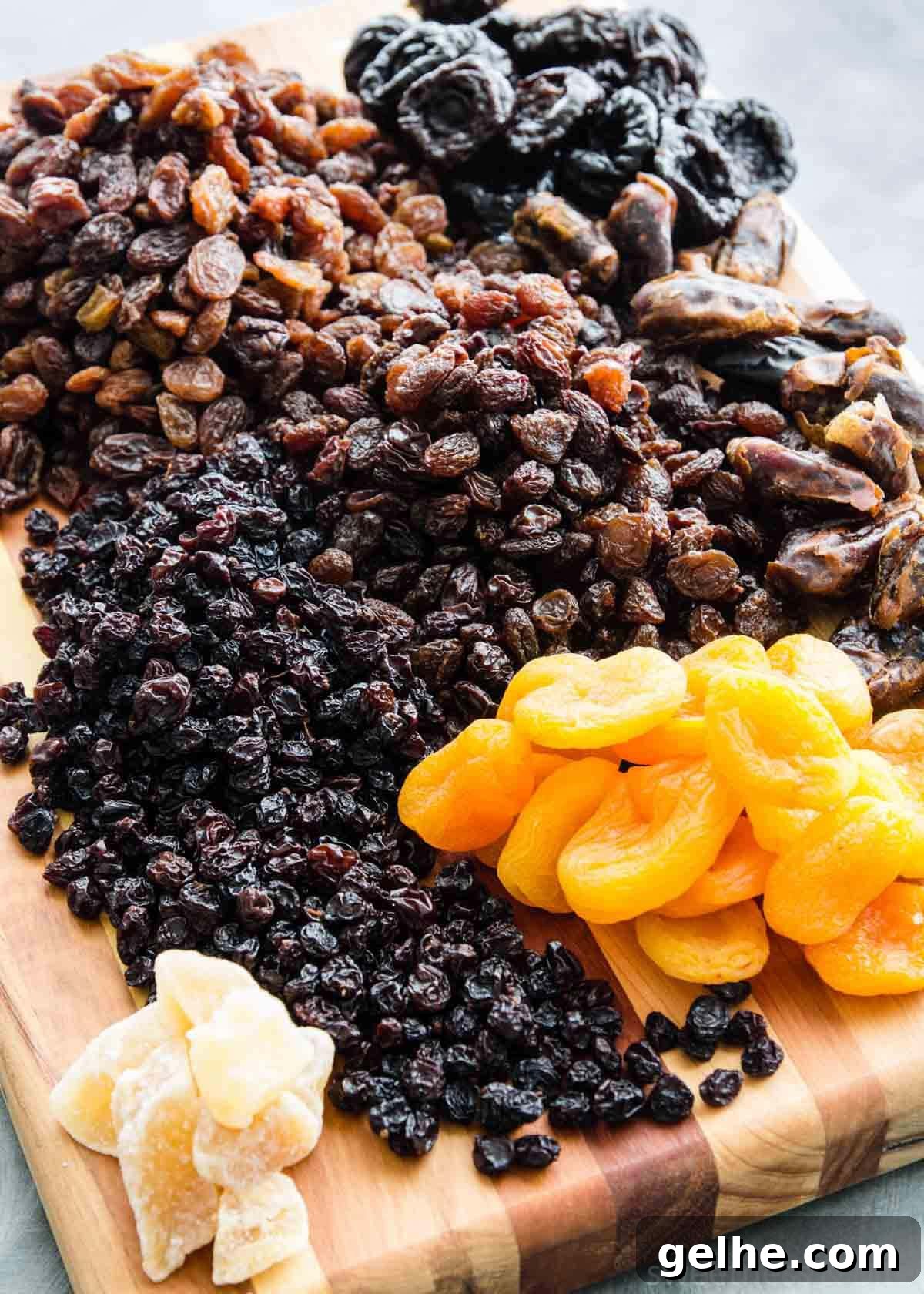
You can use a supermarket dried fruit mix, but many include mixed peel, which I avoid. I usually buy fruits individually and mix them to reach the required weight. Common choices are sultanas (golden raisins), raisins, currants, chopped dates, prunes, dried apricots and a little glacé ginger if you like it. Dried cranberries, apples, pears or figs can also be added.
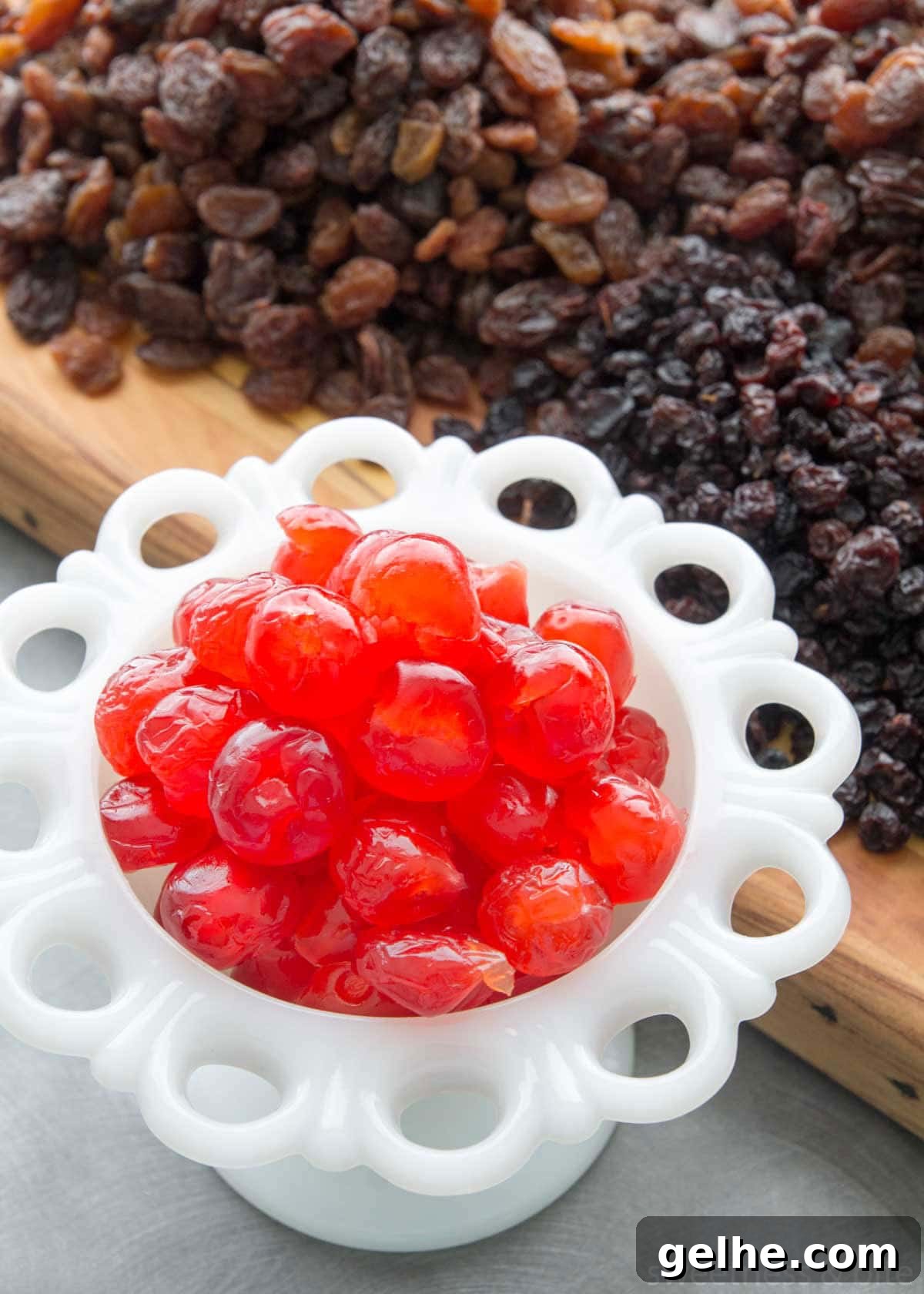
Glacé cherries are polarising — I love them and often end up sampling a few while I bake. If you don’t like them, simply leave them out; the recipe is flexible and meant to use the fruits you enjoy.
How to Prepare a Cake Tin for Fruit Cakes
Preventing burnt fruit around the edges is essential. Fruit cakes bake for several hours at a low temperature, and traditional bakers often wrapped tins in brown paper or newspaper. A better method is to use insulated baking strips that wrap around the tin to protect the edges from direct heat and keep the cake sides from over-browning.
Baking strips insulate more effectively than paper and avoid that unpleasant smell of scorching newsprint. They help achieve an even bake so the centre and edges finish at the same time.
Below you’ll find tips and photos showing how I prepare the tin and use a foil lid to keep the top from over-browning.
How To Make A Gluten Free Fruit Cake
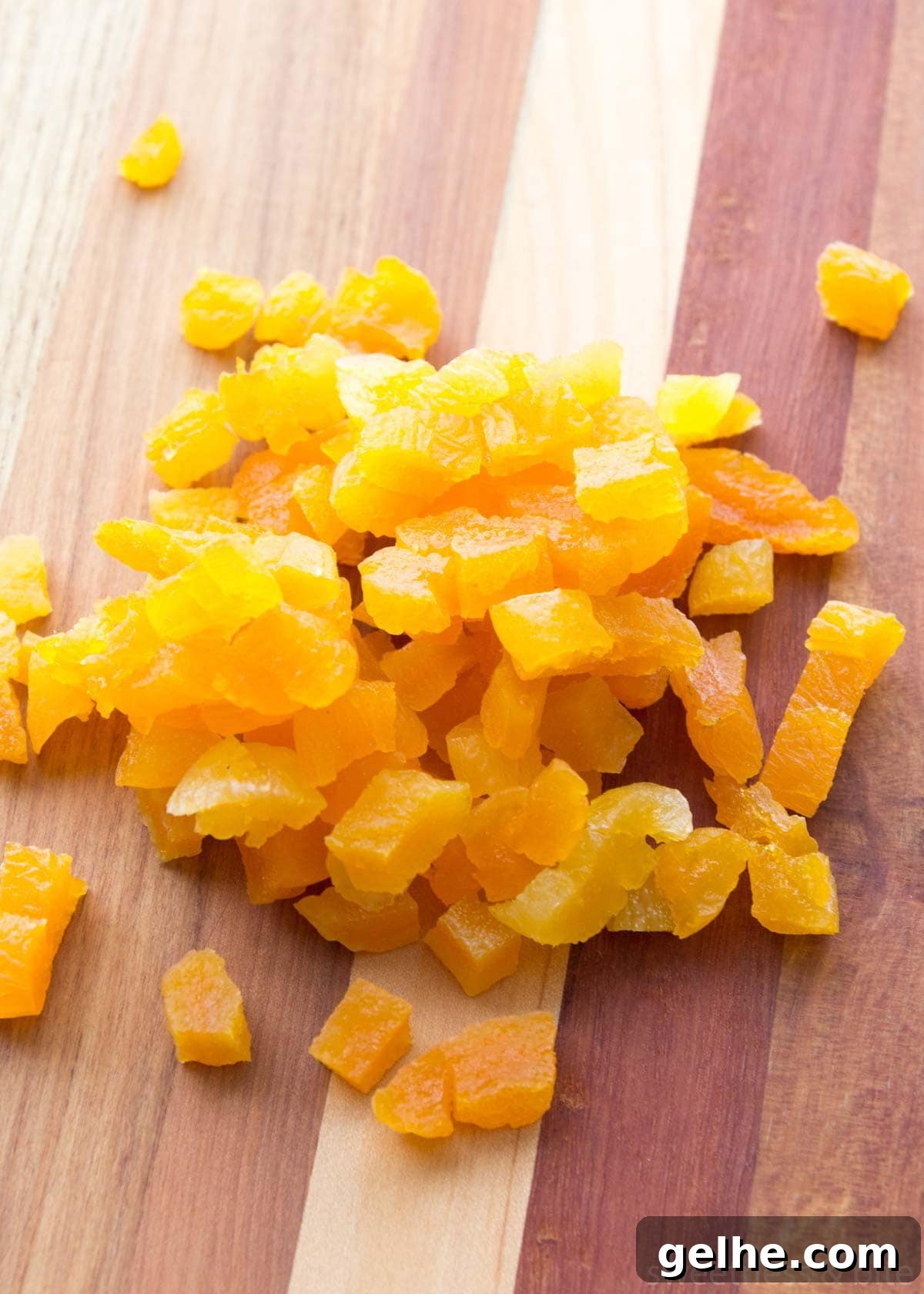
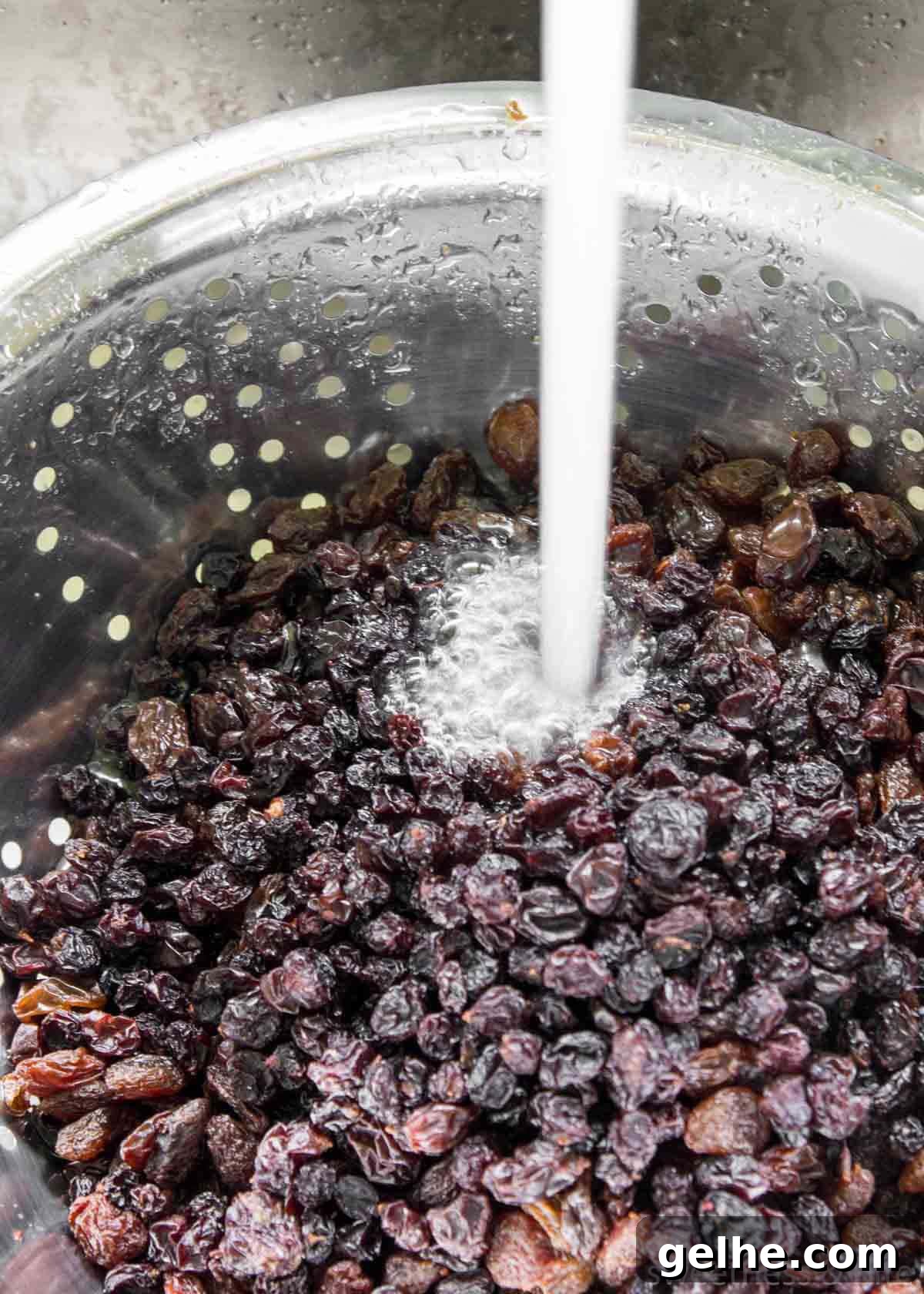
Making a fruit cake involves a few stages but each one is straightforward. Start by chopping larger dried fruits (apricots, dates, prunes) into pieces roughly the size of a raisin. Rinse the fruit under warm running water while you measure; this removes surface sugar dust and starts to plump the fruit.
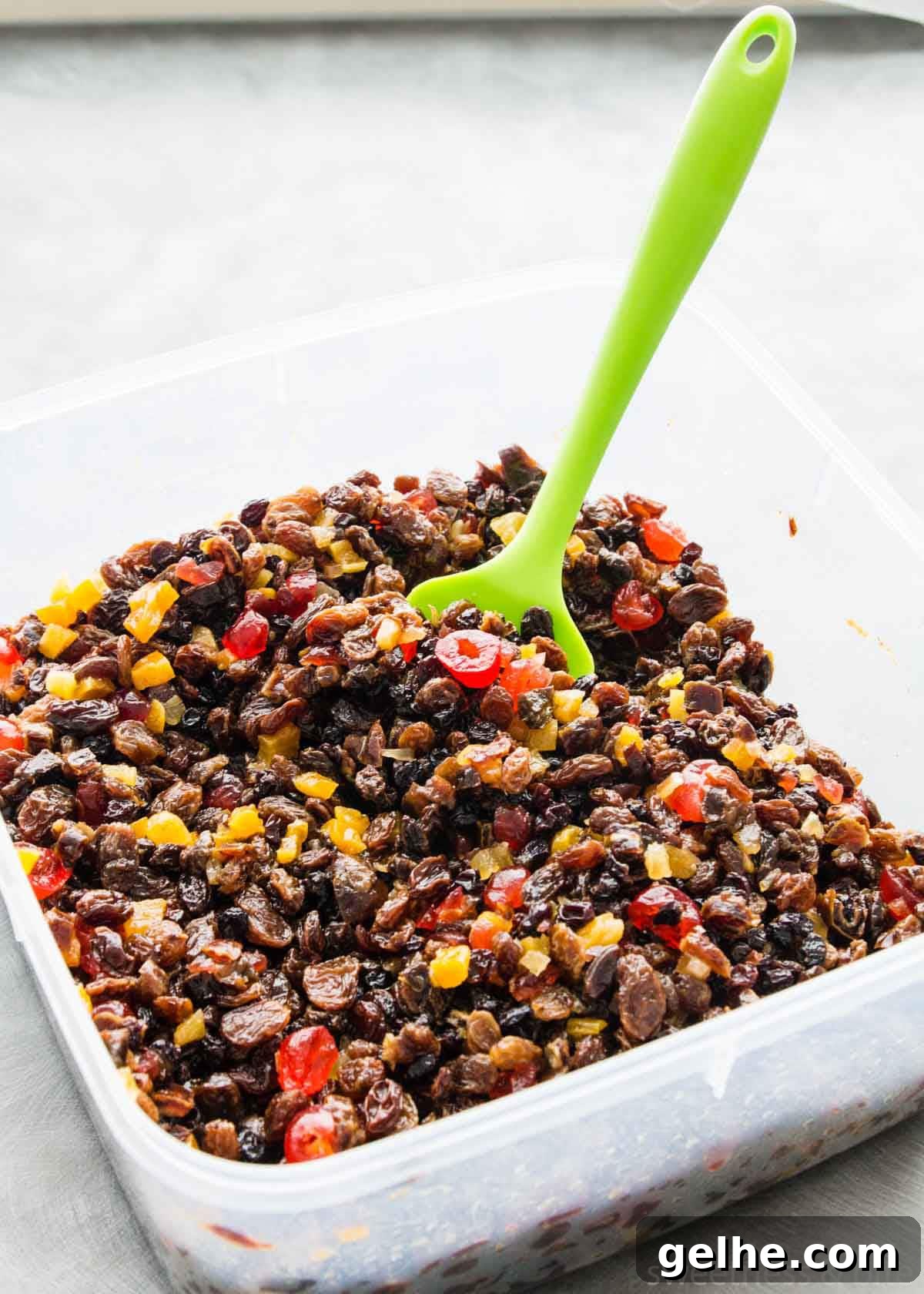
Drain the fruit into a bowl or container, add glace ginger and citrus zest if using, then pour over your chosen alcohol or juice. Seal the container so the liquid is absorbed and store overnight or longer — a few days is even better — shaking occasionally to distribute the liquid.
Once the fruit has soaked, prepare the batter. If the creamed butter and sugar mixture looks curdled after you add the eggs, don’t worry — gluten-free batter often looks split but comes together once the flour is mixed in.
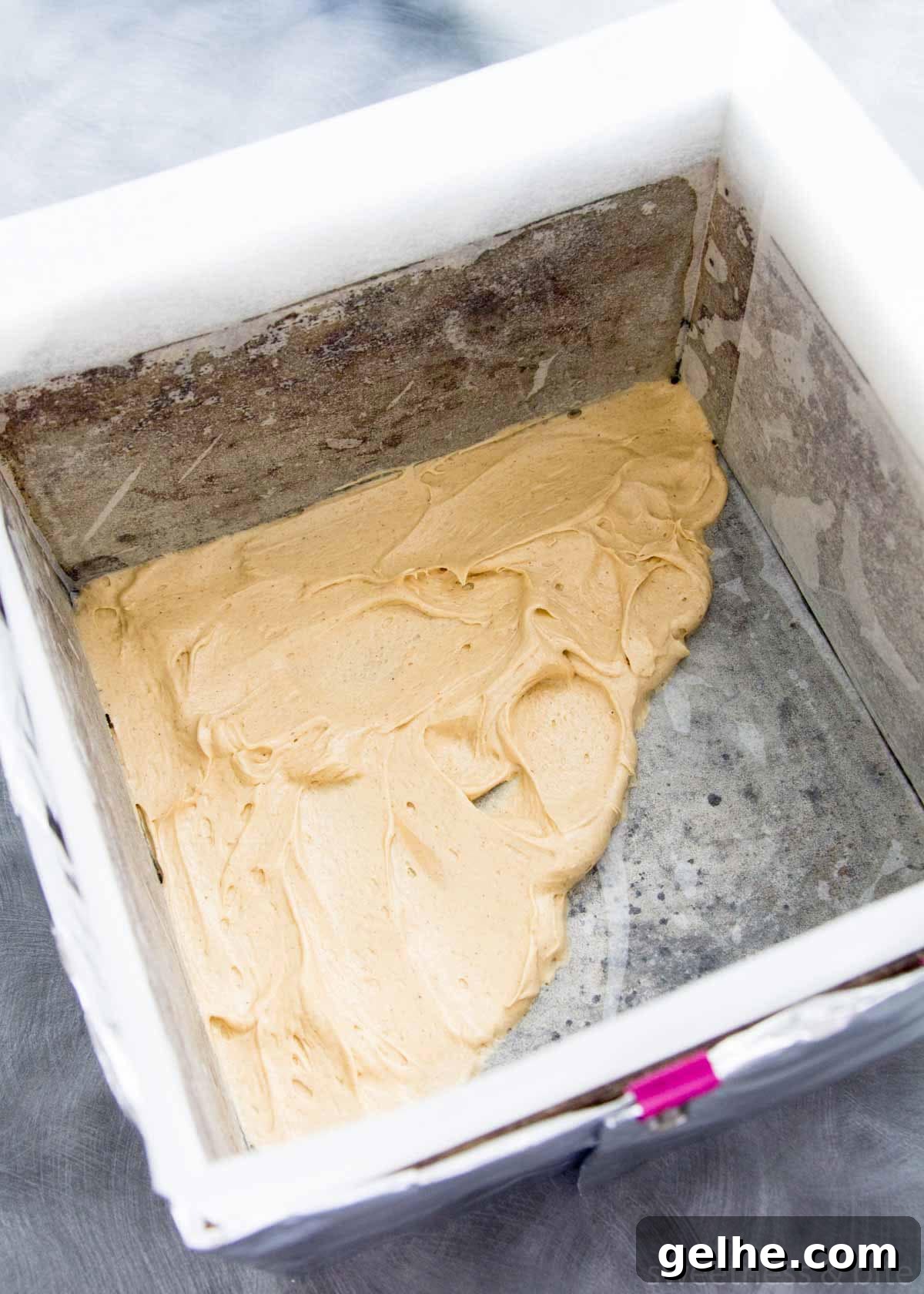
My favourite trick to reduce the small indentations caused by fruit is to spoon a thin layer of batter into the bottom (and optionally the sides) of the prepared tin, chill it briefly so it sets, then add the fruit-studded batter. This helps keep fruit from creating hollows that later need filling when you cover the cake with marzipan or fondant.
Gently press the filled batter into the lined tin, smoothing the top. Because this cake contains no raising agents, it won’t rise much, so you can fill the tin close to the top. Bake slowly at a low temperature for several hours until a skewer comes out mostly clean. Once cooled slightly, brush the top with more brandy and allow the cake to cool fully before wrapping.
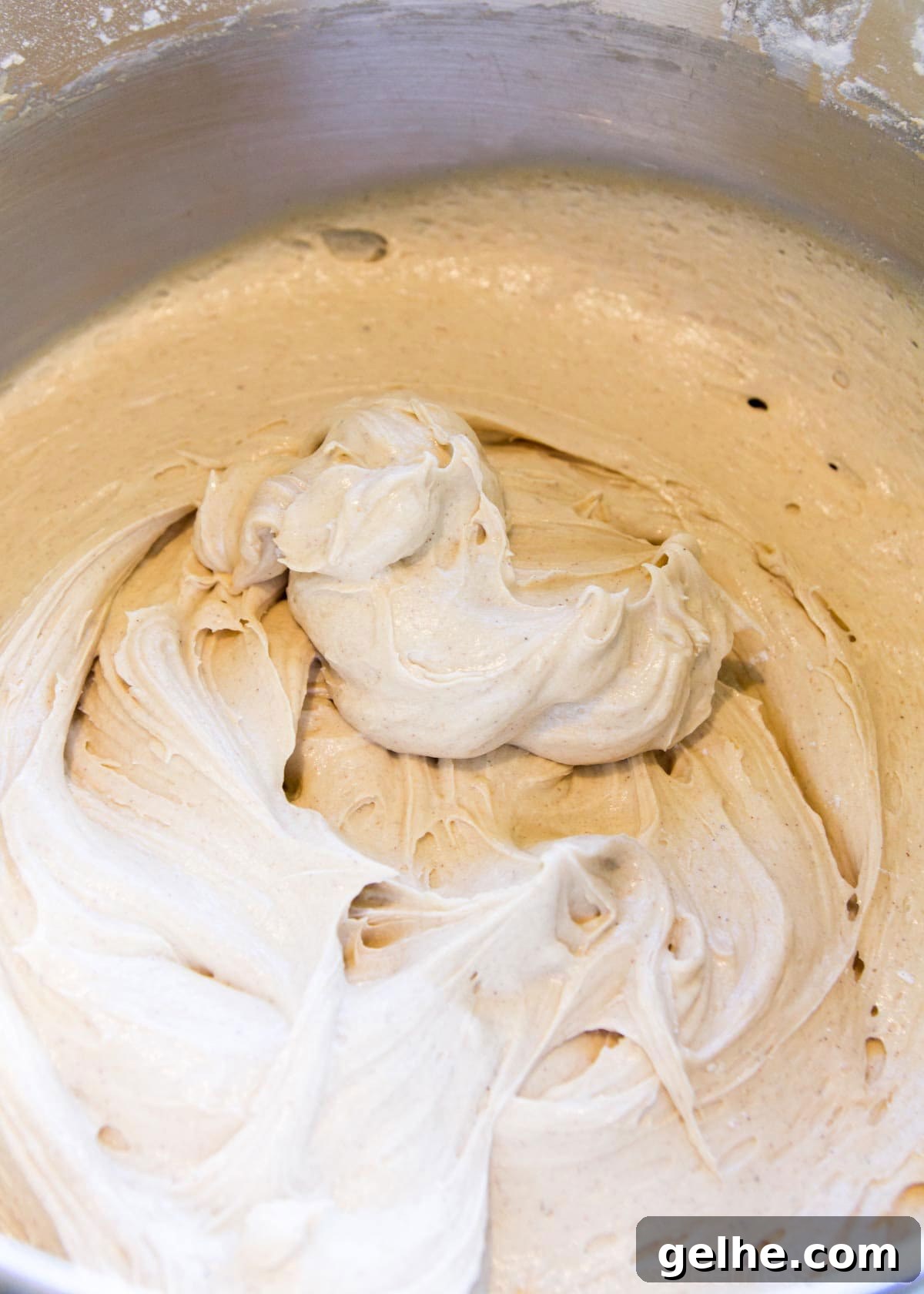
How to Prevent Fruit Holes in Fruit Cakes
Before adding the fruit to the batter, spread a couple of spoonfuls of batter over the bottom and, if you wish, the sides of the lined tin. Chill the tin briefly so this layer firms up. Then add the rest of the batter with the fruit. The chilled layer prevents many fruit pieces from creating depressions in the finished cake, saving time and effort if you plan to cover it with marzipan or fondant.
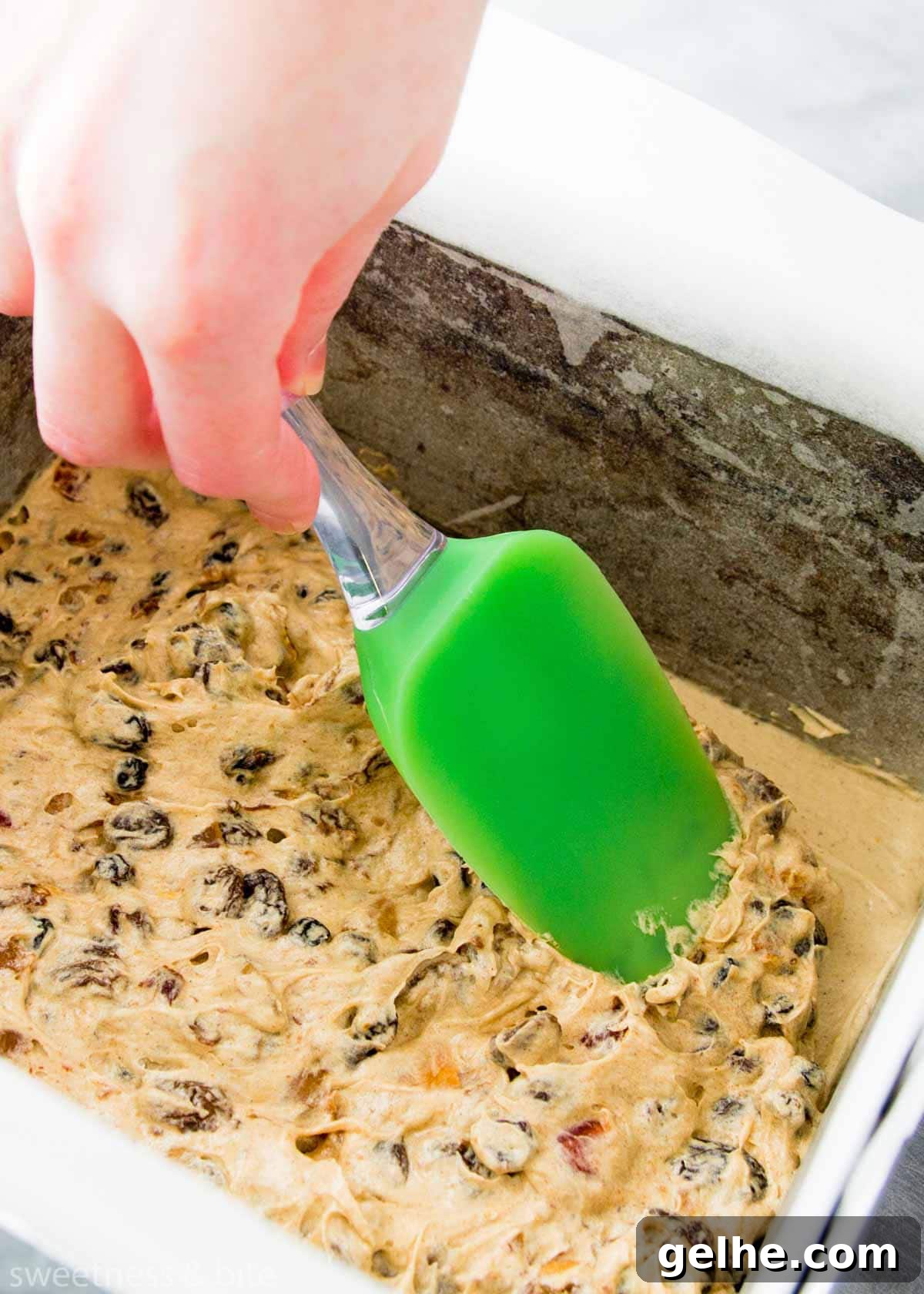
Press the batter into the corners and smooth the top with a wet spatula or damp hands. Cover the tin with a foil lid and insulated strips, then bake slowly so the centre cooks through without the edges burning.
Storage
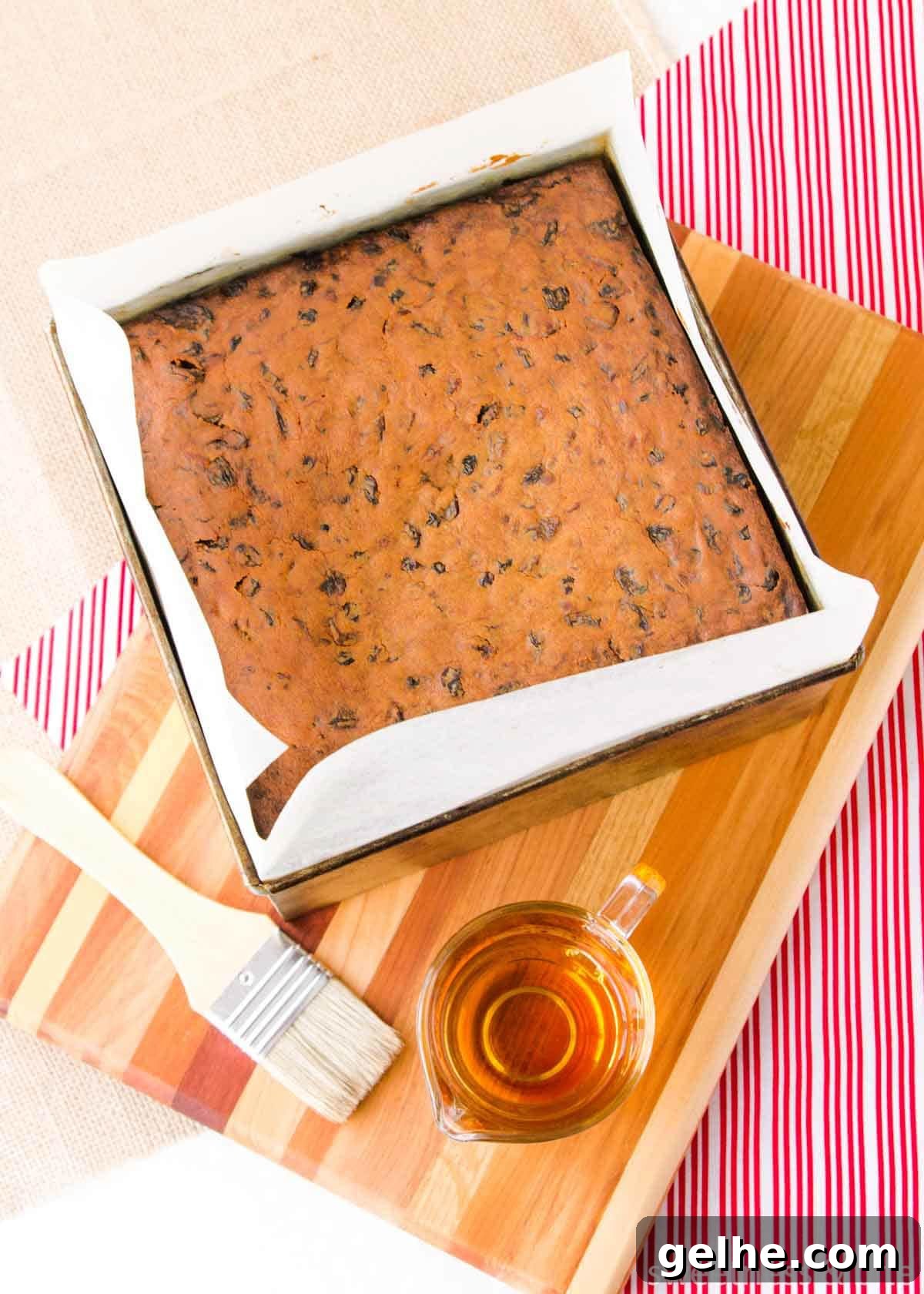
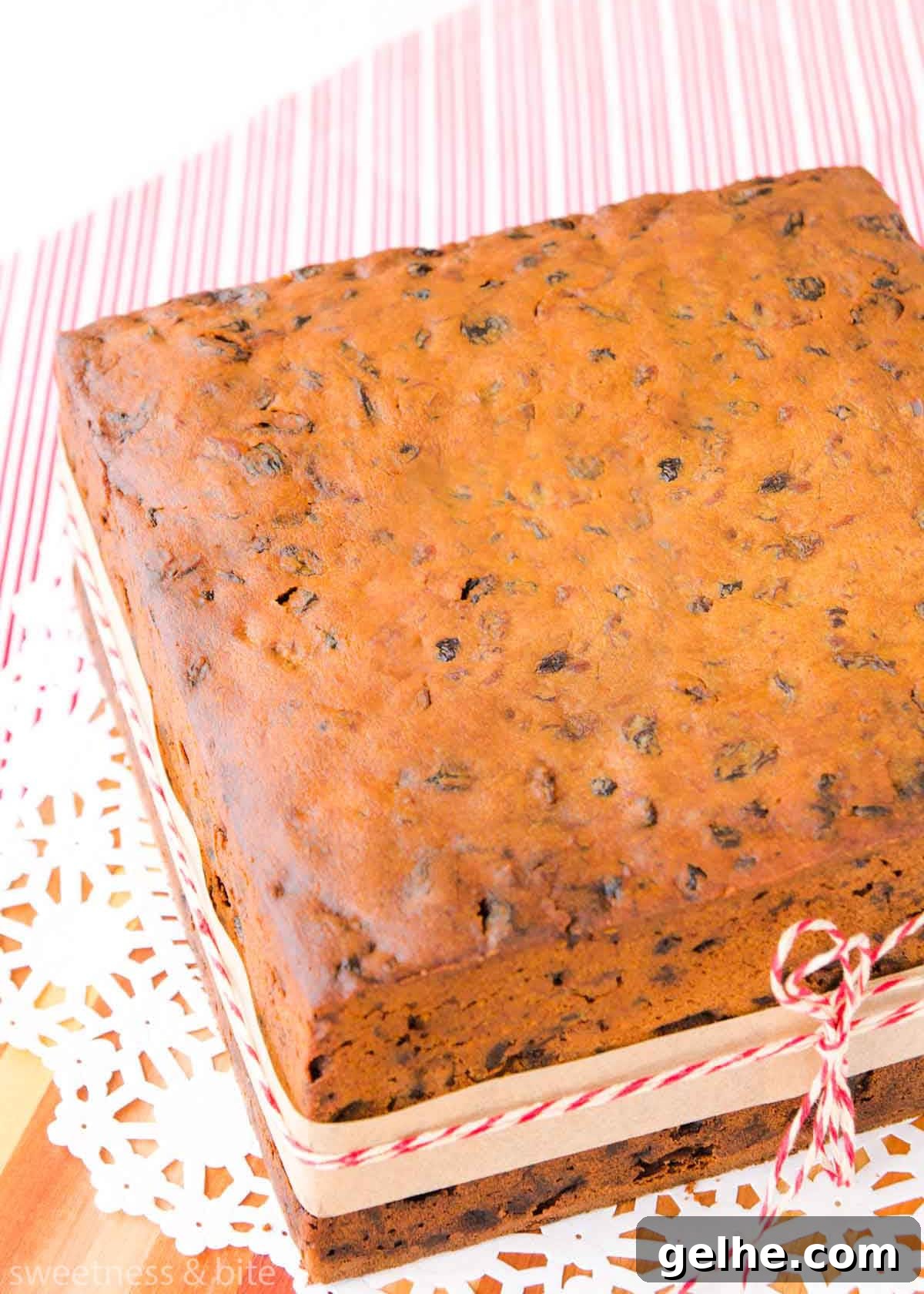
Traditionally, fruit cake is made weeks or months before it’s served so flavour can mature. While maturing, you can “feed” the cake occasionally by brushing alcohol over the surface to keep it moist and enhance flavour. Store the wrapped cake in an airtight container in a cool, dark place and repeat the feeding at intervals until serving.
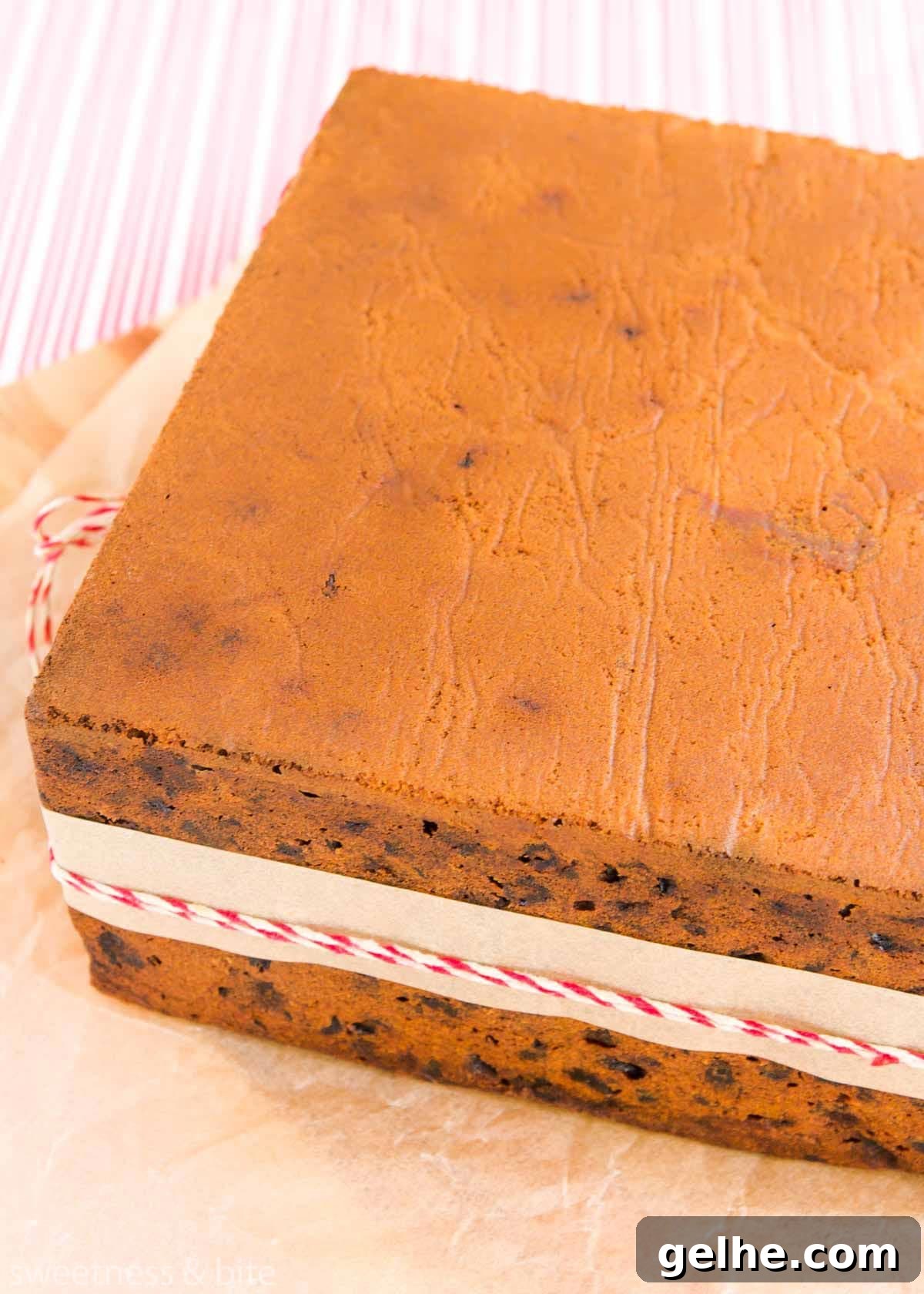
My usual storage method: brush the cake with alcohol once it’s slightly cooled, cover the tin and leave overnight. The next day turn the cake out onto baking paper, brush all sides with more brandy, wrap it tightly in plastic wrap, place it in an airtight container and store. To flatten the top further, store the cake upside down so its own weight reduces any dome.
If you’re short on time, this cake still tastes excellent when made a week or two before serving — it doesn’t strictly need months to be delicious.
What to Do With Crumbly Fruit Cake
If your cake is a bit crumbly, there are simple ways to enjoy it:
- Warm slices and serve with vanilla custard, brandy butter or ice cream — a comforting option that hides any dryness.
- Turn leftovers into truffles: crumble the cake, mix with brandy buttercream or an almond-flavoured ganache until it binds, roll into balls and dip in melted chocolate or coat in chopped nuts. These make lovely gifts.

Happy baking — and if you make this as your gluten-free Christmas cake, enjoy and have a very happy holiday season!
Gluten Free Fruit Cake Recipe
Gluten Free Fruit Cake (Christmas Cake)
A rich, moist gluten-free fruit cake laced with brandy — perfect for festive occasions and special celebrations.
Prep Time: 30 minutes | Cook Time: 4–4.5 hours | Total Time: 5 hours 30 minutes
Cuisine: British | Category: Cake Recipes | Makes: 32 servings
Cake Size: One 8 inch square (about 4–4.5 inches tall)
Ingredients
- 1.5 kg mixed dried fruit* (see notes)
- 200 g glace cherries (optional)
- 50 g glace ginger, finely chopped (optional)
- Zest of 1 lemon or orange
- 150 ml brandy
- 500 g gluten-free flour**
- 1 1/2 teaspoons xanthan gum
- 2 teaspoons ground cinnamon
- 1 teaspoon ground mixed spice
- 1 teaspoon ground ginger
- 1/4 teaspoon ground cardamom (optional)
- 1/8 teaspoon freshly grated nutmeg (optional)
- 400 g butter at room temperature
- 400 g brown sugar (or muscovado)
- 75 g golden syrup (1/4 cup)
- 2 teaspoons vanilla extract
- 6 large eggs, at room temperature
- Extra brandy for brushing
Instructions
- Chop larger dried fruit into raisin-sized pieces.
- Rinse fruit and glace cherries under warm water, drain and place in a large container.
- Add glace ginger, citrus zest and brandy. Stir, cover and leave overnight (or longer), shaking occasionally.
- Preheat oven to 150°C (approx. 300°F). Line an 8” square cake pan with baking paper, wrap with a baking strip and prepare a foil lid.
- Sift flour, xanthan gum and spices into a bowl and whisk together.
- Cream butter, sugar, vanilla and golden syrup until fluffy. Lightly beat the eggs and add gradually, beating between additions. Don’t worry if the mixture looks split.
- Mix in the flour mixture on low speed a few spoonfuls at a time, scrape down the bowl and mix again.
- For a smoother bottom, spoon a few tablespoons of batter into the base of the tin and chill. Then fold the soaked fruit and any remaining liquid into the rest of the batter.
- Fill the tin by pressing the batter into the corners and fill nearly to the top. Smooth the surface with a wet spatula.
- Bake for 4–4.5 hours or until a skewer comes out mostly clean. Double-check with a thin knife blade — it should come out clean or with a few crumbs.
- Leave to cool for 30 minutes, then brush with brandy. Fold down the paper, cover with foil and leave overnight to cool completely.
- Turn out, brush all sides with more brandy, wrap well in baking paper and store in an airtight container. Feed occasionally with more alcohol until serving.
Notes
Mixed fruit: You can use a packet mix or measure individual fruits to total 1.5 kg. Example mix: 500 g sultanas, 300 g raisins, 200 g currants, 200 g dates, 200 g prunes and 100 g dried apricots. Other fruits such as dried cranberries, apples, pears or figs work well too.
Nuts: Add a handful or two of chopped almonds or your favourite nuts if desired.
Gluten-free flour: Use your preferred GF blend. If it contains a gum, omit the xanthan gum in the recipe.
Non-gluten-free option: The recipe works with regular all-purpose flour; use the same weight and omit xanthan gum.
Maturing: Ideally allow 2–3 months to mature, but the cake tastes great even after a week or two.
Nutrition (approx.): Serving size 1 (approx. 1″ x 2″) — Calories 350 kcal; Carbohydrates 59 g; Protein 4 g; Fat 11 g; Sugar 38 g. Nutritional info is an estimate and intended as a guide.
Enjoy baking this gluten-free fruit cake. If you’re using it for a festive celebration, I wish you a joyful holiday and many happy slices to share.