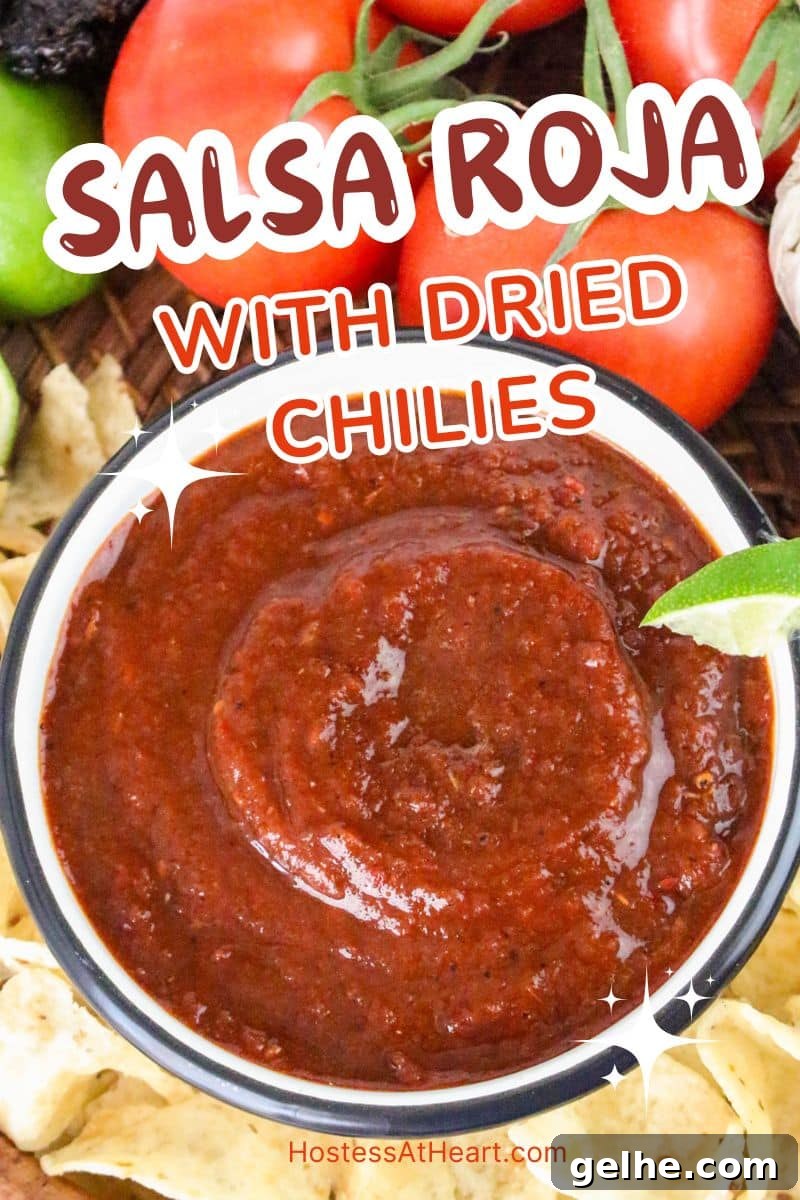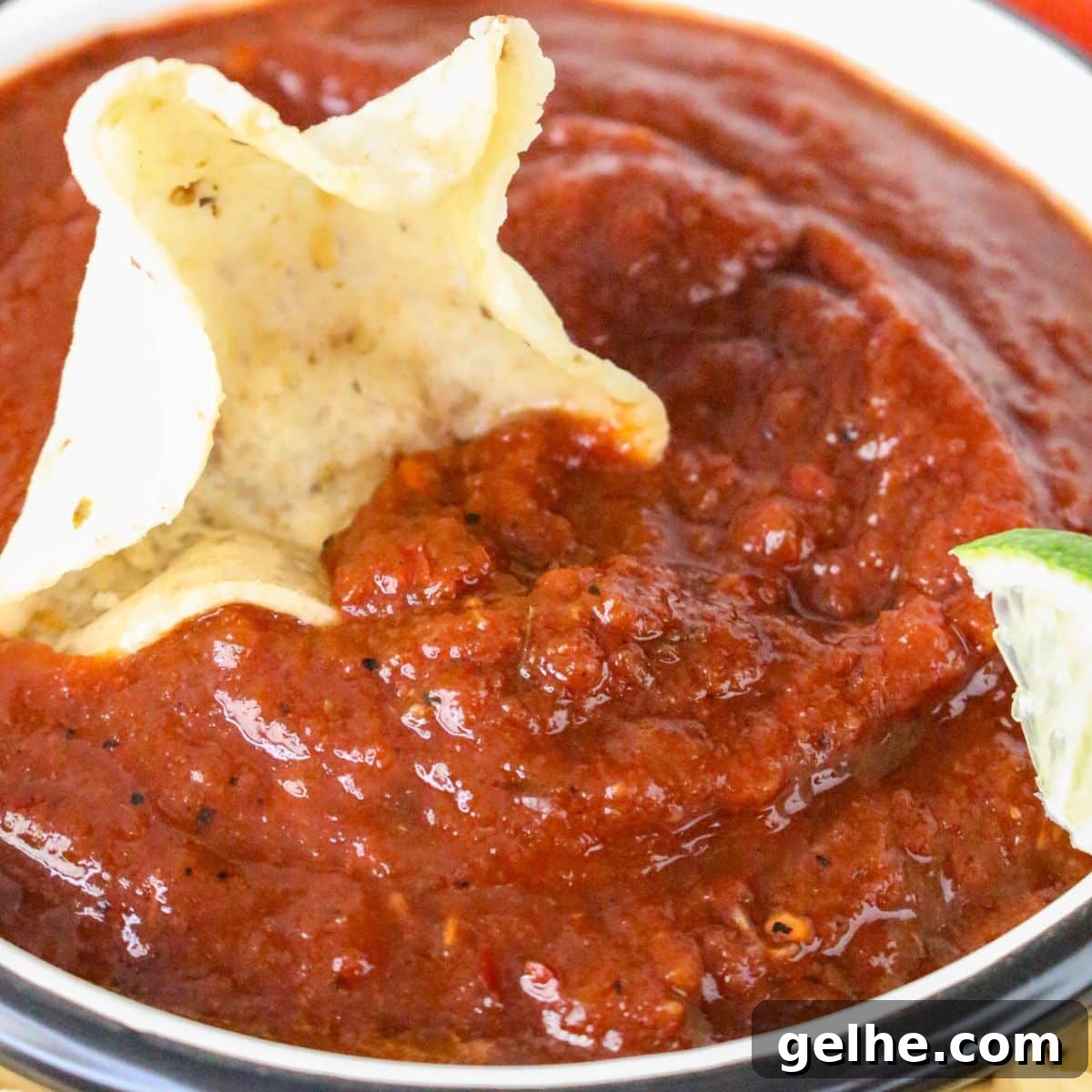
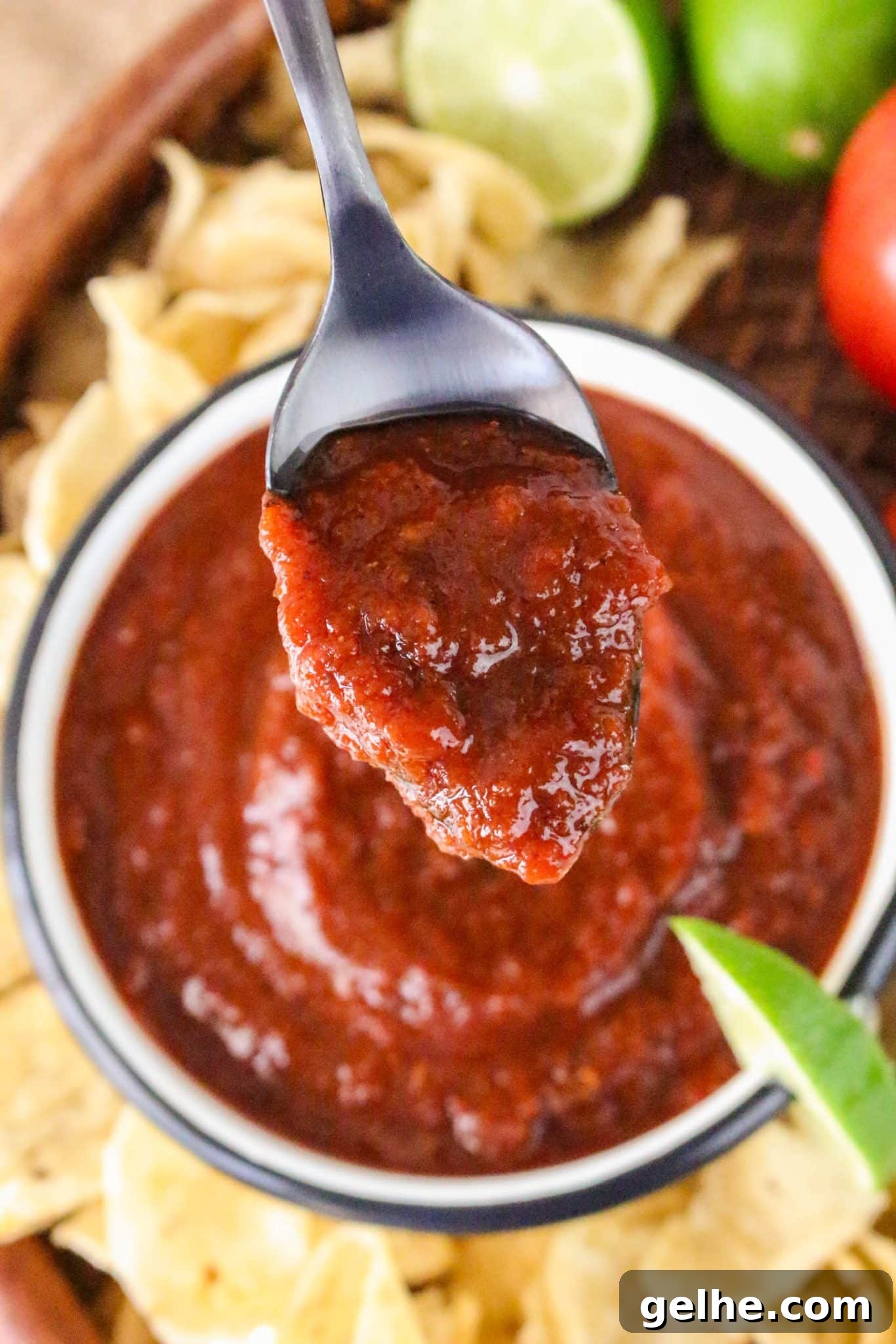
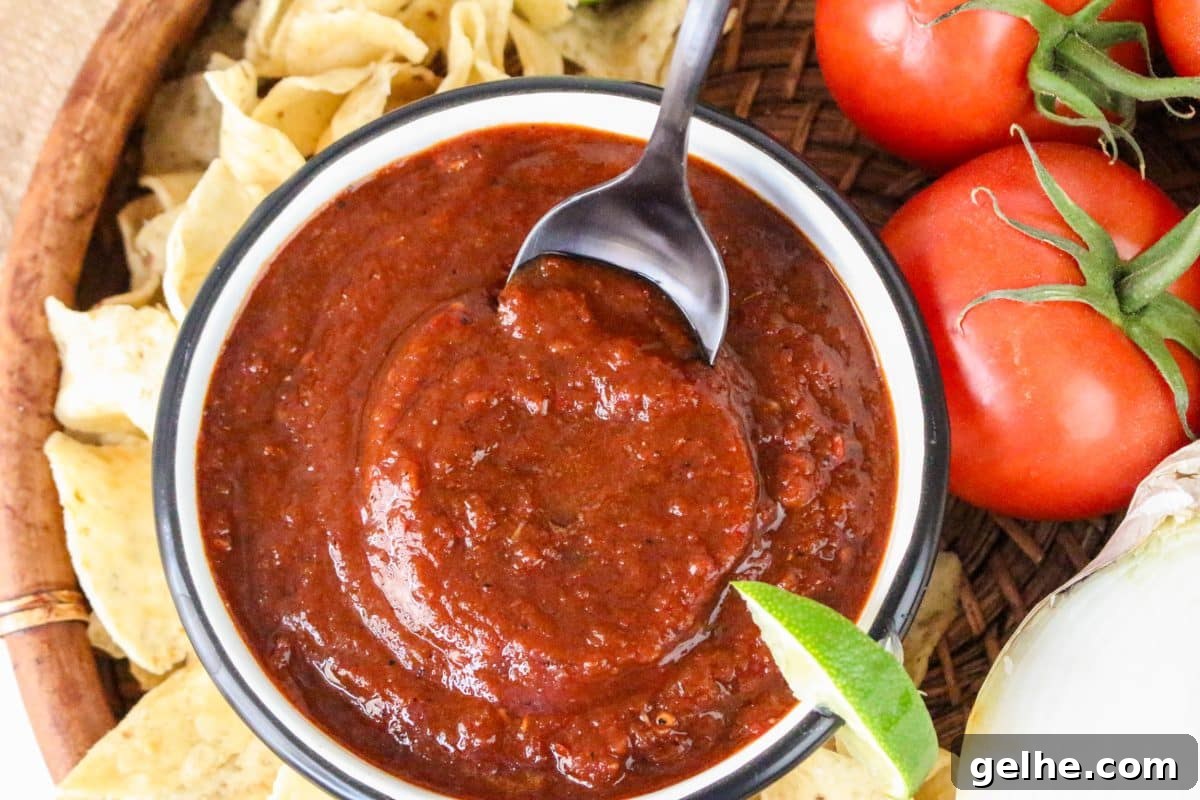
There’s nothing better than the deep, smoky flavor of homemade salsa roja. This classic Mexican red salsa, made with roasted tomatoes and dried chiles, delivers a richer, more complex taste than jarred varieties. With a few simple steps you can make a versatile salsa that elevates tacos, chips, eggs, and more.
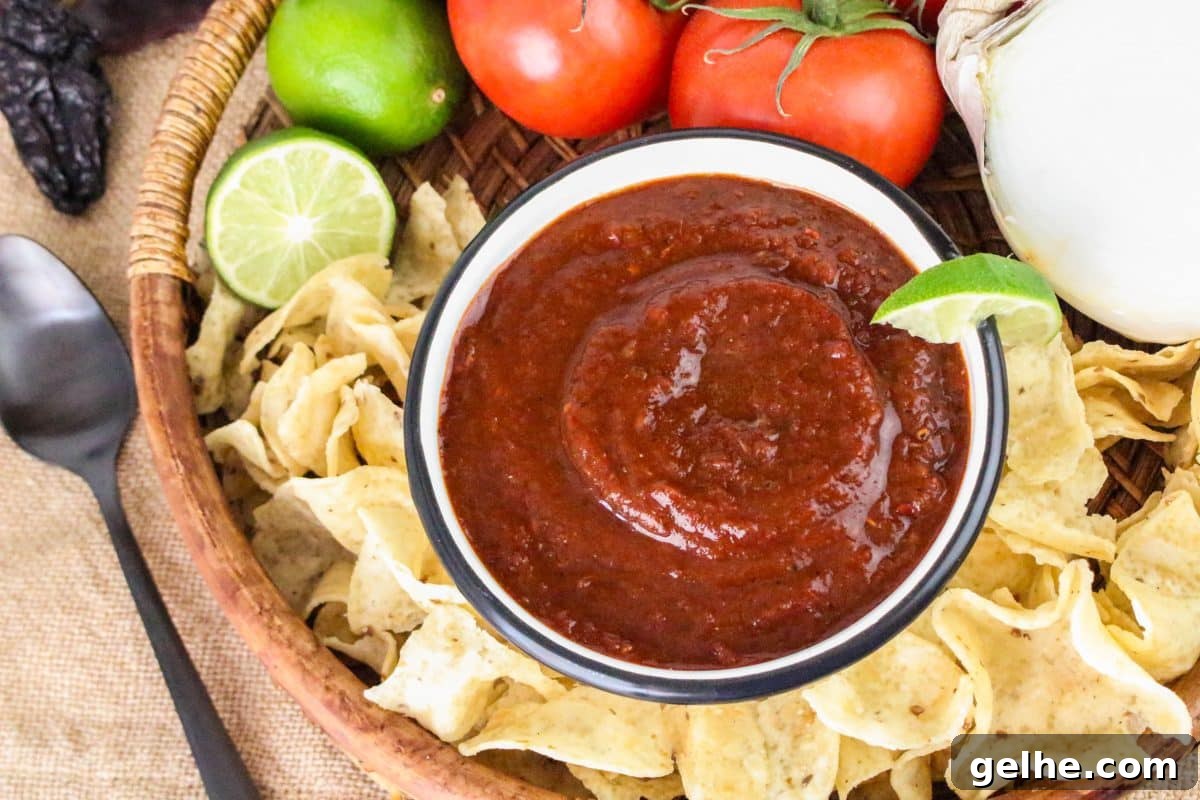
What is Salsa Roja?
Salsa roja literally means “red salsa.” It’s a staple in Mexican cooking, built on roasted tomatoes and dried red chiles for a smoky, layered flavor. Unlike fresh green salsas, salsa roja relies on toasting and charring to develop depth. It’s common in restaurants but simple to make at home with pantry-friendly ingredients.
Why We Love Making Homemade Salsa Roja
This recipe is ideal for busy cooks: it takes about 25 minutes, uses affordable ingredients, and produces a fresher, cleaner-tasting salsa than many store-bought options. There are no preservatives or artificial flavors—just bold, smoky taste you can control, from mild to spicy.
Key Ingredient Notes
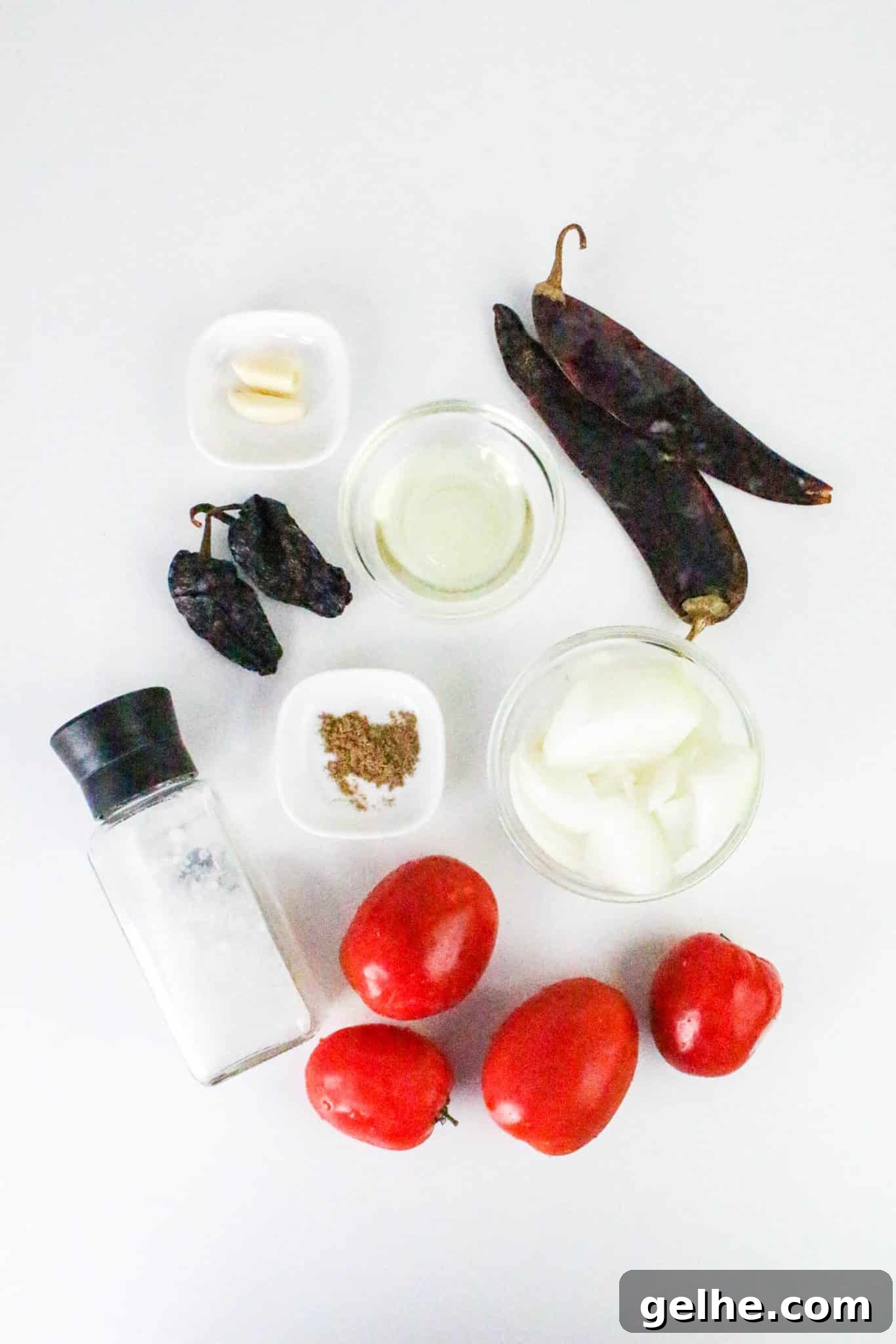
Roma tomatoes: Firm, meaty Romas are preferred because they have less water, so the salsa won’t be runny. Choose ripe, heavy tomatoes for the best flavor.
Guajillo chiles: These are mild and fruity with a beautiful red color. They add the signature flavor without excessive heat.
Arbol chiles: Small but spicy, arbol chiles provide heat. Start with one if you’re unsure and increase to taste.
Cumin: A small amount adds warm, earthy depth that makes the salsa taste more like what you’d get at a taquería.
The roasting and toasting steps are essential—char the tomatoes and briefly toast the dried chiles to unlock smoky, rich flavors you can’t get any other way.
Quick Overview: How to Make Salsa Roja
The process is straightforward: roast tomatoes, toast and soak chiles, blend with aromatics, then simmer briefly to meld flavors and thicken the sauce.
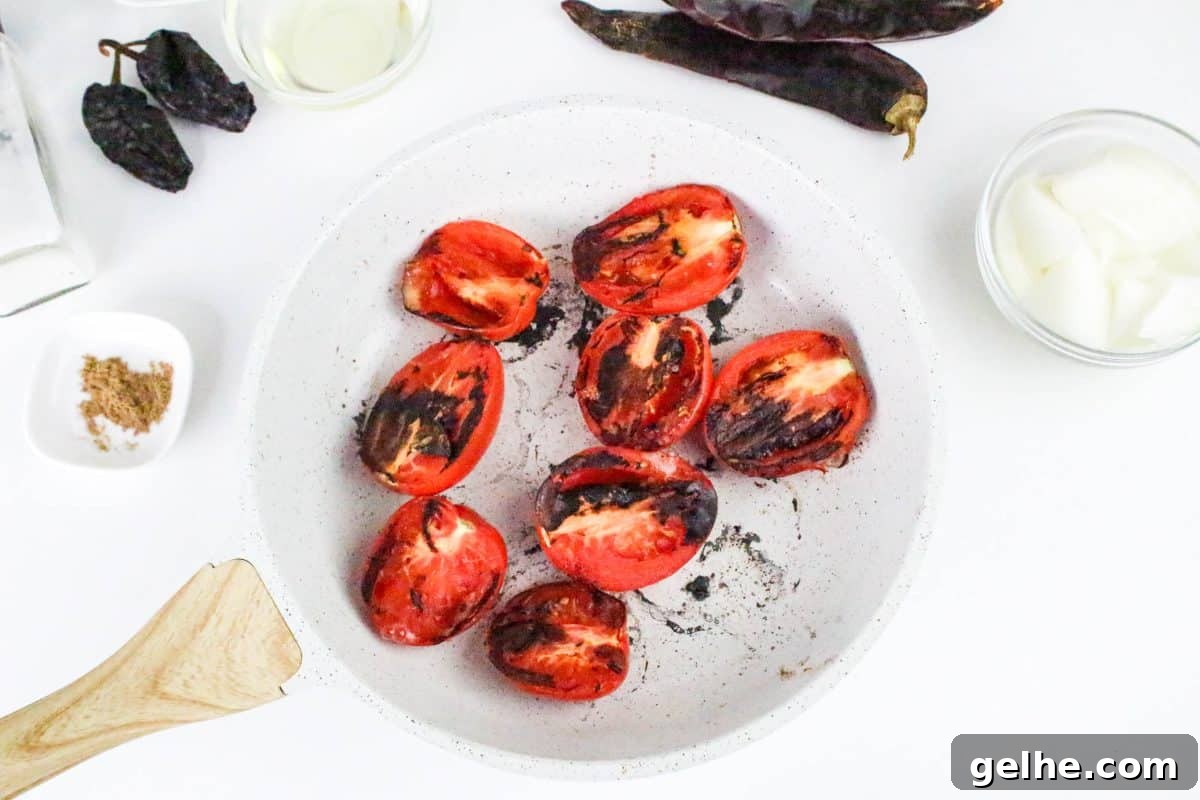
Char tomato halves in a hot, dry skillet until blistered and blackened in spots—this step adds bright, smoky notes. Toast dried chiles for about 30 seconds per side until fragrant, then soak them in hot water to soften. Blend the roasted tomatoes, rehydrated chiles, garlic, onion, cumin, salt, and water until smooth. Finish by simmering the blended salsa in a little oil for about five minutes to thicken and deepen the flavors. The hands-on time is short; most time is roasting and soaking.
-
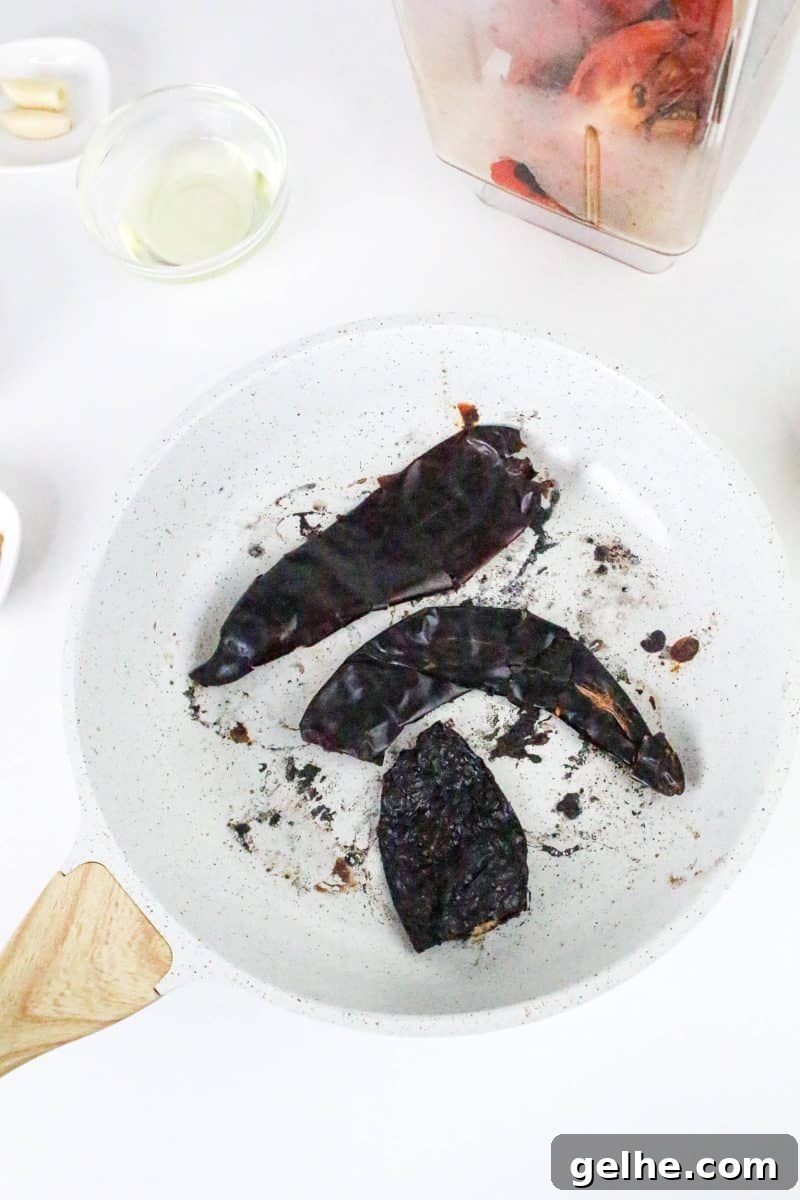
 Toast dried peppers
 -
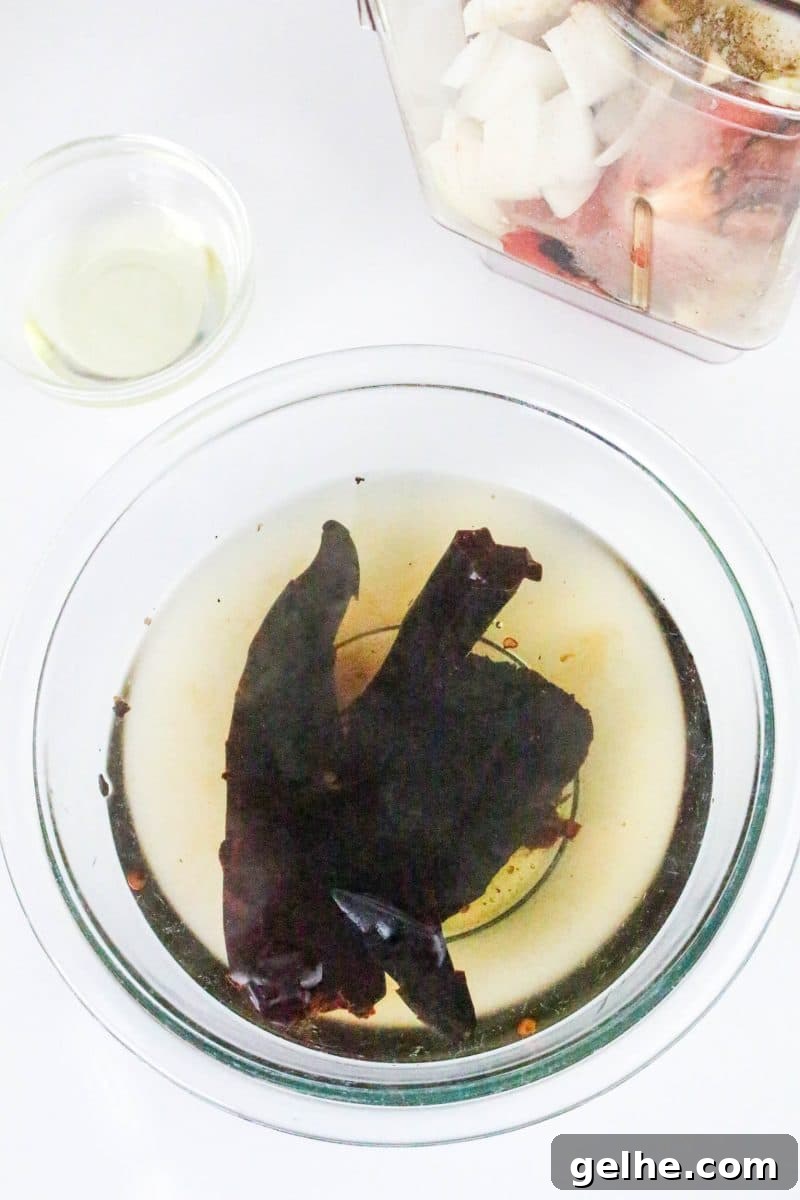
Soak chiles
Common Questions About Salsa Roja
How spicy is roja salsa? With two arbol chiles it’s medium-spicy. Reduce to one or omit if you prefer mild, or add more for extra heat.
Can I make this ahead? Yes—like many cooked sauces, salsa roja often tastes better the next day after the flavors meld. Store in the refrigerator for up to a week.
Can I substitute chiles? If you can’t find guajillo, ancho or New Mexico chiles work as alternatives; they change the flavor slightly but remain delicious.
Can I freeze it? Absolutely. Freeze in containers or ice cube trays, then transfer cubes to freezer bags for easy portioning. Frozen salsa keeps about six months.
Why toast the chiles? Toasting releases oils and intensifies flavor quickly—don’t skip it; it makes a noticeable difference.
Recipe Variations
Smoky: Add one chipotle in adobo when blending. Sweeter: Stir in 1 teaspoon brown sugar. Restaurant-style: Use 1/4 cup chicken broth in place of some water for a richer mouthfeel. Chunky: Pulse the blender for a coarser texture.
What to Serve with Salsa Roja
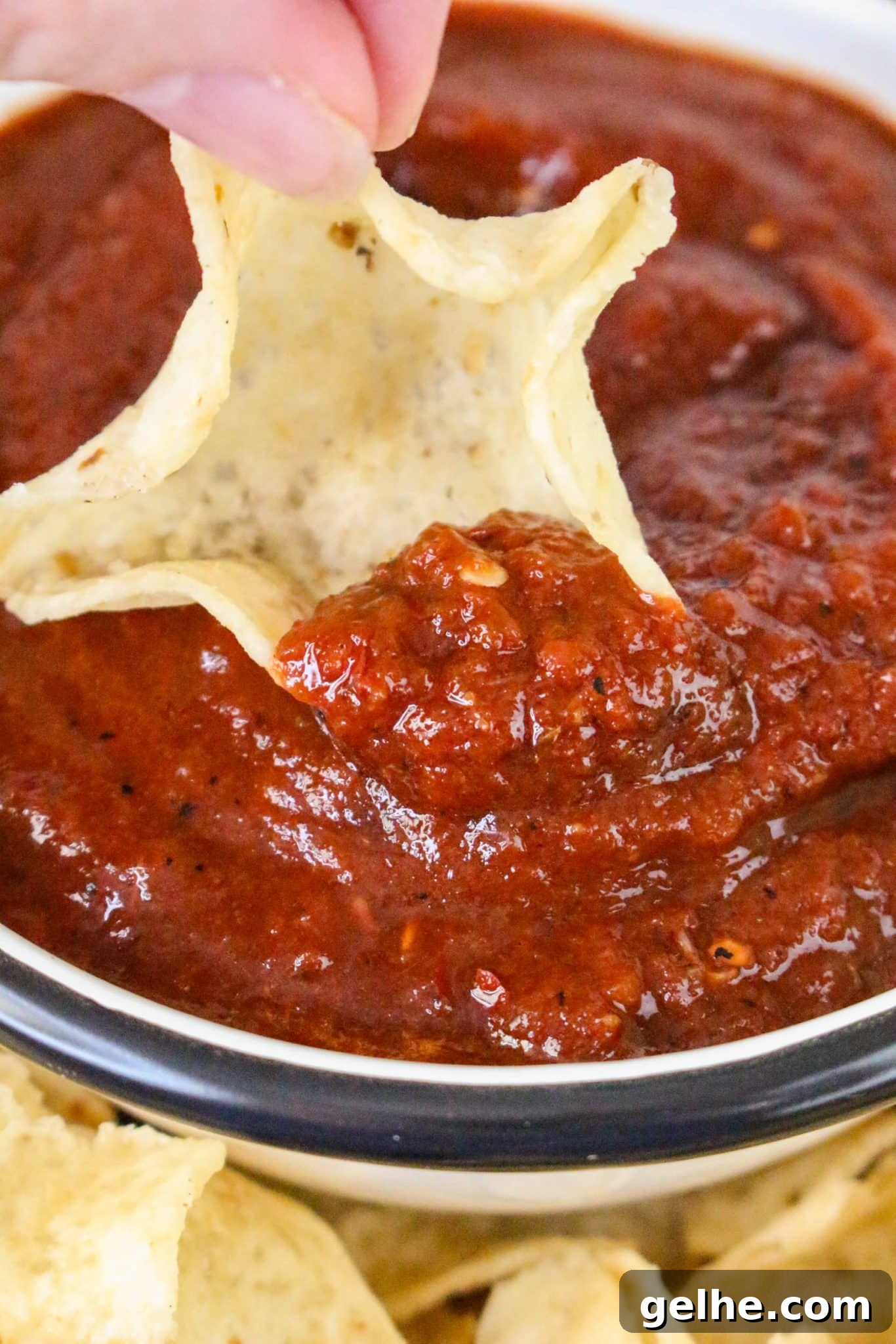
Salsa roja is wonderfully versatile. Serve it with tortilla chips, spoon it over carnitas or grilled chicken, use it in burrito bowls, or drizzle it on scrambled eggs. It also pairs well with quesadillas, rice, or as a dipping sauce for meatballs—use it wherever you want a smoky, tangy kick.
Storage Tips
Best Way To Store
Store salsa roja in a glass jar or airtight container in the refrigerator for up to one week. Flavors often mellow and improve after a day or two.
To freeze, cool the salsa completely, then pour into freezer-safe containers or ice cube trays. Once frozen, transfer cubes to bags for convenient portions. Thaw overnight in the fridge or use frozen cubes directly in hot dishes. After thawing, stir well and simmer briefly if the texture seems thin.
Making a double batch and freezing portions is a great way to have ready-made, homemade salsa on hand for quick meals.
Try This Recipe and Let Us Know!
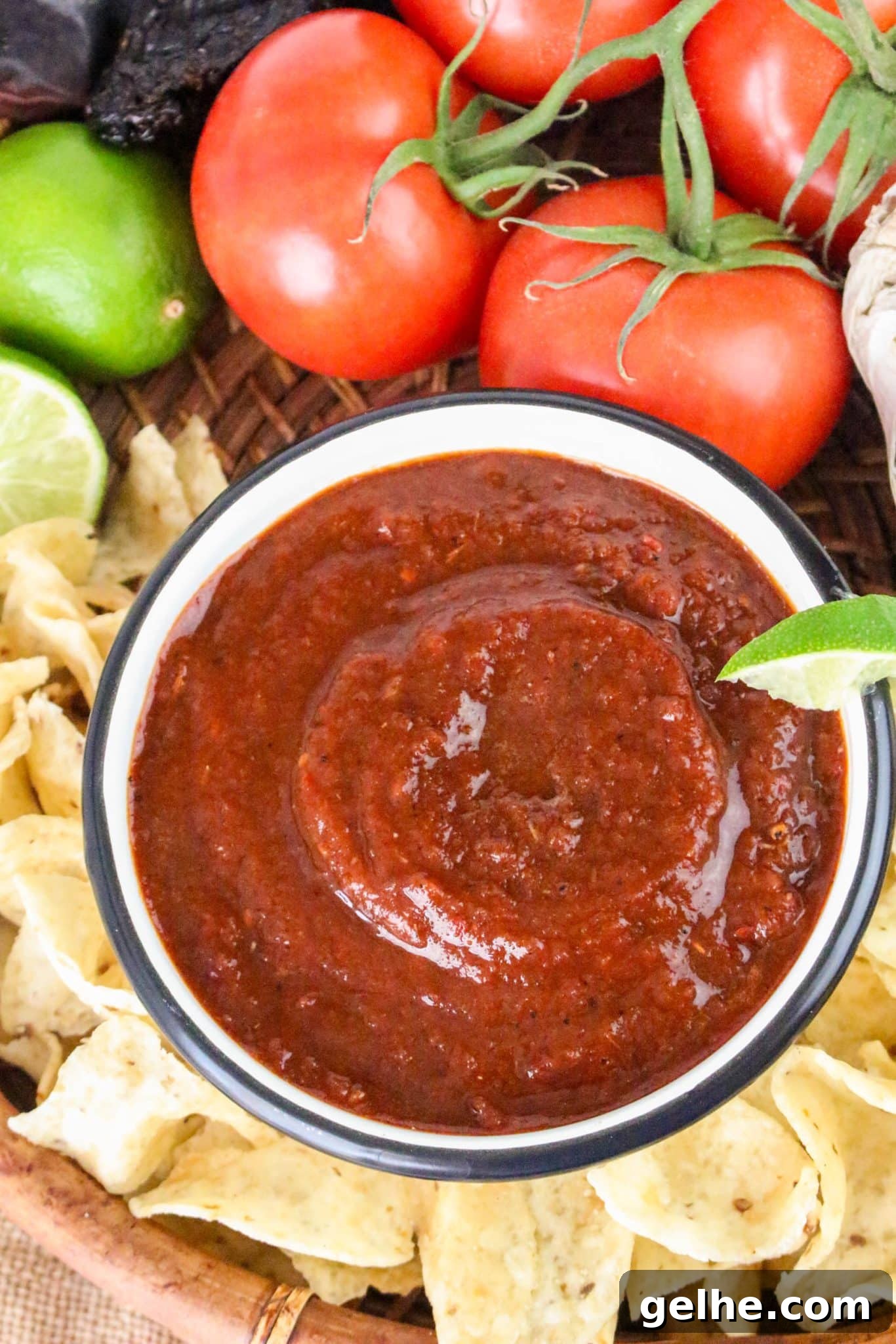
We’d love to hear how your salsa turned out. Did you make it hotter, or try it on something unexpected like grilled fish or scrambled eggs? Share your experience and tips so other home cooks can learn from real results.
If you enjoyed this recipe, please rate it and leave a comment. Your feedback helps others discover reliable, family-friendly recipes. Tell us any changes you made that worked well—we read and appreciate every tip and review.
★★★★★ Rate this recipe and tell us: What’s your favorite way to use salsa roja?
Salsa Roja Recipe: Easy Red Salsa with Dried Chiles
Equipment
-
12″ skillet
-
blender
Ingredients
- 4 ripe Roma tomatoes halved
- 2 dried guajillo chiles stemmed and seeded
- 2 dried arbol chiles for heat, adjust as needed, stemmed and seeded
- 2 cloves garlic
- ¼ small white onion roughly chopped
- ½ tsp saltor to taste
- ½ tsp ground cumin
- ½ cup water adjust for desired consistency
- 1 tbsp vegetable oil
Instructions
-
Heat a dry skillet over medium heat. Add the tomatoes cut-side down and roast until charred, about 5 minutes. Flip and cook another 3–4 minutes, then set aside.
-
In the same skillet, toast the dried chiles about 30 seconds per side until fragrant. Place them in a bowl and cover with hot water; let soak 5 minutes.
-
In a blender combine roasted tomatoes, rehydrated chiles, garlic, onion, salt, cumin, and ½ cup water. Blend until smooth.
-
Heat the vegetable oil in the skillet over medium heat, pour in the salsa, and simmer 5 minutes, stirring occasionally, until slightly thickened.
-
Taste and adjust seasoning. Let cool slightly before serving.
-
Store in an airtight container in the refrigerator for up to a week or freeze for longer storage.
Nutritional Disclaimer
Nutritional information depends on exact ingredients and brands used. If you follow a strict diet, adjust ingredients as needed. Calculations are provided as a general guide.
Did you enjoy this recipe? Pin it for later and follow for more recipes and ideas.