Using coconut wax or coconut oil in candle-making offers several advantages: it’s more sustainable, burns slowly, and creates a smooth, creamy finish. However, coconut-based candles also have drawbacks that are worth considering before you buy.
This article outlines the main benefits and limitations of coconut wax candles and highlights reputable non-toxic brands that use coconut blends.
What this guide includes:
- Pros and Cons of Coconut Wax Candles
- Why Add Coconut to Beeswax or Soy Candles?
- Do Coconut Wax Candles Smell Like Coconut?
- Where to Find the Best Non-Toxic Coconut Wax Candles
- Fontana Candle Co.
- Natural Sloth
- Bee Lucia
- Stonelight Candle
- Essentially Charlie
- Want More Non-Toxic Candle Recommendations?
This guide contains product recommendations and we may receive compensation if you purchase through certain links. We only recommend products we trust.
Pros and Cons of Coconut Wax Candles
Every wax type has its strengths and trade-offs. Here are the main advantages of coconut wax and coconut oil in candles:
- Coconut burns cleaner than paraffin.
- Coconut can be more sustainable than some soy sources when responsibly produced.
- It burns slowly and holds scent well, making it effective at scenting a room.
- It produces a smooth, creamy finish and pleasant texture.
- It’s a vegan-friendly option for those who avoid beeswax.
There are also some disadvantages to consider:
- Coconut wax is generally more expensive than paraffin, soy, or common vegetable wax blends.
- It is softer with a lower melting point, which can cause issues in hot climates or during shipping if not blended or packaged properly.
Because of cost and melting-point concerns, many candle makers blend coconut with other waxes like soy or beeswax. Pure 100% coconut wax candles exist but are less common.
Home
The Ultimate Guide to Organic & Non-Toxic Candles
Learn what’s in conventional scented candles and what to look for in organic, non-toxic alternatives.
Why Add Coconut to Beeswax or Soy Candles?
Many brands blend coconut with beeswax or soy to balance performance and cost. Adding coconut oil can lower the overall melting point, improve scent throw, and help candles burn more evenly, reducing tunneling. Blends also improve stability for shipping and storage compared with pure coconut wax.
Manufacturers frequently blend for practical reasons: pure coconut wax has a very low melt point that can make shipping and warm-weather storage problematic.
Do Coconut Wax Candles Smell Like Coconut?
No. Unscented coconut wax candles are essentially odorless. Scented coconut candles take on the fragrance added to them, whether that’s essential oils or carefully formulated non-toxic fragrances.
Home
What is the “Fragrance Loophole”?
Understand the difference between synthetic and natural fragrances and why ingredient transparency matters.
Where to Find the Best Non-Toxic Coconut Wax Candles
Below are brands that use coconut in their blends and meet high standards for safety, sustainability, and scent quality. Selection criteria included:
- Use of natural essential oils or transparent, non-toxic fragrance ingredients.
- Lead-free cotton, hemp, or wooden wicks.
- Sustainability and ethical sourcing practices.
- Positive scent performance and customer service feedback.
Fontana Candle Co.
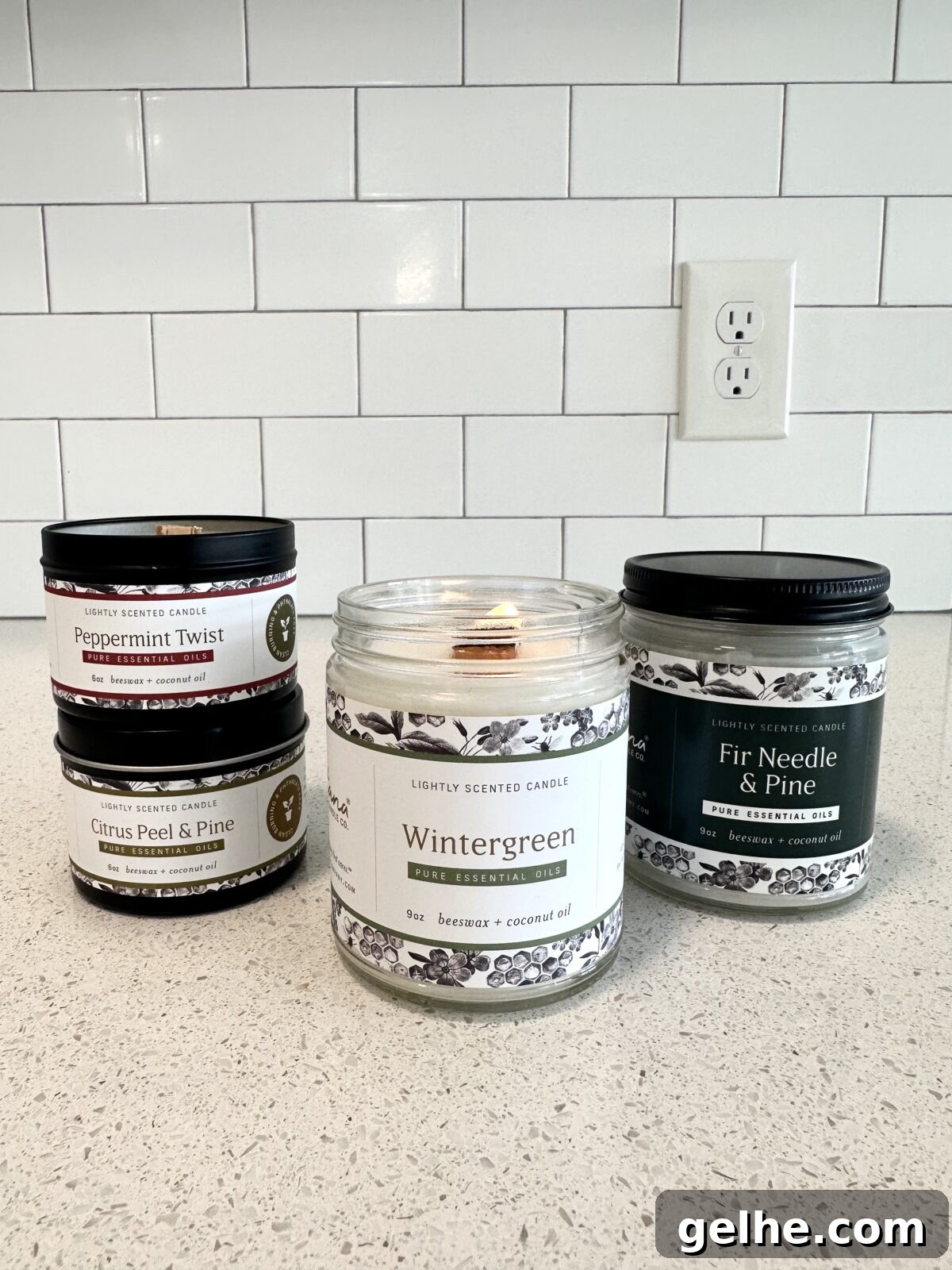
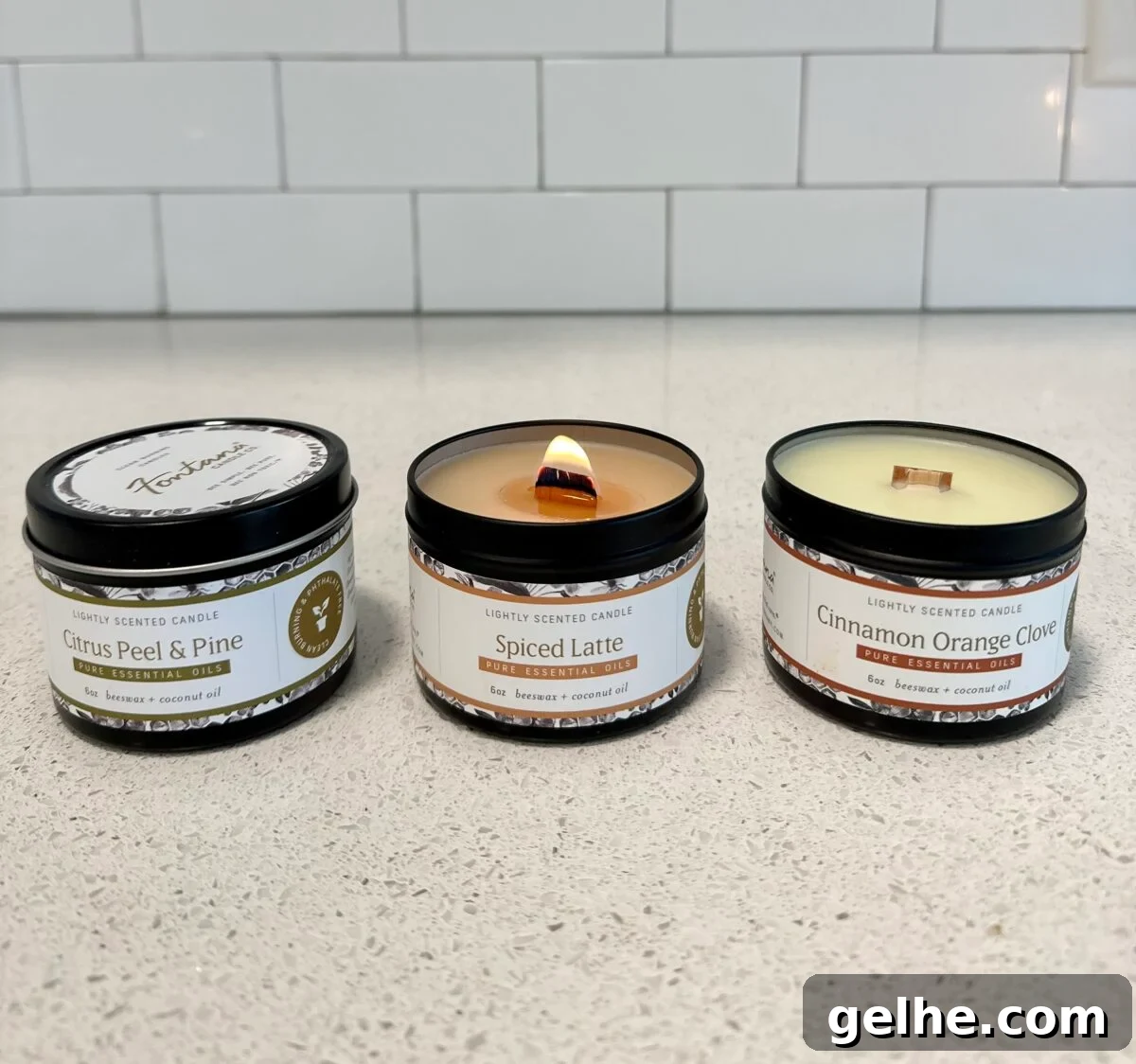
Fontana Candle Co. holds MADE SAFE certification, indicating rigorous testing for non-toxic ingredients. The family-run brand offers a variety of seasonal and year-round scents and focuses on safer product formulation.
Wax: Beeswax and coconut oil
Size: Various sizes and wax melts available
Burn time: Approximately 20–60 hours
Price range: $12–$30
Natural Sloth
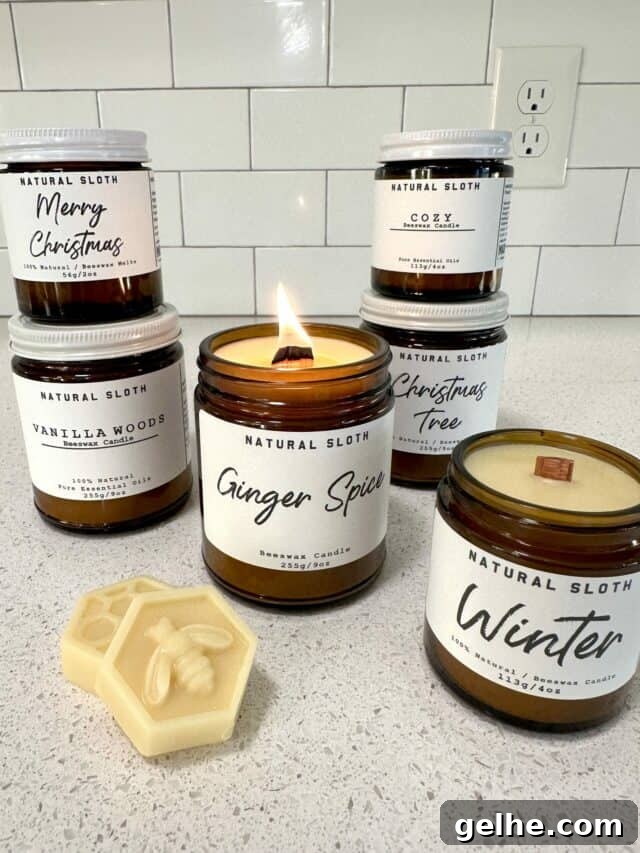
Natural Sloth candles are handmade with beeswax, organic coconut oil, pure essential oils, and a wooden wick. The brand carries MADE SAFE certification, reflecting third-party verification that products meet strict non-toxic standards.
Wax: Beeswax and coconut oil
Size: 4, 9, and 12 oz
Burn time: 22–65 hours
Price range: $15–$30
Bee Lucia
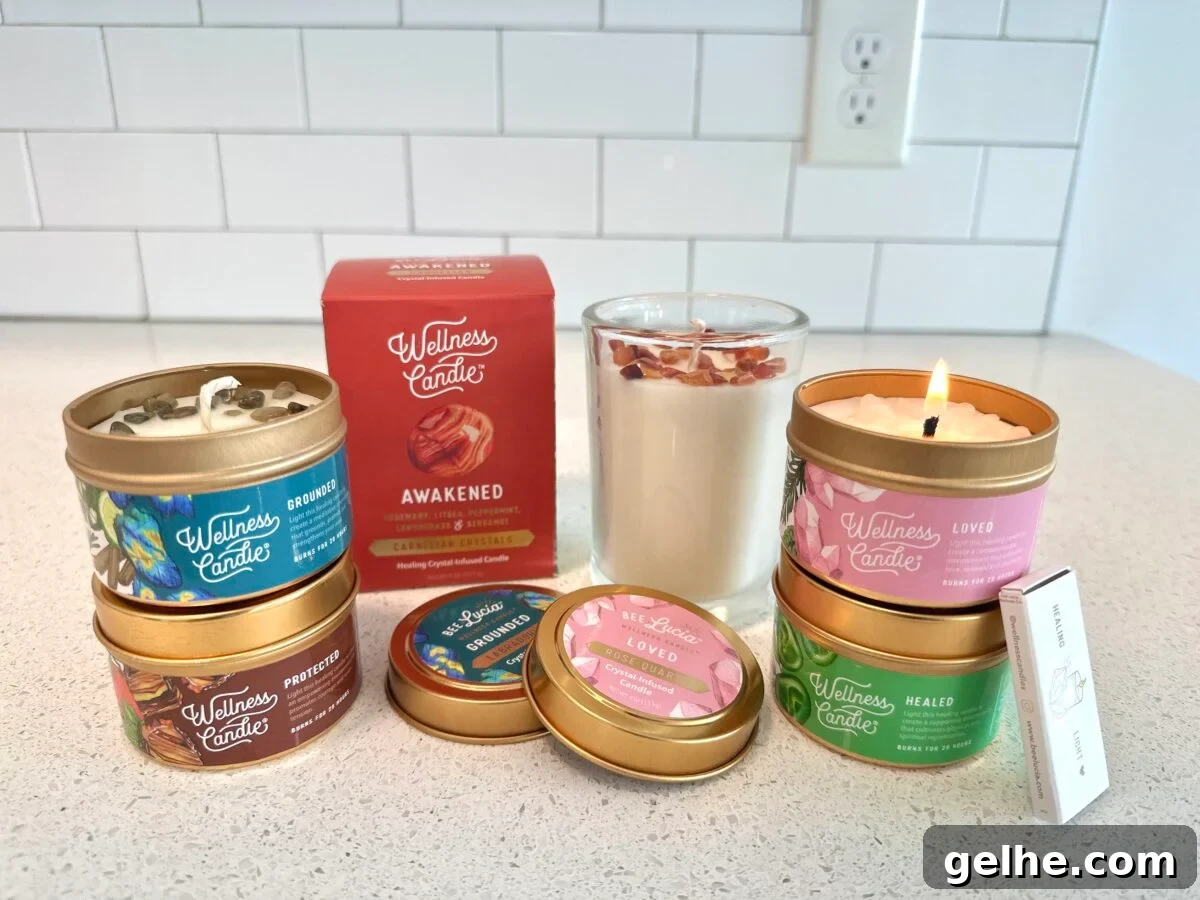
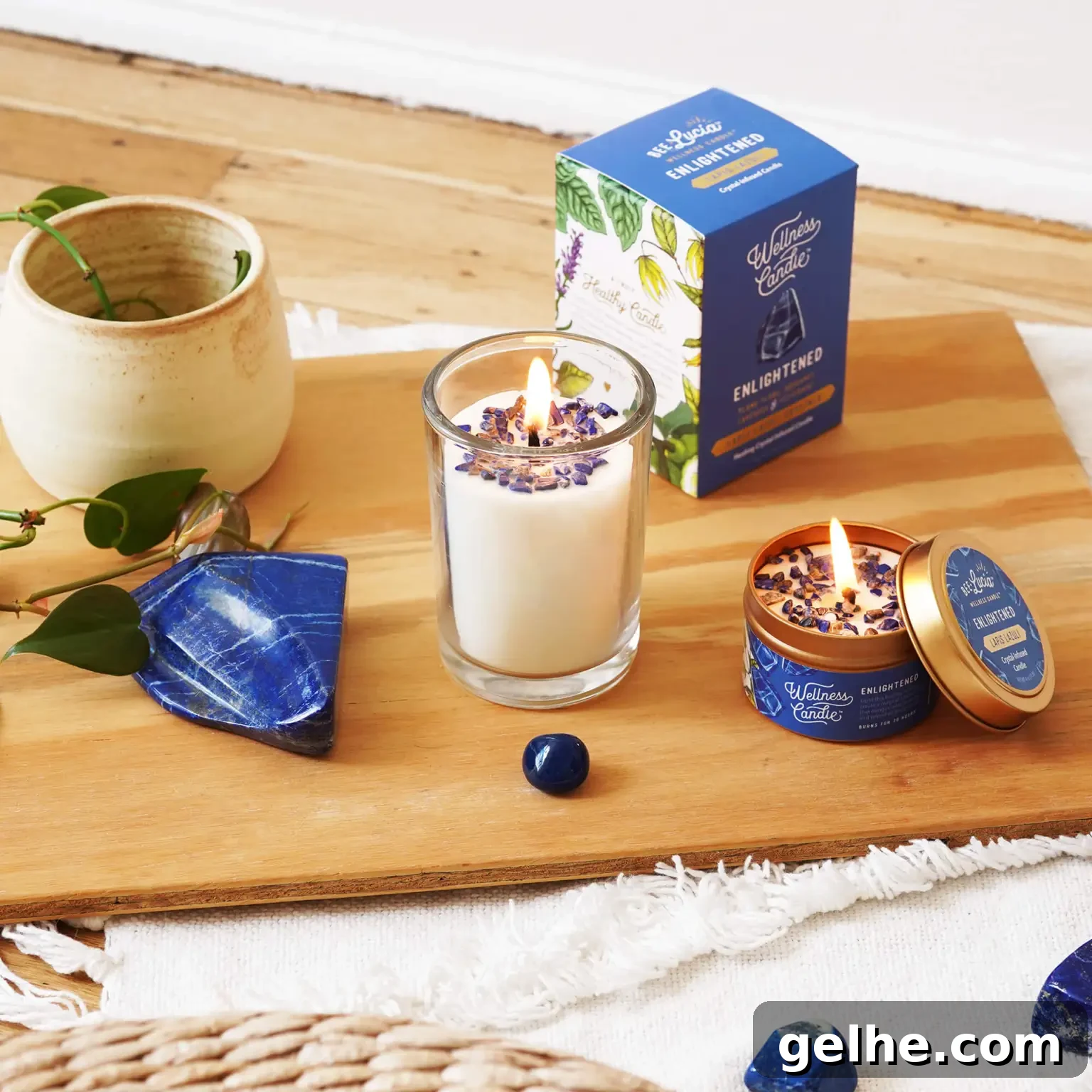
Bee Lucia’s wellness-focused candles blend coconut oil and beeswax with therapeutic-grade essential oils. Some products include ethically sourced crystals, and the brand offers themed scents intended for relaxation and gifting.
Wax: Beeswax and coconut oil
Size: 4 or 8 oz
Burn time: 20–40 hours
Price range: $16.95–$31.95
Stonelight Candle
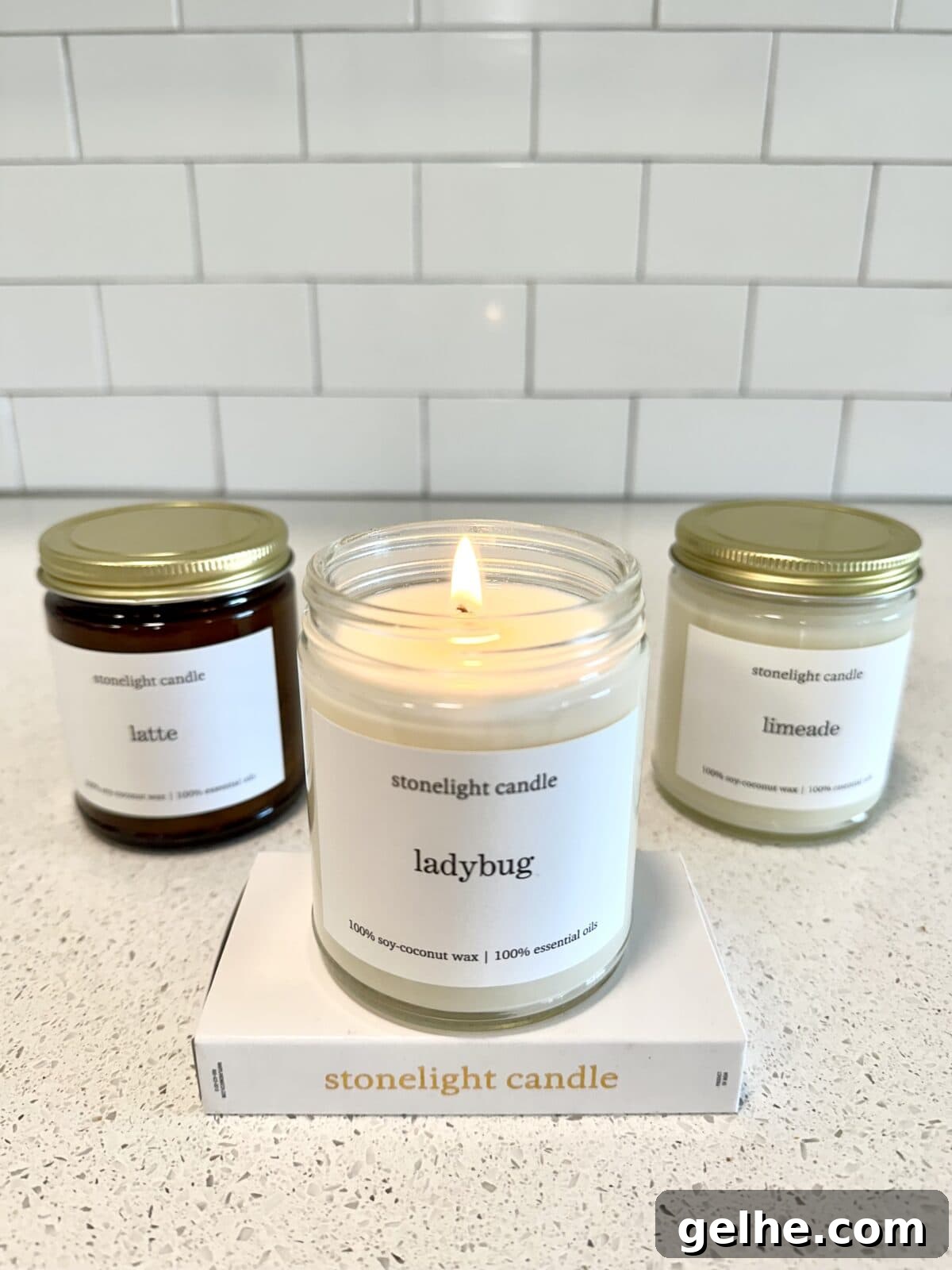
Stonelight Candle was founded after the owner’s family experienced serious health challenges and wanted safer candle options. Their products use natural oils such as soy and coconut and rely on essential oils rather than synthetic fragrances.
A few signature scents are available in well-packaged sets that work nicely as gifts.
Wax: Soy and coconut oil
Size: 9 oz
Burn time: Up to 50 hours
Price range: $25–$38
Related:
Home
The Best Natural & Non-Toxic Wax Melts
Safe wax melts are harder to find than candles. This guide highlights natural options that still deliver great scent.
Essentially Charlie
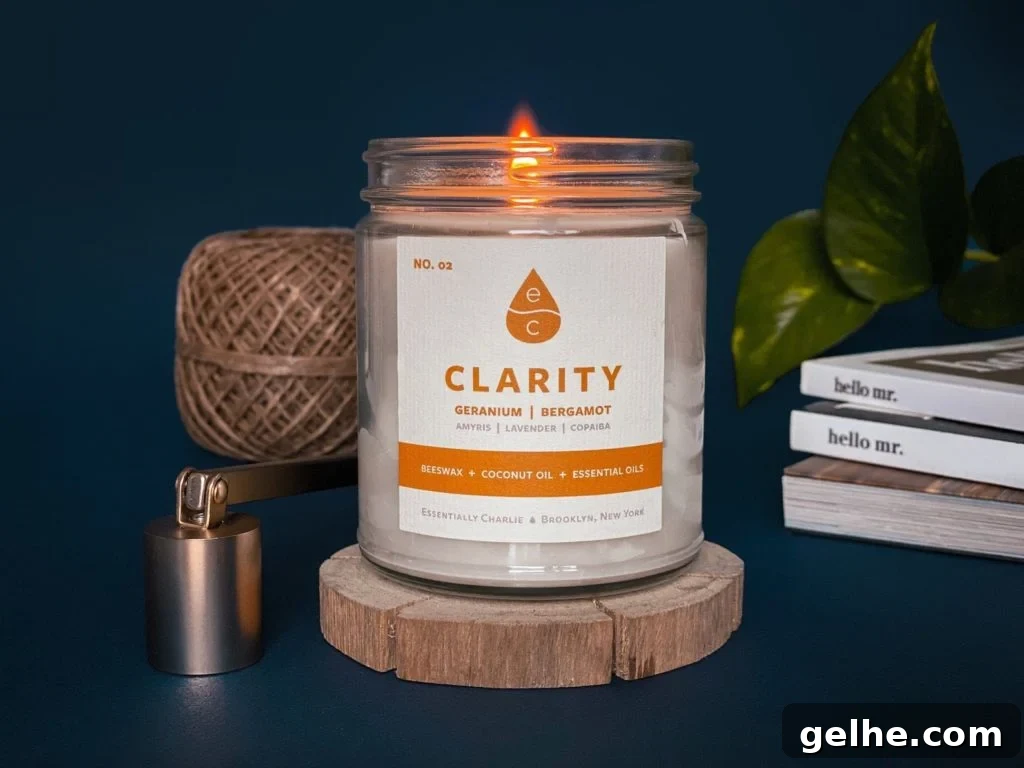
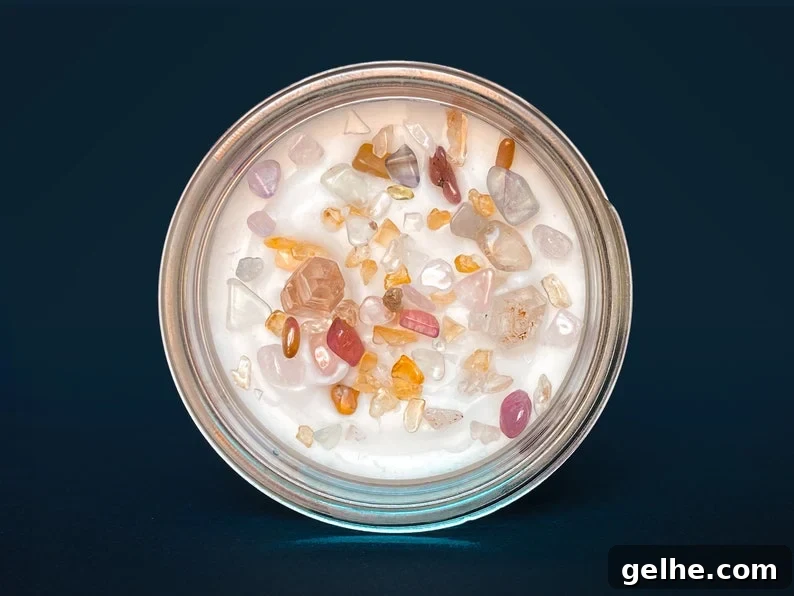
Essentially Charlie creates beeswax and coconut oil candles in Brooklyn using essential oils and hemp wicks. The brand emphasizes eco-friendly sourcing and small-batch production.
Wax: Beeswax and coconut oil
Size: 9 oz
Burn time: About 45 hours
Price: Around $20
Want More Non-Toxic Candle Recommendations?
If you want additional guides, consider searching resources on soy candles, beeswax candles, tallow candles, and broader non-toxic candle guides. Topics to explore include ingredient transparency, synthetic fragrance concerns, and brand certifications.
- Non-toxic soy candle recommendations for those who prefer soy wax.
- Beeswax candle picks for a natural, slow-burning option.
- Information on tallow candles for those interested in traditional fats-based waxes.
- General guides to non-toxic candles that explain common ingredients to avoid and what to look for instead.
Although coconut wax has a few limitations, it remains an appealing sustainable, non-toxic alternative to paraffin. When blended with soy or beeswax, coconut oil can help create a smoother, more even burn and improve scent performance.