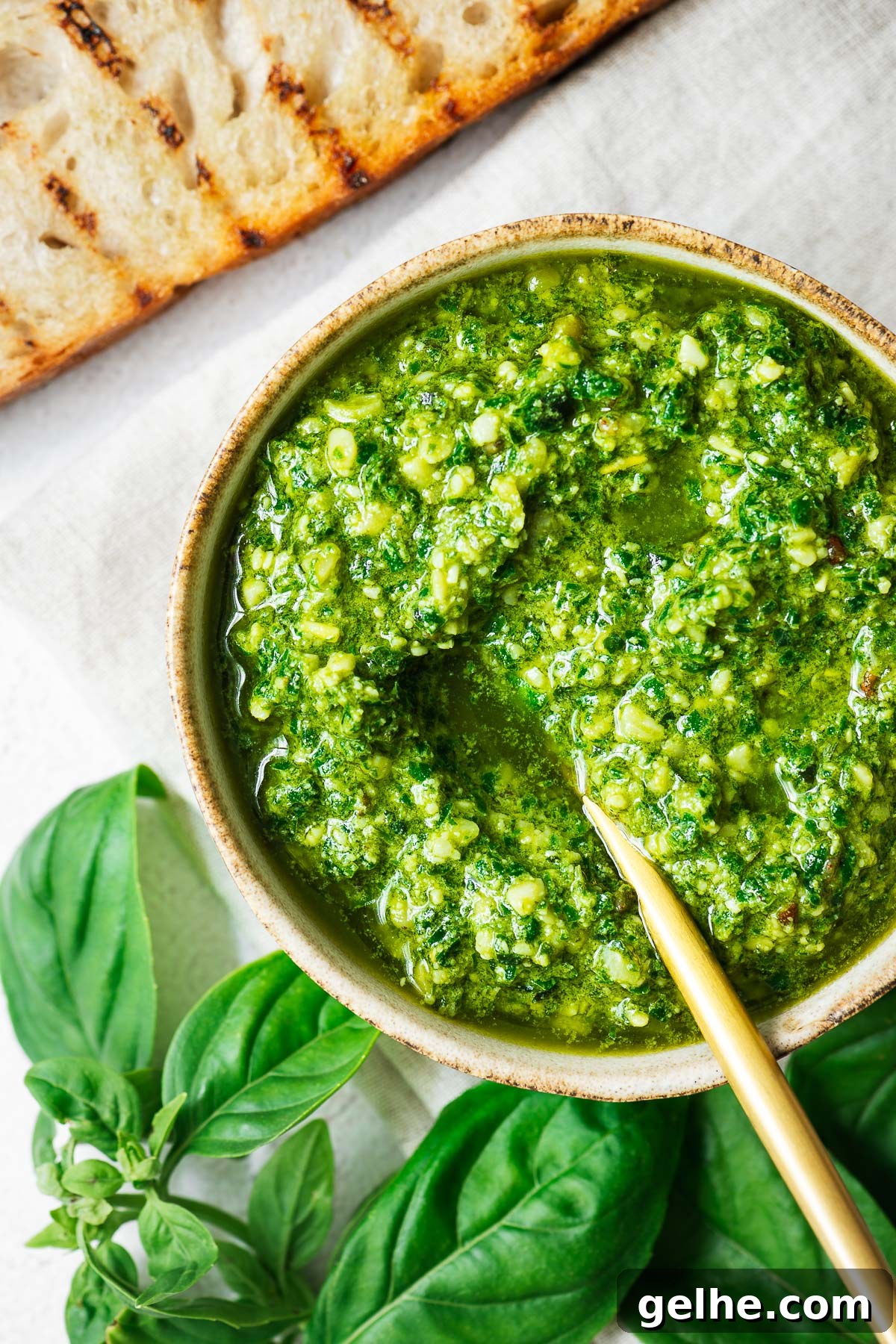
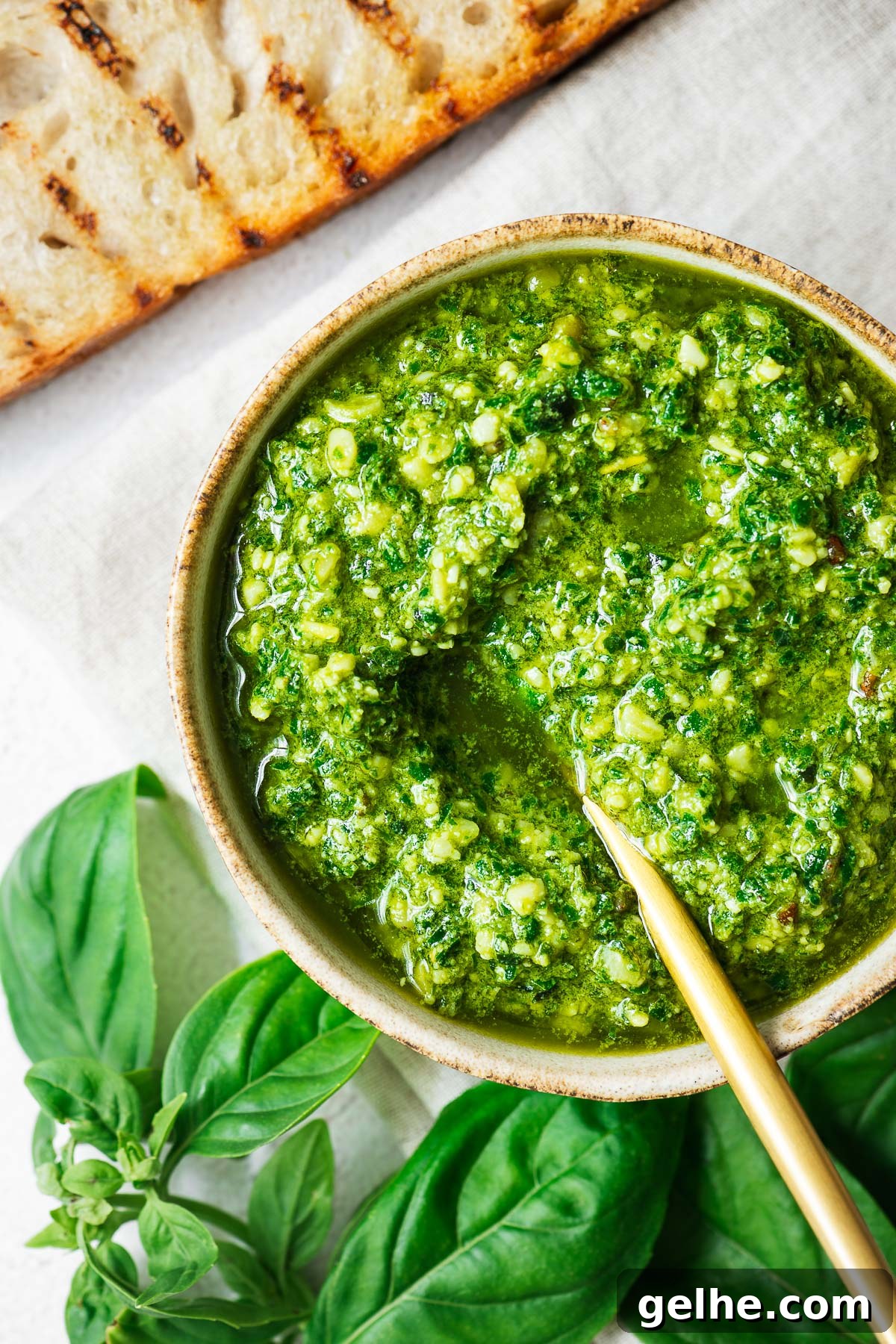
The Italians knew what they were doing when they created pesto alla Genovese. This vibrant green sauce relies on just a few high-quality, fresh ingredients to deliver a bright, herbaceous punch.
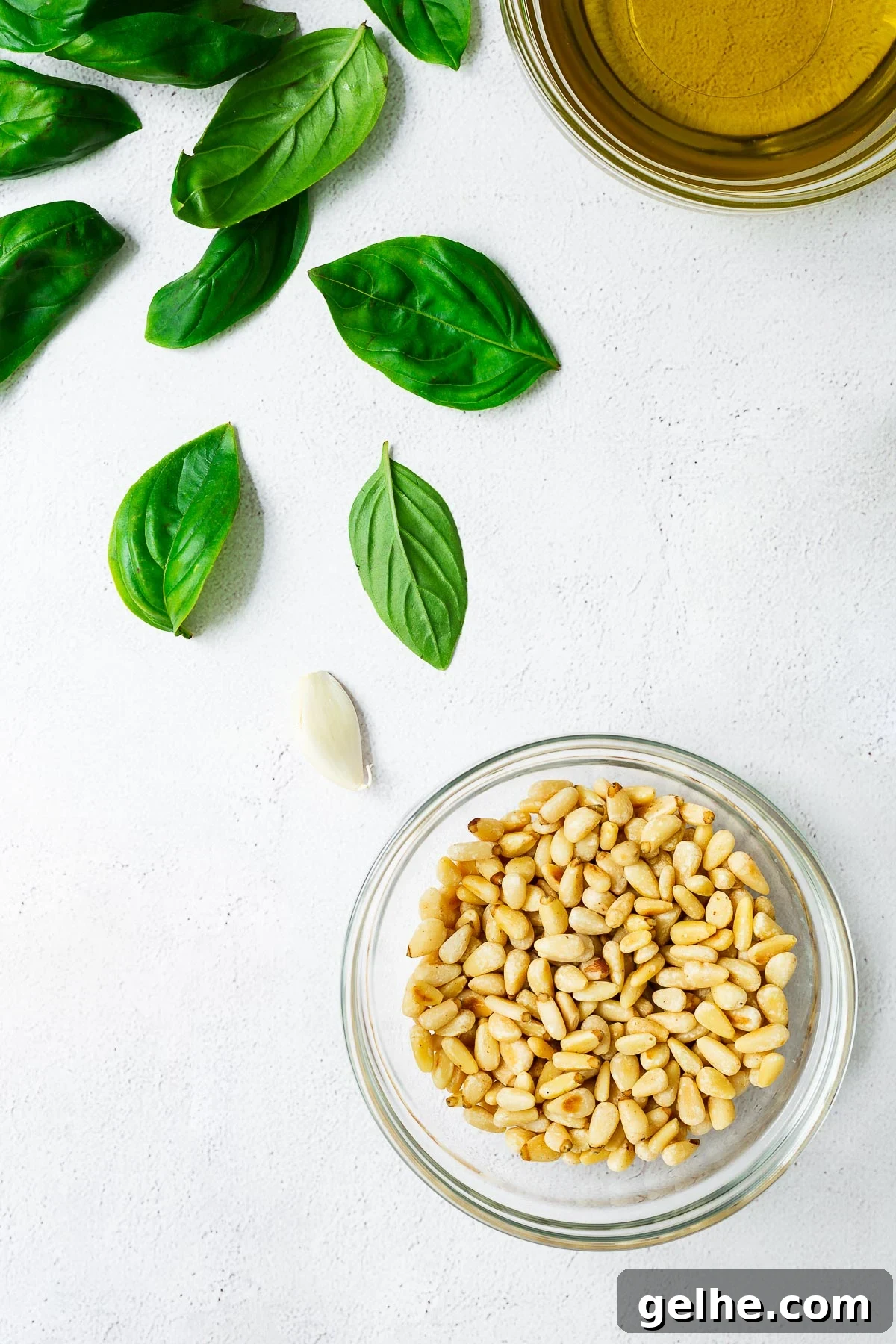
Traditional basil pesto combines crushed fresh garlic, pine nuts, coarse sea salt, fresh basil leaves, grated hard cheese such as Pecorino or Parmigiano-Reggiano, and extra-virgin olive oil.
But pine nuts can be costly, and some people avoid them because of allergies or the rare unpleasant taste disturbance sometimes called pine nut syndrome. If you need an alternative, here are the best substitutes for pine nuts so you can still enjoy great pesto without breaking the bank or risking a reaction.
My top pick to replace pine nuts in classic basil pesto is cashew nuts for their similar texture and mild sweetness. If you have a nut allergy, sunflower seeds or pepitas are excellent nut-free options. Read on to find the substitute that best suits your pantry and preferences.
In this post
- What are pine nuts?
- The best substitutes for pine nuts in pesto
- How to substitute pine nuts in pesto
- How to use pesto
- Frequently asked questions
What are pine nuts?
Pine nuts, also called pignoli, are edible seeds harvested from pine cones. Removing them from their hard casings is labor-intensive, which helps explain their higher price.
The ivory-coloured seeds have a soft, buttery texture and a mildly sweet, nutty crunch that complements fresh basil and cheese in pesto.
Besides allergies, concerns about the rare pine nut mouth syndrome prompt some people to seek alternatives. And, of course, cost is another common reason to substitute.
The best pine nut substitutes for pesto
While classic pesto Genovese traditionally uses pine nuts, many home cooks substitute other nuts or seeds with excellent results. The goal is to match the soft, buttery texture and mild sweetness of pine nuts while keeping the overall balance of the sauce.
Below are practical, tasty alternatives—some closely mimic pine nuts, while others offer a pleasingly different but delicious result.
1. Cashew nuts
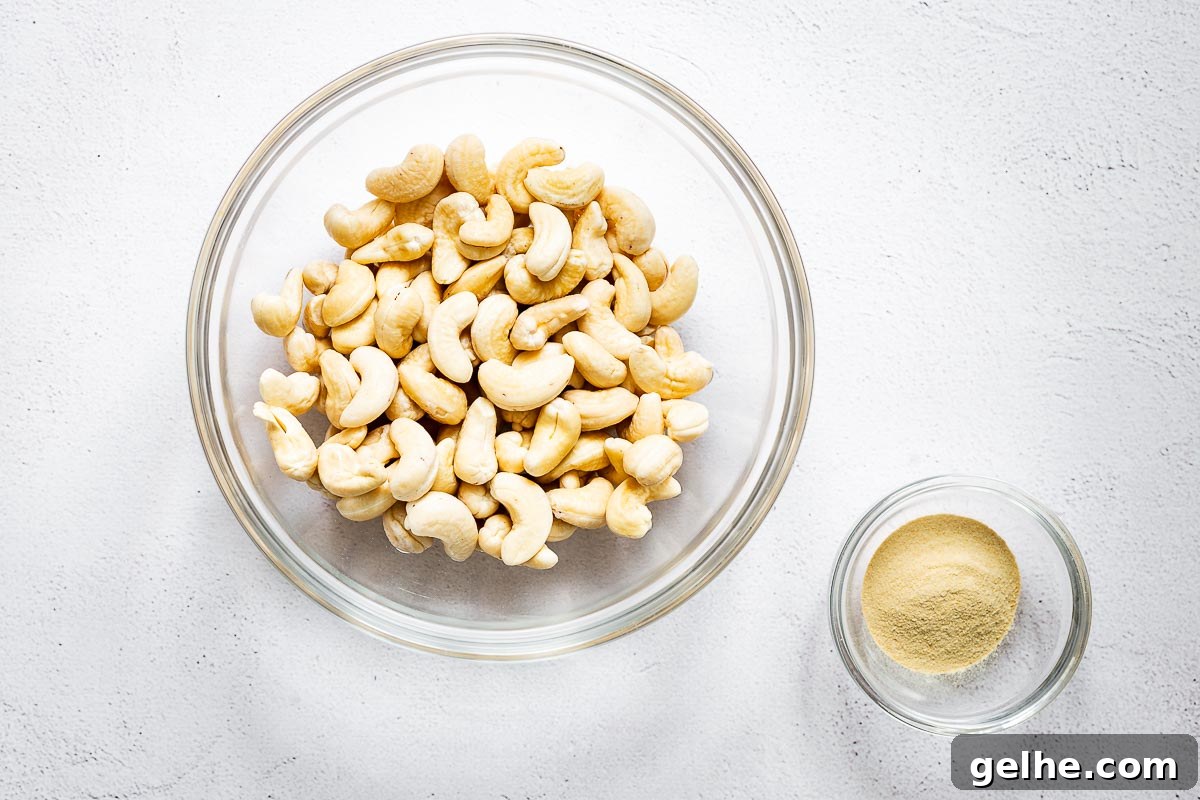
Raw, unsalted cashews are the closest match to pine nuts in texture and flavor, making them the best all-round substitute for classic pesto. For more nuttiness, roughly chop and lightly toast them in a dry pan until just golden—about one minute—watching carefully to avoid burning.
Substitute cashews for pine nuts at a 1:1 ratio by volume, chopping them roughly to resemble pine nut pieces.
2. Macadamia nuts
Macadamias bring an intensely buttery texture thanks to high fat content and a mild, sweet flavor. Lightly roast them to deepen their notes, then use them as a direct 1:1 substitute for pine nuts.
3. Unsalted pistachios
Pistachios lend a distinctive, slightly sweet taste and work beautifully in basil pesto. Use unsalted pistachios as a straight swap for pine nuts, or sprinkle them over finished dishes for extra texture and color.
4. Almonds
Almonds won’t replicate the buttery quality of pine nuts but make a delicious pesto. In Sicily, pesto alla Trapanese traditionally uses almonds with basil, garlic, pecorino, tomatoes, and olive oil. You can substitute chopped almonds directly in classic pesto or try the Sicilian version for a different but authentic take.
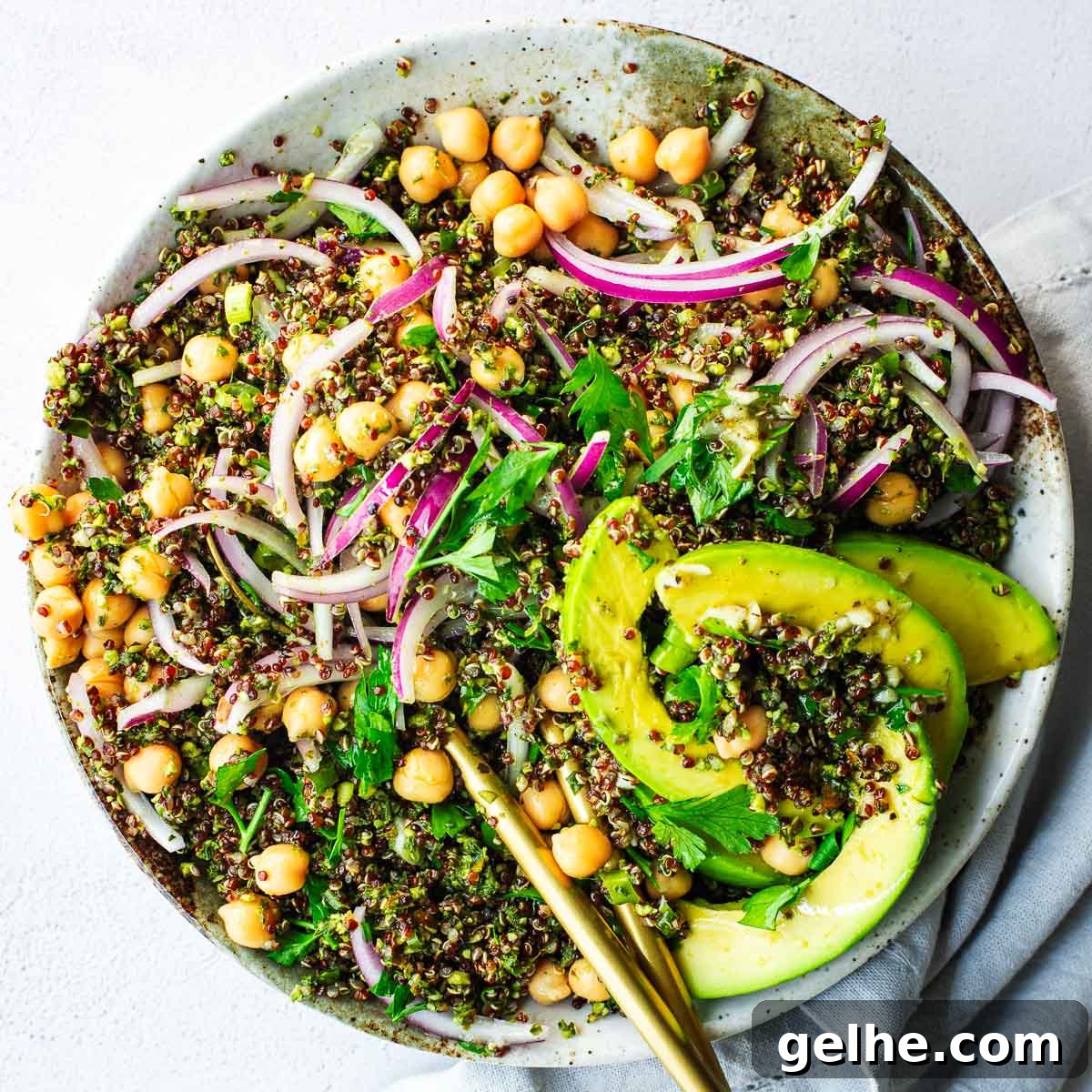
5. Pecan nuts
Pecans add rich, nutty flavor and a creamy texture when pounded, though their darker flecks alter the pesto’s visual uniformity. They make a tasty alternative for home pesto or a toasted garnish on savory dishes.
6. Walnuts
Walnuts have a similar fat profile to pine nuts but can introduce slight bitterness from their skins. You can pulse walnuts into a pesto paste, and for a milder flavor you can remove skins, though many cooks use them whole for convenience. Chopped walnuts also work as a topping in recipes that call for pine nuts.
Related recipe ideas
- Use walnuts in a labneh with sweet-spicy cherry tomato sauce for a different finish.
- Try muhammara (red pepper and walnut sauce) as an alternative to pesto when you want warm, toasty flavors.
7. Blanched hazelnuts
Blanched hazelnuts—skins removed—offer an intense, toasty flavor when lightly roasted. Their texture is firmer than pine nuts, but they create a flavorful pesto when chopped and combined with basil and olive oil. Use a 1:1 substitution by volume.
8. Brazil nuts
Brazil nuts contribute a creamy mouthfeel and distinct nuttiness. Because they are large, roughly chop them to pine nut-sized pieces and substitute by equal volume.
9. Sunflower seeds
For a nut-free pesto, hulled sunflower seeds are an excellent choice. They provide texture and fat to balance basil’s herbaceousness. While they lack the buttery profile of pine nuts, they produce a tasty, allergy-friendly pesto.
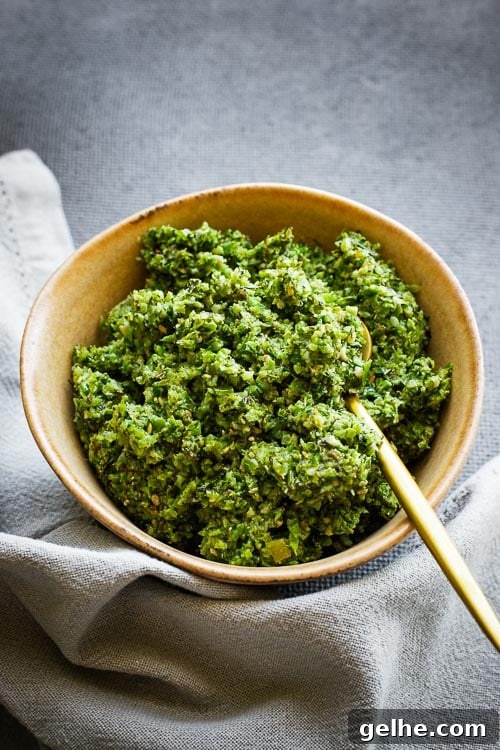
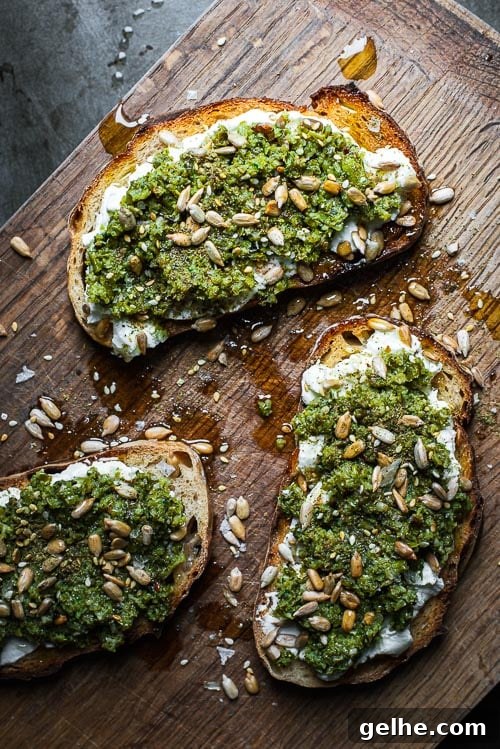
10. Pepitas (pumpkin seeds)
Pepitas are shell-free pumpkin seeds that make a nut-free alternative with a pleasant, slightly sweet flavor. Use them raw or lightly toasted, chopping if desired, and substitute by equal volume for pine nuts.
11. Sesame seeds
Hulled sesame seeds can replace pine nuts one-for-one by tablespoon. Toast them briefly for extra flavor. If you prefer a quicker option, stir a tablespoon or two of tahini into your basil and olive oil for a creamy, nut-free pesto—adjust the oil to reach your desired consistency.
12. Nut butter
Unflavored, unsalted nut butter is a convenient shortcut and works well as a pine nut substitute. Peanut, cashew, or pistachio butter can all add creaminess—just use about a tablespoon of nut butter per tablespoon of pine nuts and reduce the olive oil slightly, adjusting to taste.
Why not make nut-free pesto instead?
If you prefer to skip nuts entirely, consider pistou, a French sauce made from basil, garlic, and olive oil that omits nuts (and often cheese). It’s a simple, bright alternative that preserves pesto’s core flavors without any nuts.
How to make pesto without pine nuts
The word pesto comes from the Italian for “pounded.” Traditional pesto is made in a mortar and pestle, but a food processor is a convenient and effective method for home cooks. Pulse your chosen nuts or seeds with basil, garlic, cheese (if using), salt, and olive oil until you reach the desired texture.
For nut butter substitutions, stir the butter into chopped or processed basil, then thin with olive oil as needed. For whole nut or seed alternatives, lightly toasting and roughly chopping to pine nut-sized pieces helps create a balanced texture and flavor.
How to use pesto
Pesto is versatile beyond pasta. Here are easy ways to use it:
- Pesto pasta: Toss pesto with hot pasta and finish with a squeeze of lemon for brightness.
- Pesto pizza: Use pesto as a base sauce on pizza, topping with cheese, tomatoes, and other favorites.
- Savoury sandwiches: Spread pesto on sandwiches or wraps to complement grilled meats or roasted vegetables.
- Egg dishes: Swirl pesto into omelettes, scrambled eggs, or frittatas for a flavorful lift.
- Soups and stews: Stir a spoonful into soups like minestrone just before serving to add freshness.
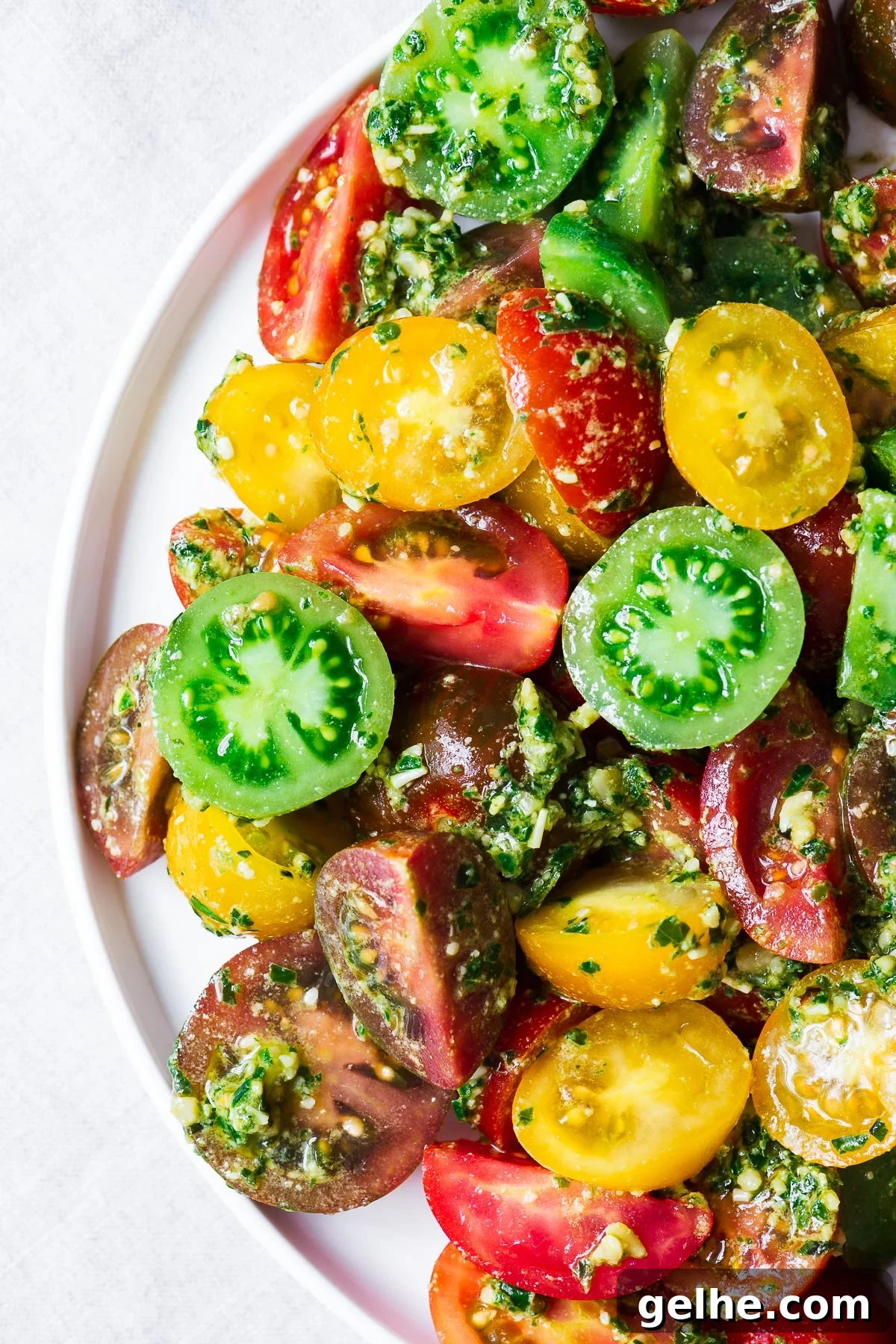
- Salad dressing: Thin pesto with lemon juice and a splash of olive oil for an instant grain bowl or salad dressing.
Frequently asked questions
Cashews are the closest match in flavor and texture. Other options include walnuts, almonds, and pistachios. For nut-free pesto, use sunflower seeds or pepitas.
Walnuts, almonds, and pistachios are popular choices for a nutty, creamy pesto. Hazelnuts also work if you want a more pronounced toasty flavor.
Pine nuts are traditional and contribute a subtle, buttery note, but they are not essential. Many nuts and seeds can provide richness and depth—cashews and sunflower seeds are reliable alternatives.
Whether you try a sun-dried tomato pesto with walnuts or a classic basil pesto made with cashews instead of pine nuts, pesto remains a versatile, flavor-packed sauce. Store homemade or store-bought pesto in the refrigerator so it’s ready to brighten any meal.
More substitutes to explore
- Italian seasoning substitutes (& recipe)
- The best Dijon mustard substitutes (+ DIY recipe)
- The best gochujang substitutes (+ what not to use)
- Spice blends to substitute Chinese five-spice (+ easy recipe)
- Substitutes for gochugaru (Korean chilli flakes)