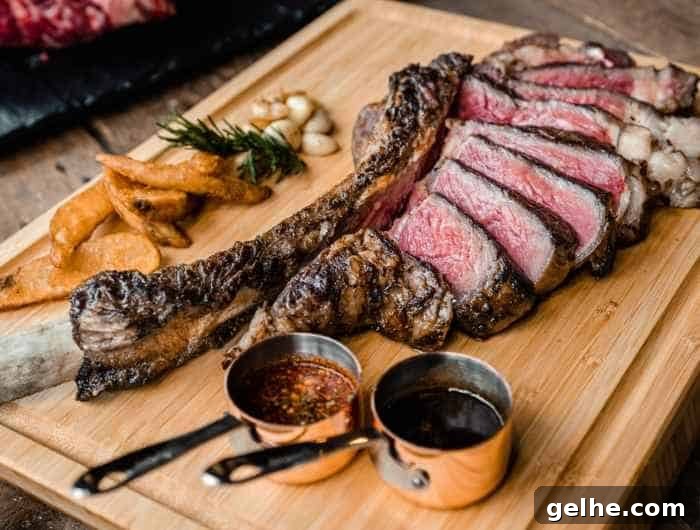
Tomahawk steak is a dramatic, bone-in ribeye that steals the show on any grill or plate. But what exactly is it, and is the attention justified? This guide covers what a tomahawk steak is, how it compares to similar cuts, where to buy one, costs, and reliable cooking and prep methods so you can cook it confidently.
- What is a Tomahawk Steak?
- Tomahawk Steak vs. Ribeye
- Tomahawk Steak vs. Cowboy Steak
- Do Tomahawk Steaks Taste Better?
- How Much Does a Tomahawk Steak Cost?
- Where to Buy Tomahawk Steak
- How to Cook a Tomahawk Steak
- Meat Prep
- What are Safe Internal Temperatures?
For chefs and home cooks who value premium ingredients, the tomahawk steak is an exciting challenge and a centerpiece option. This bone-in ribeye delivers striking presentation and rich flavor when handled properly. Below you’ll find practical information for buying, prepping, and cooking this iconic cut.
Whether you’re grilling for guests or preparing a special dinner, this guide explains how to get the best results from a tomahawk steak so the interior is juicy and the exterior develops a satisfying crust.
What is a Tomahawk Steak?
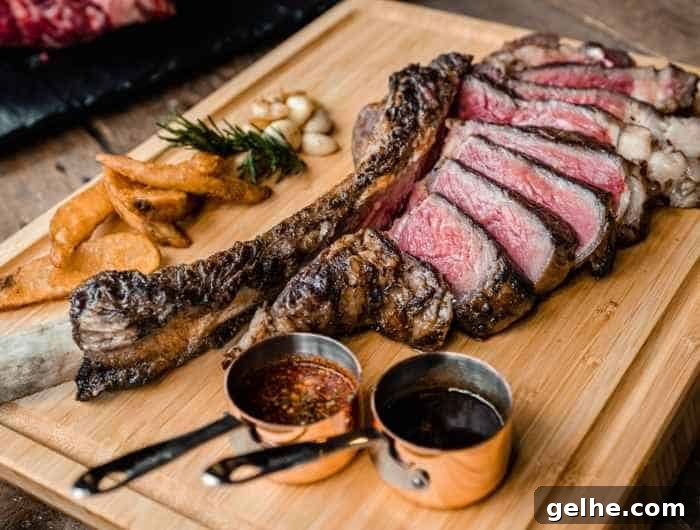
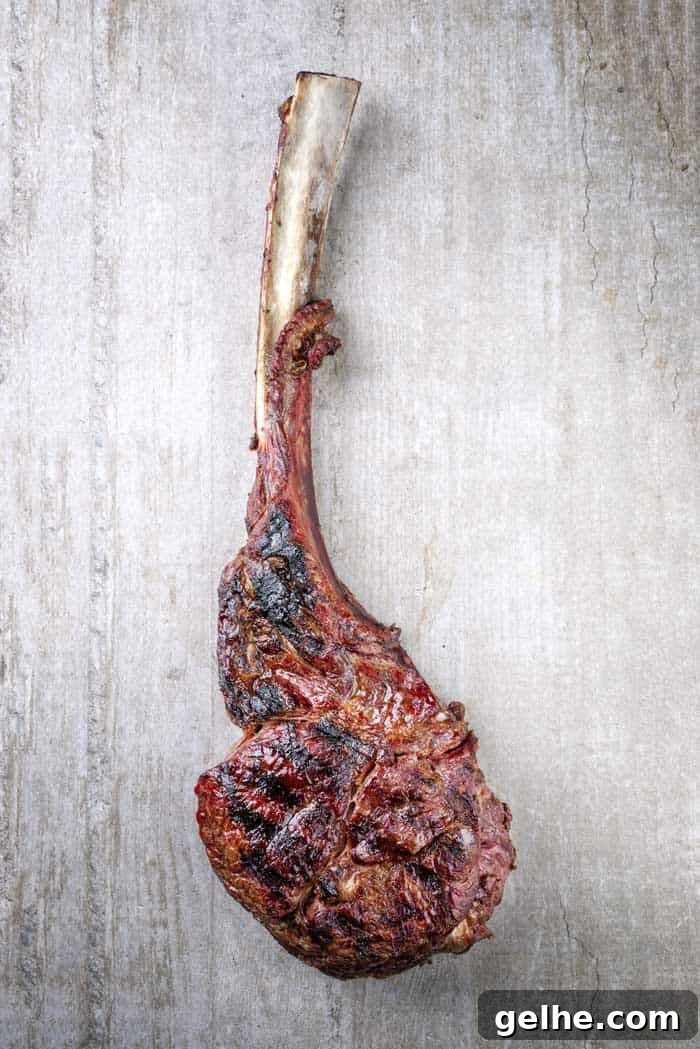
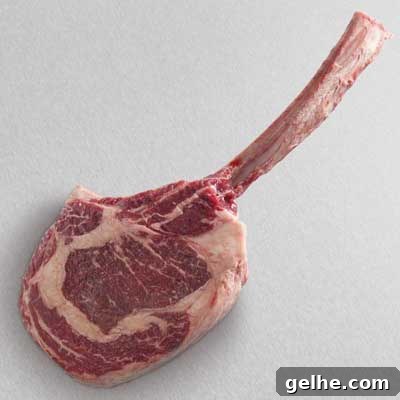
A tomahawk steak is a ribeye cut with an extended, hatchet-like rib bone left intact. It’s essentially a ribeye that’s been “frenched,” meaning the butcher trims meat and fat away from the bone for a clean, dramatic presentation. The long exposed bone and the steak’s thickness make it visually striking.
Butchers cut tomahawks from the rib primal, typically from ribs six through twelve, and most tomahawks are at least two inches thick. The meat includes the longissimus dorsi and the surrounding ribeye muscles, often with generous marbling that contributes to flavor and tenderness. A typical tomahawk weighs around 2 to 3 pounds and has a bone that can measure several inches in length.
Tomahawk Steak vs. Ribeye
Tomahawks and ribeyes come from the same area of the animal, but the tomahawk retains a long frenched bone and is cut much thicker. A tomahawk commonly ranges from 2 to 4 pounds and is about two inches thick, while a standard boneless ribeye is often closer to 10–16 ounces and roughly an inch thick. The bone and thickness change presentation and cooking behavior, giving the tomahawk more room for a deeply caramelized crust with a tender, evenly cooked interior.
Tomahawk Steak vs. Cowboy Steak
The cowboy steak is another bone-in ribeye but with a shorter frenched bone compared to the tomahawk. Historically, the shorter bone could be used as a handle while cooking. Both cuts are well-marbled and flavorful; the cowboy steak tends to be smaller and usually weighs less than a tomahawk.
Do Tomahawk Steaks Taste Better?
Taste comes down to marbling, quality, and cooking technique rather than the name alone. The tomahawk’s thickness helps achieve a dark, flavorful crust while keeping the inside juicy and properly cooked, which many diners prefer. Cuts closer to the bone often taste more flavorful, and because tomahawks are thick, they give you time to develop that crust without overcooking the center.
How Much Does a Tomahawk Steak Cost?
Tomahawk prices vary widely depending on the supplier, the animal’s raising method, and local market factors. Prices per pound often range from about $30 to $80. The long bone and the work of frenching add to the price, and specialty options like grass-fed or Wagyu-influenced cuts command higher premiums.
Price Per Pound
Expect to see tomahawks priced roughly $30–$80 per pound. Because a single tomahawk often weighs multiple pounds, the total cost can be substantial, but you’re paying for a large, showy portion and the butchering labor involved.
Why Is It So Expensive?
Higher cost stems from the cut’s size, the frenched bone, and the trimming time required. Premium genetics, specialized feeding, and limited yield per carcass also raise prices. The bone contributes to presentation and can subtly influence cooking, but much of the expense is for the meat and skilled preparation.
Where to Buy Tomahawk Steak
Tomahawk steaks are available from specialty butchers, online retailers, and some high-end grocery stores. Buying from a butcher lets you discuss provenance and custom trimming; online vendors often list weight and aging details. If ordering online, pay attention to shipping times and thawing instructions.
Porter Road
Porter Road offers large tomahawks cut from the biggest ribeyes, with the extended rib bone frenched for appearance. These cuts are trimmed and, in some cases, tied for easy handling.
Porter Road Tomahawk Ribeye
Porter Road selects the largest ribeyes and leaves the full rib bone attached, frenching the bone for a clean presentation and tying the cut for easier cooking. Their tomahawks are sourced and trimmed with care.
Snake River Farms
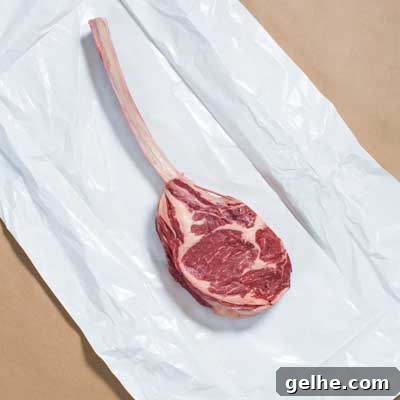
Snake River Farms produces American Wagyu-style tomahawks with heavy marbling and a thick cut to accommodate the long rib bone. These steaks are rich and designed for bold, beef-forward flavor.
Snake River Farms American Wagyu Tomahawk
These tomahawks are thick, richly marbled, and include the full ribeye muscle and cap for a decadent eating experience.
How to Cook a Tomahawk Steak
There are a few proven methods to cook a tomahawk steak well. Choose the one that fits your equipment and timing—each technique aims to produce an evenly cooked interior and a deeply browned crust.
Reverse Searing
Reverse searing starts by cooking the steak slowly at low heat—either in a low oven or indirect on a grill—until it approaches the target internal temperature. Finish with a brief, high-heat sear in a very hot pan or over direct flame to form the crust. Because tomahawks are thick, use an accurate meat thermometer to monitor doneness.
Hybrid Grilling
Hybrid grilling combines low-and-slow smoking with a final sear over high heat. Smoke the steak at a low temperature until the interior is near your target, rest briefly, then transfer to the hot side of the grill for searing and grill marks. This yields smoky flavor plus the char and texture from a high-heat finish.
What is the Best Smoking Temperature for Tomahawk Steak?
A smoker set between 225–250°F (107–120°C) is a common recommendation for slowly bringing the interior to temperature. If you’re using an oven, 250–275°F (120–135°C) provides a gentle roast before the final sear.
Meat Prep
Proper prep ensures even cooking and food safety. Thaw frozen tomahawks in the refrigerator for 24 hours, then bring the meat to room temperature for 30–40 minutes before cooking. Pat the steak dry, season simply with salt and pepper or use a short marinade if desired. Because tomahawks are thick, allow ample cook time—smoking can take a couple of hours; oven roasting is faster, and final searing typically needs only 30–60 seconds per side on a very hot surface.
Always use a thermometer to check internal temperature before searing and before serving, and let the steak rest after cooking so juices redistribute.
What are Safe Internal Temperatures?
Common target temperatures for doneness: 135°F (57°C) for medium-rare and 145°F (63°C) for medium. Use an instant-read thermometer to confirm the steak reaches your preferred doneness, accounting for a small carryover rise during resting.