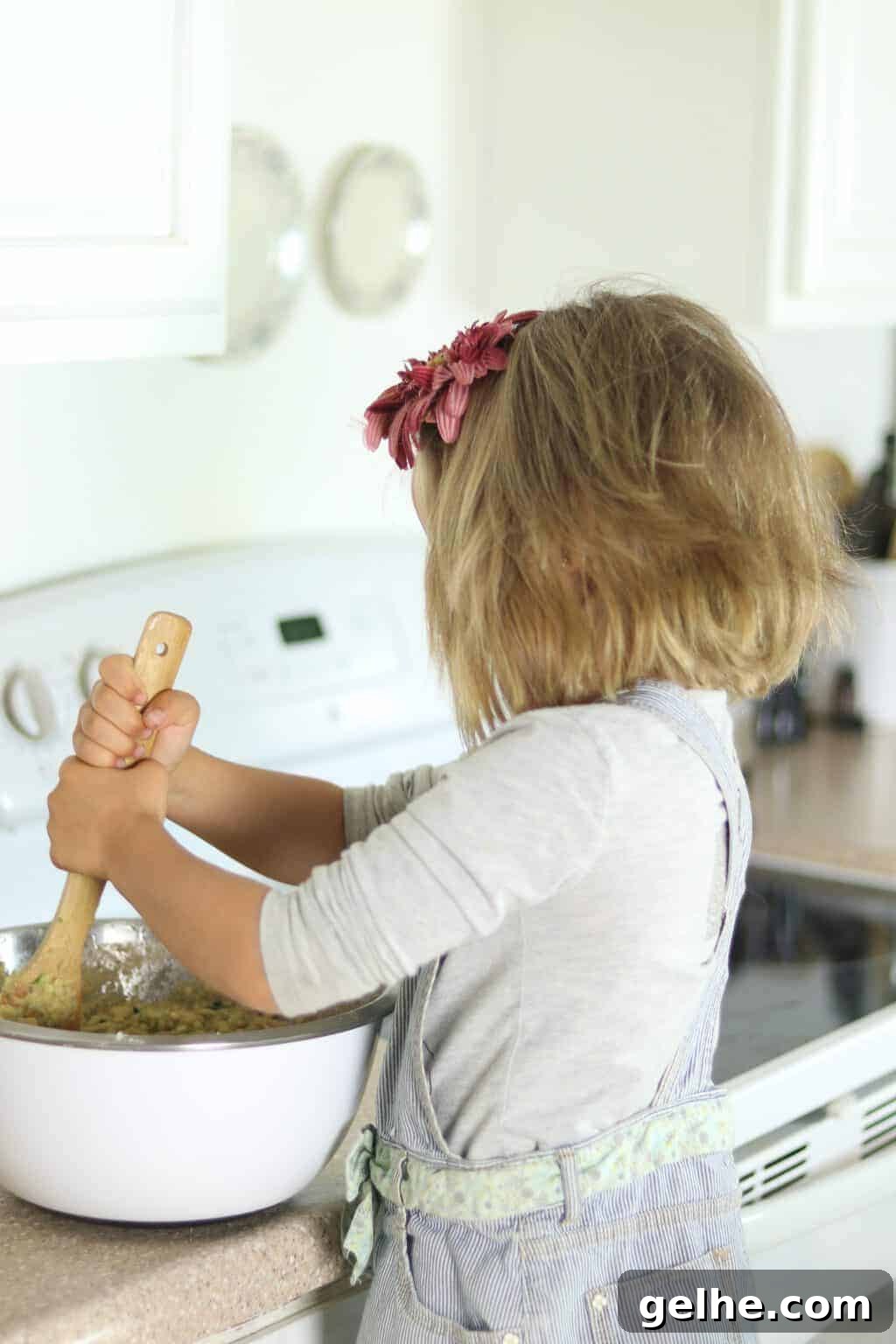
Do you struggle to get your child to eat healthy, try new foods, or even sit down to a meal? Read on for 10 practical tips to encourage picky eaters and make mealtime easier for the whole family.
Parenting isn’t easy—I don’t claim to be an expert. After six years of motherhood I’ve learned one thing for sure: being a parent is hard. Kids change quickly; just when you think you’ve figured something out, their preferences change. Having worked as a nanny and run an in-home daycare before becoming a parent, I’ve seen many families face the same mealtime challenges. Fortunately, my own kids have become adventurous eaters, and I want to share the strategies that helped us.
10 TIPS TO GET PICKY KIDS TO EAT HEALTHY
#1 DON’T MAKE THEM A SEPARATE MEAL
This is my top tip. At mealtime, my children eat what I prepare. I don’t create special “kid” meals. If kids know they can get a different, more preferred option, they’ll refuse the healthy meal. Making two meals is also time-consuming. Serve the healthy food and stick with it. If they don’t eat, save it for later and avoid offering alternatives right away. Let them feel true hunger and offer the same plate again if they ask later.
#2 BE A GOOD ROLE MODEL
Children pay attention to what adults do. If parents regularly eat vegetables and balanced meals, kids are more likely to follow. Family meals where everyone eats the same food set a strong example. Sometimes a picky spouse can influence a child’s habits, so presenting a united front helps reinforce healthy choices.
#3 DON’T MAKE A HUGE DEAL ABOUT THE MEAL
Overhyping a meal can backfire. If you constantly announce how amazing or important a dish is, you may increase resistance. Instead, serve the meal calmly and make conversation about the day. Keeping mealtime relaxed reduces pressure and makes it easier for children to try new things.
#4 SERVE MEALS WITH HEALTHY DIPS
Many kids love sauces and dips, and offering a dip can make unfamiliar foods more appealing. You can use homemade or store-bought healthy options. Dips like honey mustard, ranch made with better ingredients, ketchup with reduced sugar, or a simple BBQ sauce can encourage tasting and make vegetables and proteins more enjoyable.
#5 LET THE KIDS GET IN ON THE COOKING
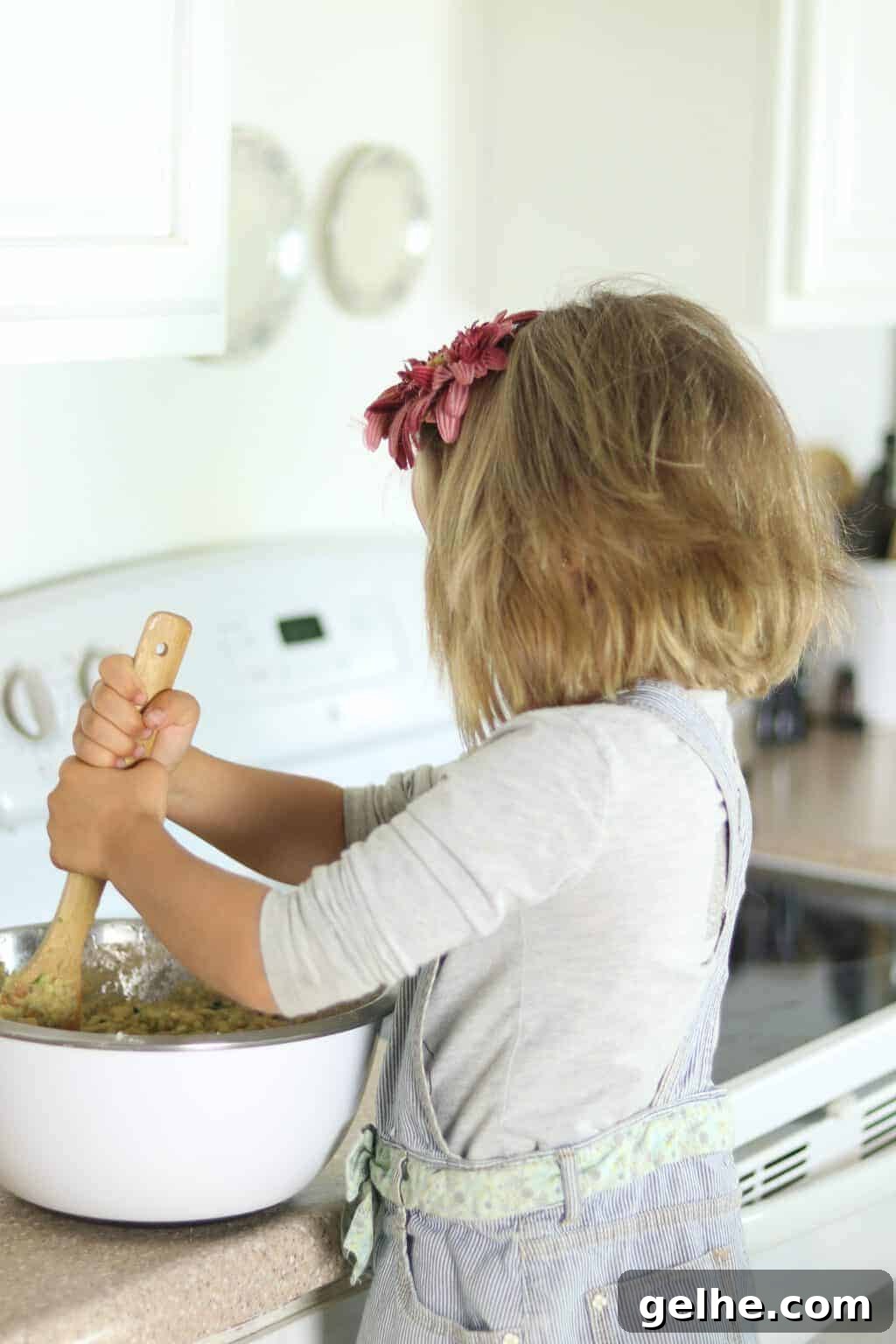
Kids who help prepare food are often more willing to try it. Involve them in simple tasks like stirring, pouring, or setting the table. Giving them age-appropriate responsibilities builds interest and ownership, which translates into more willingness to taste the finished dish.
#6 OFFER AN INCENTIVE
Sometimes a little incentive helps—think of it as gentle motivation, not manipulation. If you know a meal is likely to be met with resistance, offer a healthy reward for finishing it: a piece of fruit, applesauce, or a small healthy treat. Keep incentives simple and consistent so they support good habits without becoming a dependence.
#7 SERVE SMALLER PORTIONS
Large portions can overwhelm a child. Present smaller, manageable servings so the plate looks approachable. If a child already likes one part of the meal, give them more of that and a smaller portion of the new item you want them to try. They can always request seconds if they like it.
#8 LIMIT SNACKS BEFORE MEALS
If kids graze on snacks too close to mealtime, they’ll be less inclined to eat dinner. Unless a child truly needs a snack due to age or activity level, limit snack timing so they arrive at mealtime hungry enough to try new foods. Offer healthy snack options when needed—avocado with salt, almonds and raisins, apple slices with peanut butter, fresh fruit, or applesauce.
#9 MAKE FOOD FUN
Presentation matters. Cut fruits and vegetables into fun shapes, offer colorful selections, and let children arrange food into patterns or faces. Activities like “ants on a log” (celery with nut butter and raisins) are interactive and tasty. Making food playful helps reduce resistance and encourages sampling.
#10 DISGUISE VEGETABLES WHEN NECESSARY
As a last resort, incorporate vegetables into favorite dishes so kids get the nutrients without the battle. Add spinach to fruit smoothies, shred zucchini into sauces or meatloaf, or use cauliflower rice in soups, stir-fries, and mashed potatoes. These small additions can boost nutrition while keeping familiar flavors.
IN CONCLUSION
Focus on making mealtimes positive and low-pressure. Involve children in cooking, offer colorful plates and dips, serve reasonable portions, and limit snacks before dinner. Be consistent with not preparing separate meals and model healthy eating as a family. Small changes and patience often lead to big improvements.
I hope these tips make your mealtimes less stressful. Share what works for your family and any other ideas that have helped you encourage healthy eating in picky kids.