This gluten-free Croatia travel guide will help you plan a safe, enjoyable trip to Croatia if you have celiac disease.
This post may contain affiliate links. See the site disclosure for more information. Updated March 2022.
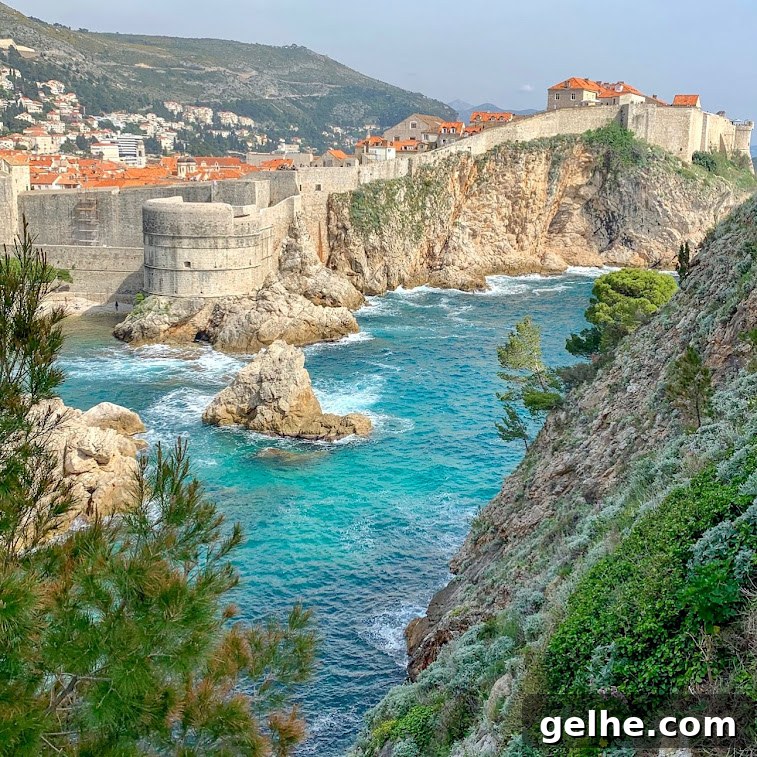
Croatia’s seaside towns, waterfalls, and rich history are easy to fall for. Another highlight for travelers with celiac disease is the availability of gluten-free products across many towns. While celiac disease may not be as widely discussed as in neighboring Italy, Croatia recognizes the condition and offers a growing number of gluten-free grocery items and restaurant options.
Dylan and I spent three weeks in Croatia in April–May 2019 during a six-month round-the-world trip. Below are my top tips for visiting Croatia with celiac disease.
NOTE & DISCLAIMER
Everyone’s experience with celiac disease is different. Dedicated gluten-free facilities are usually the safest options; for other restaurants I recommend only places I visited or where clear protocols were in place. This guide is a set of suggestions to point you in the right direction. Restaurants can change—use your judgment and only eat where you feel safe.
This guide first appeared in Gluten-Free Living Magazine in 2019 and has been updated for reference.
Gluten-Free Croatia Travel Guide
About Celiac Disease in Croatia
Celiac disease is recognized in Croatia. The Croatian Society for Coeliac Disease offers guidance to visitors and many citizens receive gluten-free flour through health insurance, so home baking is common. Many gluten-free items found in stores are imported, but availability is generally good in towns popular with tourists.
Croatian Food & Diet
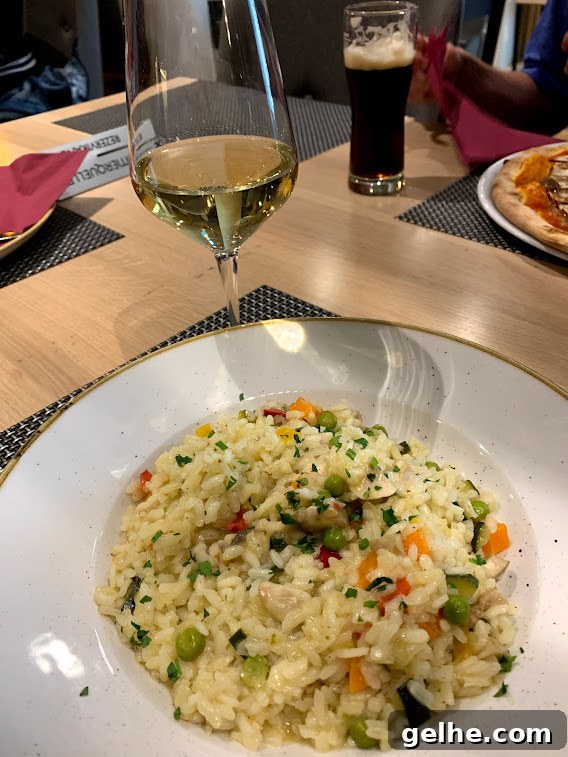
Croatian cuisine varies by region and reflects influences from neighboring countries as well as its coastal geography. Expect seafood, stews, soups, risottos, and regional pasta dishes. As with any destination, regional differences matter—what’s common in one city may be rare in another.
Staying Somewhere With A Kitchen
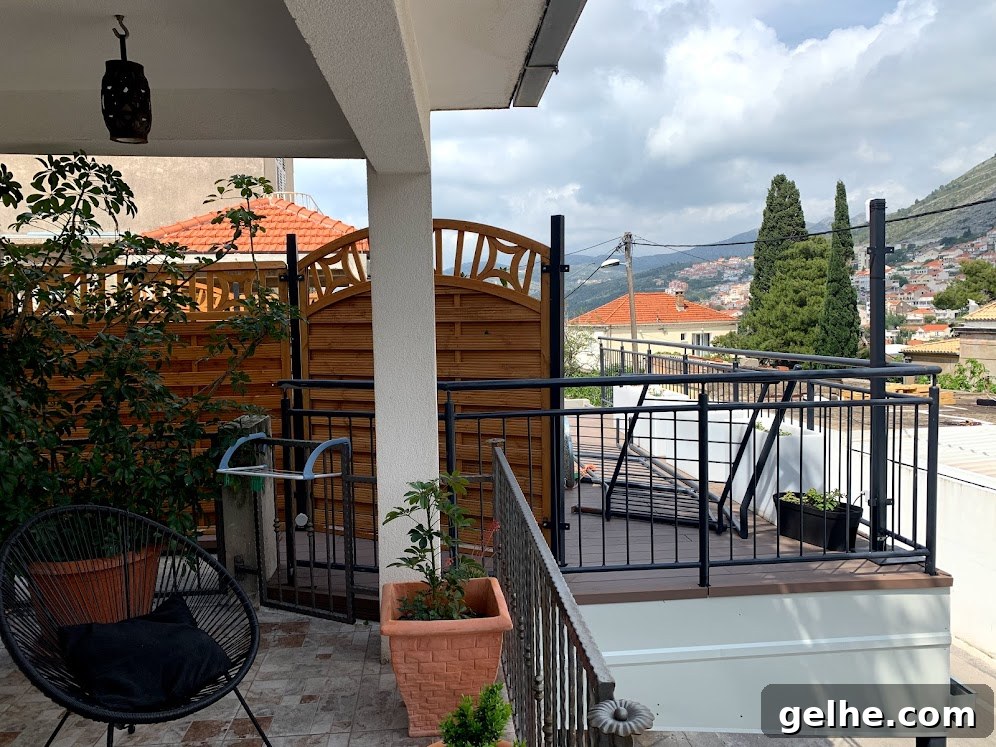
When traveling with celiac disease, staying somewhere with a kitchen reduces risk of exposure, saves money, and provides a reliable backup if restaurants aren’t suitable. We stayed in apartments, hostels with kitchens, and one B&B that provided gluten-free meals. Booking through local hosts, choosing a place near a market, and having basic cooking facilities makes travel easier and more comfortable.
If you arrive tired after long travel, having a kitchen nearby meant we could rest and then easily get safe food from a supermarket. For many travelers with dietary restrictions, this balance between cooking and dining out is the most sustainable approach.
Gluten-Free Groceries “Bez Glutena”
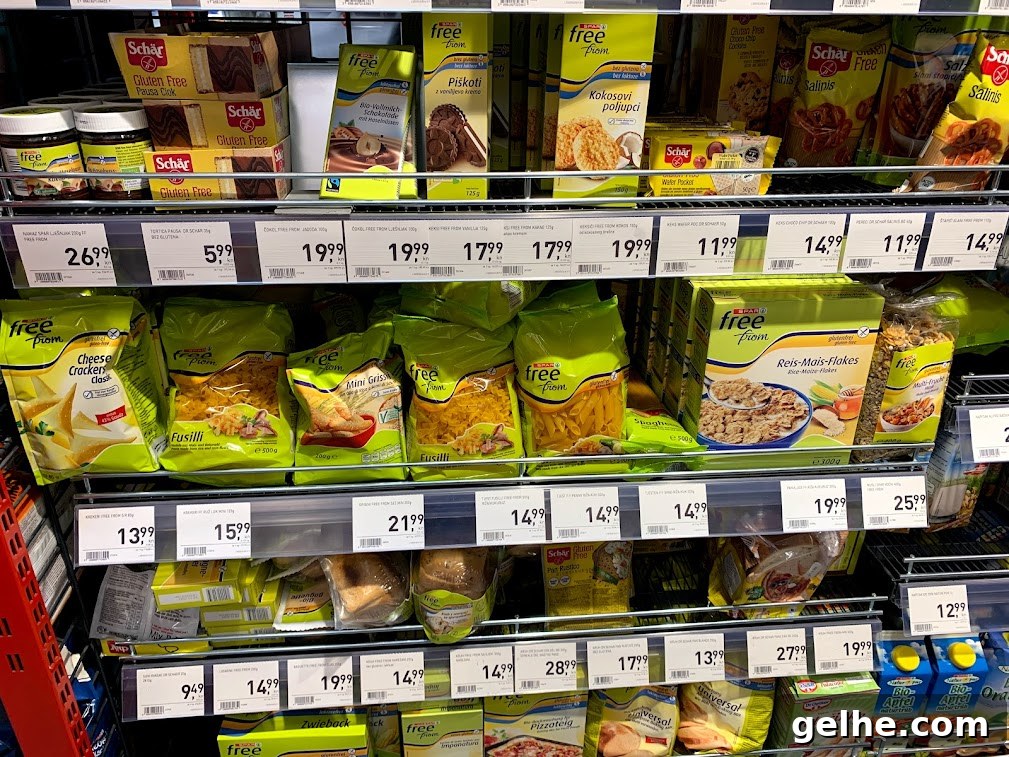
Most grocery stores have a “Free From” or “Bez Glutena” section for gluten-free products. Across Dubrovnik, Split, Zadar, and Zagreb I found a good selection and familiar brands like Schar. Popular Croatian grocery chains with gluten-free items include Konzum, Tommy, bio&bio, Studenac, and Spar.

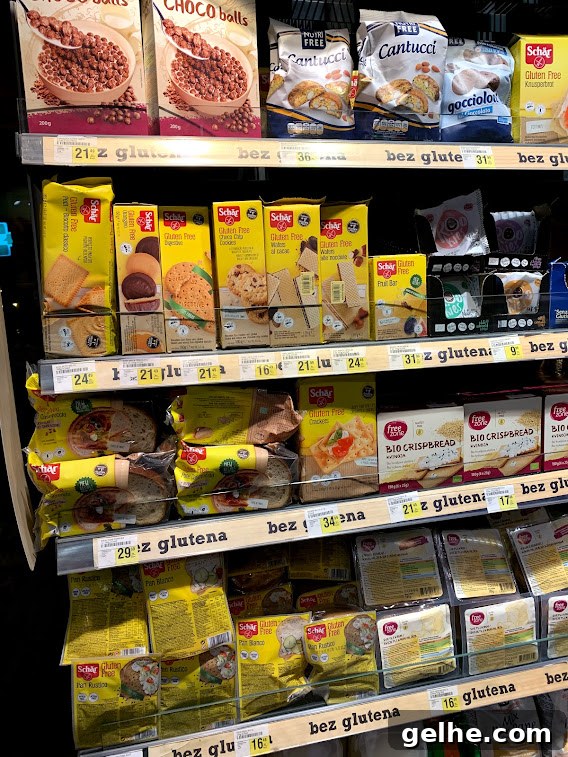
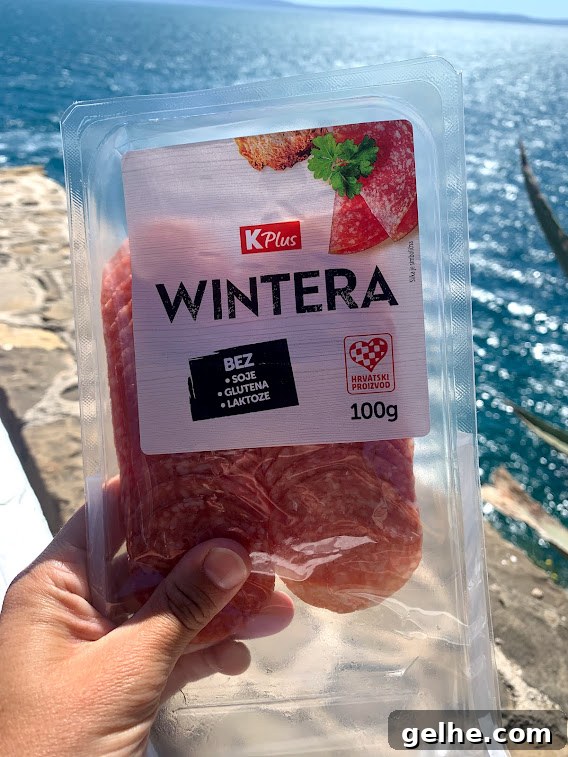
Local gluten-free highlights included GoFree corn flakes, Stark Lisac hard cider, and Moje Malo Zlato gluten-free bread, one of the few brands produced in Croatia. Having snacks and staples on hand (especially for hikes or long sightseeing days) makes travel easier. In Split we were even able to bring gluten-free snacks into a small movie theater.
How To Find Safe Restaurants in Croatia
Research before you go. Apps and websites that list gluten-free options can give you an overview of what’s available, but always speak directly with restaurants about their procedures. FindMeGlutenFree is one useful resource to check menus, read reviews, and filter for celiac-friendly places. Use premium features if you want extra filtering and live-hours information.
Gluten-Free Croatian Dining Card “Bez Glutena”
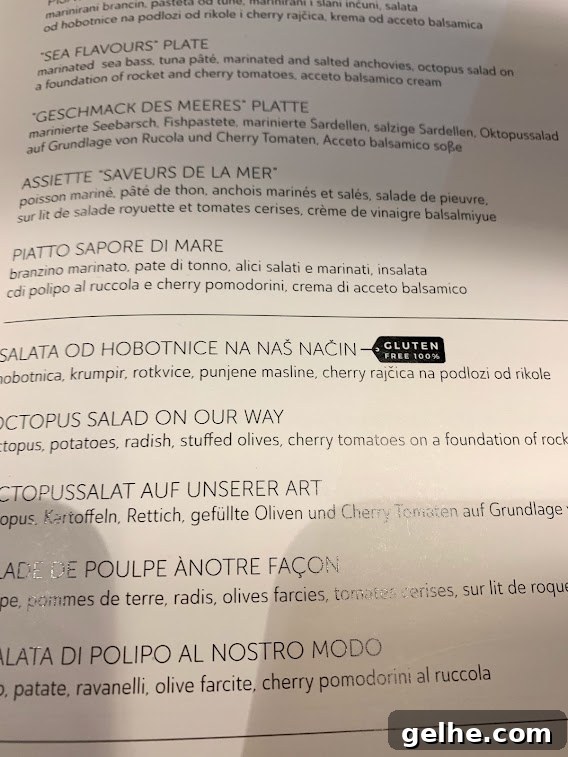
The phrase to look for is “Bez Glutena” (Gluten-Free). A clear, professionally translated restaurant or dining card you can show to staff helps explain your needs and reduces misunderstandings. Google Translate works for single words but a prepared card translated by a native speaker is more effective when communicating cross-culturally.

Carrying a short dining card in Croatian that explains celiac disease and cross-contact concerns makes conversations with servers and chefs easier, especially outside major tourist zones.
Restaurants With Gluten-Free Food in Croatia
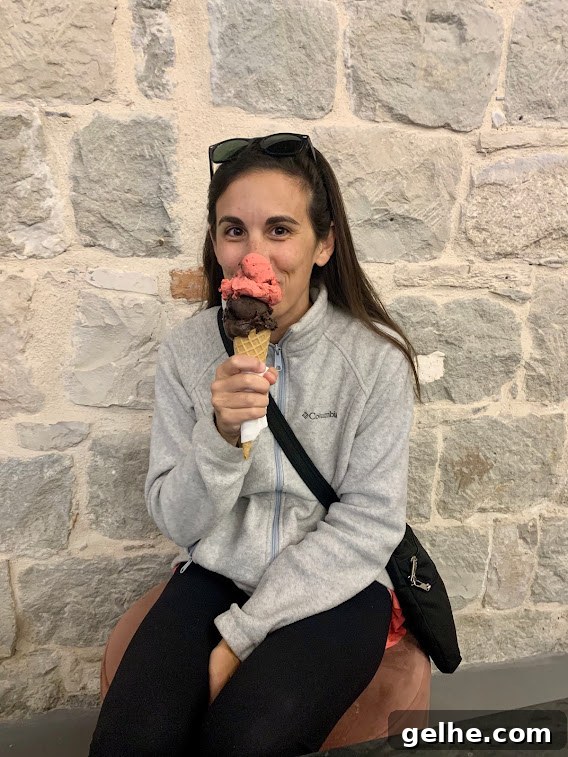
I visited four cities and two national parks during three weeks in Croatia. I focused on balancing meals out with cooking, bringing snacks, and preparing simple meals like salads or picnics. That balance helps avoid burnout and minimizes exposure risk.
Dubrovnik
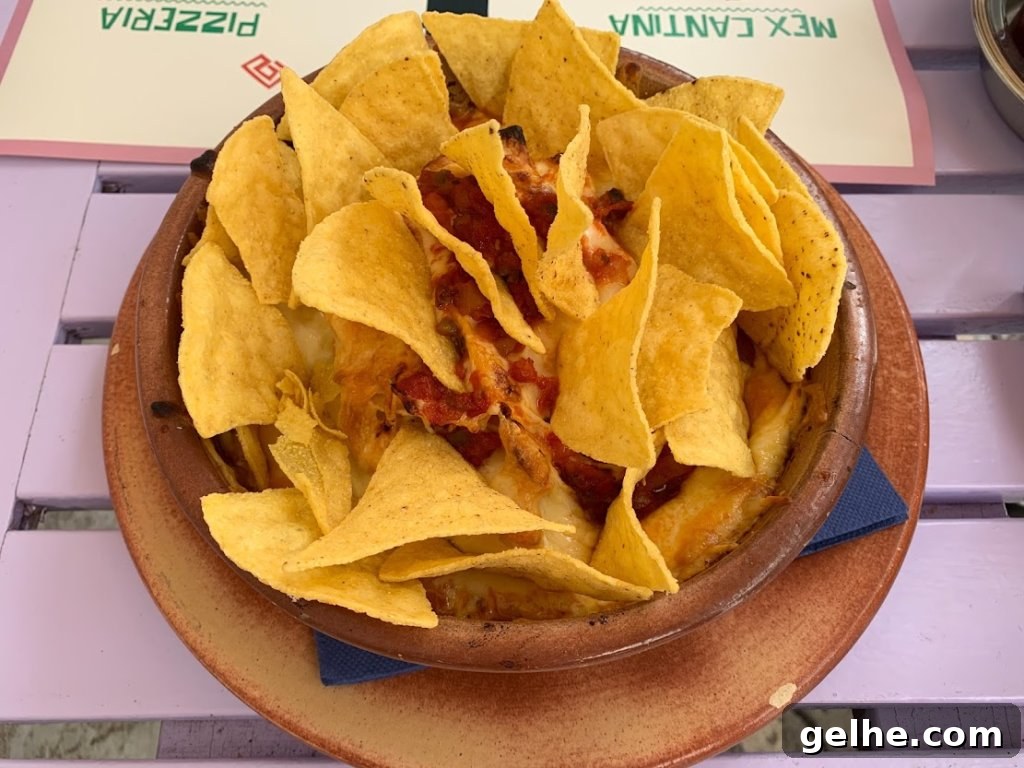
Dubrovnik is popular and pricier than other areas. Options change frequently and dedicated gluten-free facilities were limited when I visited. Staying outside the old city walls and cooking some meals helped reduce cost and risk. We ate at Mex Cantina in the walled town, which offered gluten-free nachos during our visit—confirm current offerings before you go.
Split
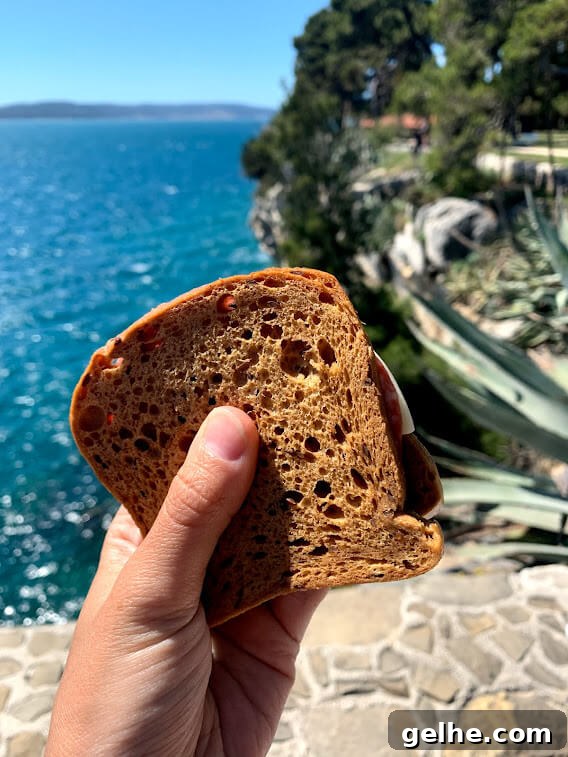
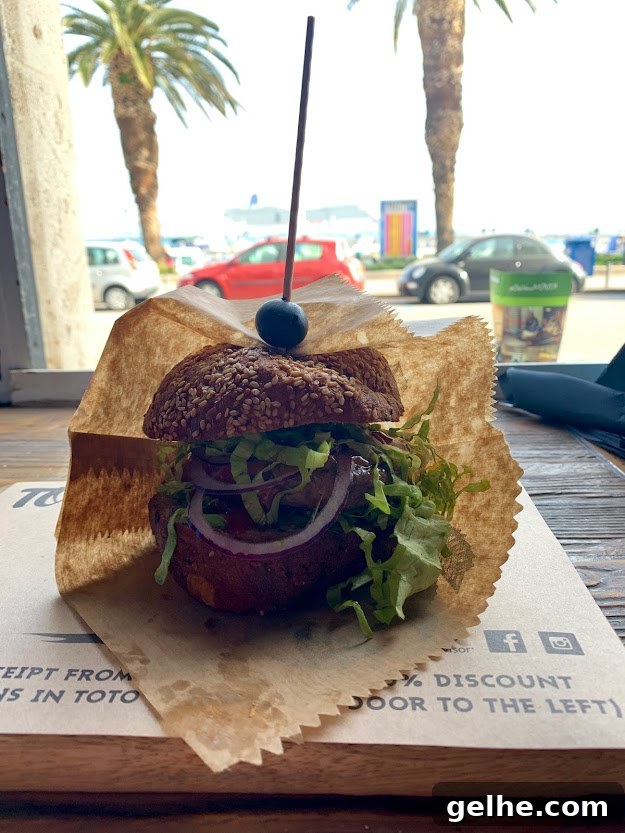
Split is lively and full of Roman architecture. There has been at least one dedicated gluten-free restaurant (SALT Gluten-Free House) reported, and other places like Toto’s Burger Bar have offered gluten-free buns. Gelato shops have sometimes offered gluten-free cones. Always confirm current safety practices before visiting.
Zadar
Zadar is a charming coastal city. Some establishments listed as dedicated gluten-free include The Garden Lounge and Food and Wine Bar Pomalo—check with them directly. We enjoyed 2Ribara’s vegetable risotto and Protto Food & More’s burger (without a bun) with no issues.
Zagreb
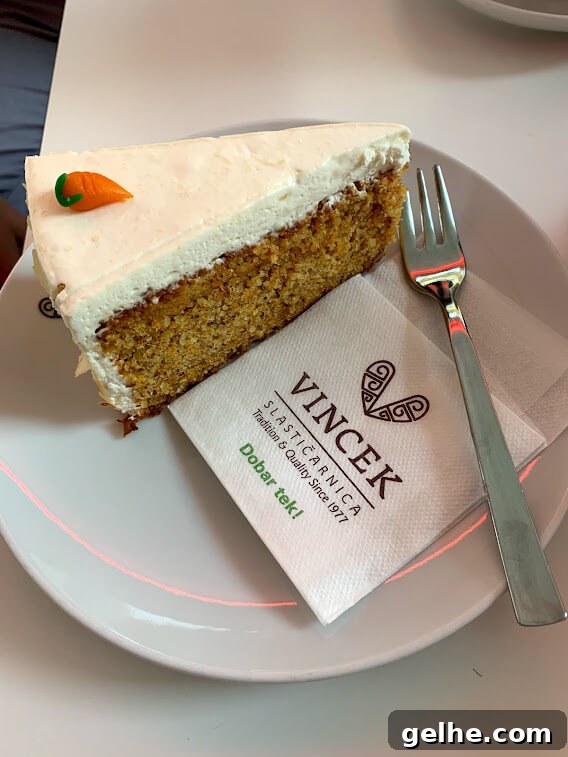
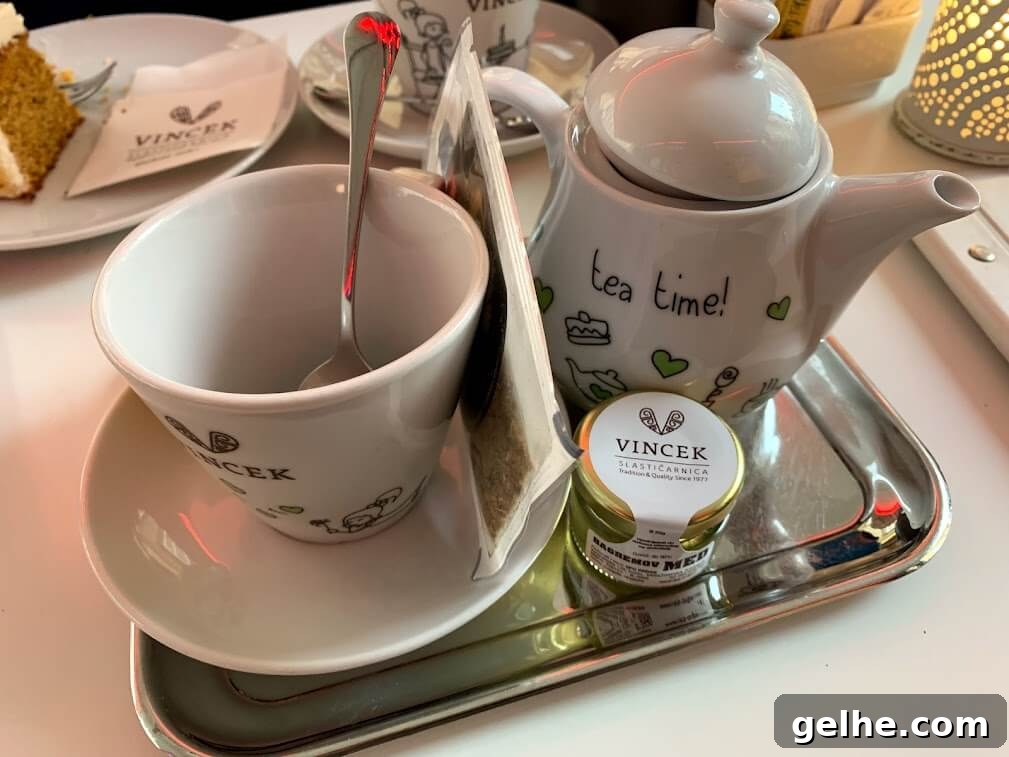
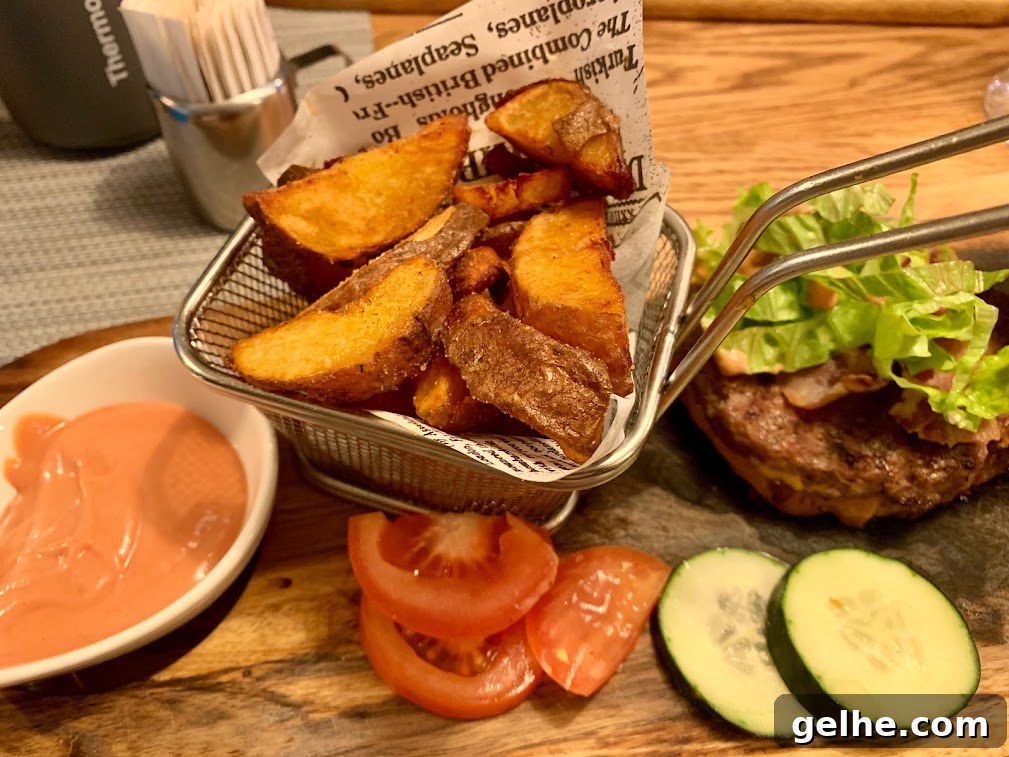
Zagreb, the capital, reflects Austro-Hungarian influences and offers several dedicated gluten-free venues. Vis a Vis Vincek is a 100% gluten-free cafe known for excellent cakes. Other gluten-free options reported include Kata Brunch Bar, Bez Glutena, Melt – Gelato & Brunch Bar, and Lipa Kavarna. We also had a safe experience at Submarine Burger with a lettuce-wrapped burger and fries cooked in a dedicated fryer—confirm details before visiting.
B&B Millenium House in Plitvice Jezerce
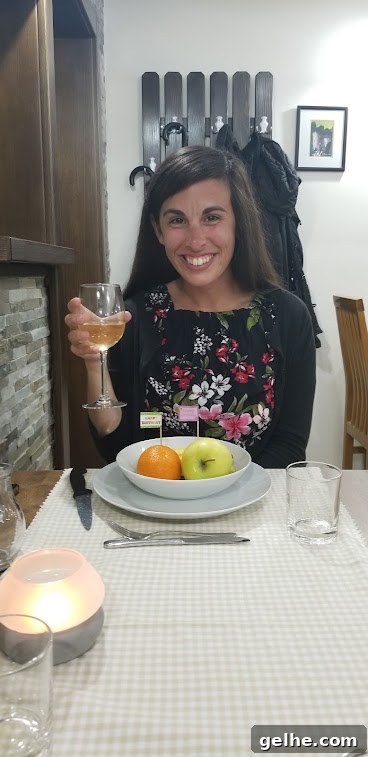
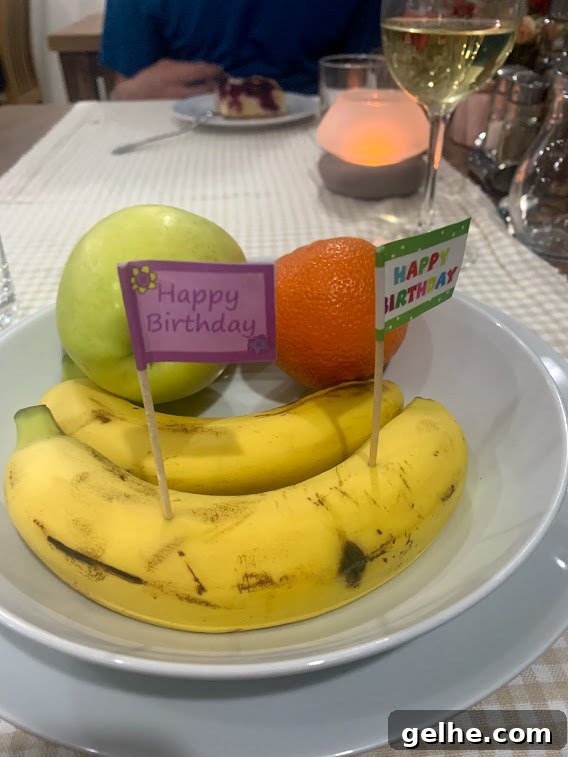
In smaller family-run places you can be very well cared for. At B&B Millenium House near Plitvice Lakes, the host went out of his way to source gluten-free bread, cereal, and pasta for our meals and took care with kitchen preparation. For my birthday they tried to arrange a gluten-free cake and served a special gluten-free dinner. Attentive hosts like this make travel memorable.
Final Thoughts on Croatia
Croatia is one of Europe’s most visited destinations—and it can be a great choice for travelers who need to eat gluten-free. With growing availability of gluten-free groceries and an increasing number of dedicated or celiac-aware restaurants, you can explore Croatia’s landscapes and cities while managing a safe gluten-free diet. Plan ahead, bring a dining card in Croatian, balance cooking with dining out, and enjoy the experience.
Looking for more gluten-free travel posts?
Explore other gluten-free travel guides and resources to help you plan safe, stress-free trips.
Have you been to Croatia?
How was your experience eating gluten-free?
Let me know in the comments where I should visit next time I’m there!