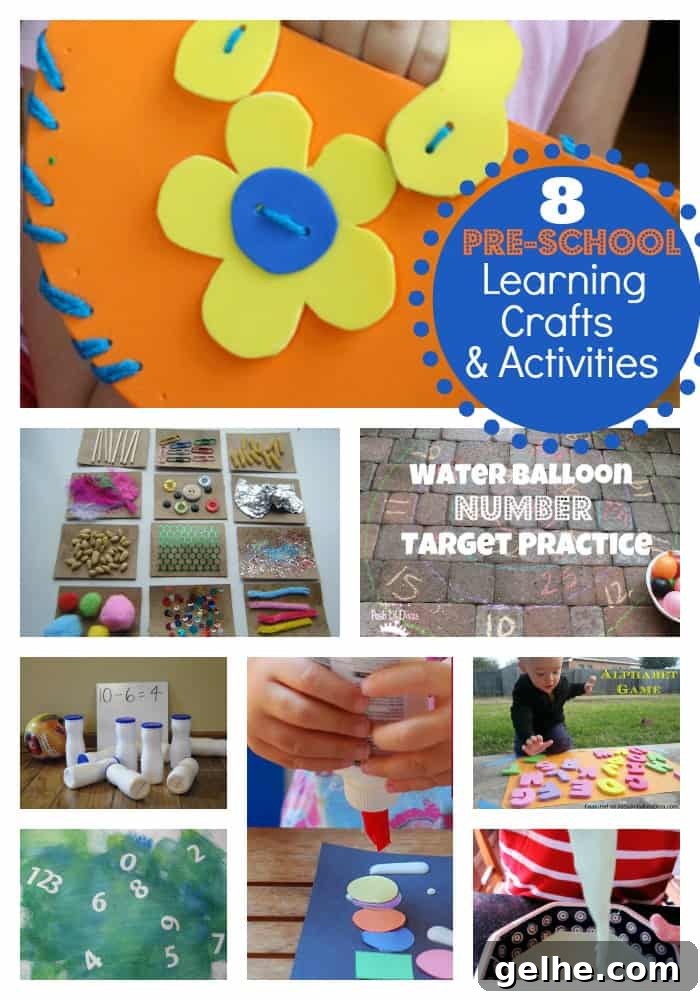
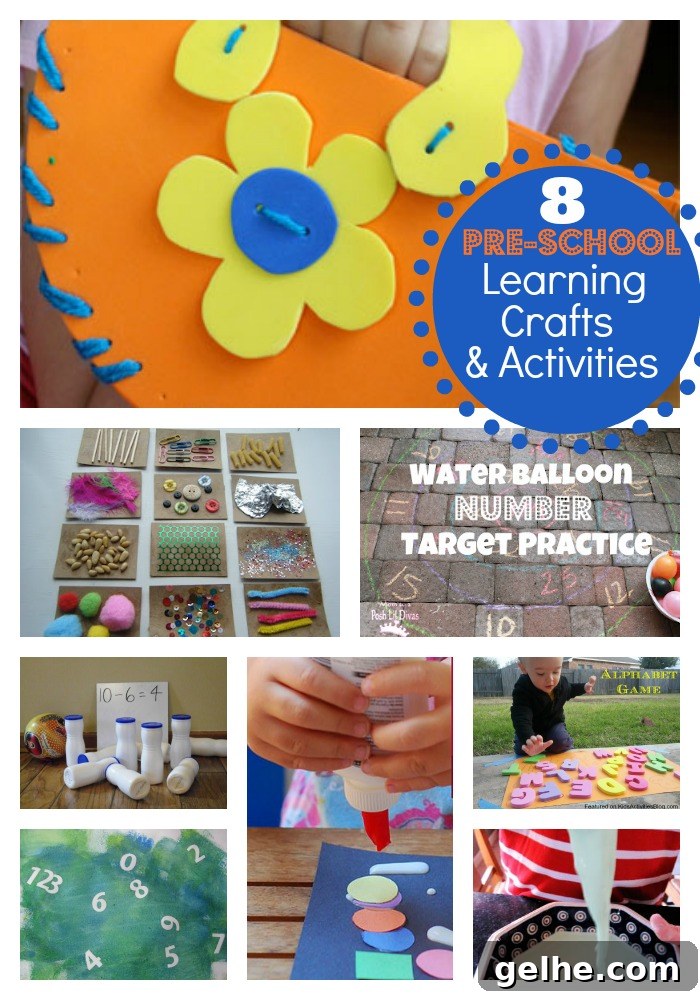
Back to School season is here, but many little ones aren’t in full-time school yet. Below are engaging preschool crafts and activities that are fun and educational—perfect for developing early skills while keeping kids entertained.
If you want more hands-on ideas, try sensory science experiments like a homemade slime recipe or oobleck to explore textures and cause-and-effect, or build fine motor skills with a simple first sewing project such as a foam purse. The selections that follow offer a variety of learning opportunities, from letters and numbers to shapes, patterns, and sensory play.
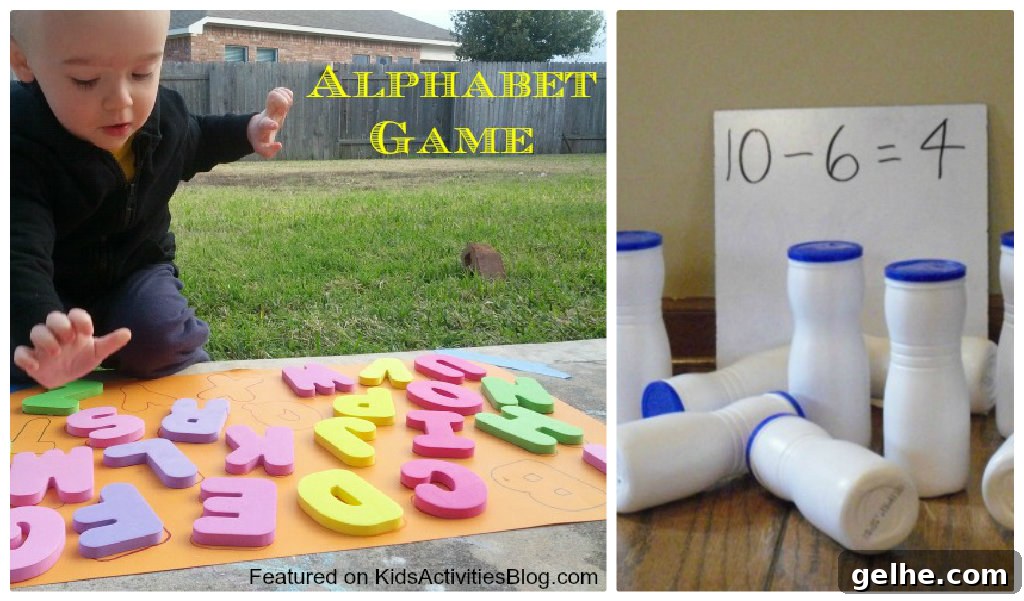
Alphabet and number games are excellent for early literacy and numeracy. Try an alphabet learning game that encourages letter recognition and phonemic awareness, and follow up with a numbers concepts game that introduces counting, number order, and basic quantity understanding through playful activities.
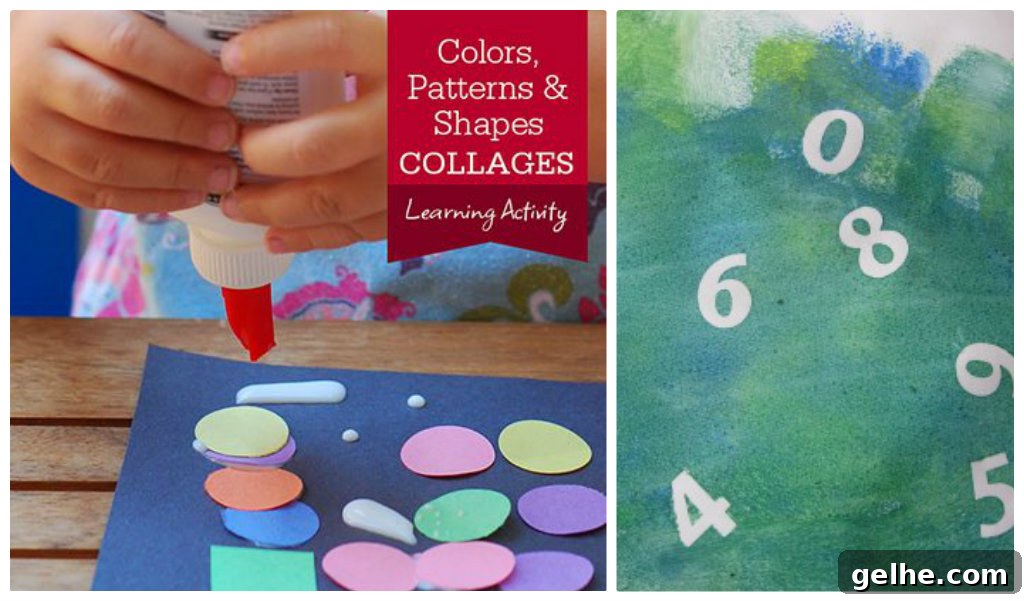
Shape art and simple math crafts help children learn shapes, colors, and patterns while developing fine motor control. Make collages from cut shapes to practice sorting and matching, or try a “paint and peel” activity that combines painting with counting and pattern recognition.
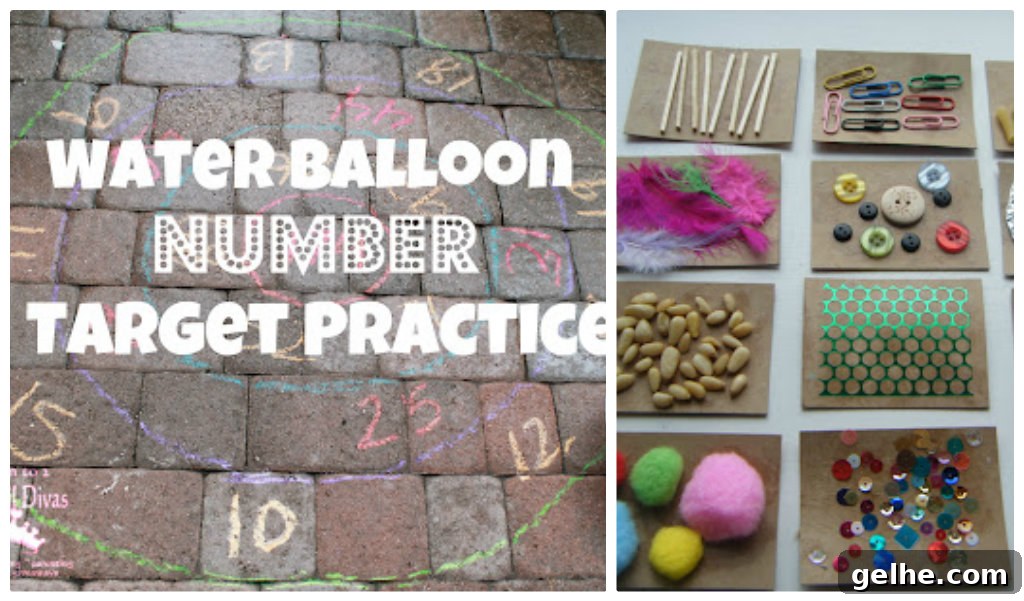
Outdoor and sensory activities offer movement and tactile exploration. A water balloon number target practice game turns throwing and aiming into a counting and number-recognition exercise. Sensory boards provide a calm, exploratory space where children can touch, sort, and describe different textures—great for language development and sensory processing.
Tips for using these activities with preschoolers:
- Keep sessions short and focused—young children learn best in brief, engaging bursts.
- Follow the child’s lead; let their interests guide how deep you go into a topic.
- Encourage language by narrating actions and asking open-ended questions.
- Use everyday materials—paper, paint, water, and household items—to make activities accessible and low-cost.
- Celebrate effort and curiosity rather than perfection to build confidence and a love of learning.
Mix indoor crafts with active outdoor games and a few sensory experiments to create a balanced schedule that develops fine motor skills, early literacy and numeracy, and sensory awareness. These simple, inexpensive activities are easy to adapt for different ages and skill levels, making them ideal for preschoolers at home or in a small classroom setting.